


Pickup


Return
🎁 Use code WELCOME3 during checkout to get discount on your first booking with us. Enjoy! ☀️

Car rental in Spain isn't about getting from the airport to your hotel. It's about seeing a country that changes around every bend. From Málaga, an hour and a half takes you up into the white villages of the Alpujarras. From Barcelona, you can be among the vineyards of Priorat or in medieval Girona by lunchtime. From Alicante, you reach Valencia along the coast in roughly the time it takes to find a taxi in August.
Spain isn't quite northern Europe, where a single rail pass covers most of what you'd want to see. Here, the rewarding bits — the national parks, the Andalusian pueblos blancos, the wineries of Rioja, the cliffs and coves of the Costa Brava — are either unreachable by train or only on offer through pricey day tours.
We've put together a network of trusted local suppliers across Andalusia, Catalonia, Valencia, the Balearics and Madrid. For every car you'll see real photos, verified renter reviews and a clear price breakdown, with no surprises at the desk.
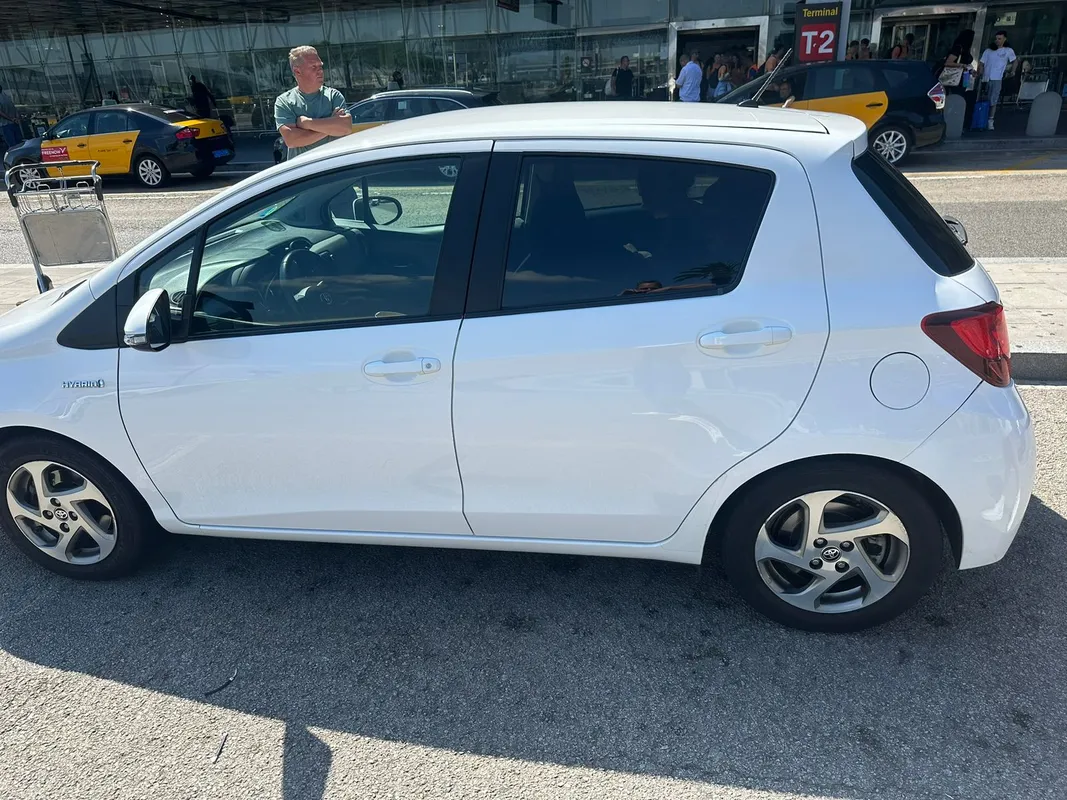
We publish photos of the actual car you'll receive. If the website shows black but the white version is what's in the garage, you'll hear about it before pickup, not at the kerb.
After every rental we ask the customer how it went. If complaints about a supplier start to repeat, we react — sometimes that means parting ways.
In practice this means: when you book through us, you see the actual car and the actual price, and you know who to call when plans shift.
Spain without a car
The big cities — Madrid, Barcelona, Valencia — have excellent public transport, and for a couple of days between the airport and the centre you don't really need a car. But everything that makes Spain memorable starts where the metro doesn't reach. The Andalusian white villages, the switchbacks of the Sierra Nevada, the wine regions of Rioja and Ribera del Duero, the headlands of the Costa Brava — all of these need a steering wheel.
Spanish roads make the case on their own. The autovía network is free and well signposted, and several former toll motorways (AP-7 north, AP-1, AP-4) became toll-free in 2020. Service stations, cafés, decent toilets — all on a regular rhythm. Honestly, for a visiting driver, Spain is one of the easiest countries in Europe to get behind the wheel.
Road surfaces are good almost everywhere. Even on the narrow mountain roads where two cars can barely pass, the asphalt holds up — guests are often surprised it's noticeably worse in Italy or Greece.
If you're planning two or three coastal cities, or a Barcelona–Valencia–Madrid triangle, the car pays for itself by the third day: one calm route instead of four sets of luggage moves. Until you've had lunch in a mountain village an hour from a busy resort, you haven't really seen Spain. The bus doesn't run there.
Browse cars in popular areas
Most tourists in Spain start their trip here
What you'll drive
Spain's hire car market is dense and mature. Airport counters belong to the global chains; in towns you'll find solid Spanish brands with their own fleets, and alongside them local brokers offering more transparent terms. Each segment has its place: globals deliver speed and consistency for short business trips, while local outfits give better prices and a more human touch when something goes sideways.
Economy class typically means a Fiat Panda, Hyundai i10, Kia Picanto or Citroën C1 — light on petrol, easy to park in narrow old-town streets. Mid-range covers the Seat Ibiza, Peugeot 208 and Renault Clio. Family SUVs include the Nissan Qashqai, Peugeot 3008 and Hyundai Tucson. Price guide: economy in low season starts at €20–40 per day, climbing to €60–90 in the July–August peak; SUVs €50–100; premium from €150.
One Spain-specific detail: most airport fleet vehicles already carry the DGT environmental sticker (ECO or C category). Without it, automatic cameras simply won't let you into central Madrid or Barcelona.
March and August are two different Spains. If your dates are flexible, shifting from peak to late April or early October easily knocks 30–40% off the total.
On the islands, the popular cars sell out two or three months before the season. On the mainland the booking window is calmer, but a week before take-off and the choice has thinned right out.
In short: dates and lead time decide most of the price, far more than the badge on the bonnet.

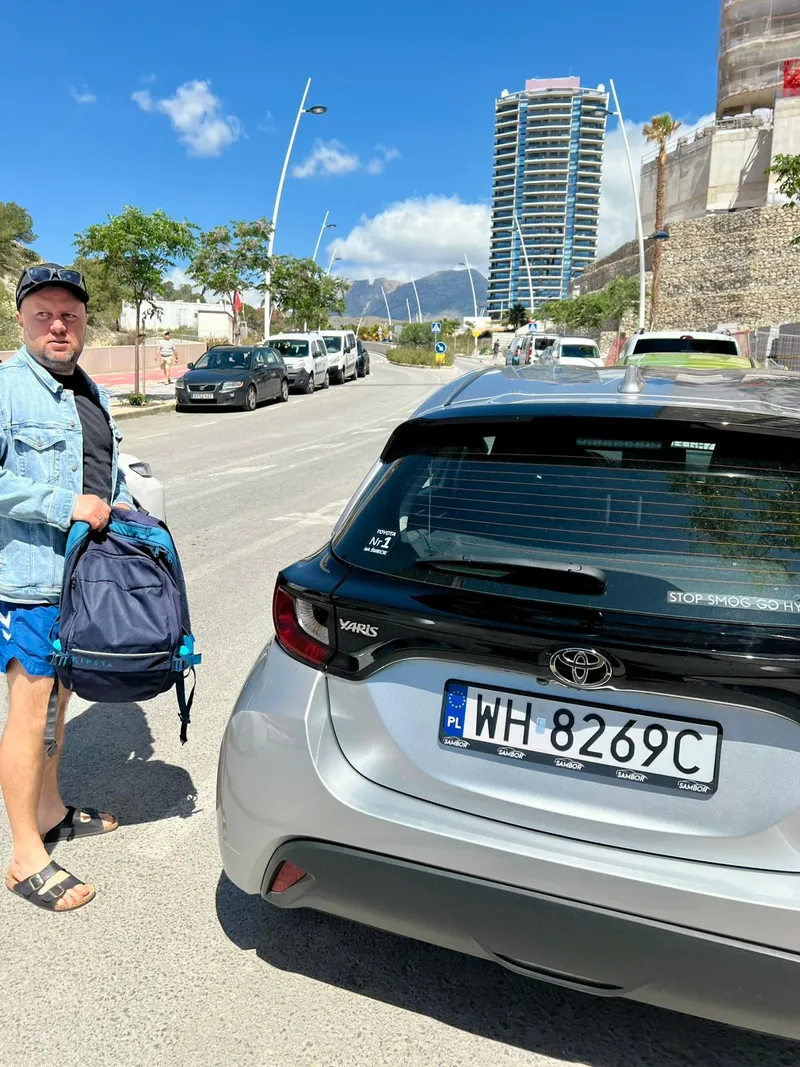
Toyota Yaris in Spain
Thank you, everything was great! :)

Mercedes-Benz G63 AMG in Spain
Everything was Realy good with the car rental.

Toyota Corolla Sedan in Spain
We were satisfied with the service: the employee who delivered the car to the airport and subsequently received it, flexible conditions of return, the ability to pay in cash, no hidden fees; and the car: fuel consumption is not high, holds the road well, the car was clean, no odors, the trunk is roomy. We will definitely recommend you


Toyota Corolla in Spain
Everything was great! The driver was punctual and accurate on time. The car fully met expectations. Thank you!
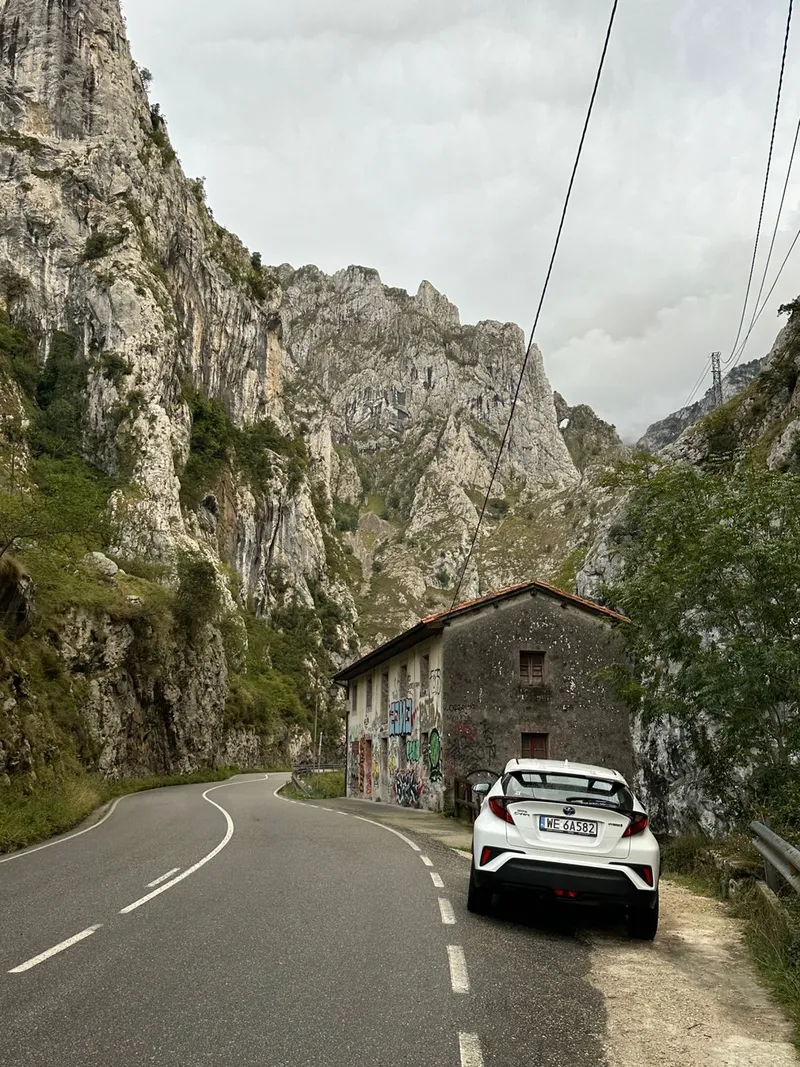
Toyota C-HR in Spain
everything was fine.

Honda HR-V in Spain
All right, thank you. The car was provided.
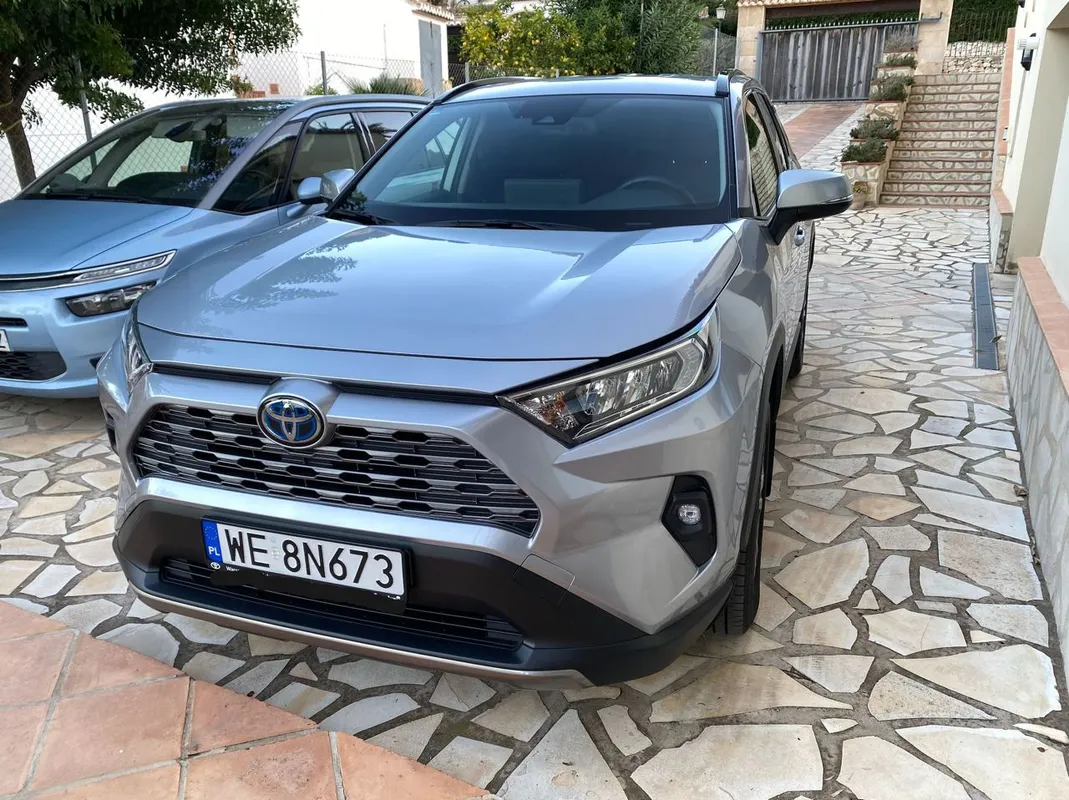
Toyota Rav4 in Spain
The car is fine, in good working order. I received it at the airport and gave it back there before departure.
Honda HR-V in Spain
Actually rented a Toyota Yaris cross. Picked up in Barcelona, returned in Madrid. The car was clean.
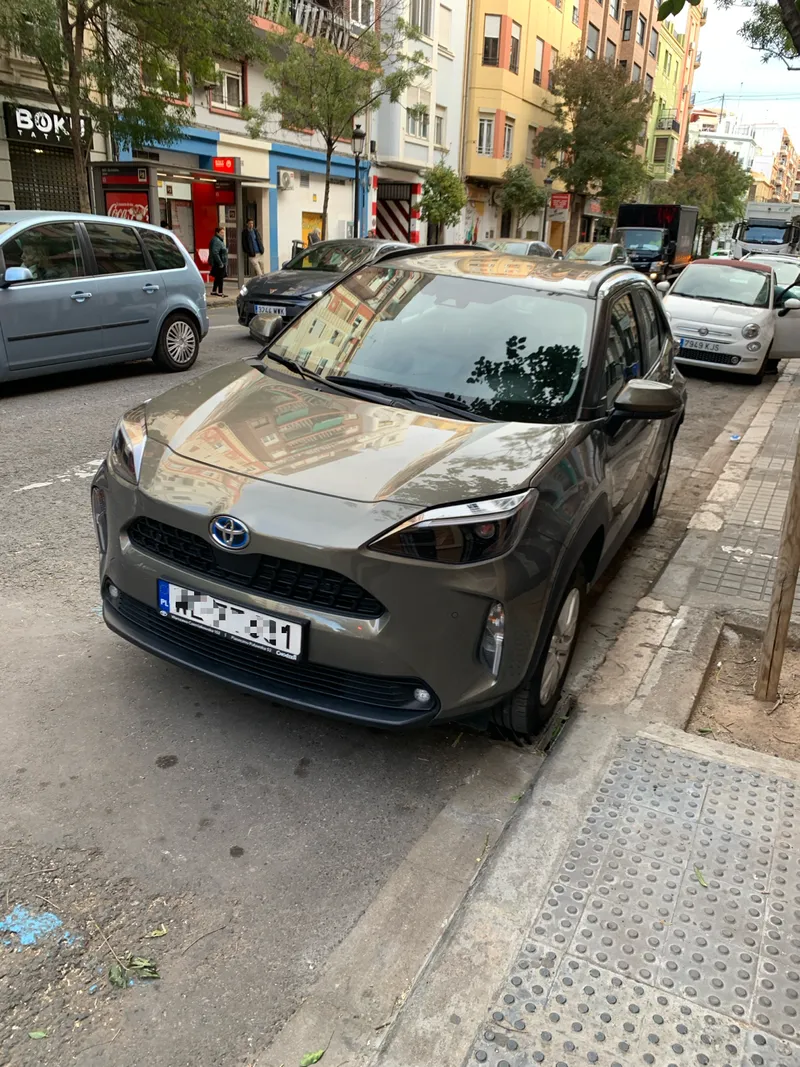
Toyota Yaris Cross in Spain
The owner of the car is wonderful, the car is clean. The mileage of the car is 70, but it feels like new. I put 4 stars because it was not convenient that there was not a full tank, returned a little more gas than I took. This is not very convenient. I would like to have a full tank received - full tank returned.
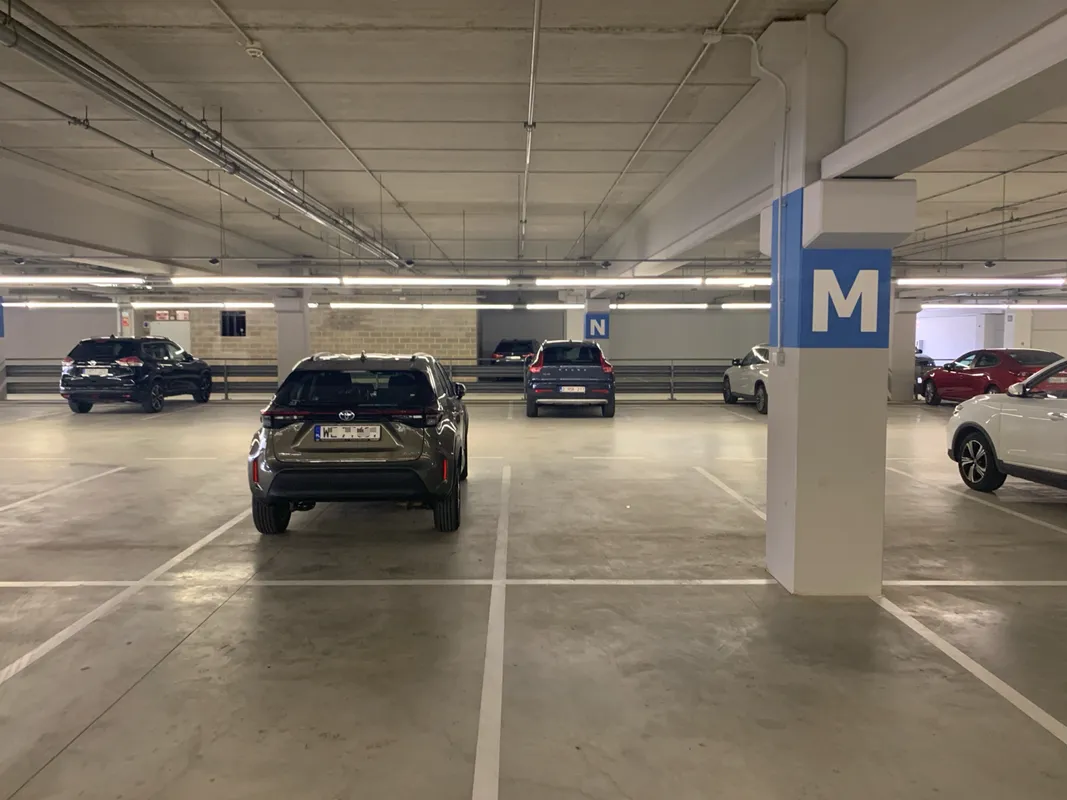
Toyota Corolla Sedan in Spain
Everything was fine with the issue. We were picked up at the airport on time. They messed up the time when the rental was finished. But we worked it out

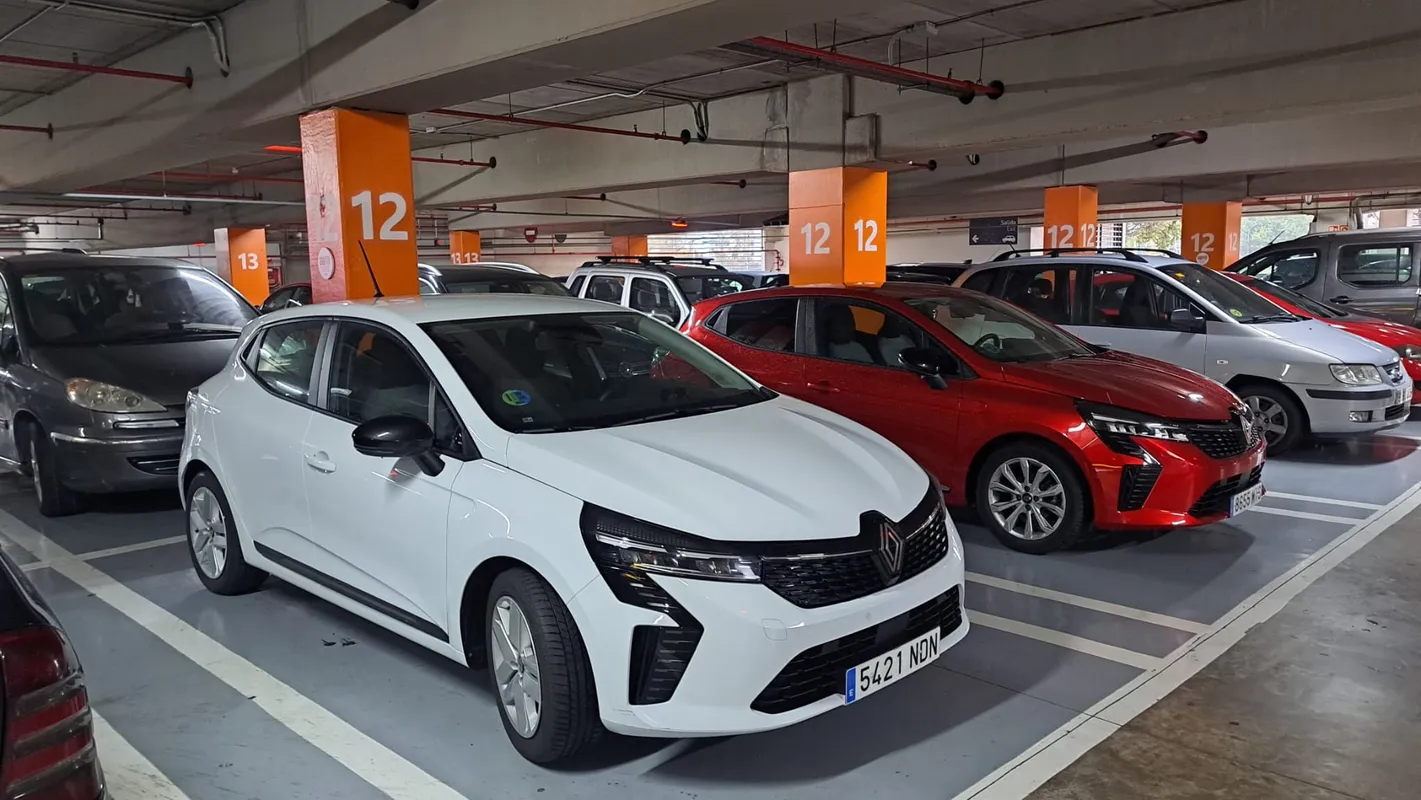
Renault Clio 5 in Spain
we liked the car, everything was great, we are satisfied with the car rental

Opel Corsa in Spain
Everything went well! No remarks!
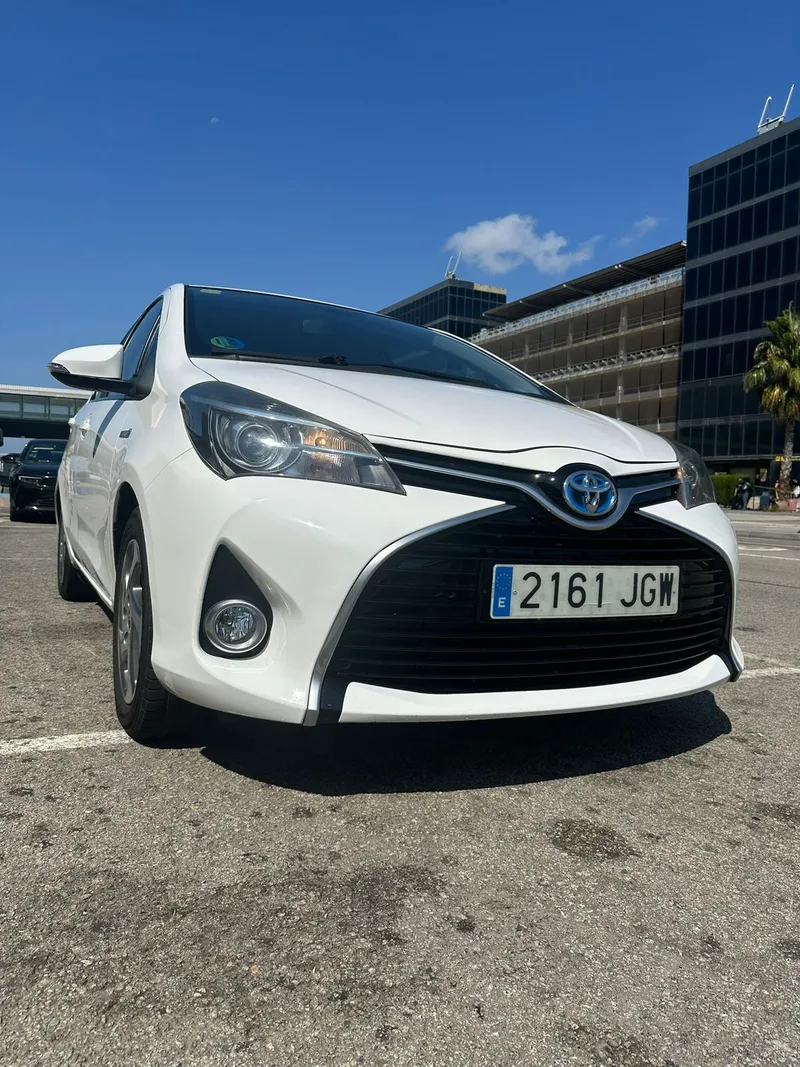
Toyota Yaris in Spain
The car was delivered on time, the car did not let me down, the delivery was also very convenient. Thank you very much to the guys
Take Cars in Spain
We vet every supplier in Spain before we list them — fleet, contracts, insurance policies, customer reviews. If complaints start to repeat, we re-examine the partnership, and sometimes we walk away so travellers aren't left short.

-
Deposit and payment terms are visible before you book
No surprise upsells at the desk for "compulsory" insurance, no doubled deposit because of a debit card.
-
Real photos and reviews on every individual car
You choose the actual vehicle that turns up, not a vague "something in Class B".
-
Free cancellation up to 7 days before pickup
Plans change, and you shouldn't be paying for it when they do.
Driving in Spain
Speed, alcohol, fines
Speed limits are standard: 30–50 km/h in town, 90 km/h on rural roads, 100–120 km/h on autovía and autopista. Cameras flash from about +7 km/h over, with fines from €100 for minor breaches up to €600 for serious ones. Useful rule: pay within 20 days and you get a 50% discount.
The drink-drive limit is 0.05% (0.03% for drivers under two years on a licence). Spain is moving to 0.02% by 2026 — effectively zero tolerance.
Low emission zones
ZBE schemes run in almost every major city — Madrid, Barcelona, Valencia, Seville, Málaga and dozens more. Cars carrying the DGT sticker (ECO or C) may enter, so check the windscreen before driving off. Barcelona's zone runs Mon–Fri 7:00–20:00; Madrid's is 24/7. No sticker means a €200 fine, camera-triggered.
Most of our Spanish cars are Euro 6 with a DGT sticker. Before driving off, check the bottom-left of the windscreen — small round green or blue label.
The most common tourist fine isn't speeding. It's parking in a green zone. Green is for residents; visitors use the blue zone (zona azul), paid at the kerbside meter or via an app.
The 50% early-payment discount on fines is a lifesaver. If the letter reaches your home address after you've gone, pay on the DGT website rather than letting it run to full price. Driving in flip-flops really is fined here — it falls under "inadequate control of the vehicle", and the bill reaches €200–300.
What it costs
Season and timing
Pricing is heavily seasonal. In March and November an economy car runs €20–25 per day; by August the same booking is €60–90. On the islands — Mallorca, Ibiza, Tenerife — summer stock sells out two to three months ahead. The Canaries peak elsewhere: December and January.
Fuel policy
The fairest option is full-to-full: pick up with a full tank, return it full. Watch out for the alternative — a prepaid tank (full-to-empty), where fuel is charged in advance at an inflated rate and any unused petrol isn't refunded. If you spot it in the small print, recheck the total.
Deposit and insurance
Deposits depend on class: economy €300–600, SUV €800–1,200, premium from €1,500. It's a hold, not a charge. With a debit card, many international chains double the figure. Third-party liability is included by law; CDW with an excess sits in the base rate. Super CDW or fully comprehensive — €10–25 per day for a zero-excess upgrade.
Fully comprehensive cover pays for itself with a single small incident. A scratched alloy from a kerb-park, a bumper scuff at the beach — you walk away without arguing.
If they try to charge for damage at drop-off, don't sign the report without your own photos. A short video at pickup and at return clears up nine in ten disputes.
The same cars booked in May for an August Ibiza trip are 30–40% cheaper than they are a week before flying. Booking early in summer pays off.
Where to pick up
South — Andalusia and Costa del Sol
Málaga is the main southern hub and the most competitive rental airport in Spain — rates run 30–40% below Madrid. Hire a car in Málaga suits a Granada–Seville–Cordoba route or a beach holiday. Rent a car in Marbella and car hire in Benalmádena work for those on the resort stretch of the Costa del Sol.
East — Costa Blanca and Valencia
Hire a car in Alicante is the entry point for the Costa Blanca — easy access to Benidorm, Elche and Guardamar. Car hire in Benidorm suits visitors based there. Renting a car in Valencia works for the city and short coastal trips.
North and centre
Hire a car in Barcelona covers all of Catalonia and starts routes to Girona, the Costa Brava and Andorra. Car hire in Madrid is the launching point for Toledo, Segovia, and the wine regions of Ribera del Duero and Rioja.
Islands
Renting a car in Ibiza is its own story — the island is small, but you can't reach the quieter northern beaches and calas without one.
A couple tried to take their Málaga rental over to Mallorca last June. Every supplier forbids it, and the ferry won't load them. Each island needs its own booking.
Island stock disappears two to three months out in summer. If your holiday is July or August, book once the flights are paid for.
Gibraltar is usually off-limits on a Spanish hire car — it's outside Schengen. Park in La Línea and walk the border, about ten minutes.
Rates in Spain vary throughout the year depending on the season and the rental length in days.
- January
- February
- March
- April
- May
- June
- July
- August
- September
- October
- November
- December
- Jan
- Feb
- Mar
- Apr
- May
- Jun
- Jul
- Aug
- Sep
- Oct
- Nov
- Dec
 How expensive is renting a car in Spain: average daily rates for a one-week car rental, across all car classes. Delivery across Spain not included.
Frequently asked questions
At most international chains, yes — a real credit card in the main driver's name. Local suppliers and aggregators usually accept debit too, but without a credit card the deposit is often doubled or a full insurance upgrade is required. If you only have a debit card, look for listings marked "debit card accepted".
Roughly €300–600 for economy, €600–800 for mid-range, €800–1,200 for SUVs, and from €1,500 for premium. It's a hold, not a charge. The amount is released 5–14 days after a clean return, depending on your bank.
Yes. Such tariffs include full insurance with zero excess, so nothing is held on the card. The daily rate is usually €5–15 higher, but you see the final figure upfront and you don't depend on your card limit.
The standard minimum is 21 with at least one year on the licence. Drivers under 24–25 pay a young-driver surcharge of €10–25 per day. Premium and sports cars typically require 25+ or 30+. There is no general upper age limit.
EU, EEA, UK and Swiss licences are accepted directly — no IDP required. US, Canadian and licences not in Latin script (Arabic, Chinese, Cyrillic) officially need an IDP alongside the original. Always carry both your licence and your passport at pickup.
ZBEs are low emission zones in most major Spanish cities. Recent rental cars carry a DGT sticker (ECO or C) that allows entry — check the small round label on the bottom-left of the windscreen before driving off. No sticker means a €200 fine, triggered automatically by camera.
It runs Mon–Fri 7:00–20:00; weekends are unrestricted. On weekdays only DGT-stickered cars may enter. Hire cars typically have the sticker, so it shouldn't affect you. The zone covers central Barcelona and parts of Gavà, Viladecans and El Prat.
Yes, both are inside Schengen. Most suppliers allow it — sometimes free, sometimes for a €10–40 daily fee. The key step: declare your route at pickup, otherwise the insurance won't extend across the border.
Most rental contracts forbid it — Gibraltar is UK territory outside Schengen, and insurance doesn't apply there. The simpler option is to park in La Línea de la Concepción and walk the border crossing, about ten minutes on foot.
Within the EU, yes. Since 2015 Spain shares offence data with member states and the fine arrives at your home address. The hire company also charges a €25–50 admin fee for forwarding your details to the DGT. Pay within 20 days for the 50% discount.
Pay within 20 days of the notification and the amount is automatically halved. You can pay online at sede.dgt.gob.es using the case number from the letter. If the rental company processes it, ask them to forward you the notice so you can pay direct and save the difference.
Full-to-full — collect the car with a full tank, return it the same way. Almost every reputable supplier offers it. Try to avoid prepaid (full-to-empty) tanks: petrol is billed up front at an inflated rate, and unused fuel isn't refunded.
Call 112 and wait for the police — required even for minor bumps. Fill out the European accident form (DAA) with the other driver, photograph everything: cars, documents, the scene. Notify the rental company. With fully comprehensive cover, your cost is zero or the excess only.
Yes, up to €200–300. It falls under "inadequate control of the vehicle" — open footwear doesn't give a reliable grip on the pedals. The same applies to driving without a shirt. Keep closed-toe shoes in the car, especially if you're heading inland straight from the beach.
On the mainland, one to two months ahead. For the islands (Mallorca, Ibiza, Tenerife) in July–August, sell-out comes two to three months out — don't leave it late. The Canaries peak in December and January, so book by October. The cheapest months across Spain are March and November, with rates 30–50% lower.