


Recogida


Devolución
🎁 Utiliza el código WELCOME3 durante el proceso de compra para obtener descuento en tu primera reserva con nosotros. ¡Que lo disfrutes! ☀️

Alquiler de coches en Turquía abre el país de una forma que ningún autobús ni excursión organizada puede igualar. Las distancias son grandes, la red viaria sólida, y casi todo lo que justifica el viaje — de la costa licia a Capadocia — está a pocas horas del aeropuerto.
Para la mayoría de los viajeros españoles el coche acaba siendo parte de las vacaciones, no una carga. Tres o cuatro días desde un todo-incluido hasta Pamukkale o el cañón de Saklıkent; quince días por la costa entre Antalya y Kaş; un trayecto entre ciudades en temporada baja, cuando los precios bajan.
La mayoría llega esperando drama en la entrega: papeleo, colas, cargos ocultos. Lo hemos hecho al revés. Voucher, llaves, vídeo de inspección y a la carretera.
Visa, Mastercard, Maestro y sin contacto se aceptan en todas partes; la tarjeta de crédito solo la exigen las cadenas internacionales. Los proveedores locales aceptan fianzas en efectivo en EUR, USD o liras turcas. La mayoría paga un 15–20 % de adelanto online y liquida el resto al recoger.
La pregunta más común es si hace falta tarjeta de crédito para alquilar coche aquí. Con nosotros no: débito o efectivo basta en casi todos los proveedores locales. Bizum, eso sí, no funciona fuera de España.
La flota arranca con el Fiat Egea — el coche de alquiler más habitual en Turquía — y llega hasta monovolúmenes de ocho plazas. Casi todos los vehículos son del 2020 o más nuevos.
Qué necesitas para alquilar en Turquía
La lista es corta: pasaporte con el sello de entrada y carnet de conducir vigente. Los permisos de la UE y del EEE se aceptan directamente — el carnet B español funciona en Turquía igual que en Grecia o Italia. El permiso internacional solo hace falta si el documento original está en un alfabeto no latino.
El carnet B en formato europeo basta para cualquier mostrador y cualquier control de policía turco. Distinto de un viaje a Estados Unidos o Japón, donde sí conviene llevar el IDP.
Edad mínima: 21 años con al menos dos años de experiencia. Modelos premium, 4×4 y monovolúmenes suelen requerir 25 años cumplidos. Conductores menores de 25 pagan recargo «conductor joven» — unos 10 USD por día con la mayoría de proveedores locales.
El pago es cómodo para el viajero español. Visa, Mastercard, Maestro, sin contacto y Apple/Google Pay funcionan para el adelanto online — las tarjetas de BBVA, Santander, CaixaBank, ING España, Bankinter o Revolut pasan sin problema. Bizum no funciona fuera de España, error frecuente. Al recoger, los locales aceptan efectivo en EUR, USD o liras; las cadenas internacionales exigen tarjeta de crédito a nombre del conductor principal.
Una pareja de Madrid alquiló en agosto en Antalya con una Revolut y trescientos euros en efectivo. Cubrió fianza, gasolina y el café antes del vuelo de vuelta.
Antes de salir del aparcamiento, contrasta el coche con el voucher: modelo, año, transmisión, combustible. Los cambios silenciosos «a la misma clase» ocurren en temporada alta.
La mayoría de los turistas en Turquía comienzan su viaje aquí
Cuánto cuesta alquilar en Turquía
El precio sigue la temporada. En temporada baja un Fiat Egea — el coche de alquiler más habitual del país — arranca en 8–10 USD/día con cambio manual y 12–15 USD con automático. La gama media tipo Renault Megane o Hyundai i30 se mueve entre 12 y 20 USD. Monovolumen familiar 60–80 USD.
En temporada alta (junio–septiembre) los precios casi triplican: Egea desde 35 USD, gama media 45–55, monovolúmenes 120–180. En la costa, en julio y agosto, los mejores coches vuelan dos o tres semanas antes, así que reservar pronto en Bodrum o Antalya marca la diferencia. Las familias que llegan con vuelos chárter en pico hacen bien en reservar coche y avión a la vez.
Agosto en Antalya se llena un mes antes. Si llegáis en plena temporada, no esperéis al aterrizaje: quedan los restos y a peor precio.
Más allá del precio por día, el voucher suele incluir: seguro a terceros (obligatorio por ley turca), CDW básico, suplemento de aeropuerto, Full Coverage opcional, recargo de conductor joven y tasa de devolución en otra ciudad. Peajes y multas se liquidan después con una pequeña comisión administrativa.
El precio del voucher es el precio que pagáis. Lo que no esté en el desglose, tampoco saldrá en la factura final.
Las fianzas en efectivo dependen de la clase: 100 USD para económico, 200–300 USD para gama media y hasta 500 USD para monovolumen. Algunos proveedores ofrecen tarifa sin fianza — pagas el Full Coverage por adelantado y no se retiene nada.

Renault Clio 5 en Turquía
¡buenas tardes, todo perfecto! 5 de 5 😊
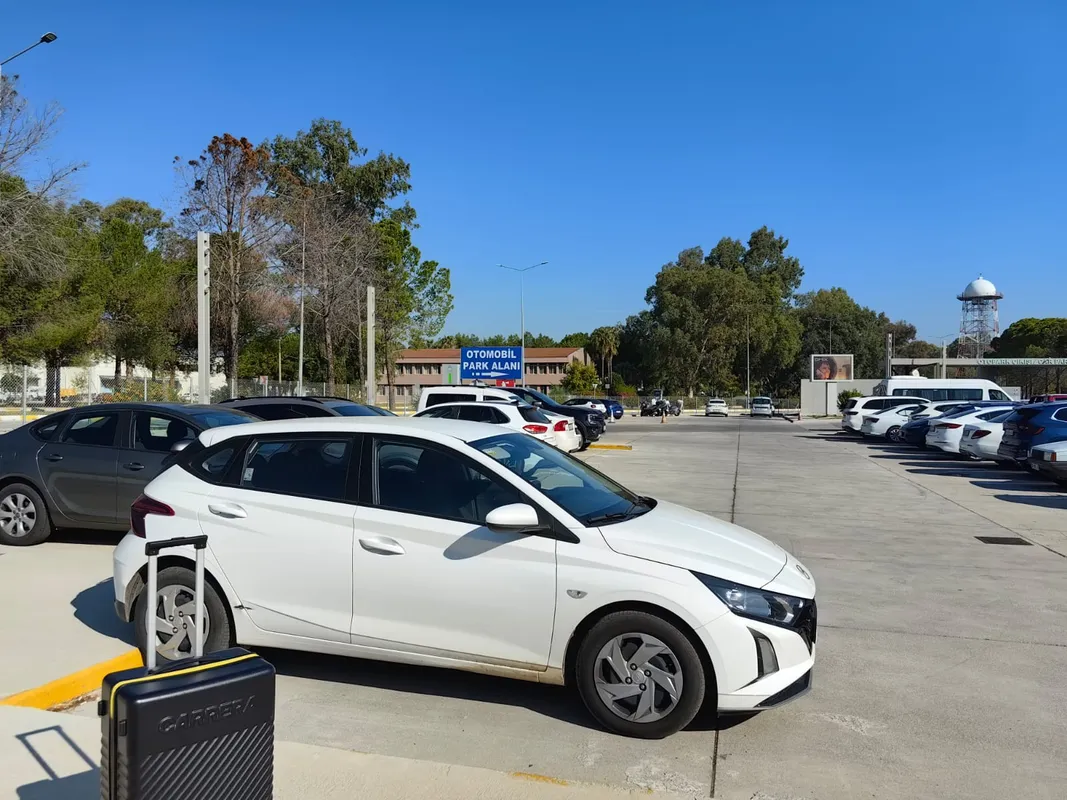
Dacia Duster en Turquía
Ha sido genial.

Citroen C-Elysee en Turquía
todo fue genial. El coche cumplió las expectativas. Opción económica. Pick up / drop off conveniente, fue rápido y sin problemas. Opción muy conveniente con depósito en efectivo. Gracias.
Citroen C3 en Turquía
todo fue bien. Volamos por la noche, nos recibieron y nos llevaron al aeropuerto. El coche era el que habíamos pedido y tampoco hubo problemas con el cambio

Renault Clio 4 en Turquía
Me trajeron otro coche de la misma clase y todo fue genial
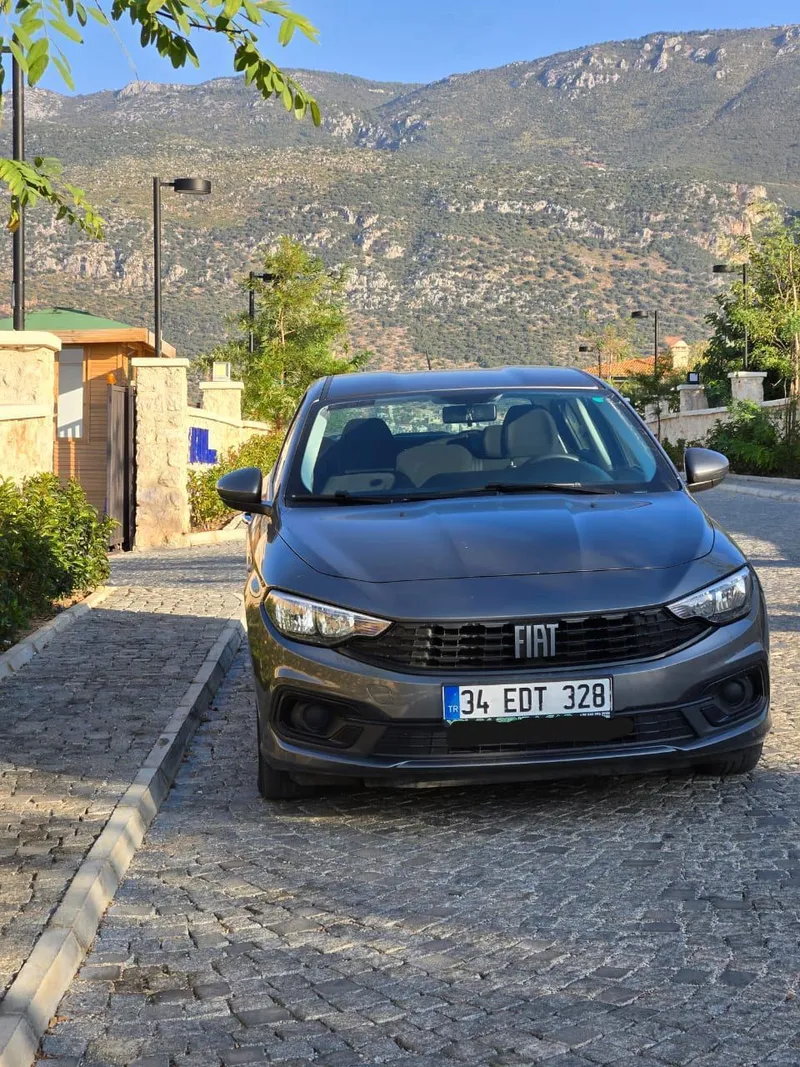
Renault Clio 5 en Turquía
Todo fue genial, recibimos el coche rápidamente y lo entregamos rápidamente. Después de entregarlo, lo condujimos hasta la parada de autobús ya que teníamos que volver a la ciudad.
Renault Taliant en Turquía
Todo bien, gracias.

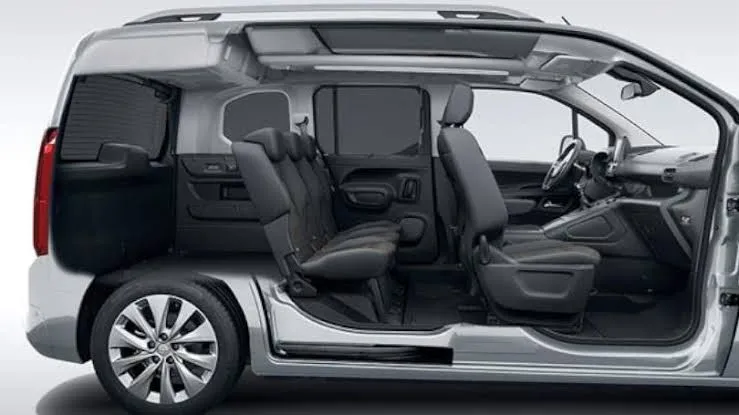
Opel Combo Life en Turquía
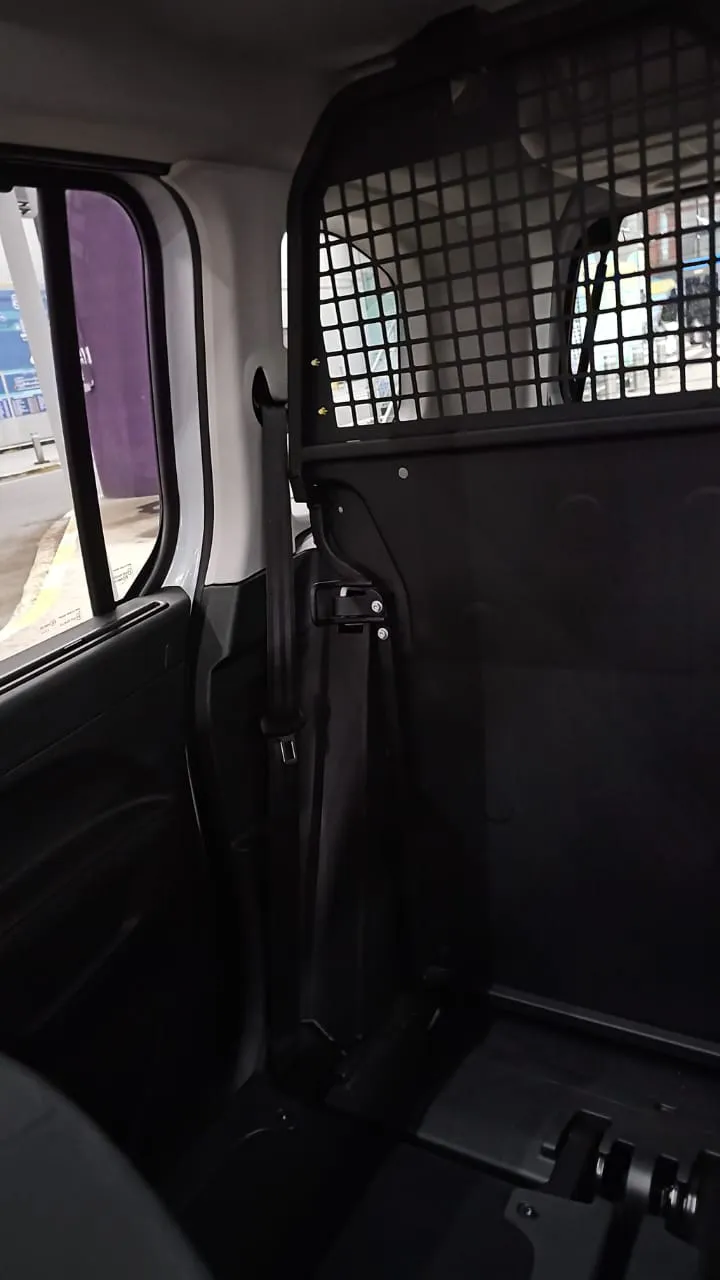
Todo fue bien, excepto un momento - cuando pregunté por las fotos del coche me mostraron una, y cuando el coche fue entregado - resultó que hay una rejilla metálica, y no estaba en las fotos que me enviaron.
Fiat Egea Multijet en Turquía
Gracias, por el servicio prestado, muy conveniente en el sitio ordenado en el aeropuerto de Antalya ya se reunió conmigo en el coche, nos dirigimos no muy lejos a la oficina de la empresa todo formalizado (depósito de $ 200) y me fui directamente a los apartamentos alquilados. Luego prolongué el alquiler del coche en WhatsApp y cuando tomé el billete de vuelta, dejé el coche y me llevaron al aeropuerto. Muy cómodo y favorable, muchas gracias ☺️.

Citroen Space Tourer en Turquía
Todo ha ido bien)
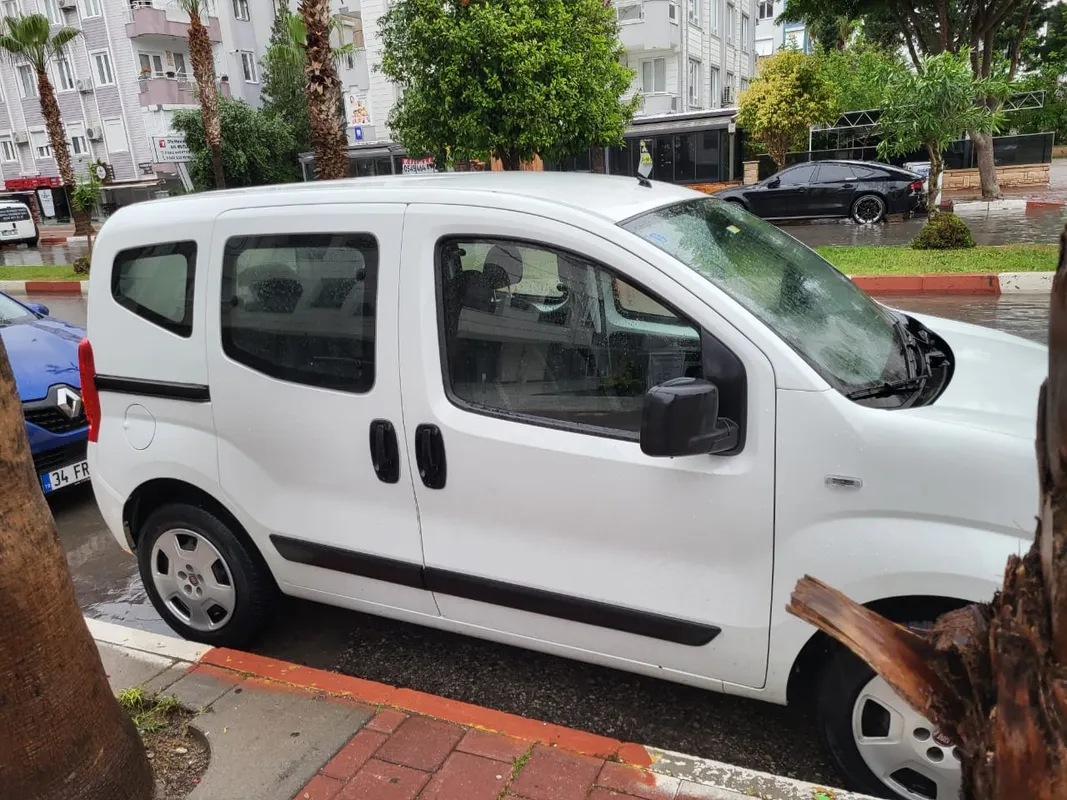
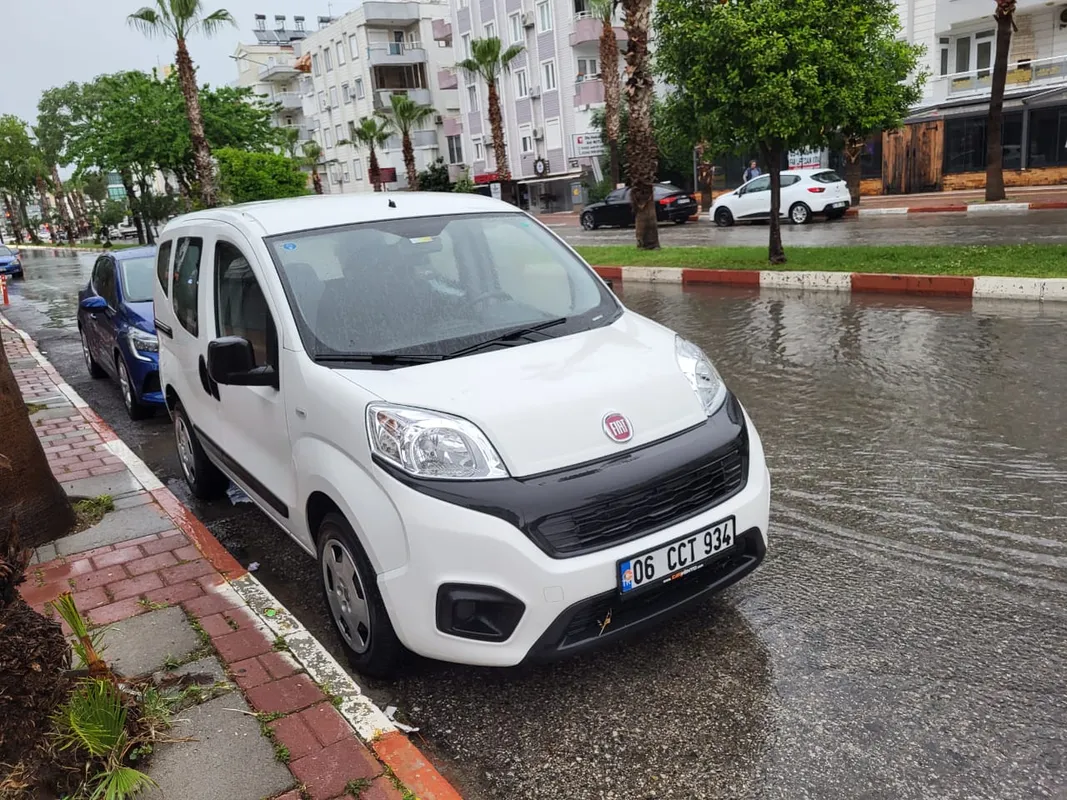
Fiat Fiorino en Turquía
La calidad del servicio y del coche fue excelente. Lo único que me gustaría mejorar es la notificación cuando un coche o servicio no está disponible. Al principio encontré un coche de alquiler barato en vuestra página web, lo reservé, hice un plan de viaje, avisé a mis amigos. Y de repente el coche no estaba disponible. Y no pude cambiar mis planes. Tuve que buscar urgentemente un sustituto, y el nuevo coche me costó el doble. Eso estropeó la impresión, pero no había tiempo para buscar otro más barato. Además, tuve que dedicar tiempo y esfuerzo a recuperar el dinero del antiguo alquiler. Me doy cuenta de que no es 100% culpa tuya, es culpa del propietario, pero. sería bueno que sólo pusierais ofertas de coches reales en la página, y que controlarais mejor y eliminarais los anuncios obsoletos. O penalizar a los propietarios sin escrúpulos.
Fiat Egea en Turquía
Muchas gracias. Todo fue muy bien, desde la recogida en el aeropuerto hasta la teleasistencia en carretera. El coche es nuevo y está en excelentes condiciones.

Fiat Egea Multijet en Turquía
Cómodos. Me recibieron, me llevaron a la oficina, me dieron un coche, después de alquilarlo me llevaron al aeropuerto. Tuvimos una rueda mala, pinchada en la carretera, tuvimos que comprar otra goma, nos devolvieron el dinero. Por lo demás ninguna queja, todo perfecto.

-
Reseñas verificadas en cada coche concreto
Veis cómo ha rendido este Egea o este Duster en particular, no solo la media del proveedor.
-
El precio del voucher es el precio final
Impuestos, seguro básico y tasas ya incluidos, sin recálculos en el mostrador.
-
Cancelación gratis hasta 7 días antes
Acordáis los detalles directamente con la persona que os entregará las llaves.
Peajes, puentes del Bósforo y HGS
Desde marzo de 2022 Turquía utiliza un único sistema de peaje en sus autopistas — HGS (Hızlı Geçiş Sistemi). Las barreras desaparecieron; en el punto de peaje no se acepta ni efectivo ni tarjeta. Cada coche de alquiler lleva adhesivo HGS activo en el parabrisas y el cargo se descuenta al pasar bajo el pórtico.
Bajo el pórtico HGS no hay que frenar. El adhesivo se lee a 30 km/h y a 110. Lo importante es que de verdad esté pegado al coche.
Puentes de Estambul
Las travesías del Bósforo tienen lógica propia. En los tres puentes colgantes — 15 Temmuz, Fatih Sultan Mehmet y Yavuz Sultan Selim — solo se paga en sentido Europa → Asia. La vuelta es gratis. El puente Osmangazi (autopista Estambul–Izmir) y el túnel Eurasia cobran en los dos sentidos.
Muchos pagan de más por planear ida y vuelta por el mismo puente. Si cruzáis a menudo, organizad el regreso por el 15 Temmuz: gratis en ese sentido.
Cuánto cuesta
Cifras orientativas: túnel Eurasia unos ₺225 de día, puente Osmangazi unos ₺795, Estambul–Ankara unos ₺150, Estambul–Izmir unos ₺500. Casi siempre existen alternativas gratuitas, pero suman entre 30 y 90 minutos al trayecto.
El HGS se liquida tras devolver el coche. Una pequeña comisión administrativa por encima es práctica normal; la nuestra figura en el contrato desde el primer día. Cada coche que ofrecemos lleva HGS activo, pero conviene confirmarlo en el momento de recoger.
Seguros, accidentes y fronteras
El seguro a terceros (TPL) es obligatorio por ley turca y va incluido en cada alquiler. El CDW básico también suele estar incluido, con franquicia: en caso de daño pagáis un importe fijo y el resto lo cubre la aseguradora. Exclusiones estándar: cristales, ruedas, llantas, bajos, interior.
Cerca del 70 % de los clientes contrata Full Coverage. En Estambul o en las curvas de Capadocia, 1.500 USD de franquicia es un simple roce en una aleta. La cobertura total quita ese riesgo por 8–15 USD al día.
Qué cubre el Super CDW
El Super CDW (Full Coverage en algunos proveedores) cubre cristales, ruedas, llantas y robo, y deja la franquicia en cero. No cubre conducir por encima de 0,5‰, pistas fuera de asfalto, peajes impagados ni grúa. En rutas de montaña es prácticamente estándar; en la costa de Belek, Side o Kemer muchos se quedan con el básico.
Qué hacer tras un accidente
Ante cualquier incidente, incluso un arañazo, llamad al 154 (policía de tráfico) y esperad. El parte policial es obligatorio — sin él, ningún seguro paga y la reparación sale de la fianza. No mováis el coche hasta que llegue la policía; avisad al proveedor en paralelo.
Una familia de Valencia intentó arreglar un golpe leve en un parking de Side sin avisar a nadie. Sin parte policial el seguro no se activó y la chapa salió de la fianza.
Cruce de fronteras
Por norma general no se permite. El seguro queda anulado en las fronteras con Grecia, Bulgaria, Armenia, Irán, Siria e Irak. Georgia es posible a veces con permiso por escrito y un recargo. Chipre del Norte se permite ocasionalmente en ferry desde Taşucu o Mersin con aprobación previa del proveedor.
Las tarifas en Turquía varían a lo largo del año dependiendo de la temporada y la duración del alquiler.
- enero
- febrero
- marzo
- abril
- May
- junio
- julio
- agosto
- septiembre
- octubre
- noviembre
- diciembre
- Ene
- Feb
- Mar
- Abr
- May
- Jun
- Jul
- Ago
- Sep
- Oct
- Nov
- Dic
 Qué tan caro es alquilar un coche en Turquía: tarifas diarias promedio para un alquiler de coche de una semana, en todas las clases de coches. Entrega en todo Turquía no incluida.
Preguntas frecuentes
Sí, entre las principales ciudades y aeropuertos, por ejemplo de Estambul a Antalya, de Antalya a Izmir o de Antalya a Dalaman. El recargo parte de 200–300 USD, según la distancia y el proveedor. En temporada alta la disponibilidad es limitada, así que conviene reservar pronto. No se permite devolver el coche fuera de Turquía.
No por ley, pero muy recomendados en el este, los montes Tauro, Capadocia y la costa del Mar Negro de noviembre a abril. Las cadenas son útiles de reserva en carreteras de montaña pronunciadas. Los clavos están prohibidos en toda Turquía. Para Antalya, Bodrum e Izmir, neumáticos de invierno suelen ser innecesarios.
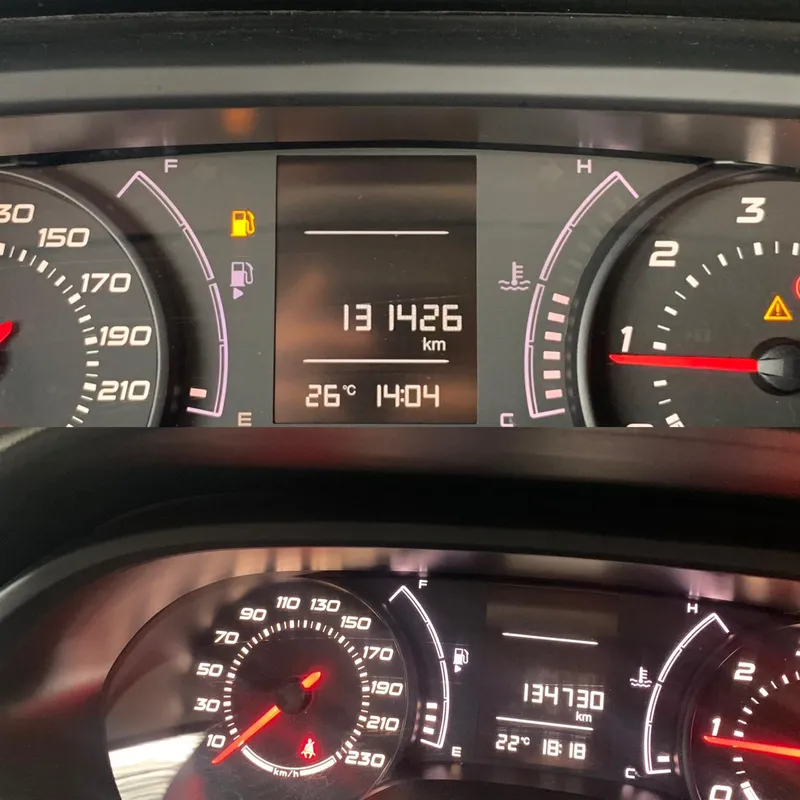
Sí, ocurre con más frecuencia en Turquía que en Europa occidental. Algunos proveedores entregan el coche con poco combustible y piden que se devuelva con el mismo nivel; la política lleno-lleno no es universal. Fotografía el indicador al recoger el coche y comprueba que el nivel quede anotado en el acta de entrega.
Con nuestros proveedores locales no. Una tarjeta de débito, Maestro o sin contacto basta para el adelanto por internet; el resto y la fianza reembolsable se pagan en efectivo al recoger (EUR, USD o liras turcas). La tarjeta de crédito a nombre del conductor solo la exigen las grandes cadenas internacionales. Las tarjetas de BBVA, Santander, CaixaBank o Revolut pasan sin problema.
Sí, directamente. El carné B europeo se acepta en todos los proveedores igual que un alemán o francés. El permiso internacional no hace falta — solo lo piden con permisos en alfabetos no latinos (por ejemplo, árabe o cirílico).
Los conductores españoles, no. El carné UE se acepta sin documento extra. El permiso internacional solo es relevante para permisos fuera de la UE en alfabeto no latino.
La edad mínima habitual es de 21 años y se exigen al menos dos años de experiencia. Para los vehículos de gama alta, los 4×4 y los monovolúmenes suelen exigirse 25 años. Los conductores de 21 a 24 años pagan un recargo de unos 10 USD al día. Normalmente no hay una edad máxima, aunque algunos proveedores solicitan un certificado médico a partir de los 70 años.
Depende de la categoría: unos 100 USD para un coche económico, 200–300 USD para uno de gama media y hasta 500 USD para un monovolumen. Con los proveedores locales suele pagarse en efectivo y se devuelve al entregar el coche sin daños. Algunas tarifas no exigen fianza si se contrata por adelantado la cobertura total.
Estambul IST sirve la ciudad y el noroeste. Sabiha Gökçen SAW está más cerca del lado asiático y es una base útil para Capadocia. Antalya AYT es el principal hub de la Riviera Turca y el más usado por las cadenas turísticas españolas. Dalaman DLM sirve Marmaris, Fethiye y Ölüdeniz; Bodrum BJV la costa egea; Izmir ADB cubre Éfeso y Çeşme.
HGS es el único sistema de peaje electrónico en autopistas turcas desde 2022. Cada coche lleva adhesivo activo y el cargo se descuenta al pasar bajo el pórtico. Cifras: Estambul–Ankara ~₺150, Estambul–Izmir ~₺500. El proveedor cobra el HGS tras la entrega con una pequeña comisión fija.
Solo cruzando Europa → Asia. Los tres puentes colgantes (15 Temmuz, Fatih, Yavuz) son gratis en sentido contrario. El puente Osmangazi en la autopista a Izmir y el túnel Eurasia bajo el Bósforo cobran en ambas direcciones. Pago únicamente por HGS — nada de efectivo ni tarjetas.
El límite indicado es de 0,5 ‰ si el conductor viaja solo y de 0,0 ‰ si lleva pasajeros. La primera infracción puede suponer una multa de unos 6.400 TRY y, si se supera el límite, el seguro queda invalidado. Para evitar riesgos, lo más prudente es no beber nada antes de conducir.
Sí. La legislación turca exige un atestado policial por cualquier daño, incluso un arañazo. Sin él, el seguro no cubre la reparación y el coste se descuenta de la fianza. No muevas el coche hasta que llegue la policía y avisa al proveedor al mismo tiempo; te indicará los pasos que debes seguir.
No se permite cruzar a Grecia, Bulgaria, Armenia, Irán, Siria o Irak — el seguro caduca en la frontera. Georgia a veces con permiso individual y suplemento de $100–200. Chipre del Norte ocasionalmente en ferry desde Taşucu o Mersin con aprobación escrita. La República de Chipre está cerrada para coches de alquiler turcos.
Sí, algunos proveedores turcos establecen un límite de 150–250 km al día, a diferencia del kilometraje ilimitado habitual en otros mercados europeos. El exceso cuesta aproximadamente entre 0,20 y 1 USD por kilómetro. Para rutas largas, como Estambul–Capadocia o Antalya–Pamukkale, elige una tarifa con kilometraje ilimitado.