


Recogida


Devolución
🎁 Utiliza el código WELCOME3 durante el proceso de compra para obtener descuento en tu primera reserva con nosotros. ¡Que lo disfrutes! ☀️

Alquiler de coches en Tailandia es la forma natural de aprovechar varias semanas sin atarse a un hotel. La mayoría de viajeros españoles vienen para una estancia larga: escape del frío entre noviembre y marzo, vacaciones de dos o tres semanas en Navidad, road trip por las islas. Con coche se ve mucho más que la playa del hotel — Tailandia es demasiado grande para conformarse con menos.
Desde España no hay vuelo directo a Bangkok, pero las conexiones son cómodas: Qatar Airways vía Doha, Lufthansa vía Frankfurt, Turkish Airlines vía Estambul salen a diario desde Madrid y Barcelona. En invierno, los grandes operadores como Halcón Viajes y Logitravel organizan chárter directos a Phuket. Los españoles entran con 60 días sin visado (sello al llegar, desde 2024). El carnet español, con caracteres latinos, lo aceptan nuestros socios.
Una pareja de Valencia voló a Phuket en febrero. Firmaron el contrato en el aparcamiento del HKT con un proveedor local — diez minutos y ya iban camino de Kata Beach.
TakeCars trabaja en cuatro puntos clave: Bangkok, Pattaya, Phuket y Koh Samui. En cada sitio: proveedores locales verificados, condiciones transparentes, fianza en efectivo o con tarjeta y entrega directa al terminal. La mayoría de nuestros clientes recoge el coche en el aeropuerto y se va a descansar; lo devuelven en el mismo punto unas semanas después, sin logística extra.
Precios y temporada
El precio depende de dos factores: modelo y duración. La clase económica (Toyota Yaris, Honda City, Nissan Note, Mitsubishi Mirage) empieza desde $21 (~19 €) al día en temporada baja; en alta (noviembre–febrero) cuesta $24–27. Los SUV y monovolúmenes Toyota Veloz o Mitsubishi Pajero — desde $57 a $71.
La duración es la principal palanca de ahorro. Un coche que en una semana cuesta $30 al día baja a $21–22 si lo coges 25–30 días. Para quienes pasan el invierno aquí —cada vez más españoles teletrabajando o jubilados— esta tarifa larga es la clave.
Un jubilado de Sevilla cogió un Honda City en noviembre por 35 días a $22/día. Salió más barato que dos semanas en julio en la Costa Brava, gasolina aparte.
La estacionalidad funciona también al revés. Del 25 de diciembre al 25 de enero es súper-pico: incluso los socios con 2 500 coches en flota necesitan 1–2 meses de antelación, si no, no queda nada. Esto coincide justo con las vacaciones de Navidad y Reyes en España — reservar antes del Black Friday es buena idea. Temporada baja (mayo–octubre): humedad y lluvia, pero precios 30–40% más bajos y el país casi vacío.
Una familia de Madrid se confió y reservó el 12 de diciembre para volar el 23. No quedaba ni un coche de siete plazas en toda la isla de Phuket. Acabaron con dos económicos y un puzzle de logística.
En mayo o junio puedes volar y arreglarlo todo al llegar. En febrero, mejor tener reserva confirmada antes de comprar el billete.
La mayoría de los turistas en Tailandia comienzan su viaje aquí
Dónde recoger y a dónde ir
Lo habitual es recoger el coche en el aeropuerto: Suvarnabhumi (BKK) y Don Mueang (DMK) en Bangkok, Phuket International (HKT) y Samui (USM, uno de los terminales más bonitos del país).
En Bangkok tenemos unos 40 modelos. La mayoría coge el coche en el aeropuerto y sale de la ciudad: dentro, el BTS Skytrain y Grab son más rápidos que el atasco. En la carretera a Pattaya, Hua Hin o Kanchanaburi el coche es imprescindible.
Una pareja de Barcelona recogió un Toyota Yaris en Don Mueang a las 22:00. Para la una de la madrugada ya estaban en Hua Hin. En Grab habrían pagado tres veces más, y nadie a esa hora.
En Phuket: unos 35 vehículos. La isla es el destino más popular entre los españoles que escapan del invierno y el coche aquí no es una opción turística, es vida diaria. En Koh Samui, 21 modelos. Toyota Yaris Ativ, Mitsubishi Attrage y Honda Brio son los caballos de batalla — en un día se hace toda la isla por la carretera circular.
Samui con coche es otra historia. Vuelta completa a la isla, parada en el Big Buddha, comida en Bang Po y vuelta a la playa antes del atardecer. Imposible con tuk-tuk.
Pattaya es base para excursiones a Ko Chang, Rayong y las playas de Jomtien. La ruta Bangkok–Pattaya es la única autopista de peaje en esa dirección (~$1–2 por peaje). En Phuket apenas hay buses entre las playas, y la entrega al hotel suele estar incluida con nuestros socios locales.

Nissan Note en Tailandia
todo es genial 👍🏻

Honda City en Tailandia
Todo bien pero nuestro coche se averió el primer día para no llegar al hotel en pattaya. Menos mal que no paso en la autopista. ¡Pero al día siguiente nos dieron otro coche mejor y todo fue bien!
Toyota Corolla Altis en Tailandia
Pago y reembolso sin problemas. Me puse en contacto con Joey a través de WA. El coche es horrible. ¡Sabía que no sería 2022 pero 2016 nunca habría registrado un coche tan viejo horrible! Faros amarillos tenues, sin Bluetooth, sólo radio y CD. Sin climatizador, sin ventilador en los asientos traseros. Rumor en la cabina todo el camino como un avión AN-24.

Honda City en Tailandia
Después de reservar me contactó inmediatamente un representante de la empresa de alquiler, todo fue rápido y claro. A mi llegada me recibieron y me acompañaron directamente al coche. Viajé durante un mes sin un solo problema, ¡todo fue genial! Una sola vez reventó una rueda, los tailandeses locales pararon y me ayudaron, luego llamé al propietario y lo solucionó todo literalmente en un par de horas. No tuve que pagar nada y en dos horas estaba de vuelta en la carretera. Quedé muy satisfecho. Sin duda volveré a contactar con vosotros, todo es honesto, cómodo y sin complicaciones.

Honda City en Tailandia
¡Alquilé un coche de esta empresa en Samui y fue una pasada! 🌟 Desde el principio todo fue super: personal amable, proceso de compra rápido y lo más importante un coche limpio, cómodo y a estrenar. 🚗 Recorrimos Samui sin problemas, disfrutando de las impresionantes vistas y del clima perfecto. 🏝️ Nos gustaría mencionar el servicio perfecto: la entrega del coche en el aeropuerto, la entrega del coche directamente en el hotel - todo fue sin problemas y rápidamente. ¡Y qué agradable fue devolver el coche sin cargos ocultos ni sorpresas desagradables! En general, todas las impresiones de alquiler de coches en Samui son positivas. Si estás buscando un socio fiable para viajar por la isla, ¡esta es sin duda tu elección! Volveremos aquí muchas veces más. 👍

Toyota Vios en Tailandia
Es un poco débil. Pedí un Toyota Vios y me dieron un Corolla Altis con más de 1 millón de kilómetros. A 100 kilómetros por hora, todo el coche empezó a vibrar. Un coche que da miedo
Honda City en Tailandia
Todo ha ido bien. El coche no es nuevo, pero no me defraudó.
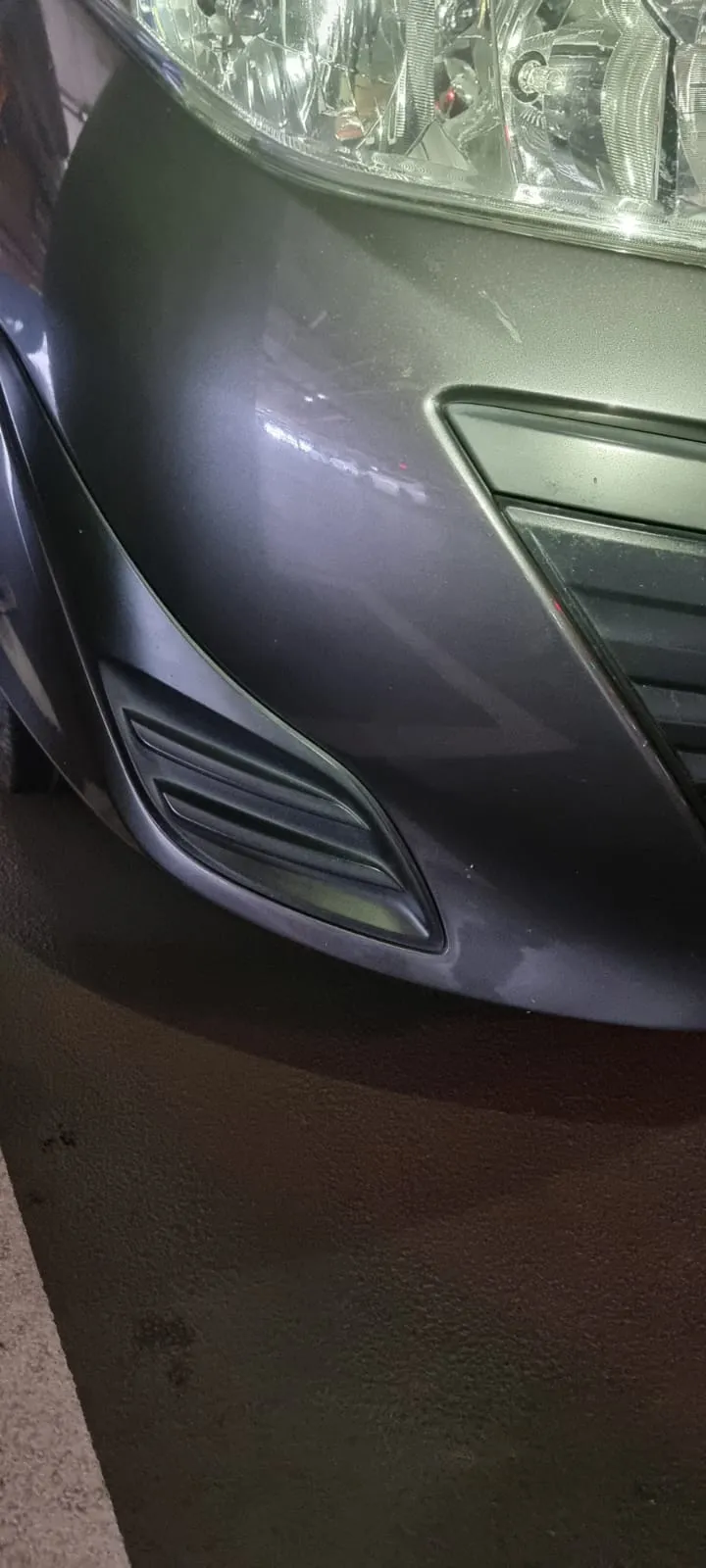
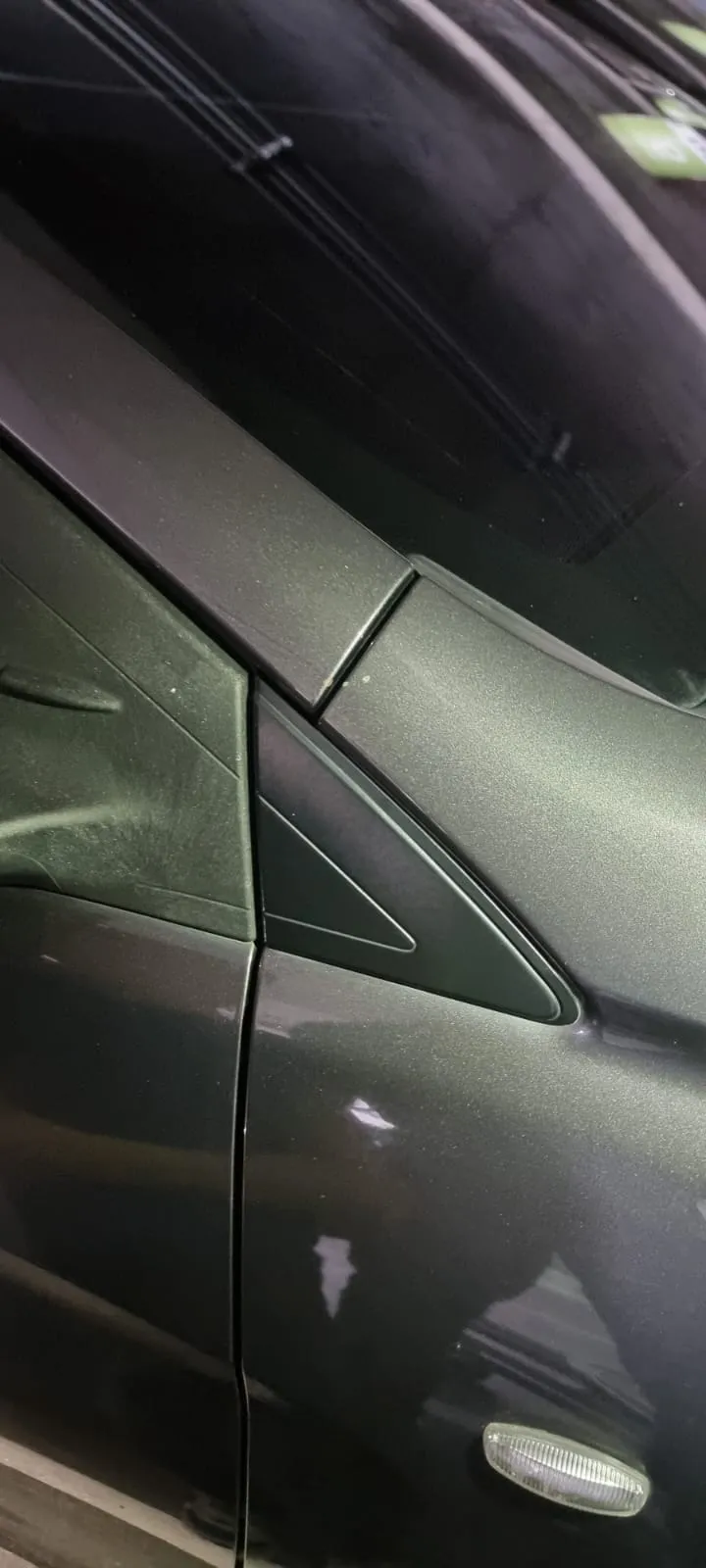
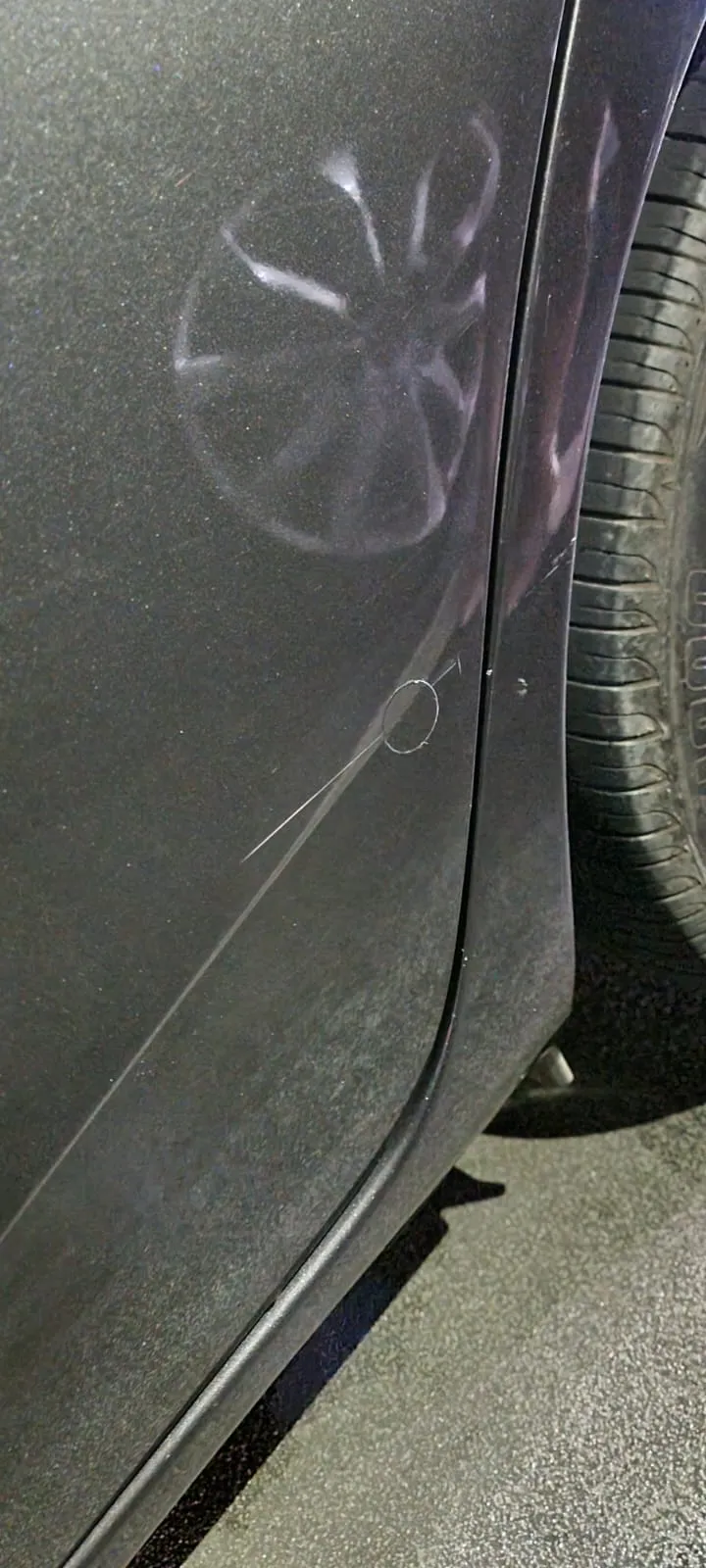

Toyota Yaris Ativ en Tailandia
Todo está muy bien.
Toyota Yaris Ativ en Tailandia
Todo fue muy bien, el coche nunca falló, quedamos satisfechos, no hay preguntas acerca de la organización también, bien hecho, me pondré en contacto con ustedes de nuevo

Toyota Yaris Ativ en Tailandia
Todo salió a la perfección. El coche estaba técnicamente en buen estado. El coche no me defraudó, lo conduje 2000 kilómetros. Todo fue perfecto, el coche fue entregado en el aeropuerto a tiempo. Devolución en Bangkok a mi dirección a tiempo. En general todo excelente.
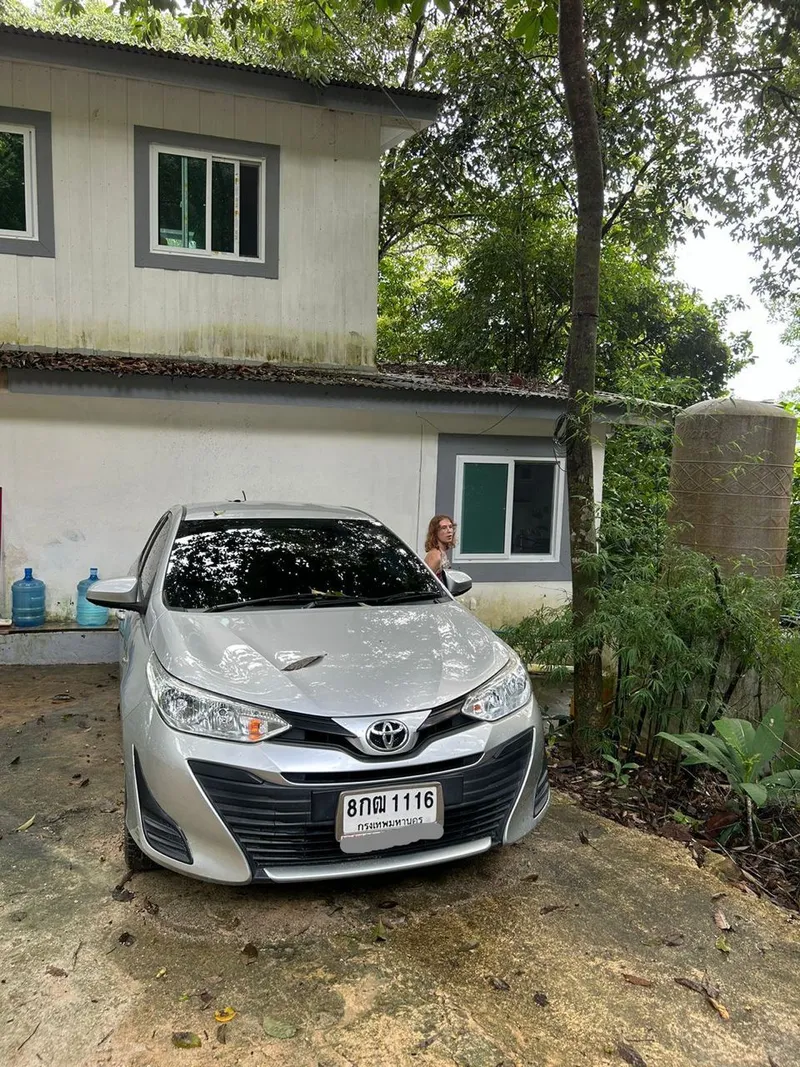
Toyota Yaris Ativ en Tailandia
Todo ha ido genial, gracias.

Toyota Yaris Ativ en Tailandia
Todo es estupendo, precio/máquina/alimentación es como se indica, sin problemas, estoy satisfecho

Toyota Veloz en Tailandia
Very good..nice Car condition 👍

-
Fianza y forma de pago
La fianza con nuestros socios es $85–145, aceptada en efectivo (USD o baht) o con bloqueo en tarjeta internacional.
-
Seguro a todo riesgo (Super CDW)
$3–17 al día te quita responsabilidad por daños y a menudo elimina la fianza.
-
Entrega al aeropuerto u hotel
En Bangkok suele ser de pago (~$100 ida por la ciudad); en Phuket y Samui los socios locales lo incluyen casi siempre.
Dinero: fianza, seguro, pago
Fianza
La fianza con nuestros socios es $85–145 según la clase — 2–3 veces menos que las grandes cadenas internacionales ($400–600 de bloqueo). Efectivo en baht o USD, o bloqueo en cualquier tarjeta internacional. Sin exagerar, una de las más bajas de la región.
Seguro
El precio del alquiler incluye siempre el seguro obligatorio de responsabilidad civil (CTPL) — exigido por ley tailandesa. Además recomendamos el seguro a todo riesgo (Super CDW) — $3–17 al día según el socio. Con él, la mayoría no pide fianza: eliges entre $17 al día o $145 congelados en la tarjeta. El seguro de viaje español típico no cubre daños al vehículo de alquiler, así que el Super CDW local es la solución más sencilla.
Una pareja portuguesa cogió el CDW básico en marzo y rozó una piedra en la carretera de Krabi. El parabrisas no entraba en la cobertura. La reparación costó casi tanto como toda la semana de alquiler.
Pago in situ
A los tailandeses les gusta el efectivo: aquí y ahora, sin esperar transferencias. Tarjeta también funciona, pero solo Visa o Mastercard internacional. Las tarjetas españolas funcionan en Tailandia sin restricciones, igual que en los cajeros. El pago anticipado online en nuestra web cierra los trámites antes incluso de despegar.
Conducir en Tailandia
Conducción por la izquierda
Volante a la derecha, circulación por la izquierda — como en Reino Unido, Japón y Australia. La mayoría de españoles no lo han hecho antes. Te acostumbras en 1–2 días. El truco: zonas tranquilas en los primeros trayectos, nada de hora punta en Bangkok el primer día.
Un conductor de Bilbao confesó que los tres primeros giros a la derecha en Phuket los hizo despacio. Al cuarto día llevaba a la familia por la carretera de la costa sin mirar el GPS.
El flujo de motos
Scooters y motos en Tailandia son un ecosistema aparte. En el tráfico hay siempre el doble de motos que de coches. Mira los retrovisores más a menudo que en casa y no cambies de carril sin contacto visual claro. Aparecen por ambos lados a la vez.
Tiempo y aparcamiento
En la temporada de lluvias (mayo–octubre) un chubasco tropical es lo normal, no una catástrofe. Veinte minutos bajo el toldo de una gasolinera y el cielo está despejado otra vez. Aparcar es más fácil que en la mayoría de ciudades españolas: en la playa, en el templo, en el centro comercial — casi todo gratis.
Combustible y multas
El litro de gasolina 95 cuesta unos $1,50. La mayoría de socios entrega el coche con depósito lleno y pide la devolución igual. Las multas son moderadas: exceso de velocidad ~$30, cinturón ~$15.
Si algo va mal
Un coche es una máquina y a veces se rompe. Con los socios locales esto se resuelve en minutos: línea 24/7, grúa en zona turística en 1–4 horas, coche de sustitución el mismo día.
Se quedó sin batería en la carretera cerca de Hua Hin. Llamamos al socio, en veinte minutos llegó un mecánico con una nueva y la cambió allí mismo, sin coste extra.
Cambio y upgrade gratis
Si el modelo reservado no está al entregar, damos upgrade sin coste. Un cliente reservó un Honda Civic 1.8 y esa misma noche salió del aeropuerto en un Toyota Camry 2.5 — sin recargo.
Accidentes leves
La primera regla: no mover el coche hasta que llegue la policía (191) y los representantes del seguro. Con el seguro a todo riesgo no hay preguntas financieras al cliente — reparación, sanidad, daños a terceros, lo cierra el socio.
Fronteras y devolución en otra ciudad
El coche de alquiler no puede cruzar frontera internacional: Laos, Camboya y Malasia están vetados. Dentro del país, libre. Devolver en otra ciudad es posible, pero con coste (Bangkok → Phuket ~$285). De Bangkok a Krabi, de Pattaya a Ko Chang — el contrato sólo cierra la frontera estatal.
Las tarifas en Tailandia varían a lo largo del año dependiendo de la temporada y la duración del alquiler.
- enero
- febrero
- marzo
- abril
- May
- junio
- julio
- agosto
- septiembre
- octubre
- noviembre
- diciembre
- Ene
- Feb
- Mar
- Abr
- May
- Jun
- Jul
- Ago
- Sep
- Oct
- Nov
- Dic
 Qué tan caro es alquilar un coche en Tailandia: tarifas diarias promedio para un alquiler de coche de una semana, en todas las clases de coches. Entrega en todo Tailandia no incluida.
Preguntas frecuentes
Económico — $21–27 al día según la temporada. SUV o siete plazas — desde $57 en temporada baja hasta $71 en alta. El alquiler largo (un mes o más) es 30–40% más barato por día; el súper-pico (25.12–25.01) es lo más caro — reserva con 1–2 meses de antelación.
Actualmente no hay vuelo directo regular desde Madrid o Barcelona. Las conexiones más cómodas son Qatar Airways vía Doha (DOH), Lufthansa vía Frankfurt (FRA) o Turkish Airlines vía Estambul (IST), todas con salida diaria desde MAD y BCN. En invierno hay chárter directo a Phuket con varios touroperadores españoles.
No, si tu estancia es de hasta 60 días. Desde 2024 los ciudadanos españoles entran con exención de visado de 60 días — sello en el aeropuerto, sin solicitud previa, gratis. El pasaporte debe tener validez mínima de 6 meses desde la entrada.
Para llegada en noviembre–febrero: 1–2 meses de antelación. Para súper-pico (25.12–25.01) aún antes — para el 20 de diciembre no suelen quedar coches ni en los socios mayores. En mayo–octubre se puede reservar más cerca de la fecha y las tarifas son 30–40% más baratas.
$85–145 según el socio y la clase del coche. Aceptada en efectivo (baht o USD) o con bloqueo en tarjeta internacional. Con el seguro a todo riesgo la mayoría no cobra fianza.
Pasaporte, carnet de conducir nacional con caracteres latinos (el carnet español lo cumple) y tarjeta o efectivo para la fianza. Recomendamos también el Permiso Internacional de Conducción (PIC) emitido por la DGT o el RACE, aunque nuestros socios no lo exijan formalmente.
Sí. Tailandia reconoce el Permiso Internacional según la Convención de Ginebra de 1949, que España ha ratificado. La DGT y el RACE lo emiten en el día. Con él se evita cualquier discusión con la policía tailandesa.
El obligatorio (responsabilidad civil con cobertura médica básica) está siempre incluido por ley tailandesa. El seguro a todo riesgo (Super CDW) es opcional — $3–17 al día. El seguro de viaje español típico no cubre daños al vehículo de alquiler, así que el Super CDW es sensato.
Por la izquierda — como en Reino Unido, Japón y Australia. Volante a la derecha. La adaptación lleva 1–2 días. Para los primeros trayectos, elige zonas tranquilas y no salgas directo a la hora punta de Bangkok.
No muevas el coche. Llama a la policía (191) y al socio del alquiler — todos tienen línea 24/7. Espera a la policía y a los representantes del seguro de ambos lados, fotografía todo. Con el seguro a todo riesgo el alquiler cierra la parte económica.
Con la mayoría de nuestros socios en Tailandia el kilometraje es ilimitado, sobre todo en aeropuertos y en alquileres largos. Cómodo para un road trip: cruzas medio país sin contar kilómetros.
Sí, con cuota de traslado. Dentro de la misma ciudad (aeropuerto Bangkok → hotel Bangkok) suele ser gratis o $5–15. Entre ciudades más caro: Bangkok → Phuket alrededor de $285. La mayoría lo devuelve donde lo recogió.
No. Cruzar una frontera internacional está prohibido en el contrato de todos los socios. Si tu ruta incluye otro país del Sudeste Asiático, devuelve el coche en frontera y alquila uno nuevo al otro lado.
Los contratos prohíben llevar el coche de alquiler al ferry de Samui o Pha-ngan — es una limitación técnica del seguro. Lo más cómodo es alquilar uno aparte ya en la isla: en Samui tenemos 21 modelos en flota con entrega desde el aeropuerto USM incluida.
Unos $1,50 por litro de 95 (~50–55 baht/litro). El diésel unos $0,10 más barato. PTT, Bangchak, Shell y Esso están por todas partes — te atienden y aceptan tarjeta y efectivo. La mayoría de socios entrega el coche con el depósito lleno y pide la devolución igual.