


Pickup


Atgriezties
🎁 Izmantot kodu WELCOME3 izrakstīšanās laikā, lai saņemtu atlaidi pirmajam rezervējumam pie mums. Izbaudiet! ☀️

Auto noma Turcijā dod iespēju pa nedēļu redzēt to, kāpēc cilvēki šurp lido — Likijas piekrasti, Kapadokiju, Pamukkale, Saklikentas aizu — un visu to bez piesaistes nevienai ekskursiju autobusa programmai. Attālumi ir lieli, ceļu tīkls ir labs, un lielākā daļa galvenajiem galamērķiem atrodas dažas stundas no lidostas.
Latvijas viesim auto kļūst par atvaļinājuma sastāvdaļu. Trīs vai četras dienas no „all inclusive" viesnīcas, lai aizbrauktu uz Pamukkale; divas nedēļas piekrastē starp Antāliju un Kašu; vai ātrs pārbrauciens starp pilsētām pussezonā, kad cenas krīt.
Ģimene no Rīgas pagājušajā jūlijā saņēma Egea pēc reisa numura Antālijā. Vaučers, atslēgas, video — un piecās minūtēs jau uz Aksu šosejas. Bez rindas, bez transfēra, bez slēptām maksām.
Maksājumi vienkārši: Visa, Mastercard, Maestro un bezkontakta strādā visur; kredītkarte vajadzīga tikai starptautiskajiem tīkliem, savukārt vietējie piegādātāji labprāt pieņem skaidras naudas depozītu EUR, USD vai Turcijas lirās. Lielākā daļa viesu maksā tiešsaistes priekšapmaksu 15–20%, lai apstiprinātu rezervāciju; atlikumu — pie saņemšanas.
Biežākais jautājums ir, vai patiešām vajag kredītkarti. Pie mums — nē. Gandrīz visiem vietējiem piegādātājiem pietiek ar debetkarti vai skaidru naudu.
Autoparks parasti sākas ar Fiat Egea — pārliecinoši izplatītāko nomas auto Turcijā — un sniedzas līdz astoņu vietu minivēniem ģimenēm. Lielākā daļa mašīnu ir 2020. gada vai jaunākas.
Kas vajadzīgs, lai nomātu auto
Pamati ir īsi: pase ar iebraukšanas spiedogu un derīga vadītāja apliecība. ES un EEZ apliecības tiek pieņemtas tieši — Latvijas vadītājiem nekādi papildu dokumenti nav vajadzīgi. Tas attiecas uz visu Turciju un visām nomas firmām — gan starptautiskajiem tīkliem, gan vietējiem piegādātājiem.
ES apliecība ir pilnīgi pietiekama. Viens no iemesliem, kāpēc Turcija ir tik ērts galamērķis Baltijas viesiem — bez papildu papīriem, bez tulkojumiem.
Minimālais vecums ir 21 gads ar vismaz divu gadu vadītāja stāžu. Premium modeļiem, 4×4 auto un minivēniem parasti vajag 25 gadus. Vadītāji līdz 25 maksā jauno vadītāju piemaksu — apmēram 10 USD dienā pie lielākās daļas vietējo piegādātāju.
Maksājumi ir draudzīgi Latvijas viesiem. Visa, Mastercard, Maestro, bezkontakta, Apple Pay un Google Pay strādā tiešsaistes priekšapmaksai. Pie saņemšanas vietējie piegādātāji pieņem arī skaidru naudu EUR, USD vai Turcijas lirās; starptautiskās lielās ķēdes pieprasa kredītkarti uz galvenā vadītāja vārda.
Paņemiet debetkarti un pāris simtus eiro skaidrā. Tas sedz gandrīz jebkuru kombināciju — priekšapmaksu, degvielas papildināšanu vai kafiju lidostā.
Pirms aizbraucat no autostāvvietas, salīdziniet auto ar vaučeru: modelis, gads, ātrumkārba, degvielas veids. Klusas „tās pašas klases" nomaiņas augstajā sezonā tiešām notiek.
Lielākā daļa tūristu Turcijā sāk savu ceļojumu šeit
Cik maksā auto noma
Cenas seko sezonai. Zemajā sezonā Fiat Egea — izplatītākais nomas auto Turcijā — sākas no 8–10 USD dienā ar mehānisko ātrumkārbu un 12–15 USD ar automātisko. Vidējās klases modeļi, piemēram, Renault Megane vai Hyundai i30, ir 12–20 USD. Ģimenes minivēni — 60–80 USD.
Augstajā sezonā (jūnijs–septembris) cenas pieaug aptuveni trīskārt: Egea no 35 USD, vidējā klase 45–55 USD, minivēni 120–180 USD. Piekrastē jūlijā un augustā labākie auto tiek izrezervēti divas trīs nedēļas iepriekš, tāpēc Bodrumā vai Antālijā nomu jārezervē savlaicīgi.
Augusts Antālijā ir izpārdots mēnesi iepriekš. Ja lidojat augstajā sezonā, negaidiet, līdz nosēžaties — paliksiet ar to, kas atlicis, un sliktāku cenu.
Papildus dienas tarifam vaučerā parasti ietverts: OCTA (Turcijas likumā paredzētā), pamata KASKO, lidostas piemaksa, brīvprātīgais pilnais segums, jaunā vadītāja piemaksa un vienvirziena maksa, ja atdodat auto citviet. Maksas ceļi un sodi tiek izrakstīti vēlāk ar nelielu administratīvo maksu.
Cena vaučerā ir cena, ko maksājat. Ja kaut kas nav norādīts atšifrējumā, tas neparādīsies arī rēķinā.
Skaidras naudas depozīts atkarīgs no auto klases: aptuveni 100 USD ekonomijai, 200–300 USD vidējai klasei un līdz 500 USD minivēnam. Daži piegādātāji piedāvā nulles depozīta tarifus — maksājat par pilno segumu, un depozīts netiek turēts vispār.

Fiat Egea Turcijā
Man bija nepieciešama automašīna tālsatiksmes braucienam pa Turciju. Man bija šī pieredze, un es sapratu, ka tas nebūs viegls uzdevums. Ar šo organizāciju viss noritēja gludi un godīgi. Neskatoties uz to, ka es ierados vēlu vakarā, lai paņemtu automašīnu, viņi mani gaidīja. Cena bija zema un nemainījās uz augstāku pusi. Es saņēmu automašīnu, par kuru biju vienojies, automašīna bija jauna. Es neatstāju depozītu. Ceļojuma laikā man vajadzēja pagarināt nomas termiņu vēl uz 3 dienām, mani uzreiz uzņēma un mēs ātri vienojāmies pa tālruni. Turku viesmīlība un draudzīgums kopā ar augstu profesionalitātes līmeni. Labāk nevarēja būt
Fiat Egea Multijet Turcijā
Viss noritēja labi, saskaņā ar plānu, jauki izpalīdzīgi cilvēki. Automašīna attaisnoja cerības. Es to ieteiktu visiem. Paldies!
Dacia Sandero Stepway Turcijā
Man patika viss ļoti daudz, vienīgā lieta, man bija jāgaida ilgu laiku, lai apstiprinātu rezervāciju par automašīnu! Citādi viss ir super, es arī turpmāk izmantošu jūsu pakalpojumus!
Renault Clio 5 Turcijā
Viss gāja lieliski, paldies!
Dacia Duster Turcijā
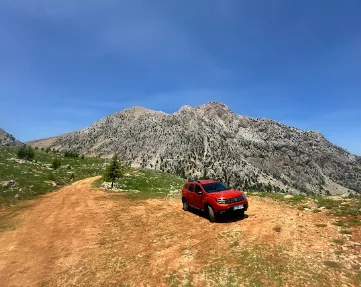
Automašīna bija labā stāvoklī, saprātīgākais variants, ja vēlaties ceļot pa Turciju. Kopējais automašīnas rezervēšanas, saņemšanas un atgriešanas process arī bija ļoti ātrs un ērts ar pilnu biroja atbalstu. Paldies!

Fiat Egea Turcijā
Viss gāja labi, paņēma no lidostas un atgriezās pēdējā dienā, ieteiktu!!!!
Renault Clio 5 Turcijā
Viss ok, nav problēmu
Opel Corsa Turcijā
Viss noritēja perfekti un bez jebkādām problēmām 👌🏼 automašīna tika izsniegta tieši tāda, kādu es rezervēju. Vienīgais, ko es vietnē izvēlējos un samaksāju par tarifu ar pilnu korpusa apdrošināšanu un aizsardzību pret visiem bojājumiem, patiesībā man bija papildus jāmaksā par aizsardzību pret bojājumiem lukturiem un riepām 30 USD par visu periodu. Šis brīdis mani mazliet sarūgtināja
Renault Clio 5 Turcijā
Man patika pakalpojums, jautājums par nomas grafika maiņu tika atrisināts nekavējoties. Automašīna ir jauna un tīra. Paldies

Toyota Corolla Sedan Turcijā
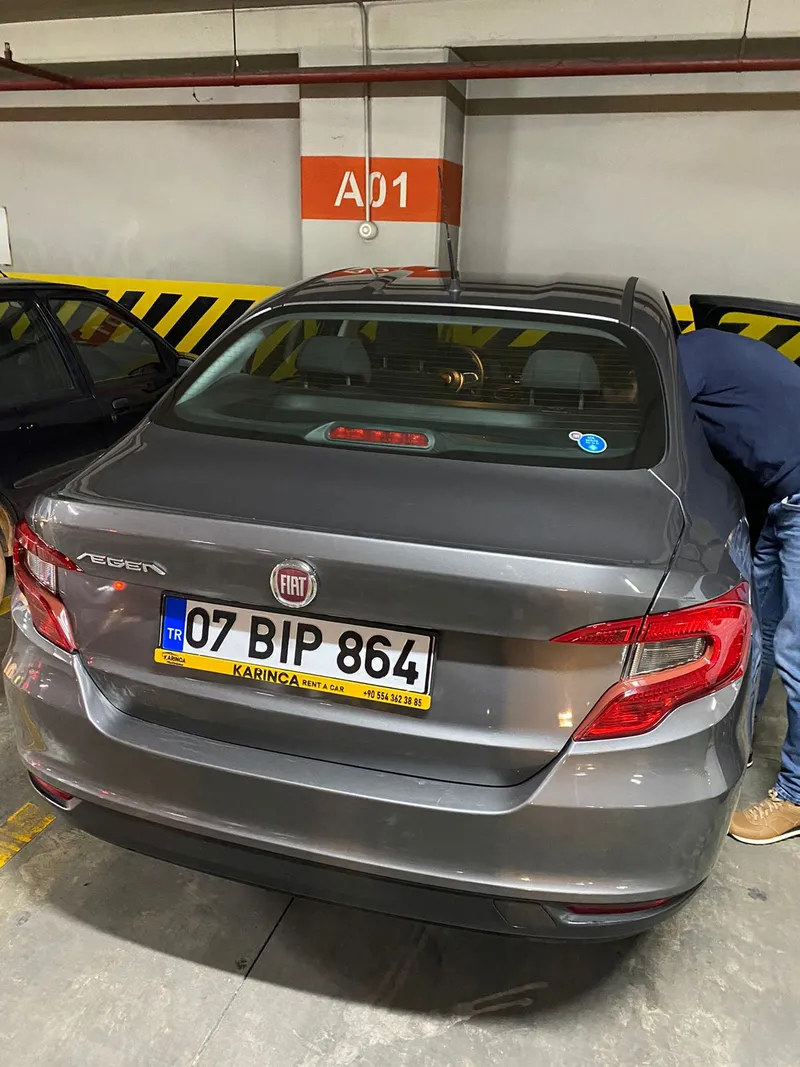
Viss noritēja labi, taču Toyota Corolla vietā saņēmām Fiat Aegea, jo, pēc izīrētāja teiktā, Toyota bija bojāta. Automašīna mums patika, sūdzību nav.
Renault Clio 5 Turcijā
Viss bija labi, Clio neparādījās, bet viņi mums deva augstākas klases automašīnu par to pašu cenu!
Hyundai Accent Sport Sedan Turcijā
Mums viss patika, mēs sazināsimies vēlreiz un ieteiksim draugiem!

Fiat Fiorino Turcijā
Viss ir kārtībā. Personāls ir pieklājīgs. Vienīgais, ka mēs ielidojām bez savienojuma. Mums nācās to pieslēgt, lai piezvanītu uzņēmumam. Viņi mūs nesagaidīja un pat nezināja, kurā terminālī.

-
Pārbaudītas atsauksmes par katru konkrēto auto
Redzat, kā tieši šis Egea vai šis Duster ir kalpojis, nevis tikai piegādātāja vidējo vērtējumu.
-
Cena vaučerā ir galīgā cena
Visi nodokļi, pamata apdrošināšana un maksas jau iekļauti — nekādu pārrēķinu pie letes.
-
Bezmaksas atcelšana līdz 7 dienām pirms saņemšanas
Plus tieša saziņa ar piegādātāju; detaļas saskaņojat ar to pašu cilvēku, kas nodos atslēgas.
HGS un Bosfora tilti
Kopš 2022. gada marta Turcijā darbojas vienota maksas ceļu sistēma — HGS (Hızlı Geçiş Sistemi). Barjeras ir nojauktas; ne skaidra nauda, ne kartes maksāšanas punktā netiek pieņemtas. Katram nomas auto uz vējstikla ir aktīva HGS uzlīme, un maksa tiek atskaitīta automātiski, braucot zem gantrijas.
Pie maksas portāla pat nav jāsamazina ātrums. Uzlīme nolasās gan pie 30 km/h, gan pie 110 — galvenais, lai tā tiešām atrodas uz auto.
Stambulas tilti
Bosfora šķērsošanai ir sava loģika. Uz trim tiltiem — 15 Temmuz Şehitler, Fatih Sultan Mehmet un Yavuz Sultan Selim — maksā tikai vienā virzienā, no Eiropas uz Āziju. Atpakaļ — bez maksas. Osmangazi tilts (uz Stambulas–Izmiras maģistrāles) un Eirāzijas tunelis zem Bosfora iekasē maksu abos virzienos.
Daudzi pārmaksā, jo plāno turp un atpakaļ pa to pašu tiltu. Ja regulāri šķērsojat Bosforu, atpakaļceļam izvēlieties 15 Temmuz — tas ir bez maksas.
Cik tas maksā
Aptuvenas cifras: Eirāzijas tunelis dienā aptuveni 225 ₺, Osmangazi tilts aptuveni 795 ₺, Stambula–Ankara aptuveni 150 ₺, Stambula–Izmira aptuveni 500 ₺. Bezmaksas alternatīvas ir gandrīz visur, bet tās pievieno 30–90 minūtes.
HGS tiek izrakstīts pēc auto atgriešanas. Maza administratīvā maksa virsū ir parasta prakse — pie mums tā ir fiksēta līgumā no pirmās dienas, bez pārsteigumiem vēlāk. Pie saņemšanas joprojām vērts pārbaudīt, ka uzlīme ir savā vietā.
Apdrošināšana un robežas
OCTA (TPL) Turcijas likumā prasīta un iekļauta katrā nomā. Pamata KASKO (CDW) parasti arī ir komplektā, ar pašrisku: bojājumu gadījumā maksājat fiksētu summu, pārējo sedz apdrošinātājs. Standarta izņēmumi: stikls, riteņi, diski, apakša, salons.
Aptuveni 70% viesu izvēlas pilno segumu. Stambulā vai uz Kapadokijas serpentīniem 1500 USD pašrisks ir viens skrāpējums uz spārna. Pilnais segums noņem šo risku par 8–15 USD dienā.
Ko sedz pilnais segums
Pilnais segums (Super CDW) sedz stiklu, riteņus, diskus un zādzību, kā arī nullē pašrisku. Tas nesedz braukšanu reibumā virs 0,5‰, braukšanu ārpus asfalta, neapmaksātus maksas ceļus vai vilkšanu. Kalnu maršrutiem tas ir standarts; piekrastē Belekā, Saidā vai Kemerā daudzi paliek pie pamata seguma.
Ko darīt pēc negadījuma
Pēc jebkura incidenta, pat neliela skrāpējuma, zvaniet 154 (satiksmes policija) un gaidiet. Policijas protokols ir obligāts — bez tā apdrošināšana neizmaksā, un remonts tiek noņemts no depozīta. Nepārvietojiet auto, kamēr nav ieradusies policija; paralēli paziņojiet piegādātājam.
Bez policijas protokola Turcijas apdrošināšana vienkārši nedarbojas — īrnieks paliek viens ar rēķinu.
Robežas šķērsošana
Parasti nav atļauta. Apdrošināšana zaudē spēku pie robežām ar Grieķiju, Bulgāriju, Armēniju un Irānu. Gruziju dažreiz var ar rakstisku atļauju. Ziemeļkipru ar prāmi no Tašukas reizēm atļauj — to jārunā ar piegādātāju iepriekš.
Auto nomas cena Turcijā ir atkarīga no sezonas un nomas ilguma.
- janvāris
- februāris
- marts
- aprīlis
- Maijs
- jūnijs
- jūlijs
- augusts
- septembris
- oktobris
- novembris
- decembris
- Jan
- Feb
- Mar
- Apr
- Maijs
- Jun
- Jūlijs
- Aug
- Sep
- Oktobris
- Novembris
- Dec
 Cik maksā auto noma Turcijā: vidējā cena par dienu visām automašīnu klasēm, rezervējot uz 7 dienām.
Biežāk uzdotie jautājumi
Jā, starp lielajām pilsētām un lidostām — Stambula ↔ Antālija, Antālija ↔ Izmira, Antālija ↔ Dalamana un citiem līdzīgiem maršrutiem. Vienvirziena maksa sākas no 200–300 USD atkarībā no attāluma un piegādātāja. Augstajā sezonā šīs automašīnas ātri tiek rezervētas, tāpēc rezervējiet savlaicīgi. Starptautiskā vienvirziena noma ārpus Turcijas nav atļauta.
Likumā tās nav prasītas, bet tās ir ļoti ieteicamas austrumu Turcijā, Tauru kalnos, Kapadokijā un Melnās jūras piekrastē no novembra līdz aprīlim. Sniega ķēdes ir noderīgas kā rezerve uz stāviem kalnu ceļiem. Radžu riepas ir aizliegtas visā Turcijā. Antālijai, Bodrumai un Izmirai ziemas riepas parasti nav vajadzīgas.
Turcijā tas notiek biežāk nekā Rietumeiropā. Daži iznomātāji nodod auto ar minimālu degvielas daudzumu un lūdz atdot to pašu — „pilna–pilna" konvencija šeit nav vispārēja. Saņemot nofotografējiet degvielas mērītāja rādījumu un pārliecinieties, ka degvielas līmenis ir ierakstīts apskates lapā.
Pie mūsu vietējiem piegādātājiem — nē. Tiešsaistes priekšapmaksai pietiek ar debetkarti, Maestro vai bezkontakta karti, un atlikušo summu un atmaksājamo drošības naudu var samaksāt skaidrā naudā pie saņemšanas (EUR, USD vai Turcijas lirās). Kredītkarte uz galvenā vadītāja vārda vajadzīga tikai lielajiem starptautiskajiem nomas uzņēmumiem.
Jā, ir. ES un EEZ apliecības tiek pieņemtas tieši — papildu dokumenti nav vajadzīgi. Tas attiecas uz visu Turciju un visiem nomas uzņēmumiem. Tāpēc Turcija ir vienkāršs galamērķis Latvijas viesiem — bez starptautiskās apliecības, bez tulkojumiem.
Latvijas vadītājiem — nē. ES apliecība ir pietiekama gan pie lielajiem tīkliem, gan vietējiem piegādātājiem. SVA varētu prasīt tikai tiem, kuru vadītāja apliecībā izmantots cits raksts. Latvijas vadītājiem to nav nepieciešams iegādāties — tā nav vajadzīga.
21 gads ar vismaz divu gadu vadītāja stāžu. Premium klases automašīnām, 4×4 un minivēniem parasti vajadzīgi 25 gadi. Vadītājiem 21–24 gadu vecumā maksā jaunā vadītāja piemaksu aptuveni 10 USD dienā. Augšējais vecuma ierobežojums reti pastāv, lai gan daži piegādātāji virs 70 lūdz medicīnisko izziņu.
Drošības naudas apmērs ir atkarīgs no auto klases: aptuveni 100 USD ekonomiskās klases automašīnām, 200–300 USD vidējai klasei un līdz 500 USD minivēnam. Pie vietējiem piegādātājiem drošības nauda parasti tiek samaksāta skaidrā naudā un atdota uz vietas, kad auto tiek nodots neskarts. Ir pieejami arī nulles depozīta tarifi, ja iepriekš samaksājat par pilno segumu.
Stambulas IST der pilsētai un ziemeļrietumiem. Sabiha Gökçen SAW ir tuvāka Āzijas pusei un noderīga bāze Kapadokijai. Antālijas AYT ir galvenais Turcijas Rivjēras mezgls. Dalamanas DLM apkalpo Marmarisu, Fetiju un Ölüdenizu; Bodrumas BJV — Egejas piekrasti; Izmiras ADB — Efesu un Česmu. No Rīgas (RIX) lido airBaltic un čarterreisi uz AYT, BJV un DLM.
HGS ir vienīgā elektroniskā maksas ceļu sistēma uz Turcijas maģistrālēm kopš 2022. gada. Katram nomas auto ir aktīva uzlīme, un maksa tiek atskaitīta, braucot zem maksas iekasēšanas portāla. Aptuvenās summas: Stambula–Ankara aptuveni 150 ₺, Stambula–Izmira aptuveni 500 ₺. Iznomātājs HGS maksas iekļauj rēķinā pēc auto atgriešanas ar nelielu administratīvo maksu, kas fiksēta līgumā.
Jāmaksā, tikai šķērsojot no Eiropas uz Āziju. Trīs piekares tilti (15 Temmuz, Fatih, Yavuz) pretējā virzienā ir bez maksas. Osmangazi tilts uz Izmiras maģistrāles un Eirāzijas tunelis zem Bosfora iekasē maksu abos virzienos. Maksāt var tikai caur HGS — ne skaidra nauda, ne kartes maksāšanas punktā netiek pieņemtas.
0,5‰ vadītājam, kurš automašīnā brauc viens, un 0,0‰, ja kaut viens pasažieris — pieaugušais vai bērns — atrodas automašīnā. Šis noteikums daudzus tūristus pārsteidz. Motocikliem, furgoniem un jebkurai kombinācijai ar piekabi ir 0,2‰ ierobežojums. Sods par pirmo pārkāpumu — aptuveni 6400 ₺, un jebkura apdrošināšana zaudē spēku pārsniedzot 0,5 ‰.
Jā. Turcijas likums prasa policijas protokolu (zvaniet 154, satiksmes policijai) par jebkuru bojājumu, ieskaitot skrāpējumu. Bez tā apdrošinātājs atlīdzību neizmaksās, un remonta izmaksas tiek segtas no depozīta. Nepārvietojiet auto, kamēr nav ieradusies policija. Paralēli paziņojiet piegādātājam — tas palīdzēs uz vietas.
Braucieni uz Grieķiju, Bulgārijā, Armēnijā, Irānā, Sīrijā vai Irākā nav atļauta — apdrošināšana pie robežas zaudē spēku. Uz Gruziju dažreiz var doties ar individuālu atļauju un piemaksu 100–200 USD. Brauciens uz Ziemeļkipru dažreiz ir atļauts ar prāmi no Tašukas vai Mersinas ar rakstisku atļauju. Kipras Republikā ar Turcijā nomātu automašīnu iebraukt nevar.
Bieži vien jā: daži Turcijas iznomātāji nosaka 150–250 km ierobežojumu dienā, kas atšķiras no neierobežotā nobraukuma, kas ir standarts lielā daļā Eiropas. Par pārsniegumu jāmaksā 0,20–1 USD par km. Gariem maršrutiem, piemēram, Stambula–Kapadokija (730 km) vai Antālija–Pamukkale (240 km), rezervējot izvēlieties neierobežota nobraukuma tarifu.