


Pikap


Dönüş
🎁 Bizimle ilk rezervasyonunuzda indirim almak için ödeme sırasında WELCOME3 kodunu kullanın. İyi eğlenceler! ☀️

Tayland'da araç kiralama tek bir gezi meselesi değil; önümüzdeki haftalarınızı nasıl geçireceğinizin temelidir. Misafirlerin çoğu uzun süreli gelir: Kasım–Mart kışlık kaçışları, iki-üç haftalık tatiller, adalar arasında arkadaşlarla uzun yol gezileri. Arabayla seçenek katlanır — Phi Phi takımadasından Kuzey'in Chiang Mai dağlarına kadar.
Türkiye'den Bangkok'a ulaşım rahat: Türk Hava Yolları her gün İstanbul (IST)–Bangkok (BKK) arasında Airbus A350 ile direkt uçuyor, yaklaşık 10 saatlik bir uçuş. Kışın Setur, Jolly Tur, Tatilbudur gibi tur operatörleri Phuket'e (HKT) charter sefer ekliyor. Türk vatandaşları 60 gün vizesiz giriş yapıyor (2024'ten beri, havalimanında damga). Latin alfabesindeki Türk ehliyeti tüm partnerlerimizce kabul ediliyor.
Geçen kasımda İstanbul'dan gelen bir çiftle Suvarnabhumi'de buluştuk, sözleşmeyi kapotun üstünde imzaladık, on dakika sonra Hua Hin yolundaydılar. Büyük zincirlerin servis kuyruğu daha yeni dağılıyordu.
TakeCars dört ana lokasyonda çalışıyor: Bangkok'ta araç kiralama, Pattaya'da araç kiralama, Phuket'te oto kiralama ve Koh Samui'de araç kiralama. Hepsinde aynı temel: doğrulanmış yerel partnerler, şeffaf sözleşme, nakit veya kart ile düşük depozito, terminale teslim.
Fiyatlar ve sezon
Kiralama fiyatı iki etkene bağlı: model ve süre. Ekonomik sınıf (Toyota Yaris, Honda City, Nissan Note, Mitsubishi Mirage) düşük sezonda $21 (~830 TL) günden başlıyor; yüksek sezonda (Kasım–Şubat) aynı araç $24–27. SUV ve yedi koltuklu Toyota Veloz ya da Mitsubishi Pajero — düşük sezonda $57, yüksek sezonda $71.
Süre, tasarrufun en büyük kaldıracıdır. Haftalık rezervasyonda günde $30 olan araç, 25–30 günlük pakette $21–22'ye düşer. Müşterilerin çoğu üç hafta ve üstü rezervasyon yapıyor; fiyat sistemi uzun süreli kiralama üzerine kurulu.
Geçen yıl temmuzun başında en ucuz boş araç Pattaya'da $32/gün otomatik bir Mitsubishi Mirage'dı. Cuma akşamına kadar o da gitmişti. 4–6 hafta önceden tutmak iyidir.
Sezonsallık ters yönde de işliyor. 25 Aralık – 25 Ocak süper-zirve: 2.500 araçlık filosu olan partnerlerde bile bu tarihler için 1–2 ay önceden rezervasyon şart, aksi halde elimizde hiçbir şey kalmıyor. Düşük sezon Mayıs–Ekim — nem ve yağmur var, ama fiyatlar %30–40 daha düşük ve ülke neredeyse boş.
Aralık veya Ocak için uçacaksanız bilet alır almaz aracı bağlayın. 20 Aralık'tan sonra büyük partnerlerde boş araç bulmak şans işi.
Çoğu turist Tayland'da gezisine buradan başlar
Üsler ve rotalar
Araç en sık havalimanından alınıyor: Bangkok'ta Suvarnabhumi (BKK) ve Don Mueang (DMK), Phuket International (HKT) ve Samui (USM — ülkenin en sevimli terminallerinden biri).
Bangkok'ta araç kiralama — filoda yaklaşık 40 model. Çoğu misafir aracı şehirden çıkmak için alır: merkezde BTS ve Grab trafikten hızlıdır. Ama Pattaya, Hua Hin ya da Kanchanaburi yolunda araç vazgeçilmez.
İstanbul'dan gelen bir aile Suvarnabhumi'de bir Toyota Yaris aldı, doğrudan Hua Hin'e yola çıktı. Merkezde araba aramaktan daha pratik olduğunu söylediler — otel önünde değil, otele giderken kullanmak istemişlerdi.
Phuket'te oto kiralama — yaklaşık 35 araç. Phuket Türk turistlerin gözde kış destinasyonlarından biri; burada araç bir tatil aksesuarı değil, adanın olağan parçası.
Koh Samui'de araç kiralama — filoda 21 model. Toyota Yaris Ativ, Mitsubishi Attrage ve Honda Brio en çok çalışan modellerdir. Bir günde çevre yolundan adayı dolaşırsınız.
Pattaya'da araç kiralama — Ko Chang, Rayong ve Jomtien plajlarına çıkışlar için üs. Bangkok–Pattaya bu yöndeki tek ücretli otoyoldur (~$1–2 gişe başı).
Phuket'te plajlar arasında otobüs neredeyse yok; otele teslim partnerlerimizin çoğunda dahil. Ada içinde bu fark hissediliyor.

Toyota Yaris Ativ Tayland'da
Prensip olarak her şey iyiydi. Sadece klima sıcakla pek başa çıkamadı. Ama onun dışında iyiydi. Varışta arabayı aldım. Sorunsuz bir şekilde teslim ettim.
Nissan Note Tayland'da
Her şey harika gitti! Harika yönetim için teşekkürler!

Toyota Yaris Ativ Tayland'da
Fena değildi. En kötü deneyim değil, en iyi deneyim değil. Tekrar yapıp yapmayacağımdan emin değilim 😅

Toyota Yaris Tayland'da
Araba Mayıs tatili için Rusya'dan rezerve edildi. WhatsApp üzerinden yapılan yazışmalar ve sonrasında verilen destek bir Rus menajer ile gerçekleşti. Aracın bize havaalanında getirilmesini ve havaalanının yakınında teslim etmemizi de büyük bir artı olarak görüyorum. Arabanın havaalanına teslimi kesinlikle ücretsizdir. (daha sonra bir Taylandlı çalışan bizi terminale götürdü). Araba Toyota Yaris yeni, sağlam, neşeli, 18000 kilometredeydi. Kiralama şartlarına göre Phuket'ten 500 km ayrılmasına izin veriliyor, biz de bundan faydalandık. Arabadan çok memnun kaldık. Teslim ettiğimizde arabayı yıkamadığımız için (içindeki süpürge dahil) 500V ve kararlaştırılan saate geç kaldığımız için ~ 400V daha kesilmesi havayı biraz bozdu. Sözleşme şartlarında yazılı olmasına rağmen, genellikle diğer şirketler bu tür sapmalara daha sadıktı, özellikle de araba kirli olmadığından ve dikkatli olduğumuzdan. :( Yine de, kiralama ve şirket ile işbirliğinden memnun kaldık. Arkadaşlarıma tavsiye ederim.
Toyota Veloz Tayland'da
Her şey harikaydı ve beni denetleyen kişi, İngilizcemin daha iyi olmasını dilemesine rağmen, uzlaşmacıydı. Bu yüzden hizmet için teşekkürler, kesinlikle tekrar kullanacağım 🙏
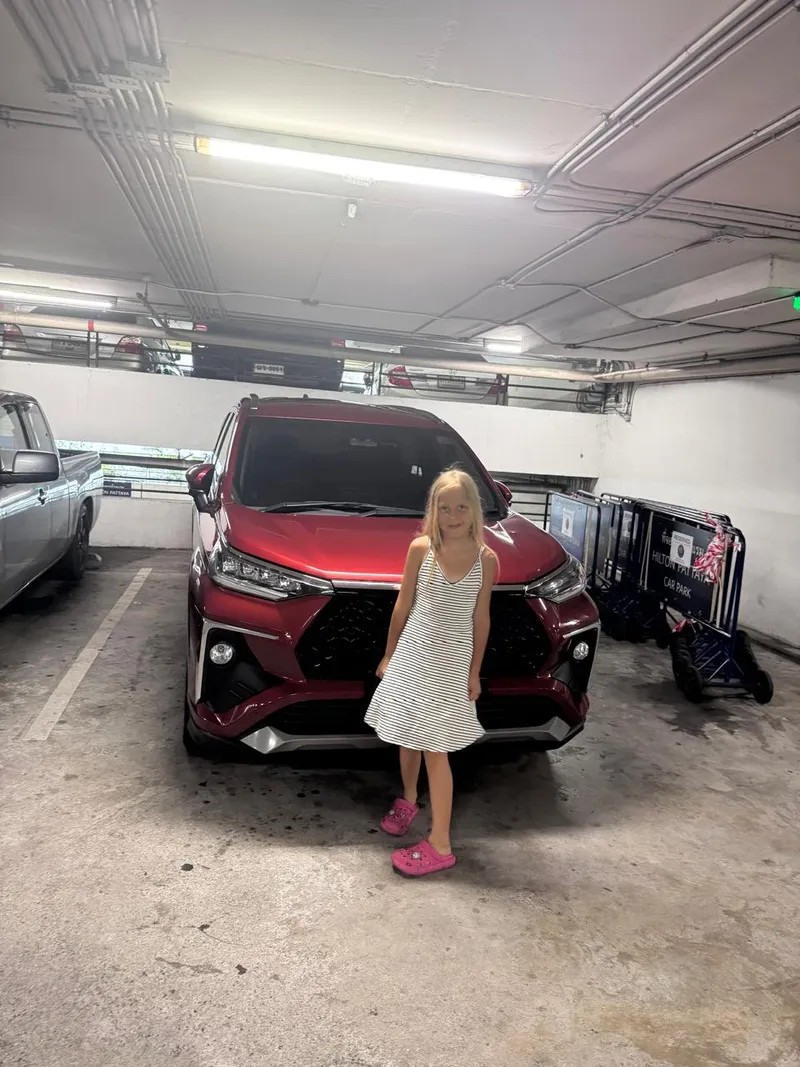

Toyota Yaris Cross Tayland'da
Her şey mükemmeldi. Devir teslim rahattı ve arabayı teslim eden adam çok arkadaş canlısıydı. Araba ihtiyacımız olan şey için mükemmeldi ve onunla ilgili hiçbir sorun yaşamadık. Kiralamada bir uzatma aldık ve sorunsuz bir işlem ve çok kolay bir süreçti. Her şey mükemmeldi. Tayland'da gelecekteki kiralamalar için kesinlikle şirketinizi kullanacağım.
Honda City Tayland'da
Araba ilandaki gibi 2022'ye ihtiyaç duyuyordu. Araba 2013 yılında teslim edildi.

Nissan Note Tayland'da
Her şey yolunda! Joey benimle önceden irtibata geçti ve belgelerimin bir fotoğrafını göndermemi istedi. Uluslararası bir ehliyete sahip olmamın daha iyi olacağı konusunda beni uyardı 👌🏻. Bana havaalanında bir tabela ile karşılanacağımı söyledi. Varış günü beni karşılayacak kişinin ve buluşma yerinin bir fotoğrafı gönderildi. Varışta belgeler hazırlandı, kirayı ve depozitoyu ödedim. Arabayı iade ettiğimde depozito bana iade edildi. Her şey sorunsuz, verimli ve telaşsızdı! Araba hakkında: araba temiz, bakımlı, teknik durumu iyi! Arabaya büyük bir şişe su koydular (güzel!). Teşekkürler çocuklar! ❤️🤗👍🏻

Toyota Yaris Ativ Tayland'da
Her şey yolunda gitti. Araba bir Honda city analog ile değiştirildi. Araba iyi durumdaydı, içi temizdi. Belirlenen saatte havaalanında buluşma gerçekleşmedi. Beklemek zorunda kaldık. Uzun sürmedi. Arabanın havaalanında teslim edilememesi çok uygun değil, havaalanına yakın ofise gitmelisiniz.

Toyota Yaris Ativ Tayland'da
her şey harika. Uçtum, hemen havaalanında arabayı aldım, her zaman iletişim halindeydiler, bazı soruları çözmeye yardımcı oldular ve arabayı sorunsuz bir şekilde verdiler, belirlenen zamandan önce bile geldiler. Onları tavsiye edebilirim
Toyota Yaris Ativ Tayland'da
Her şey mükemmel ve çok rahattı!
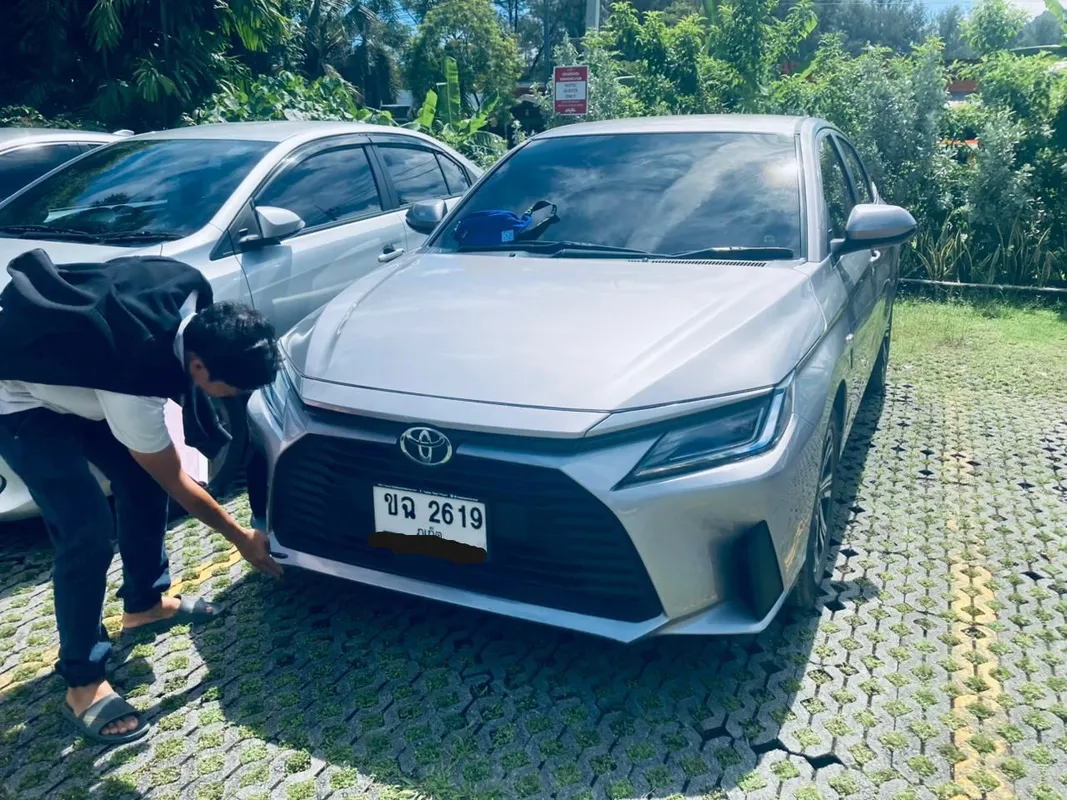
Nissan Note Tayland'da
Sonuç olarak, her şey yolunda! Çok teşekkür ederim!
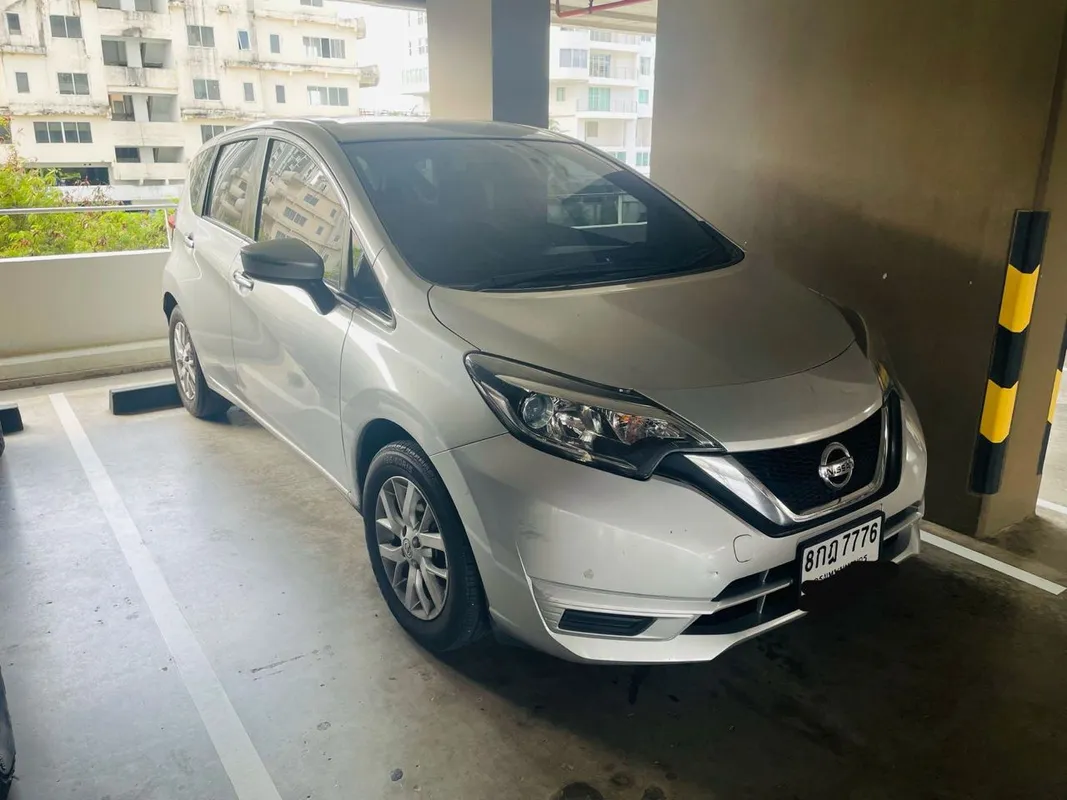


Honda Jazz Tayland'da
Bana sağladıkları araçtan çok memnun kaldım. Çok kibar ve arkadaş canlısı, arabanın nasıl alınacağı ve bırakılacağı konusunda net talimatlar. Herkese tavsiye ederim!

-
Düşük depozito
Partnerlerde araç sınıfına göre $85–145 — büyük uluslararası zincirlerin 2–3 katı daha düşük.
-
Şeffaf tam sigorta
Super CDW günde $3–17, çoğu partnerde depozitonun yerine geçer.
-
Terminalde teslim
Doğrudan havalimanı çıkışında, uçuş numarası eşleşmesiyle — servis kuyruğu beklemeden yola çıkarsınız.
Belgeler ve para
Depozito
Partnerlerimizde depozito araç sınıfına göre $85–145 — büyük uluslararası zincirlerin $400–600 kart blokajının 2–3 kat altı. Baht ya da USD nakit, ya da herhangi bir uluslararası kartta blokaj.
Sigorta
Kiralama fiyatına Tayland yasası gereği zorunlu üçüncü şahıs sorumluluk sigortası (CTPL) her zaman dahil. Üstüne Tam sigorta (Super CDW) öneriyoruz — partnere göre günde $3–17. Bunu alırsanız çoğu partner depozito istemiyor: günde $17 ya da kartta donmuş $145, ikisinden birini seçiyorsunuz. Türk seyahat sağlık sigortaları genellikle kiralık araç hasarını kapsamaz; Super CDW bu boşluğu kapatıyor.
Mart'ta gelen bir aile temel CDW ile yola çıktı, Hua Hin yolunda bir taş ön cama vurdu. Cam paketin dışındaydı. Tamir, neredeyse on günlük kiralamaya denk geldi.
Ödeme
Tayland'da nakit sevilir — burada ve şimdi, havale beklemeden. Kart da geçer ama yalnızca uluslararası Visa ya da Mastercard. Türk bankalarının Visa ve Mastercard kartları sorunsuz çalışıyor, ATM'ler de aynı.
Geçen şubatta bir İzmir çifti Suvarnabhumi'de yerel partnere $145 yerine günde $17 Super CDW'yi seçti. Üç hafta sonra hiçbir blokaj görmeden teslim ettiler — kartlarında tek kuruş tutulmamıştı.
Tayland'da sürüş
Sol şerit trafiği
Direksiyon sağda, trafik solda — İngiltere, Japonya ve Avustralya gibi. Türk sürücülerin çoğu bunu daha önce yaşamamıştır. Pratikte 1–2 günde alışılıyor. İlk gezilerde sakin bölgeleri seçmek ve Bangkok'un yoğun saatine doğrudan dalmamak çok şey değiştiriyor.
Ankara'dan gelen bir aile Phuket'te kiraladığı Honda City ile ilk akşamı Kata sokaklarında geçirdi — ertesi gün adanın Patong tarafına çıktılar. Üçüncü gün otomatikleşmişti, dedi şoför.
Motosiklet akışı
Scooter ve motosikletler Tayland'da ayrı bir ekosistem. Trafikte iki tekerlekli sayısı genellikle otomobillerin iki katı. Yan aynalara evdekinden daha sık bakmak ve net görüş olmadan şerit değiştirmemek gerekiyor.
Hava ve park
Yağmur mevsiminde (Mayıs–Ekim) tropik sağanak olağandır. Bir benzincinin gölgesinde yirmi dakika beklemek yeter — gökyüzü yeniden açılıyor. Park, çoğu Türk şehrinden kolay: plajda, tapınakta, AVM'de — neredeyse her şey ücretsiz.
Yakıt ve cezalar
95 oktan litresi yaklaşık $1,5. Çoğu partner aracı dolu depoyla verir ve aynı şekilde teslim ister. Cezalar makul: hız ~$30, emniyet kemeri ~$15.
Sınırlar, arıza, hizmet
Araç bir makinedir, zaman zaman bozulur. Yerel partnerlerle bu işler dakikalar içinde çözülüyor: 7/24 hat, turistik bölgede 1–4 saatte çekici, aynı gün yedek araç.
Geçen ekimde bir Antalya çifti Hua Hin'in yakınında akü problemi yaşadı, partner çağrıldı, yirmi dakikada bir mekanik yeni akümle geldi ve yerinde değiştirdi. Ek ücret çıkmadı.
Değişim ve ücretsiz upgrade
Rezerve edilen model teslim anında yoksa ücretsiz upgrade veriyoruz. Olur: müşteri Honda Civic 1.8 rezerve eder, havalimanına Toyota Camry 2.5 gelir.
Küçük kazalar
Kazadan sonraki ilk kural: polis (191) ve sigortacılar gelene kadar aracı hareket ettirmemek. Tam sigorta ile müşteri için finansal soru kalmıyor — tamir, tıbbi, üçüncü şahıs hasarı, hepsini partner üstleniyor.
Sınır ve tek yön teslim
Kiralık araç uluslararası sınırı geçemez: Laos, Kamboçya ve Malezya kiralamalara kapalı. Ülke içinde her yere serbestçe gidilebilir. Başka şehirde teslim mümkün ama ücretli (Bangkok → Phuket ~$285).
Ülke içinde istediğiniz yere gidebilirsiniz — Bangkok'tan Krabi'ye, Pattaya'dan Ko Chang'a kadar. Tayland dışında sözleşmenin metni sınırı sizin için kapatıyor.
Araç kiralama fiyatı Tayland'da mevsime ve kiralama süresine bağlıdır.
- Ocak
- Şubat
- Mart
- Nisan
- Mayıs
- Haziran
- Temmuz
- Ağustos
- Eylül
- Ekim
- Kasım
- Aralık
- Ocak
- Şubat
- Mart
- Nisan
- Mayıs
- Haziran
- Temmuz
- Ağustos
- Eylül
- Ekim
- Kasım
- Aralık
 Araç kiralamak ne kadara mal olur Tayland'da: 7 gün için rezervasyon yapıldığında tüm araç sınıfları için günlük ortalama fiyat.
Sık sorulan sorular
Ekonomik sınıf sezona göre günde $21–27. SUV ve yedi koltuklu düşük sezonda $57, yüksek sezonda $71. Uzun süreli kiralamada (ay ve üstü) günlük %30–40 daha ucuz; süper-zirve (25.12–25.01) en pahalı dönem — 1–2 ay önceden rezerve etmek gerekiyor.
Evet. Türk Hava Yolları her gün İstanbul (IST)–Bangkok (BKK) arasında Airbus A350 ile direkt uçuyor, yaklaşık 10 saatlik bir uçuş. Kışın Setur, Jolly Tur ve Tatilbudur gibi tur operatörleri Phuket'e (HKT) charter sefer ekliyor.
60 güne kadar kalışlar için gerekmiyor. 2024'ten beri Türk vatandaşları 60 günlük vizesiz girişten yararlanıyor — havalimanında damga, başvuru yok, ücretsiz. Pasaportun girişten itibaren en az 6 ay geçerli olması yeterli.
Kasım–Şubat varışı için 1–2 ay önceden. Süper-zirve (25.12–25.01) için daha da erken — 20 Aralık sonrası büyük partnerlerde bile boş araç bulmak güçleşiyor. Mayıs–Ekim'de tarihe daha yakın rezervasyon yapılabilir, fiyatlar %30–40 daha düşük.
Partnere ve araç sınıfına göre $85–145. Baht ya da USD nakit, ya da uluslararası kartta blokaj. Tam sigorta alırsanız partnerlerin çoğu depozito istemiyor.
Pasaport, Latin alfabesindeki ulusal ehliyet (Türk ehliyeti bu şartı karşılıyor) ve depozito için kart ya da nakit. Uluslararası Sürücü Belgesi'ni (UDB) de öneriyoruz — TTOK (Türkiye Turing ve Otomobil Kurumu) bir günde düzenliyor.
Geçerli. Tayland 1949 Cenevre Konvansiyonu kapsamındaki Uluslararası Sürücü Belgesi'ni tanıyor; Türkiye bu konvansiyona taraf. TTOK her şubesinde bir günde düzenliyor. Onunla trafik polisi konularını rahatça kapatırsınız.
Tayland yasası gereği zorunlu üçüncü şahıs sorumluluk sigortası (asgari medikal kapsamla birlikte) her zaman dahil. Tam sigorta (Super CDW) opsiyonel — günde $3–17. Türk seyahat sağlık sigortaları kiralık araç hasarını genellikle kapsamıyor, bu yüzden Super CDW burada anlamlı.
Solda — İngiltere, Japonya ve Avustralya gibi. Direksiyon sağda. Uyum 1–2 gün sürüyor. İlk gezilerde sakin bölgeleri seçin, Bangkok'un yoğun saatine doğrudan girmeyin.
Aracı yerinden hareket ettirmeyin. Polisi (191) ve kiralama partnerini arayın — bütün partnerlerimizin 7/24 hattı var. İki tarafın polis ve sigortacısını bekleyin, her şeyi fotoğraflayın. Tam sigorta varsa finansal kısmı kiralama şirketi hallediyor.
Tayland'daki partnerlerimizin çoğunda kilometre sınırsız, özellikle havalimanlarında ve uzun süreli kiralamalarda. Ülkenin yarısını sayaç tıkırtısı duymadan dolaşabilirsiniz.
Evet, teslimat ücretiyle. Aynı şehir içinde (Bangkok havalimanı → Bangkok oteli) genellikle ücretsiz ya da $5–15. Şehirler arası daha pahalı: Bangkok → Phuket yaklaşık $285. Müşterilerin çoğu aldığı yerde teslim ediyor.
Geçemezsiniz. Uluslararası sınırı geçmek tüm partner sözleşmelerinde yasak. Rotada başka bir Güneydoğu Asya ülkesi varsa, aracı sınırda teslim edip diğer tarafta yeni kiralama yapmak en pratik yol.
Partner sözleşmeleri kiralık aracın Samui ya da Pha-ngan feribotuna alınmasını yasaklıyor — sigortanın teknik kısıtı. Adada ayrı araç kiralamak daha kolay: Samui'de filoda 21 model var, USM havalimanından teslim dahil.
95 oktan litresi yaklaşık $1,5 (~50–55 baht). Dizel yaklaşık $0,10 daha ucuz. PTT, Bangchak, Shell ve Esso her yerde — pompacı dolduruyor, kart ve nakit ikisi de geçer. Çoğu partner aracı dolu depoyla verir, aynı şekilde teslim ister.