


Отримання


Повернення
Використовуйте код WELCOME3 під час оформлення замовлення, щоб отримати знижку на ваше перше бронювання у нас. Насолоджуйтесь! ☀️

Оренда авто в Таїланді — це не одна екскурсія, а спосіб життя на кілька тижнів уперед. Сюди частіше за все приїздять надовго: зимівля з листопада до березня, відпустка на два-три тижні, подорож із друзями по островах. Без авто з усього розмаїття країни ви побачите хіба пляж біля готелю та пару ринків поряд — Таїланд надто великий і надто різний для одного місця.
З Києва прямих рейсів немає, але дістатися до Бангкока зручно через європейські хаби: LOT з Варшави, Turkish Airlines зі Стамбула, Lufthansa з Франкфурта — всі вилітають щодня. У сезон туроператори додають чартери на Пхукет (HKT). Громадяни України отримують 60 днів без візи (штамп на кордоні, з 2024 року). Українські права з латиницею наші партнери приймають без проблем.
Пара зі Львова прилетіла в HKT у лютому, підписала договір просто на капоті біля виходу з терміналу — за десять хвилин уже їхала в Карон. Біля стійок великих міжнародних прокатів у цей час ще збирався шатл.
TakeCars працює у чотирьох ключових точках країни: оренда авто в Бангкоку, прокат авто в Паттаї, оренда авто на Пхукеті та прокат авто на Самуї. У кожному місті — перевірені локальні партнери, прозорі умови, застава готівкою або карткою та доставка просто до терміналу аеропорту. Більшість клієнтів забирають машину в аеропорту й через дві-три тижні повертають її у тому ж місці — без зайвої логістики.
Ціни та сезонність
Ціна оренди залежить від двох простих чинників — модель і термін. Економ-клас (Toyota Yaris, Honda City, Nissan Note, Mitsubishi Mirage) у наших партнерів стартує від $21 (~870 грн) за добу в низький сезон. У високий сезон, з листопада до лютого, та сама машина коштує $24–27. Кросовери та семимісні моделі типу Toyota Veloz чи Mitsubishi Pajero — від $57 у низький сезон до $71 у високий.
Тривалість оренди — головний важіль економії. Машина, що в тижневій броні коштує $30 на день, при оренді на 25–30 діб виходить близько $21–22 за добу. Це особливість тайського ринку: більшість клієнтів беруть авто на термін від трьох тижнів, і вся цінова сітка заточена саме під довгострокову оренду.
Тиждень і місяць — різні тарифи. Те, що на тижневій броні коштує $30 на день, на довгий термін виходить $21–22 — стандартна довгострокова знижка.
Сезонність працює і у зворотний бік. З 25 грудня до 25 січня — супер-пік: навіть у партнерів з парком 2500 машин на ці дати бронювати треба за 1–2 місяці, інакше вільних просто не залишається. Низький сезон з травня до жовтня — це вологість і дощі, але ціни на 30–40% нижчі, а країна майже порожня.
Минулого грудня пара з Києва спробувала забронювати Yaris на 18-те число на різдвяний тиждень. На Пхукеті порожньо, у Бангкоку порожньо, у Паттаї порожньо. Зрештою поїхали на Pajero за подвійним тарифом — і навіть цей розібрали до 22-го.
На практиці: з травня до початку листопада можна спокійно прилетіти й оформити оренду на місці. З середини листопада — фіксуйте бронь ще до купівлі квитків.
Більшість туристів в Таїланді орендують авто тут
Де брати та куди їхати: Бангкок, Пхукет, Самуї, Паттая
У Таїланді сенс оренди різний залежно від точки. Найчастіше машину забирають просто в аеропорту: Suvarnabhumi (BKK) і Don Mueang (DMK) у Бангкоку, Phuket International (HKT) та аеропорт Самуї (USM, вважається одним із найгарніших у країні).
Оренда авто в Бангкоку — близько 40 моделей. У місті зручніше BTS і Grab, ніж затори. А на дорозі до Паттаї, Хуахіну чи Канчанабурі машина незамінна.
У Бангкоку більшість забирає авто просто в аеропорту й одразу їде за місто. У центрі зручніше метро та Grab — затори надто щільні, щоб у них стояти.
Оренда авто на Пхукеті — близько 35 машин. Тут авто не туристична опція, а буденність острова: пляжі розкидані від Карону до Май Кхао, автобусів між ними майже немає. Доставка в готель у локальних партнерів зазвичай входить у вартість.
Прокат авто на Самуї — 21 модель у парку. Toyota Yaris Ativ, Mitsubishi Attrage та Honda Brio — найхідовіші. За день можна проїхати острів кільцевою дорогою та повернутися на пляж до заходу сонця.
Самуї особливо вдячне з автівкою: за день об'їжджаєш весь острів, заглядаєш на оглядові майданчики й до заходу сонця повертаєшся на свій пляж.
Прокат авто в Паттаї — база для виїздів на Ко Чанг, у Районг і на пляжі Джомтьєн. Дорога Бангкок–Паттая йде єдиною платною мотовей у цьому напрямку (~$1–2 за пункт оплати).
На Пхукеті автобусів між пляжами майже немає, а доставка машини в готель у наших партнерів зазвичай входить у вартість.

Honda City в Таїланді
Чудово, дякую. Все було на найвищому рівні. Нас зустріли в аеропорту. Всі необхідні формальності були виконані швидко. Автомобіль був добре підготовлений до прокату. До його технічного стану претензій немає. Прокат закінчився так само швидко. Рекомендую. Наступну арену теж буду бронювати.
Honda HR-V в Таїланді
все пройшло відмінно, спасибі

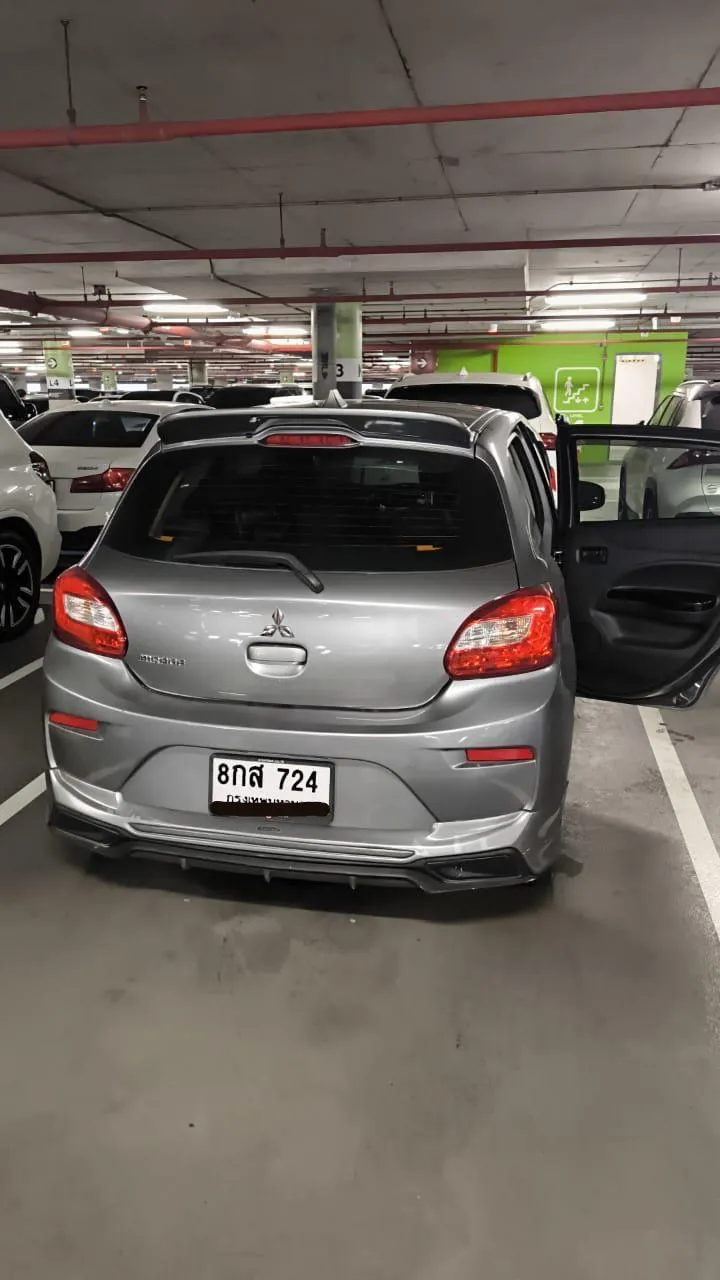
Mitsubishi Mirage в Таїланді
все було добре. Тільки я не знав, що такі маленькі машини бувають. 🤣 Сильно тісно вп'ятьох із дітьми.
Honda City в Таїланді
оренда пройшла добре все було без затримок орендар дуже хороший.

Honda City в Таїланді
Після бронювання зі мною одразу зв'язався представник прокатної компанії - все швидко і зрозуміло. Після прильоту мене зустріли і проводили прямо до машини. Місяць їздив без жодної проблеми, все було чудово! Один раз тільки лопнуло колесо, зупинилися місцеві тайці, допомогли, потім я подзвонив власнику, і він все вирішив буквально за кілька годин. Нічого платити не довелося, через дві години вже знову був у дорозі. Залишився дуже задоволений! Обов'язково звернуся до вас ще раз, все чесно, зручно і без зайвої метушні.
Toyota Yaris в Таїланді
усе було добре. зауважень немає.
Toyota Yaris Ativ в Таїланді
Спасибі велике. Все супер. Машина у відмінному стані, тонована вся по колу відмінною плівкою (15% пропускання), вночі видно все відмінно. Не підвела. Отримував в аеропорту після прильоту на Пхукет, здавав в аеропорту Пхукета після відльоту. Усе сподобалося. Буду брати ще.
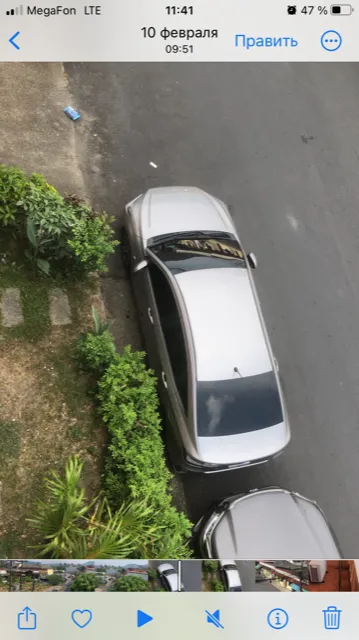
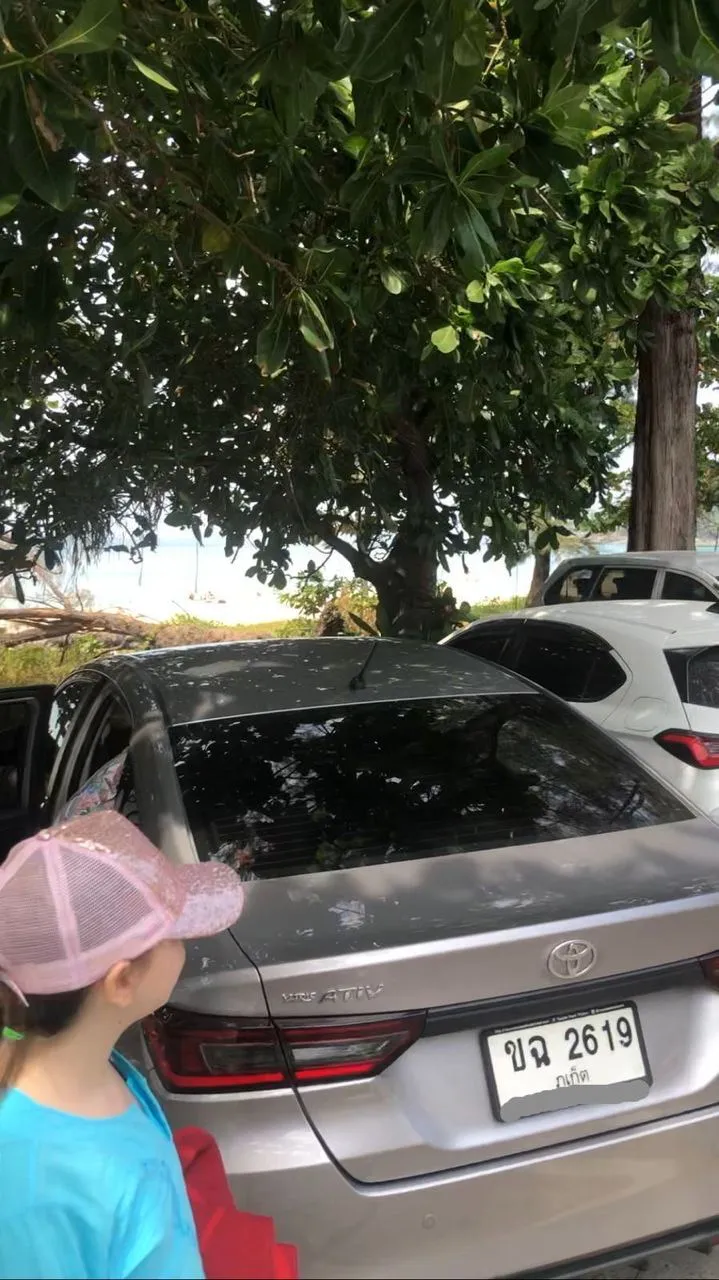
Toyota Yaris Ativ в Таїланді
Все пройшло чудово! Дуже зручний сайт, швидко знайшли варіант, який нас влаштував, і оформили замовлення, дуже класно, що відразу на сайті можна внести передоплату карткою. Швидко опрацювали замовлення і нам оперативно в вотсап написали хлопці, які повинні були доставити машину. Приїхали дуже приємні хлопець і дівчина, ми подивилися машину, зафіксували всі наявні пошкодження на відео. На місці хлопці видали нам щось на кшталт договору і одну копію залишили собі, проговорили всі умови і спілкувалися дуже ввічливо. Ми із задоволенням цього ж дня покаталися островом, а через кілька днів вони запитали підтвердження про здачу машини. Все було супер оперативно і договору дотримувалися обидві сторони, тож нам все дуже сподобалося, велике спасибі!
Toyota Yaris в Таїланді
все ок

Honda City в Таїланді
З орендою все пройшло добре

Toyota Yaris Ativ в Таїланді
все пройшло чудово. Величезне спасибі. Дуже порадувала ціна)

Toyota Yaris Ativ в Таїланді
Все було добре, зустріли в аеропорту, передали машину Тойоту Яріс. Все зайняло хв 10. Машина не зовсім свіжа, при наборі швидкості гуділа, але за час експлуатації (15д) проблем з нею не виникло. Здача машини пройшла також швидко, повернули депозит залишений при отриманні. Дуже рекомендую цю компанію, всі питання вирішують швидко, під час оренди завжди є людина на зв'язку, з ким можна вирішити виниклі проблеми. Оцінка ⭐⭐⭐⭐⭐
Toyota Yaris Ativ в Таїланді
все пройшло дуже добре, автомобіль жодного разу не підвів, ми залишилися задоволені, щодо організації теж питань немає, молодці, буду до вас ще звертатися

-
Застава й форма оплати
Застава в наших партнерів — від $85 до $145, приймається готівкою (USD або бат) або блокуванням на міжнародній картці.
-
Повне страхування (Super CDW)
$3–17 на день знімає відповідальність за пошкодження та часто повністю замінює заставу.
-
Доставка до аеропорту чи готелю
У Бангкоку зазвичай платна (~$100 в один бік містом); на Пхукеті та Самуї в локальних партнерів частіше безкоштовна.
Гроші: застава, страхування, оплата
Застава
Застава — $85–145 залежно від класу машини. Це у 2–3 рази менше, ніж у великі мережі чи великі мережі ($400–600). Готівкою в батах або доларах чи блокування на міжнародній картці.
Наша застава в Таїланді в середньому $85–145 — без перебільшення, одна з найнижчих у регіоні порівняно з міжнародними мережами.
Страхування
У ціну завжди входить обов'язкова цивільна відповідальність з базовою медициною — цього вимагає тайський закон. Додатково радимо повне страхування (Super CDW) — $3–17 на день. З ним більшість партнерів не беруть заставу: обираєте $17 на день або $145 на картці. Українські туристичні поліси зазвичай не покривають пошкодження орендованого авто — Super CDW закриває це.
Берете повне страхування — заставу можна не лишати. У партнерів на Пхукеті саме така опція: або $145, або близько $17 на день за повне покриття.
Super CDW за $3–17 на день — найрозумніша стаття у бюджеті. Одна подряпина на парковці біля пляжу окупає її багаторазово.
Оплата на місці
Тайці люблять готівку — тут і зараз, без чекання переказу. Карткою теж можна, але лише міжнародною Visa чи Mastercard. Українські Visa/Mastercard від ПриватБанку, Mono чи sense працюють у Таїланді без обмежень, банкомати теж. Apple Pay і Google Pay у туристичних зонах підтримуються широко.
Українські Visa та Mastercard працюють тут скрізь без обмежень — банкомати, термінали, Apple Pay. Онлайн-передоплата на сайті закриває формальності ще до вильоту.
Водіння у Таїланді: лівий бік, мотоцикли, погода
Лівосторонній рух
Кермо праворуч, рух ліворуч — як у Великій Британії, Японії та Австралії. Більшість українських водіїв з цим раніше не стикалися. На практиці звикаєте за 1–2 дні — головне в перші виїзди обирати спокійніші райони, а не пірнати в час пік у центрі Бангкока.
До лівого руху звикаєш за пару днів. Головне — не намагатися в перший вечір проїхати центр Бангкока в годину пік, починайте з тихих вулиць біля готелю.
Потік байків
Скутери і мопеди в Таїланді — окрема екосистема. У потоці їх завжди вдвічі більше, ніж автомобілів. Дивіться в бокові дзеркала частіше, ніж удома, і не робіть різких перестроювань без візуального контролю.
Потік байків — головна особливість тайських доріг. Вони з'являються з обох боків одночасно — їх удвічі більше, ніж машин.
Погода й паркування
У сезон дощів (травень–жовтень) тропічна злива — норма. Двадцять хвилин під дашком заправки, і небо знову чисте. З паркуванням простіше, ніж у Києві чи Львові: біля пляжу, біля храму, біля торгового центру — майже все безкоштовно.
У сезон дощів потрапити під зливу — це норма, не катастрофа. 20 хвилин перечекали під дахом — і знову чисте небо.
Пальне і штрафи
Літр 95-го бензину — близько $1,5. Більшість партнерів віддають машину з повним баком і просять повернути так само. Штрафи помірні: перевищення швидкості ~$30, пасок ~$15.
Якщо щось пішло не так: поломки, заміна авто, наш сервіс
Машина — це техніка, і час від часу ламається. З локальними партнерами питання вирішуються за хвилини: гаряча лінія 24/7, евакуатор у туристичній зоні за 1–4 години, заміна того ж дня.
Сів акумулятор посеред траси під Хуахіном — зателефонували партнерові, за 20 хвилин приїхав майстер з новим і замінив на місці без доплати.
Заміна та апгрейд
Якщо забронованої моделі немає на момент видачі, ми даємо апгрейд безкоштовно. Буває: клієнт бронює Honda Civic 1.8, а в аеропорту під'їжджає Toyota Camry 2.5.
Якщо заброньованої машини немає — даємо апгрейд. Клієнт бронював Honda Civic, виїхав з аеропорту на Toyota Camry — тієї ж ночі, без доплати.
Дрібні ДТП
Перше правило: не рухайте машину до приїзду поліції (191) і представників страхових. З повним страхуванням фінансових питань до клієнта немає — ремонт, медицина, збиток третім особам, усе закриває партнер.
З повним страхуванням клієнт при ДТП платить нуль. Ремонт, медицина, чужий бампер — все беремо на себе.
Кордони та одностороння здача
Орендоване авто не можна перетинати державний кордон: Лаос, Камбоджа і Малайзія для оренди закриті. Усередині країни — куди завгодно. Здача в іншому місті можлива, але платна (Бангкок → Пхукет ~$285).
Усередині країни їхати можна куди завгодно — з Бангкока в Крабі, з Паттаї на Ко Чанг. За межі Таїланду договір закриває кордон за вас.
Ціна автопрокату в Таїланді залежить від сезону та тривалості оренди.
- Січень
- Лютий
- Березень
- Квітень
- Травень
- Червень
- Липень
- Серпень
- Вересень
- Жовтень
- Листопад
- Грудень
- Січень
- Лютий
- Березень
- Квітень
- Травень
- Червень
- Липень
- Серпень
- Вересень
- Жовтень
- Листопад
- Грудень
 Скільки коштує прокат машини в Таїланді: середня ціна на добу за всіма класами автомобілів при замовленні на 7 днів.
Часті питання
Економ — $21–27 за добу залежно від сезону. Кросовер або семимісник — від $57 у низький до $71 у високий. Довгострокова оренда (місяць і більше) — на 30–40% дешевша за добу. Супер-пік (25.12–25.01) найдорожчий — бронюйте за 1–2 місяці.
Наразі прямих рейсів з Києва немає (повітряний простір України закритий). Найзручніше летіти через європейські хаби: LOT з Варшави (WAW), Turkish Airlines зі Стамбула (IST) чи Lufthansa з Франкфурта (FRA). Тривалість загалом 15–18 годин з пересадкою.
Ні, якщо ваше перебування до 60 днів. З 2024 року громадяни України в'їжджають без візи — штамп на кордоні, без заяви, безкоштовно. Закордонний паспорт має бути дійсний щонайменше 6 місяців від дати в'їзду.
На приїзд у листопаді–лютому — за 1–2 місяці. На супер-пік (25.12–25.01) ще раніше: до 20 грудня вільних машин зазвичай уже немає навіть у великих партнерів. У травні–жовтні можна бронювати ближче до дати, тарифи на 30–40% нижчі.
$85–145 залежно від партнера й класу машини. Готівкою (бати або долари) або блокування на міжнародній картці. З повним страхуванням більшість партнерів заставу не беруть.
Закордонний паспорт, національні водійські права з латиницею (на сучасних українських пластикових правах це стандарт) і картка або готівка на заставу. Радимо також оформити Міжнародне водійське посвідчення (МВП) — наші партнери його формально не вимагають, але з ним усі питання поліції закриваються.
Так. Таїланд визнає Міжнародне водійське посвідчення Женевської конвенції 1949 року, яку Україна ратифікувала. МВП оформлює сервісний центр МВС або Українська автомобільна асоціація.
Обов'язкова цивільна відповідальність з мінімальним медичним покриттям завжди включена за тайським законом. Повне страхування (Super CDW) опційне — $3–17 на день. Українські туристичні поліси зазвичай не покривають пошкодження орендованого авто, тож Super CDW тут має сенс.
Лівому — як у Великій Британії, Японії та Австралії. Кермо праворуч. Звикання займає 1–2 дні. На перші виїзди обирайте спокійні райони, не пірнайте відразу в час пік у Бангкоку.
Не рухайте машину. Зателефонуйте в поліцію (191) і прокатчикові — у всіх наших партнерів гаряча лінія 24/7. Дочекайтеся поліції і представників страхових обох сторін, сфотографуйте все. З повним покриттям усі фінансові питання закриває прокатна компанія.
У більшості наших партнерів у Таїланді пробіг безлімітний, особливо в аеропортах і при довгостроковій оренді. Зручно для road-trip — можна проїхати півкраїни і не рахувати кілометри.
Так, з оплатою за доставку. У межах одного міста (аеропорт Бангкока → готель у Бангкоку) зазвичай безкоштовно або $5–15. Між містами дорожче: Бангкок → Пхукет близько $285. Більшість клієнтів обирає здавати там, де брали.
Ні. Перетинати державний кордон заборонено договором у всіх наших партнерів. Якщо в маршруті інша країна Південно-Східної Азії, машину потрібно здати на кордоні і взяти нову вже там.
Договори партнерів забороняють перевозити орендоване авто на поромі на Самуї або Пханган — це технічне обмеження страховки. Зручніше орендувати окрему машину вже на острові: на Самуї маємо 21 модель з безкоштовною доставкою з аеропорту USM.
Близько $1,5 за літр 95-го (~50–55 бат/літр). Дизель приблизно на $0,10 дешевший. Заправки PTT, Bangchak, Shell і Esso — на кожному кроці, працівник заправляє, картка і готівка приймаються. Більшість партнерів віддають авто з повним баком і просять повернути так само.