


Pickup


Grąžinti
🎁 Naudokite kodą WELCOME3 per kasą ir gaukite atlaidą pirmajam užsakymui pas mus. Mėgaukitės! ☀️

Automobilių nuoma Tailande — tai ne viena ekskursija, o tai, kaip čia gyvenate artimiausias kelias savaites. Dauguma Lietuvos keliautojų atvyksta ilgesnei viešnagei: žiemos pabėgimas nuo lapkričio iki kovo, dviejų ar trijų savaičių atostogos, kelionės su draugais po salas. Su automobiliu per vieną dieną galima išsimaudyti trijuose įlankose, sustoti kalnų šventykloje pakeliui ir vakarienės metu būti grįžus į viešbutį.
Nuotoliniai darbuotojai, jaunos poros, šeimos su vaikais, draugų grupės Pukete ir Samui — tipinis profilis. Žmonės per dieną kitą supranta, kad automobilis čia yra kasdienio gyvenimo dalis, kaip kondicionierius bute. Iš Vilniaus tiesioginio skrydžio į Bangkoką nėra, bet jungtys per Rygą, Frankfurtą ar Stambulą — kasdien. Lietuvos piliečiams 60 dienų be vizos (antspaudas oro uoste, galioja nuo 2024 m.). Lietuviški vairuotojo pažymėjimai su lotynišku raidynu mūsų partnerių priimami.
Pora iš Kauno nusileido HKT vasarį, pasirašė sutartį ant variklio dangčio prie terminalo ir per dešimt minučių jau riedėjo vakarine pakrante į Karoną. Eilė prie tarptautinių tinklų vis dar laukė šatlo.
TakeCars dirba keturiose pagrindinėse vietose: automobilių nuoma Bankoke, automobilio nuoma Pataijoje, automobilių nuoma Pukete ir automobilių nuoma Koh Samui. Visur — patikrinti vietiniai partneriai, skaidrios sąlygos, užstatas grynaisiais arba kortele ir pristatymas tiesiai prie terminalo. Dauguma klientų automobilį paima oro uoste ir grąžina ten pat po kelių savaičių — be papildomos logistikos.
Kainos ir sezoniškumas
Kaina priklauso nuo dviejų dalykų — modelio ir trukmės. Ekonominė klasė (Toyota Yaris, Honda City, Nissan Note, Mitsubishi Mirage) nuo $21 per dieną žemajame sezone; aukštajame (lapkritis–vasaris) tas pats automobilis kainuoja $24–27. SUV ir septynvietis Toyota Veloz ar Mitsubishi Pajero — nuo $57 žemajame iki $71 aukštajame sezone.
Nuomos trukmė yra pagrindinis taupymo svertas. Automobilis, kuris savaitinėje rezervacijoje kainuoja $30 per dieną, 25–30 dienų išeina apie $21–22 per dieną. Dauguma klientų rezervuoja trims savaitėms ar ilgiau, ir visa kainų sistema sukurta būtent ilgalaikiam nuomavimui.
Savaitė ir mėnuo yra skirtingi tarifai. Tai, kas savaitinėje rezervacijoje yra $30 per dieną, ilgesnėje viešnagėje krenta iki $21–22 — standartinė ilgalaikė nuolaida.
Sezoniškumas veikia ir atvirkščiai. Nuo gruodžio 25 d. iki sausio 25 d. — super viršūnė: net partneriams su 2 500 automobilių flote reikia 1–2 mėnesių iš anksto, kitaip nieko nelieka. Žemasis sezonas gegužė–spalis — drėgmė ir lietūs, bet kainos 30–40 % mažesnės ir šalis bet kuriame maršrute beveik tuščia.
Praėjusių metų gruodį pora bandė rezervuoti Yaris 18 dienai — Kalėdų savaitei. Pukete nieko, Bankoke nieko, Pataijoje nieko. Paėmė Pajero už dvigubą kainą, ir net jis dingo iki 22-os.
Praktikoje: nuo gegužės iki lapkričio pradžios paprastai galima skristi ir susitvarkyti vietoje. Nuo lapkričio vidurio — fiksuokite rezervaciją prieš pirkdami bilietą.
Dauguma turistų Tailande savo kelionę pradeda čia
Kur paimti automobilį
Dažniausiai automobilį paima oro uoste: Suvarnabhumi (BKK) ir Don Mueang (DMK) Bankoke, Phuket International (HKT) ir Samui (USM, vienas vaizdingiausių terminalų šalyje).
Automobilių nuoma Bankoke — apie 40 modelių. Dauguma žmonių ima automobilį, kad išvyktų iš miesto: viduje BTS ir Grab greitesni už spūstis. O kelyje į Pataiją, Hua Hiną ar Kanchanaburi automobilis nepakeičiamas.
Automobilių nuoma Pukete — apie 35 automobiliai. Čia automobilis — kasdienis daiktas: paplūdimiai išsidėstę nuo Karon iki Mai Khao, autobusų tarp jų beveik nėra, o vakarinės pakrantės kelias visas vingiuotas. Pristatymas į viešbutį paprastai įskaičiuotas.
Šeima Pukete pernai kovą tris savaites laikė Yaris Ativ — naudojo kaip antrą viešbučio kambarį: paplūdimys ryte, Promthep apžvalgos taškas prieš saulėlydį, vakarienė Kata. Per visą atostogų laiką nuvažiavo apie 800 km ir nė karto nemokėjo už parkavimą.
Automobilių nuoma Koh Samui — 21 modelis flote. Toyota Yaris Ativ, Mitsubishi Attrage ir Honda Brio — darbo arkliai. Per vieną rytą apvažiuojate visą salą žiediniu keliu, sustojate prie Didžiojo Budos, papietaujate Lamai ir keturiomis vėl maudotės Chaweng.
Automobilio nuoma Pataijoje — bazė ekskursijoms į Ko Chang, Rayong ir Jomtien paplūdimius. Bankokas–Pataija yra vienintelė mokama greitkelio atkarpa šia kryptimi (~$1–2 už vartus).
Pataija natūraliai dera su Rayong paplūdimiais ir Khao Kheow ekskursijoms antrąją savaitę. Ko Chang atveju automobilį palikite žemyne ir saloje pasiimkite vietinį motorolerį — partnerių sutartys keltui nuomojamo automobilio nedengia.

Nissan Note Tailande
Viskas pavyko puikiai Viskas buvo labai patogu, laiku, ir nebuvo jokių problemų su automobiliu Bankoko merginos yra nuostabios.

Toyota Vios Tailande
Visi puikiai, kaip sutarta susitiko, perdavė, kur prašoma pasiimti. Patogus atsiskaitymas kortele pasaulyje be problemų rusams! Ačiū! Be nereikalingų priemokų, keliaujant po visą Tailandą, kiti agregatoriai prašo papildomai mokėti už kiekvieną papildomą salą ir provinciją, nors draudimas galioja visoje teritorijoje ir nesvarbu, kur ir kada! Ačiū!
Nissan Note Tailande
Viskas vyko gerai
Toyota Yaris Ativ Tailande
Viskas vyko labai nuostabiai!!! Mus pasitiko ir visą laiką su mumis palaikė ryšį! Automobilis yra puikus techniškai ir vizualiai. 5 iš 5 balų!!!
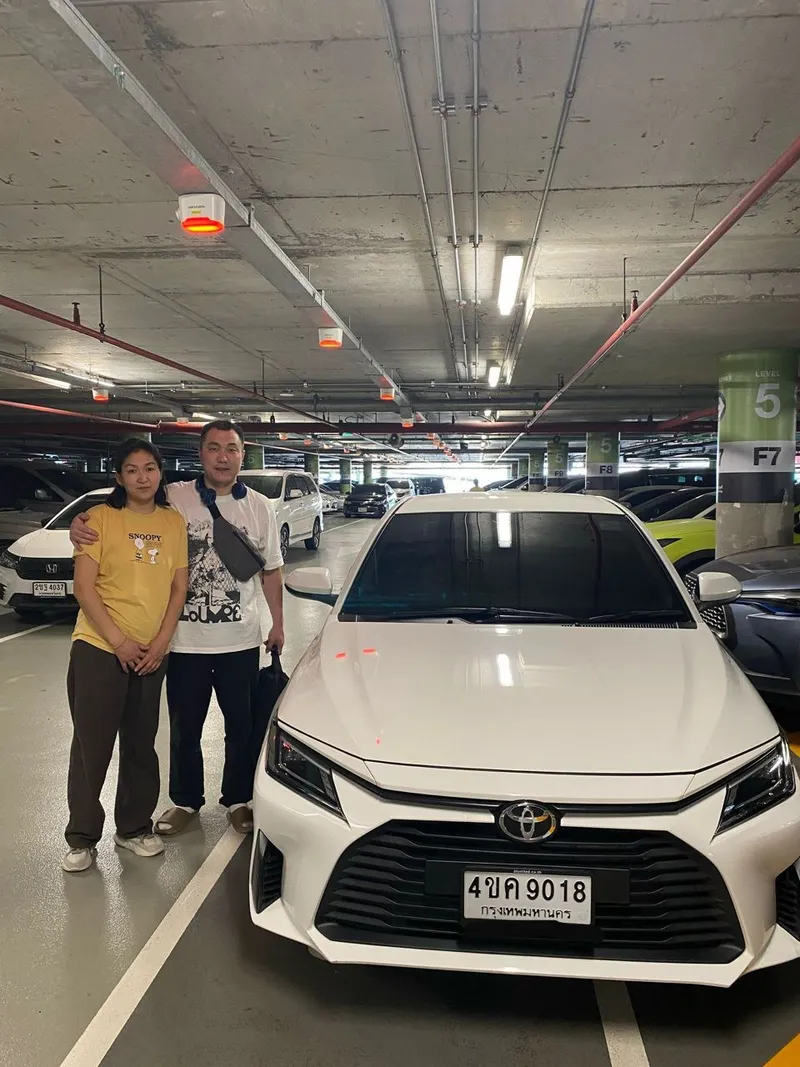

Toyota Yaris Ativ Tailande
Viskas vyko gerai. Automobilis buvo pakeistas analogišku "Honda city". Automobilis buvo geros būklės, salonas buvo švarus. Susitikimas oro uoste sutartu laiku neįvyko. Turėjome laukti. Neilgai. Nelabai patogu, kad automobilio negalima perduoti oro uoste, reikia eiti į biurą prie oro uosto.
Toyota Vios Tailande
Automobilis visiškai atitiko nurodytus reikalavimus. Darbuotojai buvo mandagūs. Šios įmonės paslaugomis planuoju naudotis ir ateityje.
Toyota Yaris Ativ Tailande
Viskas pavyko puikiai! Labai patogi svetainė, greitai radome mums tinkantį variantą ir pateikėme užsakymą, labai šaunu, kad svetainėje galima atlikti išankstinį mokėjimą kortele. Užsakymas buvo įvykdytas greitai ir vaikinai, kurie turėjo pristatyti automobilį, parašė mums į WhatsApp. Atvyko labai malonus vaikinas ir mergina, apžiūrėjome automobilį, visus esamus apgadinimus užfiksavome vaizdo įraše. Vietoje vaikinai mums davė kažką panašaus į sutartį ir pasiliko vieną egzempliorių, aptarė visas sąlygas ir buvo labai mandagūs. Tą pačią dieną mielai važinėjome po salą, o po kelių dienų jie paprašė patvirtinti automobilio vertę. Viskas vyko labai greitai, o sutarties laikėsi abi šalys, todėl likome labai patenkinti viskuo, labai ačiū!

Toyota Vios Tailande
Viskas pavyko puikiai Visiškai patenkintas

Toyota Yaris Ativ Tailande
Viskas vyko gerai. Susitikome oro uoste, kad paimtume ir grąžintume. Susisiekus viskas buvo paaiškinta ir paaiškinta. Jokių nusiskundimų dėl automobilio nebuvo. Rekomenduojama.

Toyota Vios Tailande
Neturėjau jokių problemų dėl automobilio nuomos. Vienintelis mano pastebėjimas - galbūt automobilį galima pristatyti į paėmimo vietą oro uoste, kad klientams nereikėtų vaikščioti į automobilių stovėjimo aikštelę. Pristatymo vietoje klientai turi pasirašyti, patikrinti automobilio fizinę būklę ir pasirašyti (Tai būtų labai greita procedūra). Likusius dalykus, kredito kortelės garantijas ir t. t. galima atlikti internetu prieš pristatymą. Tks
Honda City Tailande
Viskas gerai.
Honda Civic Tailande
Esu labai nepatenkintas automobilių nuomos įmone. Prieš du mėnesius užsisakiau "Honda Civic 2020", o įmonės atstovas pasakė, kad paskutinis mūsų automobilis yra "Toyota Corolla Atlas". Jis davė man stovėjimo bilietą, parodė automobilį oro uosto stovėjimo aikštelės baseine. Jis davė man bilietą ir iš karto išvažiavo, todėl turiu sumokėti 50 TBH už automobilio stovėjimą. Viskas blogai
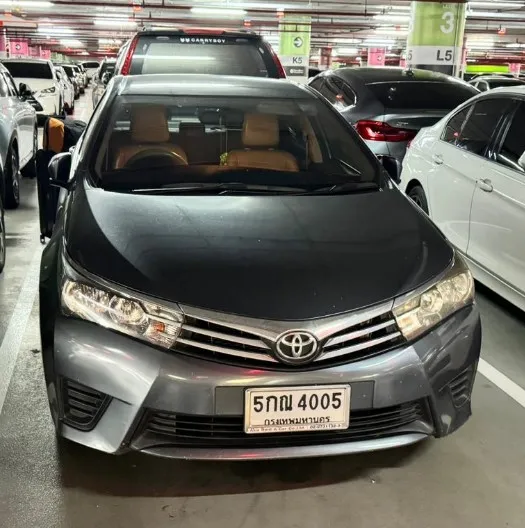

Toyota Veloz Tailande
Viskas pavyko puikiai.


-
Užstatas
Pas mūsų partnerius Tailande — $85–145, grynaisiais arba kortelės blokavimu.
-
Pilnas draudimas (Super CDW)
$3–17 per dieną panaikina atsakomybę už žalą ir dažnai pakeičia užstatą.
-
Pristatymas
Pukete ir Samui pas vietinius partnerius dažnai įskaičiuotas; Bankoke paprastai mokamas (~$100 vienpusis miestu).
Pinigai
Užstatas
Pas mūsų partnerius užstatas — $85–145 pagal automobilio klasę. Tai 2–3 kartus mažiau nei didieji tarptautiniai tinklai ($400–600 blokavimo kredito kortelėje). Grynaisiais batais arba JAV doleriais, arba blokavimas bet kurioje tarptautinėje kortelėje.
Draudimas
Į kainą visada įskaičiuotas privalomas civilinės atsakomybės draudimas su baziniu medicininiu padengimu — to reikalauja Tailando įstatymas. Papildomai rekomenduojame pilną draudimą (Super CDW) — $3–17 per dieną. Su juo dauguma partnerių užstato neima: renkatės tarp $17 per dieną arba $145 užšaldytų kortelėje. Lietuviški kelionių draudimai paprastai nepadengia nuomojamo automobilio žalos, todėl Super CDW vietoje šį klausimą uždaro.
Pora iš Amsterdamo Pukete paėmė bazinį draudimą, kovą atsitrenkė į bordiūrą leisdamasi nuo Patong apžvalgos taško ir vieno buferio kaina prarado pusę užstato. Antrą savaitę mokėjo $14 per dieną už pilną draudimą ir nustojo virpčioti prie kiekvieno songthaew.
Mokėjimas vietoje
Tailandiečiai mėgsta grynuosius — čia ir dabar, be pavedimų laukimo. Kortelės taip pat veikia: Visa ir Mastercard priimamos visoje šalyje. Lietuviškos kortelės iš SEB, Swedbank, Luminor Tailande dirba be apribojimų, bankomatuose taip pat.
Internetinis išankstinis mokėjimas reiškia, kad atvykstate, kai viskas jau sutvarkyta — partneris turi jūsų vardą, automobilis paruoštas, popieriai prie kelio užtrunka penkias minutes.
Praktikoje dauguma klientų derina: rezervaciją apmoka internetu, o vietinius priedus (pristatymą, pilną draudimą) — grynaisiais paimant automobilį.
Vairavimas Tailande
Kairioji pusė
Vairas dešinėje, eismas kairėje — kaip JK, Japonijoje ir Australijoje. Dauguma Lietuvos vairuotojų to nebuvo bandę. Apsiprantama per 1–2 dienas. Pradėkite nuo ramesnių rajonų; nesileiskite į Bankoko piko valandą pirmą dieną.
Pradėkite nuo ramių gatvių prie viešbučio pirmą rytą. Antrą popietę jau pamiršite, kuria puse vairavote namuose.
Motociklų srautas
Motoroleriai ir motociklai čia gyvena atskirą gyvenimą. Sraute jų visada dukart daugiau nei automobilių, o songthaew zonose dar daugiau. Žiūrėkite į šoninius veidrodžius dažniau nei namuose ir nekeiskite eilės be aiškaus vizualinio kontakto. Vietinė taisyklė: motociklas gali atvažiuoti iš bet kur, įskaitant priešingą vienpusės gatvės pusę.
Oras ir parkavimas
Lietingu sezonu (gegužė–spalis) tropinė liūtis yra norma, o ne krizė. Dvidešimt minučių po degalinės stogu — ir dangus vėl švarus. Parkavimas lengvesnis nei daugumoje Europos miestų: prie paplūdimio, prie šventyklos, prie prekybos centro — beveik viskas nemokama.
Keliautoja grįžtant iš Railay rugsėjį Krabi pateko į liūtį. Pasuko į PTT, užsisakė kavą, žiūrėjo, kaip kelias virsta upe, ir po dvidešimties minučių jau važiavo sausu asfaltu. Nieko dramatiško — taip atrodo spalis.
Degalai ir baudos
95 oktanų benzinas — apie $1,50 už litrą. Dauguma partnerių išduoda automobilį su pilnu baku ir prašo grąžinti tokį pat. Baudos saikingos: greitis ~$30, saugos diržas ~$15.
Kai kas nors nepavyko
Automobilis yra technika ir kartais genda. Su vietiniais partneriais klausimai sprendžiami greitai: 24/7 linija, evakuatorius bet kurioje turistinėje zonoje per 1–4 valandas, pakaitinis automobilis tą pačią dieną.
Kovą kelyje prie Hua Hino kliento akumuliatorius išsikrovė. Vienas skambutis partneriui — ir po dvidešimties minučių meistras jau keitė jį prie kelio, be priemokos.
Keitimas ir nemokamas upgrade
Jei rezervuoto modelio išdavimo metu nėra, suteikiame aukštesnės klasės automobilį be priemokos. Klientas rezervuoja Honda Civic 1.8, o oro uoste privažiuoja Toyota Camry 2.5 — taip ir veikia. Taisyklė paprasta: klientas niekada negauna mažiau automobilio, nei sumokėjo.
Smulkios avarijos
Pirma taisyklė: nejudinkite automobilio, kol atvyks policija (191) ir draudikų atstovai. Su pilnu draudimu klientui finansinių klausimų nėra — remontą, medicininius mokesčius, trečiųjų asmenų žalą padengia partneris. Vairuotojo užduotis — laukti, fotografuoti ir likti ramiam.
Keliautojas Pataijoje spalį užkliudė pastatytą motociklą. Policija atvyko per penkiolika minučių, partnerio koordinatorius prisijungė telefonu per penkias. Pilnas draudimas padengė viską — remontą, motociklininko klinikos vizitą ir net benziną, kurį keliautojas išleido nieko nedarydamas ant šaligatvio.
Sienos ir grąžinimas kitur
Nuomojamo automobilio negalima perkirsti valstybinės sienos: Laosas, Kambodža ir Malaizija pagal visų partnerių sutartis uždaryti. Šalies viduje — bet kur, nuo Bankoko iki Krabi, nuo Pataijos iki Rayong, visu vakarinės pakrantės ratu Pukete. Vienpusis grąžinimas kitame mieste mokamas (Bankokas → Puketas ~$285).
Automobilių nuomos kaina Tailande priklauso nuo sezono ir nuomos trukmės.
- sausis
- vasaris
- kovas
- balandis
- Gegužė
- birželis
- liepa
- rugpjūtis
- rugsėjis
- spalis
- lapkritis
- gruodis
- Jan
- Vasaris
- Mar
- Apr
- Gegužė
- Jun
- Lie
- Rugpjūtis
- Rugsėjis
- Spalio mėn.
- lapkritis
- Gruodis
 Kiek kainuoja išsinuomoti automobilį Tailande: vidutinė vienos dienos kaina visų klasių automobiliams, kai užsakoma 7 dienoms.
Dažniausi klausimai
Ekonominė klasė — $21–27 per dieną pagal sezoną. SUV ar septynvietis — nuo $57 žemajame sezone iki $71 aukštajame. Ilgalaikė nuoma (mėnuo ar daugiau) 30–40 % pigesnė per dieną; super viršūnė nuo gruodžio 25 d. iki sausio 25 d. yra brangiausia — rezervuokite 1–2 mėnesius iš anksto.
Atvykstantiems lapkritį–vasarį — 1–2 mėnesius iš anksto. Super viršūnei (25.12–25.01) dar anksčiau: iki gruodžio 20 d. paprastai nebėra laisvų net pas didesnius partnerius. Gegužę–spalį galima rezervuoti arčiau datos, o kainos 30–40 % mažesnės.
$85–145 pagal partnerį ir automobilio klasę. Grynaisiais batais arba JAV doleriais, arba blokavimu bet kurioje tarptautinėje kortelėje. Su pilnu draudimu dauguma partnerių užstato visiškai neima.
Pasas, nacionalinis vairuotojo pažymėjimas lotyniškomis raidėmis (lietuviškas atitinka) ir kortelė arba grynieji užstatui. Taip pat rekomenduojame turėti Tarptautinį vairuotojo pažymėjimą, nors mūsų partneriai jo formaliai nereikalauja.
Mūsų partneriai automobilį išduoda pagal jūsų nacionalinį vairuotojo pažymėjimą, jei jis yra lotyniškomis raidėmis — dauguma europinių pažymėjimų tokie ir yra. Vis dėlto Tarptautinį vairuotojo pažymėjimą rekomenduojame — Lietuvos automobilių klubas jį išduoda per vieną dieną, ir kelyje su policija jokių klausimų nelieka.
Taip. Mūsų partneriai priima tiek tarptautines kredito, tiek debeto korteles, o dauguma užstatui priima ir grynuosius. Tai vienas pagrindinių skirtumų nuo didžiųjų tarptautinių tinklų, kurie paprastai dirba tik su kredito kortele.
Privalomas civilinės atsakomybės draudimas su baziniu medicininiu padengimu visada įskaičiuotas pagal Tailando įstatymą. Pilnas draudimas (Super CDW) yra pasirenkamas — $3–17 per dieną. Su juo klientas avarijos atveju nemoka nieko, įskaitant trečiųjų asmenų žalą.
Nejudinkite automobilio. Skambinkite policijai (191) ir nuomos partneriui — visi mūsų partneriai turi 24/7 liniją. Palaukite policijos ir abiejų pusių draudikų atstovų, viską nufotografuokite. Su pilnu draudimu finansinę pusę uždaro nuomos kompanija.
Kaire — kaip JK, Japonijoje ir Australijoje. Vairas dešinėje. Apsiprantama per 1–2 dienas. Pirmiems važiavimams rinkitės ramesnius rajonus ir nesileiskite iškart į piko valandą Bankoke. Patyrę vairuotojai paprastai apsipranta per vieną vakarą.
Daugumai mūsų partnerių Tailande kilometražas neribotas, ypač oro uostuose ir ilgalaikei nuomai. Tai patogu kelionėms — perplaukite pusę šalies neskaičiuodami kilometrų. Tik kelios biudžetinės vietinės tarifų versijos turi 200 km dienos limitą.
Taip, su pristatymo mokesčiu. To paties miesto ribose (Bankoko oro uostas → Bankoko viešbutis) paprastai nemokamai arba $5–15. Tarp miestų brangiau: Bankokas → Puketas — apie $285. Dauguma klientų grąžina ten pat, kur paėmė.
Ne. Valstybinės sienos perėjimas draudžiamas visų mūsų partnerių sutartyje. Jei maršrute yra kita Pietryčių Azijos šalis, automobilį palikite prie sienos ir kitoje pusėje paimkite naują.
Partnerių sutartys draudžia nuomojamą automobilį kelti keltu — tai techninis draudimo apribojimas. Patogiau saloje išsinuomoti atskirą automobilį: Samui flote yra 21 modelis, o pristatymas iš USM oro uosto įtrauktas.
Apie $1,50 už litrą 95-to (~50–55 batai/litras). Dyzelinas apie $0,10 pigesnis. PTT, Bangchak, Shell ir Esso degalinės — visur, pildo darbuotojas, priimama kortele ir grynaisiais. Dauguma partnerių automobilį išduoda su pilnu baku ir prašo grąžinti tokį pat.
Taip, su normaliu atsargumu. Pagrindiniai naujovės — kairioji eismo pusė, tankus motociklų srautas ir trumpos, intensyvios liūtys. Automobiliu daug saugiau nei motociklu. Pirmą dieną vairuokite gynybiškai, naktį už turistinių zonų nelėkite, ir viskas bus tvarkoje.