


Pickup


Atgriezties
🎁 Izmantot kodu WELCOME3 izrakstīšanās laikā, lai saņemtu atlaidi pirmajam rezervējumam pie mums. Izbaudiet! ☀️

Auto noma Taizemē nav atsevišķa ekskursija, bet veids, kā jūs šeit dzīvojat nākamās nedēļas. Mūsu viesi parasti brauc uz ilgāku laiku — ziemas bēgšana novembrī–martā, divu vai trīs nedēļu atvaļinājums, ceļojums ar draugiem pa salām. Ar auto klājas pavisam citas iespējas: no Phi Phi arhipelāga ziemeļiem līdz Chiangmai kalniem.
No Rīgas tieša lidojuma uz Bangkoku pagaidām nav, bet savienojumi ir ērti: airBaltic ar Finnair pārsēšanos Helsinkos, Lufthansa caur Frankfurti, Turkish Airlines caur Stambulu lido katru dienu. Ziemā Novatours, Tez Tour un Aerotravel organizē čarterus uz Pukеtu (HKT). Latvijas pilsoņiem 60 dienas bez vīzas (zīmogs ielidojot, kopš 2024. gada). Latvijas autovadītāja apliecību ar latīņu burtiem mūsu partneri pieņem bez problēmām.
Pagājušajā novembrī rīdzinieku pāris satika partneri tieši pie termināļa izejas Suvarnabhumi lidostā, parakstīja līgumu uz auto motora pārsega un pēc desmit minūtēm jau bija ceļā uz Hua Hin. Lielo ķēžu rinda uz šatlu vēl tikai veidojās.
TakeCars darbojas četrās galvenajās vietās: auto noma Bangkokā, auto noma Patajā, auto noma Pukеtā un auto noma Koh Samui. Visur viens pamats — pārbaudīti vietējie partneri, caurspīdīgi noteikumi, zems depozīts skaidrā naudā vai ar karti, piegāde pie termināļa.
Cenas un sezona
Nomas cena atkarīga no diviem faktoriem — modelis un ilgums. Ekonomiskā klase (Toyota Yaris, Honda City, Nissan Note, Mitsubishi Mirage) sākas no $21 (~19 €) dienā zemajā sezonā; augstajā sezonā (novembris–februāris) tas pats auto maksā $24–27. SUV un septiņvietīgi Toyota Veloz vai Mitsubishi Pajero — no $57 zemajā līdz $71 augstajā sezonā.
Ilgums ir galvenais ietaupījuma svira. Auto, kas nedēļas rezervācijā maksā $30 dienā, 25–30 dienu paketē iznāk ap $21–22. Lielākā daļa klientu rezervē uz trim nedēļām vai ilgāk; visa cenu struktūra veidota uz ilgtermiņa nomu.
Pagājušajā jūlija sākumā Patajā lētākais brīvais auto izrādījās automātiskais Mitsubishi Mirage par $32 dienā. Līdz piektdienas vakaram bija aizņemts. Stabili rezervēt der 4–6 nedēļas iepriekš.
Sezonalitāte strādā arī otrādi. No 25. decembra līdz 25. janvārim — super-virsotne: pat partneriem ar 2 500 auto flotē jāplāno 1–2 mēnešus iepriekš, citādi vienkārši nekas neatliek. Zemā sezona maijā–oktobrī ir mitra un lietaina, taču cenas par 30–40 % zemākas un valsts gandrīz tukša.
Ja lidojat decembrī vai janvārī, fiksējiet auto, tiklīdz nopirkta biļete. No 20. decembra brīvu auto pie lielajiem partneriem atrast jau ir veiksme.
Lielākā daļa tūristu Taizemē sāk savu ceļojumu šeit
Bāzes un maršruti
Visbiežāk auto paņem lidostā: Suvarnabhumi (BKK) un Don Mueang (DMK) Bangkokā, Phuket International (HKT) un Samui (USM — viens no skaistākajiem termināļiem valstī).
Auto noma Bangkokā — flotē ap 40 modeļiem. Lielākā daļa viesu paņem auto, lai izbrauktu no pilsētas: centrā BTS un Grab ir ātrāki nekā sastrēgumi. Bet ceļā uz Pataju, Hua Hin vai Kanchanaburi auto ir neaizstājams.
Liepājas ģimene Don Mueang lidostā saņēma Toyota Yaris un nekavējoties devās uz Hua Hin. Pilsētā auto neiznāca pat izmantot — jau iepriekš nolēma, ka Bangkokā paliks tikai vienu nakti pirms ceļa uz dienvidiem.
Auto noma Pukеtā — ap 35 auto. Pukеts ir viens no populārākajiem ziemas galamērķiem latviešiem; auto šeit nav tūristu kapricinitāte, bet salas ikdienas elements.
Auto noma Koh Samui — flotē 21 modelis. Toyota Yaris Ativ, Mitsubishi Attrage un Honda Brio ir biežāk braucošie modeļi. Vienā dienā apbraucat visu salu pa apļa ceļu.
Auto noma Patajā — bāze izbraucieniem uz Ko Chang, Rayong un Jomtien pludmalēm. Bangkoka–Pataja ir vienīgais maksas autoceļš šajā virzienā (~$1–2 par vārtiem).
Pukеtā starp pludmalēm autobusu gandrīz nav, un piegāde uz viesnīcu mūsu partneriem parasti ir iekļauta cenā. Adai tā nav sīkums.

Toyota Yaris Ativ Taizemē
Tas bija labi. Ne sliktākā pieredze nav labākā pieredze. Neesmu pārliecināts, vai es to darītu vēlreiz 😅

Honda City Taizemē
Nomas process bija ļoti vienkāršs, automašīna atbilda visām mūsu prasībām. Svarīgi bija arī tas, ka mēs varējām ar to braukt uz salu. Liels paldies, ieteiktu citiem ceļotājiem
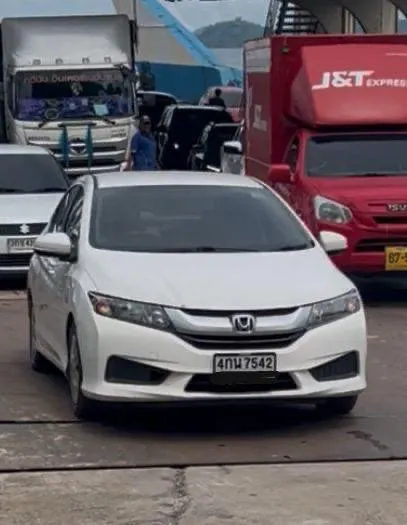
Honda City Taizemē
Satikās Suvarnabhumi lidostā uzņemt (gaidīja ar zīmi) un nododot automašīnu norādītajā laikā. Saprātīgas cenas, būtībā bija jauka Honda City auto. Ja tas nebūtu par vienu lietu. Ceļojuma beigās, Bangkokas apkaimē, automašīna salūza uz autobāna. Mēs sazinājāmies ar Džoiju, viņš nekavējoties izsauca vilcēju, kas mūs bez maksas aizveda no autobāna, un bez papildu maksas atsūtīja rezerves automašīnu Toyota Altis. Depozīts tika atmaksāts pilnā apmērā, kad mēs nodevām automašīnu. Un vēl, mēs pārbaudījām pēc saņemšanas - kā izbraukt no Suvarnabhumi lidostas autostāvvietas, uz biļetes bija rakstīts, ka bez maksas, bet pie izbraukšanas mums iekasēja 80 batu, sīkums, bet atlikums palika.
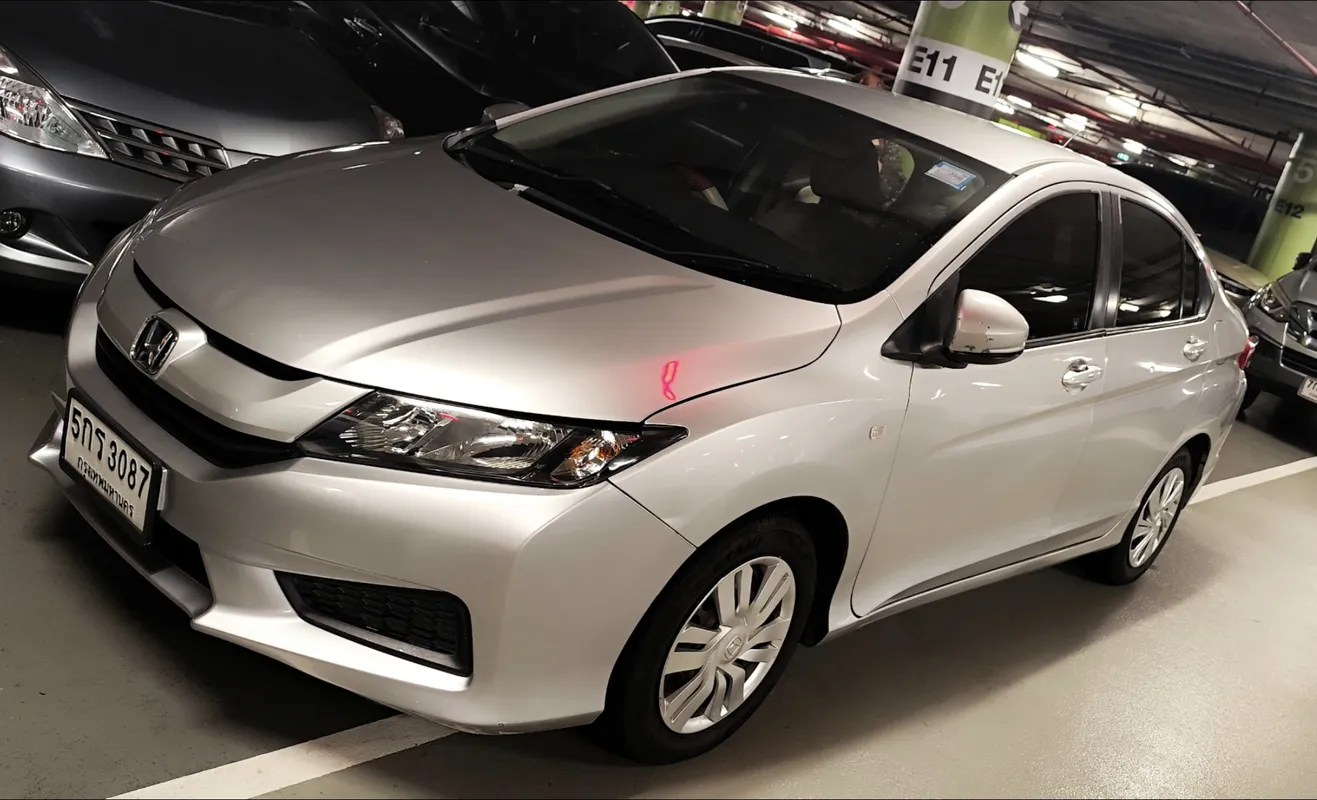
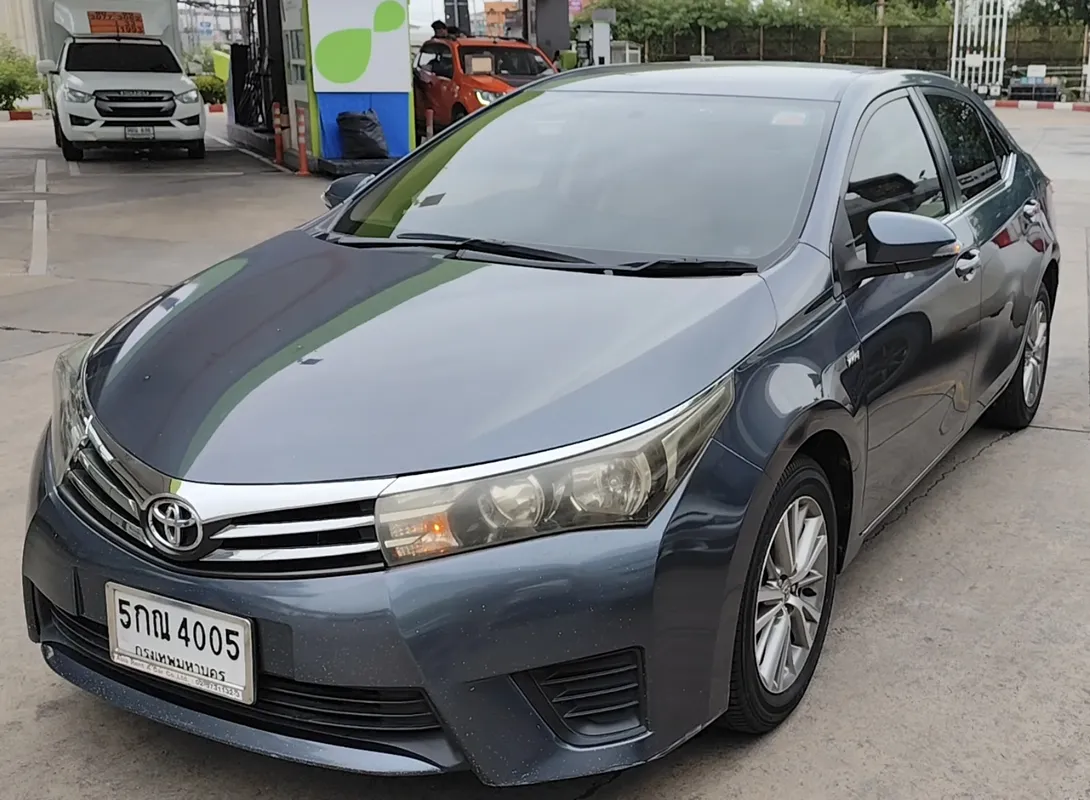
Toyota Veloz Taizemē
Viss bija lieliski, un persona, kas mani uzraudzīja, lai gan mana angļu valoda vēlējās, lai tā būtu labāka, bija pretimnākoša. Tāpēc paldies par pakalpojumu, noteikti izmantotu to vēlreiz 🙏
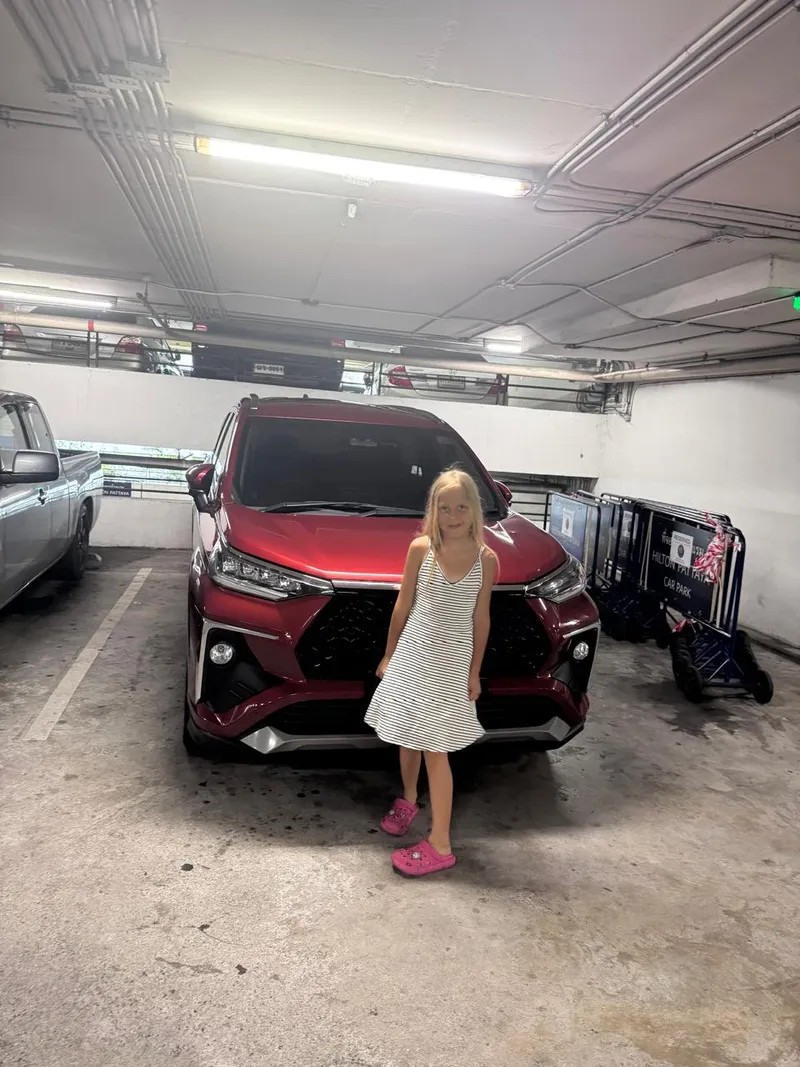

MG 5/GT Taizemē
Viss bija perfekti
Toyota Yaris Ativ Taizemē
Viss ir labs, nav dārgi un ātri! Paldies par auto!

Toyota Yaris Ativ Taizemē
Priekšrocības: Pacelšana lidostā Ātra reģistrēšanās Tehniski labā stāvoklī esošs automobilis Nomas cena. Mīnusi: ārēji automašīnai ir ļoti, ļoti! daudz defektu.
Toyota Yaris Ativ Taizemē
Viss ir super! Paldies puišiem, viņi man palīdzēja ar manu iPad, ko es aizmirsu viesnīcā. Viss laikā un saprotami.

Toyota Vios Taizemē
Man nebija problēmu ar auto nomu. Vienīgā atsauksme ir tāda, ka, iespējams, automašīnas piegādi varētu veikt auto saņemšanas vietā lidostā, lai klientiem nebūtu jāstaigā uz autostāvvietu. Piegādes vietā klientiem ir jāparakstās un jāpārbauda automašīnas fiziskais stāvoklis un jāparakstās (tā būtu ļoti ātra procedūra). Pārējo informāciju par kredītkartes garantijām utt. var veikt tiešsaistē pirms piegādes. Tks

Toyota Yaris Ativ Taizemē
viss bija lieliski, varbūt tikai viena lieta, ko es varu atzīmēt, ir tā, ka puisis, kurš man lidostā nodeva automašīnu, vispār nerunāja angliski 😁 bet tā ir nianse, viss pārējais bija vienkārši lieliski, ātri, skaidri, bez papildu izmaksām un problēmām) liels paldies!


Toyota Veloz Taizemē
Viss gāja lieliski.


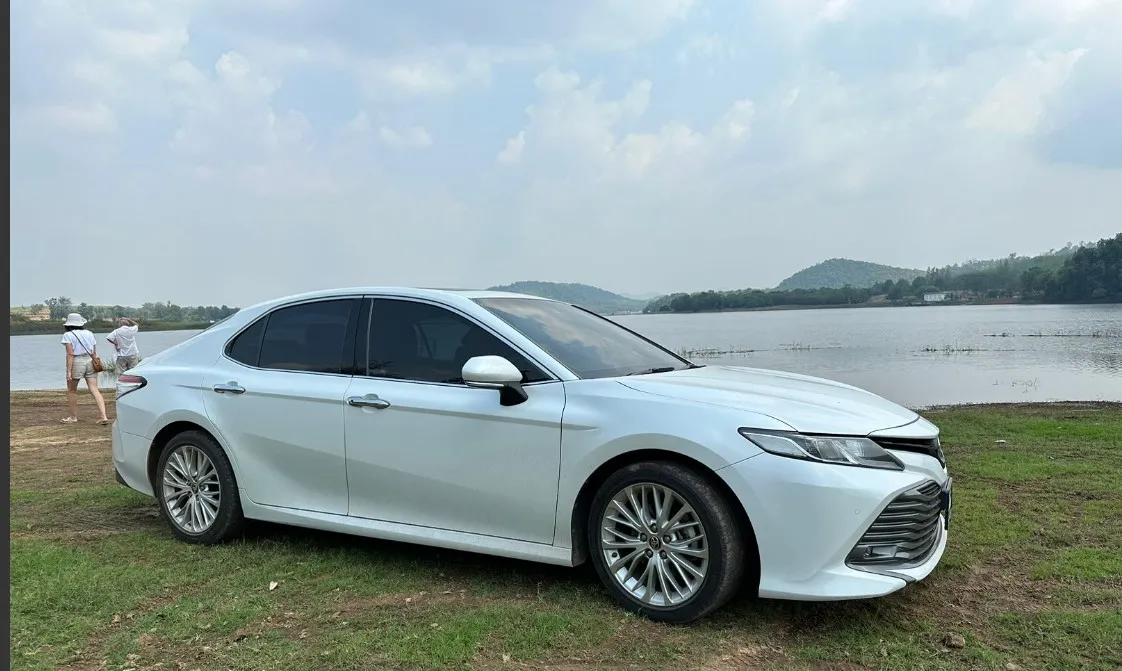
Toyota Camry Taizemē
Viss noritēja labi. Viņi sazinājās ar mani iepriekš, izmantojot WhatsApp lietotni, sagaidīja mani lidostā un nodeva man automašīnu. Ar automašīnu viss bija kārtībā, un viņi man pat piešķīra nedaudz labāku konfigurāciju, nekā mēs bijām plānojuši. Nebija nekādu problēmu ar nodošanu, es to nodevu 5 minūšu laikā izlidošanas sektorā. Īsumā, viss ir kārtībā, paldies!

Nissan Note Taizemē
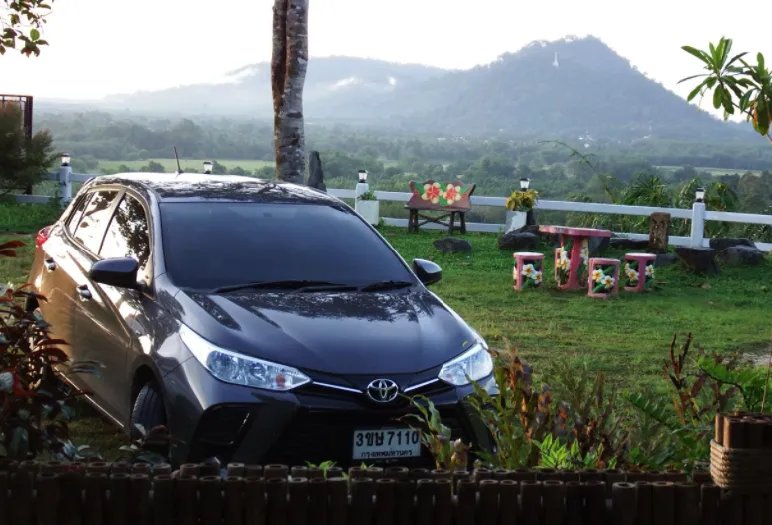
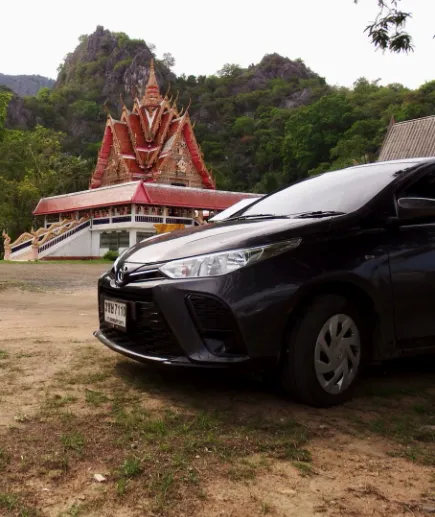
Mums viss gāja lieliski. Automašīna ne reizi neizdevās, es saņēmu un atdevu automašīnu birojā. Nebija nekādu problēmu vai kavējumu. Biju pārsteigts, ka 1,2 l motora pietika jebkuram kalnam. Bagāžnieks ir diezgan ietilpīgs.

-
Depozīts un maksāšanas veids
Depozīts mūsu partneriem ir $85–145, pieņemam skaidrā naudā (USD vai baht) vai bloķējam uz starptautiskās kartes.
-
Pilna apdrošināšana (Super CDW)
$3–17 dienā noņem atbildību par bojājumiem un bieži arī aizvieto depozītu.
-
Piegāde uz lidostu vai viesnīcu
Bangkokā parasti maksas (~$100 vienā virzienā pa pilsētu); Pukеtā un Samui vietējiem partneriem bieži iekļauta cenā.
Nauda: depozīts, apdrošināšana, maksājums
Depozīts
Depozīts mūsu partneriem ir $85–145 atkarībā no auto klases — 2–3 reizes mazāks nekā lielās ķēdes vai lielās ķēdes ($400–600). Skaidrā naudā bahtos vai dolāros, vai bloķēšana uz starptautiskās kartes.
Mūsu depozīts Taizemē vidēji ir $85–145 — bez pārspīlējuma viens no zemākajiem reģionā, salīdzinot ar lielajiem starptautiskajiem tīkliem.
Apdrošināšana
Nomas cenā vienmēr ir iekļauta obligātā civiltiesiskā atbildība ar pamata medicīnisko segumu — to prasa Taizemes likums. Papildus iesakām pilnu apdrošināšanu (Super CDW) — $3–17 dienā. Ar to lielākā daļa partneru depozītu neprasa: izvēlaties starp $17 dienā vai $145 bloķētiem uz kartes. Latvijas ceļojumu apdrošināšana parasti neietver nomas auto bojājumus — Super CDW uz vietas to atrisina.
Ja ņemat pilnu apdrošināšanu, depozītu nemaz nav jāatstāj. Mūsu partneriem Pukеtā tieši šī iespēja: vai nu $145, vai ap $17 dienā par pilno segumu.
Super CDW par $3–17 dienā Taizemē ir saprātīgākā budžeta pozīcija — viens skrāpējums pludmales stāvvietā to vairākkārt atmaksā.
Maksājums uz vietas
Taizemieši mīl skaidru naudu — šeit un tagad, bez gaidīšanas uz pārskaitījumu. Karte arī darbojas, bet tikai starptautiska Visa vai Mastercard. Latvijas Visa un Mastercard kartes Taizemē strādā bez ierobežojumiem, bankomāti arī.
Latvijas Visa un Mastercard kartes šeit darbojas visur bez ierobežojumiem. Tiešsaistes priekšapmaksa mūsu vietnē noslēdz formalitātes vēl pirms izlidošanas.
Braukšana Taizemē: kreisā puse, motocikli, laiks
Kreisās puses kustība
Stūre pa labi, kustība pa kreisi — kā Lielbritānijā, Japānā un Austrālijā. Lielākā daļa Latvijas vadītāju ar to nav saskārušies. Praksē pierodat 1–2 dienās — triks ir pirmajos braucienos izvēlēties klusākus rajonus, nevis uzreiz nirt Bangkokas sastrēguma stundā.
Pie kreisās puses kustības pierodat pāris dienās. Triks — nemēģināt pirmajā vakarā šķērsot Bangkokas centru sastrēguma stundā.
Motociklu plūsma
Motorolleri un mopēdi Taizemē ir atsevišķa ekosistēma. Plūsmā vienmēr ir divreiz vairāk divriteņu nekā automašīnu. Skatieties spoguļos biežāk nekā mājās un nepārkārtojieties bez skaidra vizuāla kontakta.
Motociklu plūsma ir Taizemes ceļu zīmols. Tie parādās no abām pusēm vienlaikus — vienmēr divreiz vairāk nekā auto.
Laiks un stāvvietas
Lietus sezonā (maijs–oktobris) tropu lietusgāze ir norma. Divdesmit minūtes zem benzīntanka jumta, un debesis atkal skaidras. Stāvēt ir vieglāk nekā Rīgas centrā: pie pludmales, pie tempļa, pie iepirkšanās centra — gandrīz viss bez maksas.
Lietus sezonā ielēkt lietusgāzē nav katastrofa, tā ir norma. Divdesmit minūtes zem jumta, un debesis atkal skaidras.
Degviela un sodi
95. benzīna litrs ap $1,5. Lielākā daļa partneru izsniedz auto ar pilnu tvertni un lūdz atdot tāpat. Sodi mēreni: ātruma pārsniegšana ~$30, drošības josta ~$15.
Ja kaut kas iet greizi: avārijas, maiņa, mūsu pakalpojums
Auto ir tehnika, un reizēm sabojājas. Ar vietējiem partneriem šādas lietas atrisinās minūtēs: 24/7 līnija, evakuators tūrisma zonā 1–4 stundās, aizvietojošais auto tajā pašā dienā.
Akumulators izlādējās uz ceļa pie Hua Hin — piezvanījām partnerim, divdesmit minūtēs atbrauca mehāniķis ar jaunu un nomainīja uz vietas, bez piemaksas.
Maiņa un bezmaksas uzlabojums
Ja rezervētais modelis nav pieejams izsniegšanas brīdī, dodam upgrade bez piemaksas. Notiek: klients rezervē Hondu Civic 1.8, lidostā piebrauc Toyota Camry 2.5.
Ja rezervētā auto nav — dodam upgrade. Klients rezervēja Hondu Civic, no lidostas izbrauca ar Toyota Camry — tajā pašā naktī, bez piemaksas.
Sīkas avārijas
Pirmais noteikums: auto nekustēt, līdz ierodas policija (191) un apdrošinātāju pārstāvji. Ar pilno apdrošināšanu klientam nav finansiālu jautājumu — remonts, medicīna, trešās personas bojājumi, visu sedz partneris.
Ar pilno apdrošināšanu klients pēc avārijas maksā nulli. Remonts, medicīna, kāda cita buferis — visu uzņemamies mēs.
Robežas un viensirzienu atdošana
Nomāto auto nedrīkst pārvest pār valsts robežu: Laosa, Kambodža un Malaizija nomai slēgtas. Valsts iekšienē — kur vien gribat. Atdošana citā pilsētā iespējama, bet maksas (Bangkoka → Pukеts ~$285).
Valsts iekšienē varat braukt jebkur — no Bangkokas uz Krabi, no Patajas uz Ko Chang. Ārpus Taizemes līgums robežu slēdz par jums.
Auto nomas cena Taizemē ir atkarīga no sezonas un nomas ilguma.
- janvāris
- februāris
- marts
- aprīlis
- Maijs
- jūnijs
- jūlijs
- augusts
- septembris
- oktobris
- novembris
- decembris
- Jan
- Feb
- Mar
- Apr
- Maijs
- Jun
- Jūlijs
- Aug
- Sep
- Oktobris
- Novembris
- Dec
 Cik maksā auto noma Taizemē: vidējā cena par dienu visām automašīnu klasēm, rezervējot uz 7 dienām.
Biežāk uzdotie jautājumi
Ekonomiskais — $21–27 dienā atkarībā no sezonas. SUV vai septiņvietīgs — no $57 zemajā līdz $71 augstajā sezonā. Ilgtermiņa noma (mēnesis vai vairāk) par 30–40 % lētāka dienā; super-virsotne (25.12–25.01) visdārgākā — rezervējiet 1–2 mēnešus iepriekš.
Tiešs reiss no Rīgas pašlaik nedarbojas. Ērtākie savienojumi: airBaltic ar pārsēšanos Helsinkos uz Finnair lidojumu, Lufthansa caur Frankfurti, Qatar Airways caur Dohu, Turkish Airlines caur Stambulu. Kopējais ceļojuma laiks parasti 14–17 stundas.
Nē, ja uzturēšanās līdz 60 dienām. Kopš 2024. gada Latvijas pilsoņi ieceļo bez vīzas — zīmogs lidostā, bez pieteikuma, bez maksas. Pasei jābūt derīgai vismaz 6 mēnešus no ieceļošanas.
Ielidošanai novembrī–februārī: 1–2 mēnešus iepriekš. Super-virsotnei (25.12–25.01) vēl agrāk — līdz 20. decembrim brīvi auto parasti neatliek pat lielākajiem partneriem. Maijā–oktobrī var rezervēt tuvāk datumam, cenas par 30–40 % zemākas.
$85–145 atkarībā no partnera un auto klases. Skaidrā naudā (baht vai USD) vai bloķēšana uz starptautiskās kartes. Ar pilno apdrošināšanu vairums partneru depozītu nemaz neprasa.
Pase, valsts autovadītāja apliecība latīņu burtos (Latvijas apliecība to atbilst) un karte vai skaidra nauda depozītam. Iesakām arī Starptautisko autovadītāja apliecību (SAA) no CSDD, lai gan partneri to formāli neprasa.
Jā. Taizeme atzīst Starptautisko autovadītāja apliecību saskaņā ar 1949. gada Ženēvas konvenciju, ko Latvija ir ratificējusi. CSDD to izsniedz vienā dienā. Ar to visi jautājumi ar satiksmes policiju atkrīt.
Obligātā civiltiesiskā atbildība ar pamata medicīnisko segumu vienmēr iekļauta saskaņā ar Taizemes likumu. Pilna apdrošināšana (Super CDW) ir izvēles — $3–17 dienā. Latvijas ceļojumu apdrošināšana parasti nesedz nomas auto bojājumus, tāpēc Super CDW šeit ir jēga.
Pa kreiso — kā Lielbritānijā, Japānā un Austrālijā. Stūre pa labi. Pielāgošanās prasa 1–2 dienas. Pirmajiem braucieniem izvēlieties klusus rajonus un nedodieties uzreiz Bangkokas sastrēgumā.
Auto nekustēt. Zvaniet policijai (191) un nomas partnerim — visiem partneriem ir 24/7 līnija. Gaidiet policiju un abu pušu apdrošinātājus, nofotografējiet visu. Ar pilno apdrošināšanu finanšu pusi noslēdz nomnieks.
Lielākajai daļai mūsu partneru Taizemē kilometrāža neierobežota, īpaši lidostās un ilgtermiņa nomā. Ērti road trip — varat braukt pus valsts neskaitot kilometrus.
Jā, ar piegādes maksu. Vienas pilsētas robežās (Bangkokas lidosta → Bangkokas viesnīca) parasti bez maksas vai $5–15. Starp pilsētām dārgāk: Bangkoka → Pukеts ap $285. Lielākā daļa klientu atdod tur, kur paņēma.
Nē. Valsts robežas šķērsošana ir aizliegta visu mūsu partneru līgumā. Ja maršrutā ir cita Dienvidaustrumāzijas valsts, atdodiet auto uz robežas un noīrējiet jaunu otrā pusē.
Partneru līgumi aizliedz pārvest nomāto auto ar prāmi uz Samui vai Pha-ngan — apdrošināšanas tehnisks ierobežojums. Ērtāk noīrēt atsevišķu auto uz salas: Samui flotē ir 21 modelis ar piegādi no USM lidostas iekļautu.
Ap $1,5 par litru 95. (~50–55 baht/litrs). Dīzelis ap $0,10 lētāks. PTT, Bangchak, Shell un Esso ir visur — apkalpotājs uzpilda, karte un skaidra nauda pieņemta. Lielākā daļa partneru izsniedz auto ar pilnu tvertni un lūdz atdot tāpat.