


Prise en charge


Retour
🎁 Utilisez le code WELCOME3 lors du paiement pour obtenir une remise sur votre première réservation avec nous. Profitez-en ! ☀️

Location de voiture en Thaïlande, ce n'est pas une excursion ponctuelle — c'est la façon dont vous vivez ici pendant plusieurs semaines. La plupart des voyageurs viennent pour un séjour long : escapade hivernale de novembre à mars, vacances de deux ou trois semaines, road trip entre amis à travers les îles. Avec une voiture vous nagez dans trois baies dans la même journée, vous montez à un temple de montagne en route et vous êtes rentrés à l'hôtel pour le dîner. Sans voiture, vous verrez la plage à côté de l'hôtel et quelques marchés — la Thaïlande est trop vaste et trop variée pour s'en contenter.
Travailleurs en distanciel, jeunes couples, familles avec enfants, groupes d'amis à Phuket et Samui — voilà le profil type. Depuis Paris, Bangkok est très accessible : Air France opère un vol direct quotidien CDG–BKK en Boeing 777, environ 11 h. Thai Airways assure également le direct CDG–BKK en Airbus A350. Les ressortissants français bénéficient de 60 jours sans visa (tampon à l'arrivée, depuis 2024). Votre permis français en alphabet latin est accepté par nos partenaires sur place.
Un couple de Lyon est arrivé à HKT en février, a signé le contrat sur le capot à la sortie des arrivées et roulait sur la route de la côte ouest vers Karon en moins de dix minutes. La navette des grandes chaînes attendait encore les derniers passagers.
TakeCars opère dans quatre lieux clés : location de voiture à Bangkok, louer une voiture à Pattaya, location auto à Phuket et voiture de location à Koh Samui. Partout, des partenaires locaux vérifiés, des conditions transparentes, une caution en espèces ou par carte, et la livraison directe au terminal. La plupart des clients récupèrent à l'aéroport et rendent au même endroit quelques semaines plus tard — sans logistique supplémentaire.
Prix et saisons
Le tarif dépend de deux facteurs simples — le modèle et la durée. Les voitures économiques (Toyota Yaris, Honda City, Nissan Note, Mitsubishi Mirage) démarrent à $21 (~19 €) par jour en basse saison ; en haute saison (novembre–février) le même véhicule coûte $24–27. SUV et sept places type Toyota Veloz ou Mitsubishi Pajero partent de $57 en basse saison et montent à $71 au pic.
La durée est le principal levier d'économie. Une voiture à $30 par jour en semaine descend à environ $21–22 sur 25–30 jours. La plupart des clients réservent pour trois semaines ou plus, et toute la grille tarifaire est construite autour de la longue durée.
Une semaine et un mois sont deux tarifs différents. Ce qui coûte $30 par jour sur une semaine descend à $21–22 sur un long séjour — la remise longue durée habituelle.
La saisonnalité fonctionne aussi dans l'autre sens. Du 25 décembre au 25 janvier c'est l'ultra-pointe : même chez les partenaires avec 2 500 voitures en flotte, il faut 1–2 mois d'avance, sinon plus rien de libre. Basse saison de mai à octobre : humidité et pluies, mais prix 30–40 % plus bas et routes presque vides.
En décembre dernier, un couple a voulu réserver un Yaris le 18 pour la semaine de Noël. Rien à Phuket, rien à Bangkok, rien à Pattaya. Ils ont fini dans un Pajero au double du tarif — et même celui-là avait disparu le 22.
En pratique : de mai à début novembre vous pouvez généralement vous arranger à l'arrivée. À partir de mi-novembre, bouclez la réservation avant d'acheter le billet d'avion.
La plupart des touristes en Thaïlande commencent leur voyage ici
Où récupérer la voiture
La plupart des voitures sont récupérées à l'aéroport : Suvarnabhumi (BKK) et Don Mueang (DMK) à Bangkok, Phuket International (HKT) et Samui (USM, l'un des terminaux les plus pittoresques du pays).
Location de voiture à Bangkok — environ 40 modèles dans la flotte. La plupart des gens prennent la voiture pour sortir de la ville : à l'intérieur, le BTS Skytrain et Grab vont plus vite que de patienter dans le trafic. Sur la route de Pattaya, Hua Hin ou Kanchanaburi, la voiture est indispensable.
Location auto à Phuket — environ 35 véhicules. Ici la voiture, c'est le quotidien : les plages s'étirent de Karon à Mai Khao, presque aucun bus entre elles, et la route de la côte ouest n'est qu'une suite de virages. La livraison à l'hôtel est généralement incluse.
Une famille à Phuket a gardé son Yaris Ativ pendant trois semaines en mars, l'a utilisé comme une seconde chambre — plage le matin, point de vue de Promthep avant le coucher du soleil, dîner tardif à Kata. Ils ont fait peut-être 800 km en tout et n'ont jamais payé de stationnement.
Voiture de location à Koh Samui — 21 modèles. Toyota Yaris Ativ, Mitsubishi Attrage et Honda Brio sont les chevaux de trait. En une journée vous bouclez la route circulaire, vous vous arrêtez aux points de vue et vous êtes rentrés à votre plage pour le coucher du soleil.
Louer une voiture à Pattaya — votre base pour les excursions vers Ko Chang, Rayong et les plages de Jomtien. La route Bangkok–Pattaya est la seule autoroute à péage dans cette direction (~$1–2 par poste).
Un client à Samui a pris notre Honda Brio en août, a fait la route circulaire en une matinée, s'est arrêté au Big Buddha, puis déjeuner à Lamai, et nageait à Chaweng vers seize heures. Tout le tour est passé sur un demi-réservoir.
Pattaya se combine naturellement avec les plages de Rayong et Khao Kheow pour la deuxième semaine. Pour Ko Chang, laissez la voiture de location sur le continent et prenez un scooter local après le ferry — le contrat ne couvre pas la voiture sur le bateau.

Nissan Note en Thaïlande
Tout va bien 👍🏻

Toyota Yaris Ativ en Thaïlande
Tout s'est très bien passé !
Nissan Note en Thaïlande
Excellent service, tout s'est bien passé, la voiture était en bon état, nous avons été retardés à l'aéroport d'environ une heure mais un membre du personnel nous a attendu patiemment. Merci encore pour la voiture et votre excellent service. Nous vous contacterons à nouveau !
Honda HR-V en Thaïlande
tout s'est très bien passé, merci.
Honda City en Thaïlande
Le processus de location a été très facile, la voiture répondait à toutes nos exigences. Il était également important que nous puissions la conduire jusqu'à l'île. Merci beaucoup, je recommanderais à d'autres voyageurs.
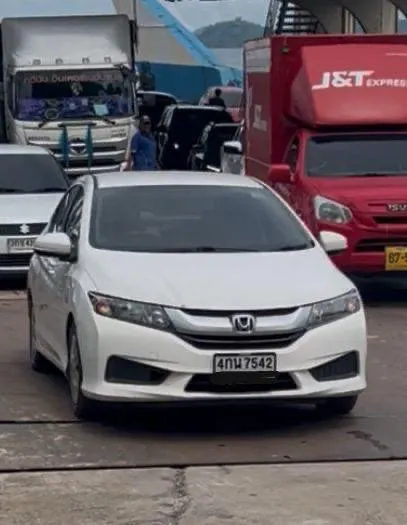
Honda City en Thaïlande
Accueil à l'aéroport de Suvarnabhumi pour la prise en charge (attente avec un panneau) et remise de la voiture à l'heure spécifiée. Prix raisonnables, en gros une belle voiture Honda City. S'il n'y avait pas eu une chose. A la fin du voyage, dans les environs de Bangkok, la voiture est tombée en panne sur l'autoroute. Nous avons contacté Joey, qui a rapidement appelé une dépanneuse, qui nous a retiré gratuitement de l'autoroute et nous a envoyé une voiture de remplacement Toyota Altis, sans frais supplémentaires. La caution a été intégralement remboursée lorsque nous avons rendu la voiture. De plus, nous avons vérifié à la réception - comment quitter le parking de l'aéroport Suvarnabhumi, ils ont dit gratuit sur le billet, mais nous avons été facturés 80 bahts à la sortie, une petite chose, mais le résidu est resté.
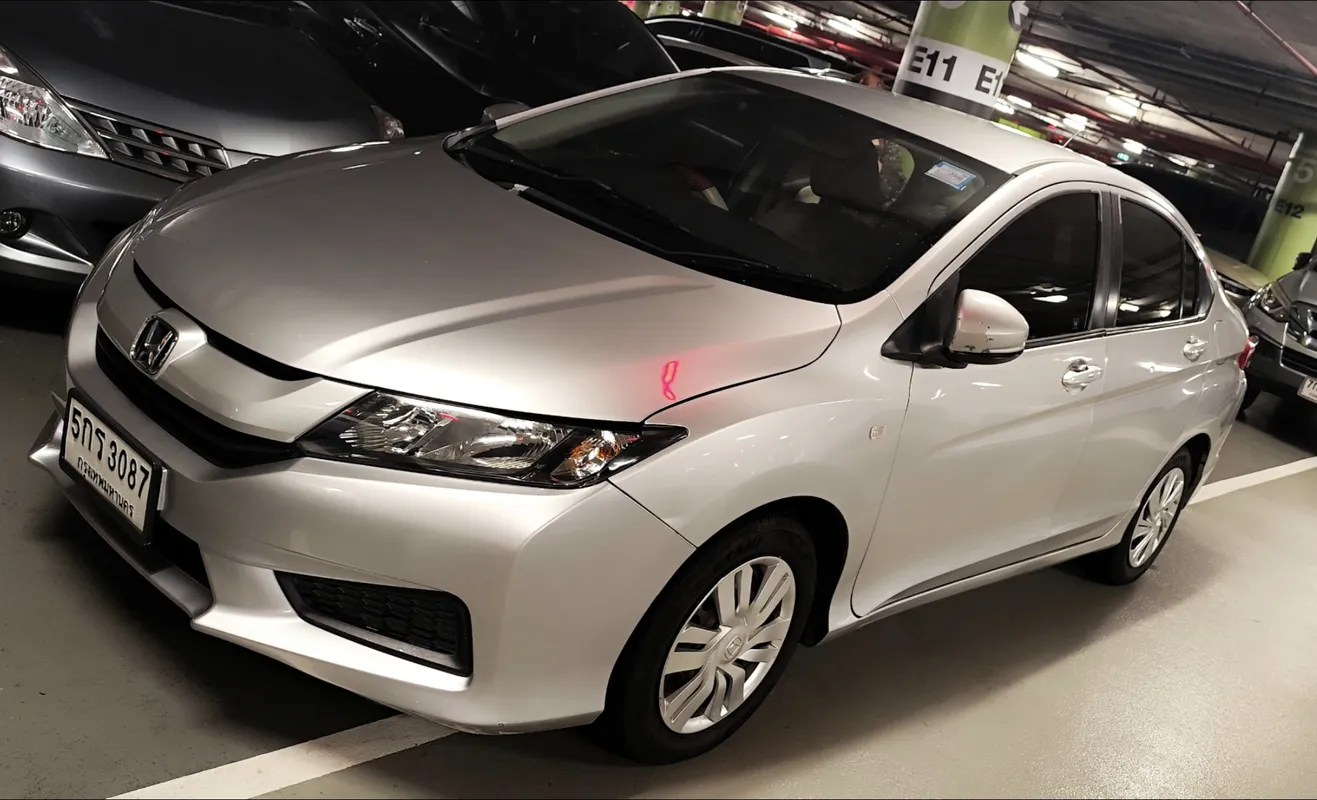
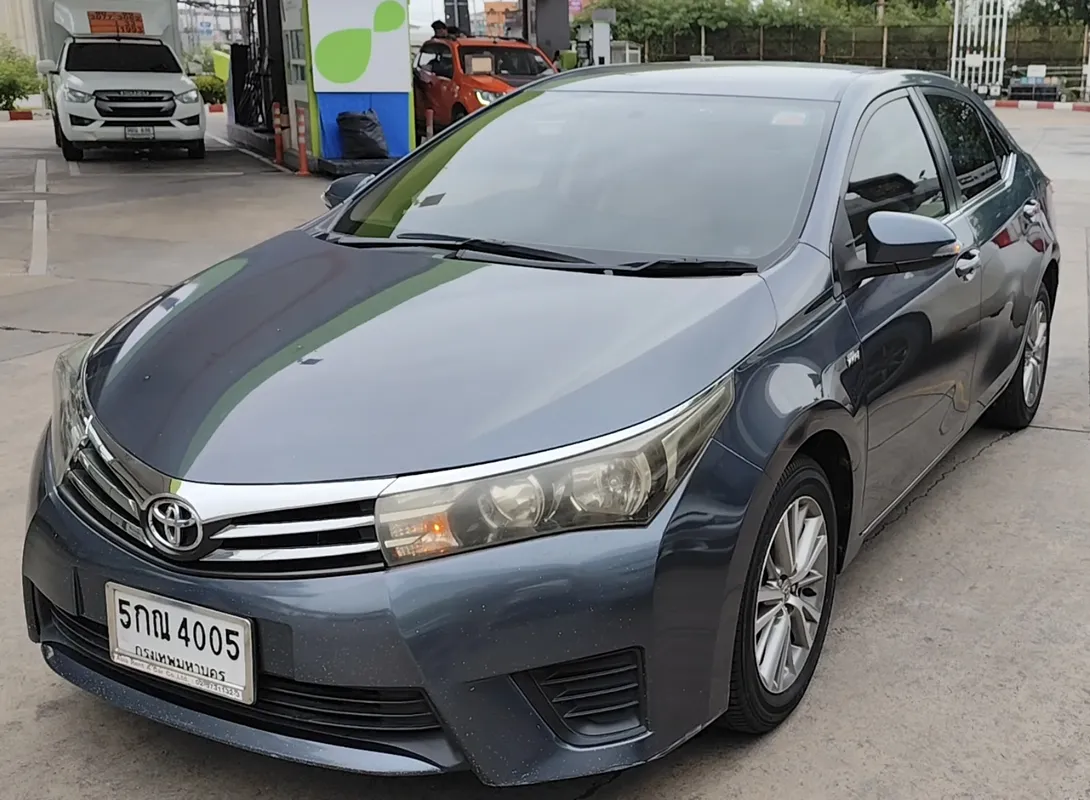
Toyota Fortuner en Thaïlande
Tout est parfait !

Toyota Yaris Ativ en Thaïlande
J'ai pris une Nissan Note, et dans l'ensemble tout s'est bien passé, la voiture a été livrée à l'aéroport à l'heure, récupérée à l'hôtel près de l'aéroport, excellent service, excellente location.
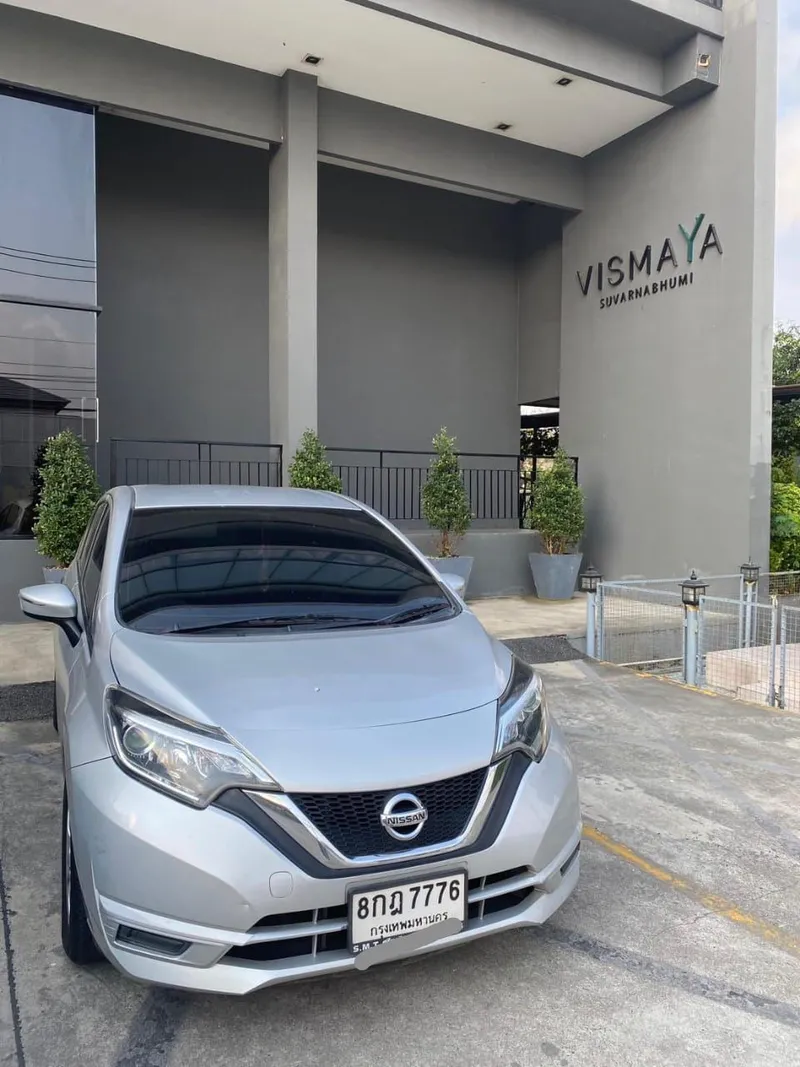

Toyota Vios en Thaïlande
Tout s'est très bien passé Entièrement satisfait

Toyota Yaris Ativ en Thaïlande
Tout s'est bien passé, accueil à l'aéroport, remise de la voiture Toyota Yaris. Tout a pris environ 10 minutes. La voiture n'est pas tout à fait fraîche, elle ronronnait en accélérant, mais pour la durée d'utilisation (15 ans) il n'y a pas eu de problèmes avec elle. La voiture a été remise rapidement, ils ont rendu la caution laissée à la réception. Je recommande vivement cette société, toutes les questions sont résolues rapidement, dans la ceinture de location il y a toujours une personne au téléphone avec qui vous pouvez résoudre les problèmes. Évaluation ⭐⭐⭐⭐⭐

Toyota Yaris Ativ en Thaïlande
Tout était terrible. La voiture était terrible, à la fin du voyage notre air conditionné a cessé de fonctionner.
Nissan Note en Thaïlande
Dans l'ensemble, tout va bien ! Je vous remercie de tout cœur !
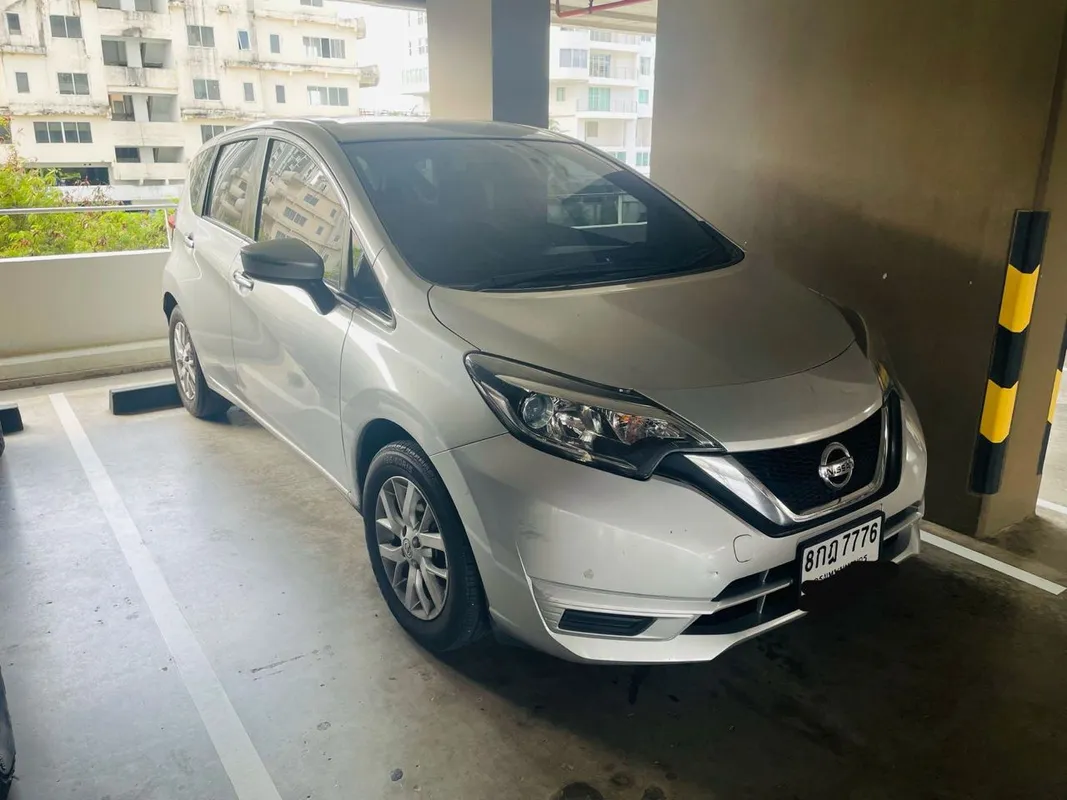
Toyota Yaris Ativ en Thaïlande
Tout s'est très bien passé, la voiture a été livrée à l'aéroport, la voiture était conforme à la description, nous avons passé 10 jours à voyager confortablement. Au départ, la voiture nous a également été rendue sur le parking de l'aéroport, ce qui était très pratique pour nous, merci pour le service.

-
Caution et mode de paiement
Caution chez nos partenaires : $85–145, en espèces (USD ou baht) ou empreinte sur carte internationale.
-
Assurance tous risques (Super CDW)
$3–17 par jour vous libère de la responsabilité des dommages et supprime souvent la caution.
-
Livraison à l'aéroport ou à l'hôtel
À Bangkok généralement payante (~$100 aller en ville) ; à Phuket et Samui les partenaires locaux l'incluent le plus souvent.
Argent et caution
Caution
La caution chez nos partenaires va de $85 à $145 selon la classe du véhicule — 2 à 3 fois moins que chez les grandes chaînes internationales ($400–600 bloqués sur une carte de crédit). Espèces en baht ou en dollars, ou empreinte sur n'importe quelle carte internationale.
Assurance
Le prix comprend toujours la responsabilité civile obligatoire (CTPL) — exigée par la loi thaïlandaise, avec une couverture médicale minimale. Nous recommandons en plus l'assurance tous risques (Super CDW) à $3–17 par jour. Avec elle, la plupart des partenaires ne prennent pas de caution : choix entre $17 par jour ou $145 bloqués sur la carte. L'assurance auto française ne couvre généralement pas les dommages au véhicule loué — le Super CDW pris sur place résout la question.
Un couple d'Amsterdam avait pris la couverture de base en avril sur une réservation à Phuket, a frotté un trottoir en descendant du point de vue de Patong et a perdu la moitié de la caution sur un seul pare-chocs. La semaine d'après, ils ont payé $14 par jour de tous risques et n'ont plus sursauté à chaque songthaew.
Paiement sur place
Les loueurs thaïlandais aiment le cash — ici et maintenant, sans attendre un virement. La carte fonctionne aussi : Visa et Mastercard sont acceptées partout dans le pays. Pour le prépaiement en ligne, notre site gère les principaux réseaux européens, donc la réservation est réglée avant le décollage.
Le prépaiement en ligne, ça veut dire que vous arrivez avec tout en ordre — le partenaire a votre nom, la voiture est prête, et les papiers se signent en cinq minutes au bord du trottoir.
En pratique la plupart des clients combinent : prépaiement en ligne pour la réservation, règlement en cash sur place pour les extras (livraison, tous risques optionnel).
Conduire en Thaïlande
Conduite à gauche
Volant à droite, circulation à gauche — comme au Royaume-Uni, au Japon et en Australie. La plupart des conducteurs venus du continent n'ont jamais essayé. On s'y fait en 1–2 jours. Choisissez d'abord des zones calmes ; ne vous jetez pas dans l'heure de pointe de Bangkok dès le premier jour.
Commencez par les rues tranquilles autour de l'hôtel le premier matin. Au deuxième après-midi vous aurez oublié de quel côté vous rouliez chez vous.
Le flot de motos
Scooters et motos forment ici un écosystème à part. Il y a toujours deux fois plus de deux-roues que de voitures dans la circulation, et davantage encore dans les zones à songthaew. Vérifiez les rétroviseurs plus souvent qu'en France et ne changez jamais de file sans contact visuel. La règle thaïe : les motos peuvent venir de n'importe où, y compris du mauvais côté d'un sens unique.
Météo et stationnement
En saison des pluies (mai–octobre), une averse tropicale est la norme, pas une catastrophe. Vingt minutes sous l'auvent d'une station-service et le ciel se dégage. Le stationnement est plus facile que dans la plupart des villes françaises : à la plage, au temple, au centre commercial — presque tout est gratuit.
Une voyageuse s'est fait surprendre par un déluge à Krabi en septembre au retour de Railay. Elle s'est garée dans une PTT, a commandé un café, a regardé la route se transformer en rivière, puis a roulé sur l'asphalte sec vingt minutes plus tard. Rien de dramatique — c'est juste comme ça en octobre.
Carburant et amendes
Le litre d'essence 95 coûte environ $1,50. La plupart des partenaires livrent la voiture avec le plein et demandent le retour avec le plein. Les amendes sont modérées : excès de vitesse autour de $30, ceinture autour de $15.
Quand ça tourne mal
Une voiture est une mécanique et tombe parfois en panne. Avec les partenaires locaux, ça se règle vite : hotline 24/7, dépanneuse en 1–4 heures dans n'importe quelle zone touristique, voiture de remplacement le jour même.
La batterie d'un client a lâché en mars sur la route près de Hua Hin. Un appel au partenaire, vingt minutes plus tard un mécanicien arrivait avec une neuve — montée sur le bas-côté, sans supplément.
Substitution et surclassement gratuit
Si le modèle réservé n'est pas disponible, nous remettons un surclassement gratuit. Un client réserve une Honda Civic 1.8, et à l'aéroport c'est une Toyota Camry 2.5 qui se présente — voilà comment ça fonctionne. La règle est simple : le client ne repart jamais avec moins de voiture que ce qu'il a payé.
Petits accidents
Première règle : ne pas bouger la voiture jusqu'à l'arrivée de la police (191) et des représentants des assurances. Avec le tous risques, aucune question financière — réparation, soins, dommages à des tiers, tout est pris en charge par le partenaire. Le travail du conducteur : attendre, photographier, garder son calme.
Un voyageur à Pattaya a accroché une moto stationnée en octobre. La police est arrivée en quinze minutes, le coordinateur du partenaire était au téléphone en cinq. Le tous risques a tout absorbé — réparation, visite du motard à la clinique, et même l'essence brûlée à tourner au ralenti sur le trottoir.
Frontières et restitution
La voiture de location ne peut pas franchir de frontière internationale : Laos, Cambodge et Malaisie sont fermés sous tous les contrats partenaires. À l'intérieur de la Thaïlande, tout est libre — Bangkok à Krabi, Pattaya à Rayong, la grande boucle de la côte ouest de Phuket. Une restitution dans une autre ville (aller simple) coûte un supplément (Bangkok → Phuket environ $285).
Les tarifs en Thaïlande varient tout au long de l'année en fonction de la saison et de la durée de location.
- janvier
- février
- mars
- avril
- Mai
- juin
- juillet
- août
- septembre
- octobre
- novembre
- décembre
- Janv
- Févr
- Mars
- Avr
- Mai
- Juin
- Juil
- Août
- Sept
- Oct
- Nov
- Déc
 Louer une voiture en Thaïlande coûte en moyenne : tarifs journaliers moyens pour une location de voiture d'une semaine, toutes classes de voiture confondues. Livraison dans tout le Thaïlande non incluse.
Questions fréquentes
Les voitures économiques sont à $21–27 par jour selon la saison. Un SUV ou sept places démarre à $57 en basse saison et monte à $71 au pic. La location longue (un mois ou plus) est 30–40 % moins chère par jour ; l'ultra-pointe du 25 décembre au 25 janvier est la plus chère — réservez 1 à 2 mois à l'avance.
Pour une arrivée entre novembre et février, réservez 1 à 2 mois à l'avance. Pour l'ultra-pointe du 25.12 au 25.01, encore plus tôt — au 20 décembre il ne reste généralement plus rien, même chez les plus gros partenaires. De mai à octobre, vous pouvez réserver plus près de la date, et les tarifs sont 30–40 % plus bas.
$85–145 selon le partenaire et la classe du véhicule. Acceptée en baht ou en dollars américains en espèces, ou en empreinte sur une carte internationale. Avec l'assurance tous risques, la plupart des partenaires ne prennent aucune caution.
Passeport, permis national en alphabet latin (le permis français convient) et une carte ou des espèces pour la caution. Nous conseillons aussi un Permis International, même si nos partenaires ne l'exigent pas formellement.
Nos partenaires remettent la voiture contre votre permis national tant qu'il est en alphabet latin — c'est le cas de la plupart des permis européens. Pour la tranquillité sur la route nous conseillons le PIC : gratuit, rapide à obtenir en préfecture ou sur le portail ANTS, et il évite toute discussion à un contrôle.
Oui. Nos partenaires acceptent les cartes de crédit et de débit internationales, et la plupart prennent aussi les espèces pour la caution. C'est une différence clé avec les grandes chaînes internationales, qui ne travaillent généralement qu'avec une carte de crédit.
La responsabilité civile obligatoire (CTPL), avec couverture médicale minimale, est toujours incluse par la loi thaïlandaise. L'assurance tous risques (Super CDW) est optionnelle, $3–17 par jour. Avec elle, le client ne paie rien en cas d'accident, y compris les dommages à des tiers.
Ne bougez pas la voiture. Appelez la police (191) et le loueur — tous nos partenaires ont une hotline 24/7. Attendez la police et les représentants des assureurs des deux parties, photographiez tout. Avec le tous risques, le loueur gère la partie financière.
À gauche — comme au Royaume-Uni, au Japon et en Australie. Le volant est à droite. L'adaptation prend 1 à 2 jours. Pour les premiers trajets, choisissez des zones calmes et évitez l'heure de pointe à Bangkok. Les conducteurs expérimentés s'adaptent souvent en une soirée.
Chez la plupart de nos partenaires en Thaïlande le kilométrage est illimité, surtout aux aéroports et en location longue. Pratique pour un road trip : vous traversez la moitié du pays sans compter. Seuls quelques tarifs locaux à bas prix imposent un plafond quotidien de 200 km.
Oui, moyennant des frais. À l'intérieur de la même ville (aéroport de Bangkok vers un hôtel à Bangkok) c'est généralement gratuit ou $5–15. Entre villes c'est plus cher : Bangkok → Phuket environ $285. La plupart des clients rendent au point de retrait.
Non. Franchir une frontière internationale est interdit par le contrat de tous nos partenaires en Thaïlande. Si votre itinéraire inclut un autre pays d'Asie du Sud-Est, rendez la voiture à la frontière et louez-en une nouvelle de l'autre côté.
Les contrats partenaires interdisent d'embarquer la voiture de location sur le ferry — c'est une restriction technique d'assurance. Le plus simple est de louer une voiture sur l'île : à Samui nous avons 21 modèles en flotte, livraison depuis l'aéroport USM incluse.
Environ $1,50 le litre de 95 (~50–55 baht le litre). Le diesel est environ $0,10 moins cher. PTT, Bangchak, Shell et Esso sont partout — le pompiste sert à la pompe, carte et espèces fonctionnent. La plupart des partenaires livrent avec le plein et demandent un retour à l'identique.
Oui, avec une prudence raisonnable. Les principaux ajustements sont la conduite à gauche, le flot dense de motos et les averses courtes mais intenses. La voiture est nettement plus sûre que le deux-roues. Conduisez défensivement le premier jour, évitez la vitesse de nuit hors des zones touristiques, et tout se passera bien.