


Prise en charge


Retour
🎁 Utilisez le code WELCOME3 lors du paiement pour obtenir une remise sur votre première réservation avec nous. Profitez-en ! ☀️

Location de voitures en Turquie ouvre le pays comme aucune navette ni excursion organisée. Les distances sont grandes, le réseau routier solide, et l'essentiel — de la côte lycienne à la Cappadoce — se trouve à quelques heures de l'aéroport. La flotte locale est large, les aéroports sont bien desservis, et la voiture est ici le moyen le plus naturel de tout voir.
Pour la plupart des voyageurs, la voiture fait partie du séjour. Trois ou quatre jours depuis un club tout inclus pour rejoindre Pamukkale ; une quinzaine sur la côte entre Antalya et Kaş ; ou une liaison ville à ville en intersaison.
Un couple arrivé à Antalya en mai dernier a signé le contrat sur le capot près de la porte D. Cinq minutes, voucher, clés, direction la D400. La navette du loueur de chaîne n'était pas encore partie.
Le paiement est simple. Visa, Mastercard, Maestro et sans contact sont acceptés partout ; les cartes de crédit ne sont exigées que par les chaînes internationales. Les loueurs locaux acceptent les cautions en espèces en EUR, USD ou livres turques. La plupart règlent un acompte en ligne de 15–20 % et soldent le reste sur place.
Faut-il une carte de crédit pour louer ici ? Pas chez nous. Une carte Boursorama, N26 ou Revolut France suffit chez presque tous les loueurs locaux.
La flotte démarre par la Fiat Egea — la voiture de location la plus répandue — et monte jusqu'aux monospaces huit places. La plupart des véhicules sont de 2020 ou plus récents.
Ce qu'il faut pour louer
L'essentiel tient en peu de choses : un passeport avec le tampon d'entrée et un permis valide. Le permis B européen est accepté directement, sans démarche supplémentaire. Pour les permis hors UE en alphabet non latin, un Permis International (Carte Internationale de Circulation, via l'ANTS) est exigé. Pour un permis français classique, aucune formalité.
Pour un permis B français, rien à préparer — il est accepté tel quel à tous les comptoirs. La Carte Internationale n'a d'utilité que pour les permis dans un alphabet non latin.
L'âge minimum est 21 ans avec au moins deux ans de permis. Les modèles premium, 4×4 et monospaces exigent généralement 25 ans. Les conducteurs de moins de 25 ans paient une surcharge jeune conducteur d'environ 10 $/jour chez la plupart des loueurs locaux.
Le paiement s'adapte aux clients européens. Visa, Mastercard, Maestro, sans contact, Apple Pay et Google Pay fonctionnent pour l'acompte. À la prise en main, les loueurs locaux acceptent aussi les espèces en EUR, USD ou livres turques ; les chaînes exigent une carte de crédit au nom du conducteur principal.
Apportez une carte de débit et deux cents euros en espèces. Cela couvre presque toutes les combinaisons — caution, plein d'appoint ou café à l'aéroport.
Avant de quitter le parking, vérifiez la voiture : modèle, année, boîte, type de carburant. Les substitutions discrètes « dans la même catégorie » arrivent en haute saison.
La plupart des touristes en Turquie commencent leur voyage ici
Combien ça coûte
Les tarifs suivent la saison. En basse saison, une Fiat Egea démarre à 8–10 $/jour en manuelle et 12–15 $ en automatique. Les modèles intermédiaires comme la Renault Megane ou la Peugeot 308 se situent entre 12 et 20 $. Les monospaces familiaux : 60–80 $.
En haute saison (juin–septembre), les prix triplent : Egea à partir de 35 $, intermédiaire 45–55 $, monospace 120–180 $. Sur la côte en juillet–août, les meilleures voitures partent deux à trois semaines à l'avance, donc louer une voiture à Bodrum ou Antalya se réserve tôt.
Août à Antalya est complet un mois à l'avance. Une famille arrivée à AYT l'été dernier sans réservation s'est retrouvée avec une Egea manuelle au tarif d'une Duster.
Au-delà du tarif journalier, le bon inclut généralement : responsabilité civile (obligatoire), CDW de base, surcharge aéroport, Super CDW optionnel (assurance tous risques), surcharge jeune conducteur et frais d'aller simple. Les péages et amendes sont facturés ensuite avec une petite commission.
Le prix sur le bon est le prix payé. Si ce n'est pas dans le détail, ce ne sera pas sur la facture.
Les cautions en espèces : environ 100 $ pour une économique, 200–300 $ pour une intermédiaire, jusqu'à 500 $ pour un monospace. Certains loueurs proposent un tarif sans caution si vous payez l'assurance tous risques.

Renault Clio 5 en Turquie
Très satisfait de la location, tout était très confortable, la location de la voiture elle-même et la remise du véhicule. Nous avons eu une voiture de remplacement pour une voiture similaire, car ces voitures n'ont pas été laissées sur place. Les jeunes hommes qui ont amené et récupéré la voiture étaient prêts à nous aider pour toute question. Vous avez un site web et des conditions de location de voiture très pratiques !
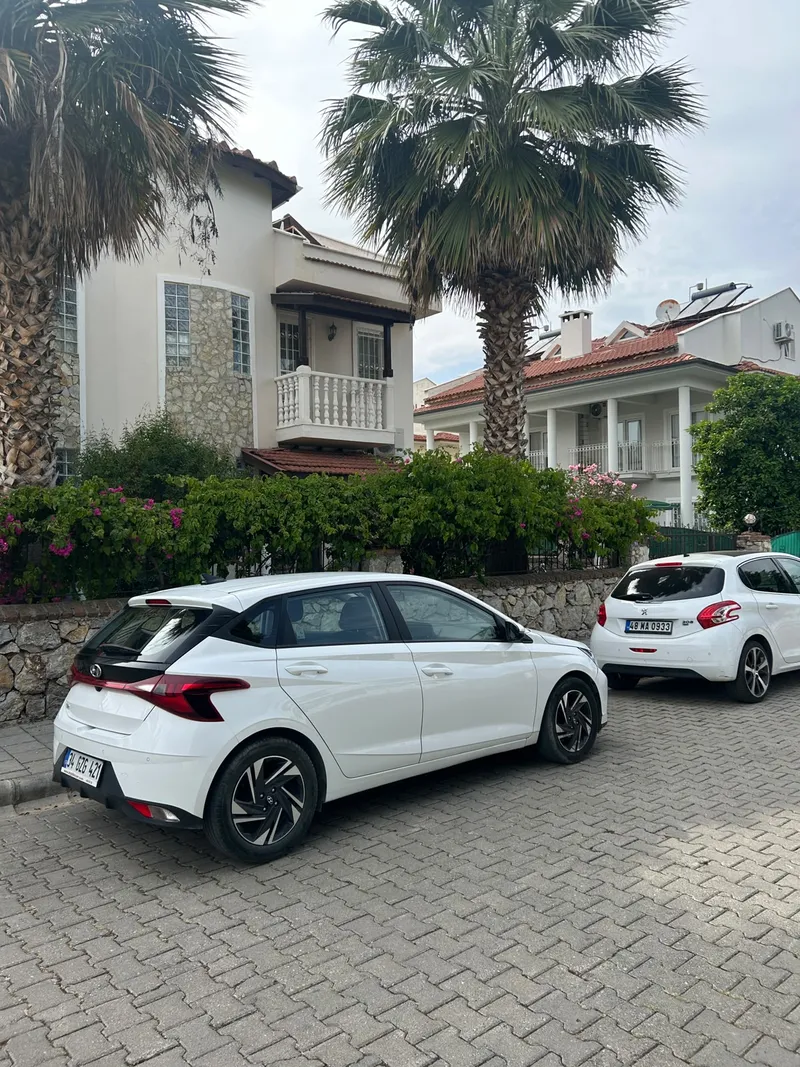
Opel Corsa en Turquie
Tout va bien ! La voiture a été livrée avec un peu de retard. La voiture est en très bon état, il y avait quelques éclats et rayures dans la peinture, mais tout est parfait ! Conditions excellentes et favorables
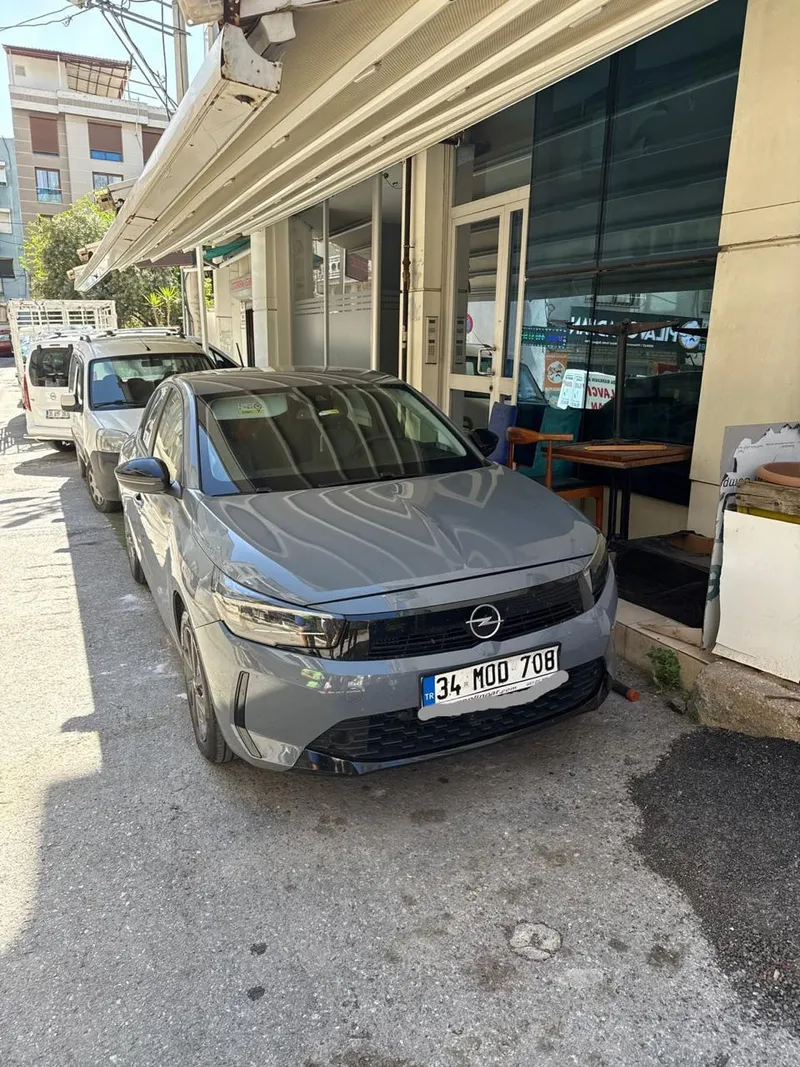
Renault Clio 5 en Turquie
Au lieu d'une Renault Clio, on nous a donné une Hyundai I20, ce qui n'est pas critique. La voiture est propre et livrée à temps. Les impressions sur le service et la voiture sont très positives. Il n'y a pas eu de problèmes pendant le fonctionnement.
Renault Clio 5 en Turquie
Tout s'est très bien passé. Nous avons été satisfaits))) Le fait que nous ayons pu louer une voiture sans caution et payer en espèces a été un énorme avantage, car il était impossible de le faire dans d'autres sociétés. Nous avons été accueillis à l'aéroport et on a répondu à toutes nos questions. Les vacances ont été inoubliables et avec un maximum de confort. Merci beaucoup pour votre professionnalisme ! Nous ferons certainement de nouveau appel à vos services).

Fiat Egea en Turquie
Tout s'est bien passé, mais le trajet a été long, ce serait bien si vous pouviez livrer la voiture dans la ville.

Renault Clio 5 en Turquie
Je voudrais partager mes impressions sur mon voyage en Turquie en septembre 2024 et la location de voiture avec TakeCars. J'ai réservé une Reno Clio avec assurance tous risques pour 7 jours sur le site de TakeCars. Lors de la réservation sur le site, j'ai payé une partie du montant avec une carte russe. A l'arrivée, les gars m'ont rapidement accueilli à l'aéroport, ils parlaient un peu russe + un traducteur sur smartphone :). Nous sommes arrivés au bureau en 10 minutes, pendant que les documents étaient rédigés, nous avons eu droit à un café. La voiture était une Hunday i20, mais de la même gamme, donc nous étions contents. Elle ne nous a jamais déçus, c'est une voiture économique et fiable. Nous nous sommes rendus directement à Oludeniz, puis avons longé la côte jusqu'à Kemer. La voiture a été prise en charge sans problème et sans questions inutiles. En conséquence, nous avons vu beaucoup de lieux magnifiques et extrêmement beaux, des plages de Fethiye à Kash, la baie des papillons, le canyon de Saklikent, la piste lycienne, les anciens amphithéâtres et beaucoup d'autres choses le long du chemin. Vous devriez absolument voyager en voiture. Je recommande TakeCars. Rapide, économique et fiable !
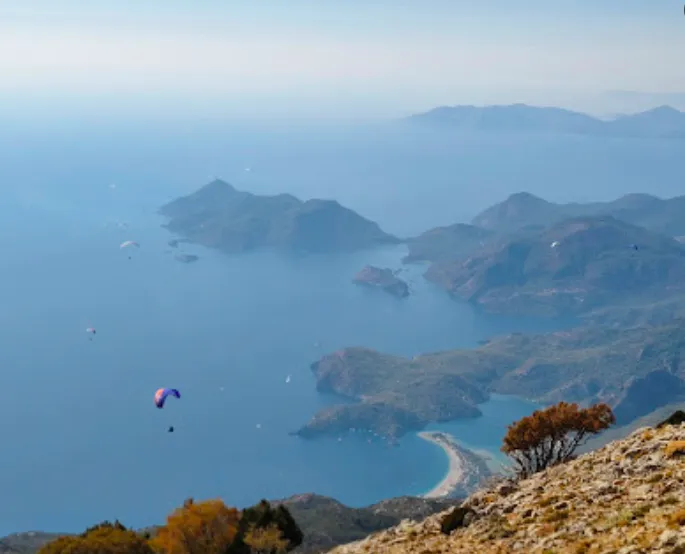

Fiat Egea Urban en Turquie
C'est formidable.

Renault Clio 5 en Turquie
La location s'est bien passée, merci ! Un site pratique où il est facile de réserver une voiture, contrairement à de nombreuses autres ressources habituelles de location de voitures, où vous avez besoin d'une carte étrangère, de dépôts importants, etc. Et ici, la réservation se fait en roubles (un petit montant de prépaiement) et le montant principal est payé en espèces au bureau de la société de location. Après la réservation, la société de location m'a contacté pour clarifier les détails. On est venu me chercher à l'aéroport et on m'a ramené - après m'avoir remis la voiture. Tout a été rapide, pratique et il n'y a eu aucun problème.
Opel Corsa en Turquie
Tout s'est parfaitement déroulé ! La voiture est comme neuve, propre, sans aucun problème. La caution comme annoncée de 200 livres, restituée immédiatement après vérification de la voiture au retour. Tout a été traité rapidement, au départ et au retour. Paiement des péages au bureau, déduction du coût du pont sur présentation du chèque. Dans l'ensemble tout s'est bien passé, merci !
Fiat Egea en Turquie
Tout s'est parfaitement déroulé ! La voiture est bonne, rapide, nous n'avons remarqué aucun défaut.
Renault Taliant en Turquie
Tout va bien.
Renault Megane Sedan en Turquie
En gros, tout s'est bien passé, la seule chose est que le chauffeur qui nous a emmenés chercher la voiture à l'aéroport ne parlait pas très bien l'anglais, mais tout le reste est fondamentalement bon, et aussi, la voiture n'était pas très propre, mais en général, le rapport qualité-prix, j'ai été satisfait de tout.
Hyundai i20 en Turquie
tout va bien

-
Avis vérifiés par voiture
Vous voyez le comportement réel de cette Egea ou de ce Duster, pas une moyenne par loueur.
-
Prix du bon est prix final
Toutes les taxes, l'assurance de base et les frais sont inclus — aucun recalcul au comptoir.
-
Annulation gratuite jusqu'à 7 jours
Messagerie directe avec la personne qui vous remettra les clés.
Péages et HGS
Depuis mars 2022, la Turquie utilise un système de péage unique — HGS (Hızlı Geçiş Sistemi). Les barrières ont été supprimées ; ni espèces ni cartes au point de péage. Chaque voiture porte un autocollant HGS actif et le montant est prélevé automatiquement.
Pas besoin de ralentir sous un portique. L'autocollant se lit à 30 km/h comme à 110 — ce qui compte, c'est qu'il soit bien collé.
Ponts d'Istanbul
Les traversées du Bosphore ont leur logique. Sur trois ponts — 15 Temmuz, Fatih Sultan Mehmet, Yavuz Sultan Selim — vous ne payez que dans le sens Europe → Asie. Le retour est gratuit. Le pont Osmangazi (autoroute Istanbul–Izmir) et le tunnel Eurasia facturent dans les deux sens.
Un client sur la liaison Istanbul–Izmir en mars a payé Osmangazi deux fois, puis a fait le retour gratuit via le 15 Temmuz. La différence a payé le dîner.
Combien ça coûte
Repères 2026 : tunnel Eurasia environ ₺225, pont Osmangazi environ ₺795, Istanbul–Ankara ~₺150, Istanbul–Izmir ~₺500. Comparable à un trajet sur l'A7 ou l'A8, mais sans cabine.
Le HGS est facturé après le retour. Une petite commission est usuelle — la nôtre est fixée au contrat dès le premier jour. Toutes nos voitures sont livrées avec un HGS actif, mais cela vaut la peine de confirmer à la prise en main.
Assurance, accidents et frontières
La responsabilité civile (TPL) est obligatoire et incluse. Le CDW de base (rachat partiel de franchise) est généralement inclus, avec une franchise : vous payez un montant fixe et l'assureur couvre le reste. Exclusions usuelles : vitres, jantes, pneus, soubassement, intérieur.
Environ 70 % des clients prennent l'assurance tous risques. À Istanbul ou sur les lacets de Cappadoce, 1 500 $ de franchise, c'est une rayure sur une aile. Le tous risques retire ce risque pour 8–15 $/jour.
Ce que couvre le Super CDW
Le Super CDW (assurance tous risques) couvre vitres, jantes, pneus, vol et annule la franchise. Il ne couvre pas la conduite au-dessus de 0,5 ‰, le hors-piste, les péages impayés ni le remorquage. Sur la côte à Belek, Side ou Kemer, beaucoup s'en tiennent à la couverture de base.
Que faire après un accident
Après tout incident, appelez le 154 (police de la route) et attendez. Le constat est obligatoire — sans lui, aucune assurance ne joue. Ne déplacez pas la voiture ; prévenez votre loueur en parallèle.
N'essayez pas de régler sur place. Sans rapport de police, l'assurance turque ne se déclenche pas — le client se retrouve seul avec la facture.
Passage de frontière
Généralement interdit. L'assurance est nulle aux frontières avec la Grèce, la Bulgarie, l'Arménie et l'Iran. La Géorgie est parfois possible avec autorisation écrite.
Les tarifs en Turquie varient tout au long de l'année en fonction de la saison et de la durée de location.
- janvier
- février
- mars
- avril
- Mai
- juin
- juillet
- août
- septembre
- octobre
- novembre
- décembre
- Janv
- Févr
- Mars
- Avr
- Mai
- Juin
- Juil
- Août
- Sept
- Oct
- Nov
- Déc
 Louer une voiture en Turquie coûte en moyenne : tarifs journaliers moyens pour une location de voiture d'une semaine, toutes classes de voiture confondues. Livraison dans tout le Turquie non incluse.
Questions fréquentes
Oui, entre grandes villes et aéroports — Istanbul ↔ Antalya, Antalya ↔ Izmir, Antalya ↔ Dalaman et similaires. Le frais d'aller simple démarre à 200–300 $ selon la distance. En haute saison, ces voitures partent vite — réservez tôt. L'aller simple international hors de Turquie n'est pas autorisé.
Pas par la loi, mais fortement recommandés dans l'est, le Taurus, la Cappadoce et la mer Noire de novembre à avril. Les chaînes sont utiles en secours sur les routes raides. Les pneus à clous sont interdits. Pour Antalya, Bodrum et Izmir, les pneus hiver ne sont pas nécessaires.
Cela arrive plus souvent en Turquie qu'en Europe occidentale. Certains loueurs remettent la voiture avec un minimum de carburant et la demandent au même niveau au retour — la convention « plein à plein » n'est pas universelle. Photographiez le tableau de bord à la prise en main et faites consigner le niveau sur la fiche d'inspection.
Pas chez nos loueurs locaux. Une carte de débit, Maestro ou sans contact suffit pour l'acompte, et le solde plus la caution remboursable peuvent être réglés en espèces (EUR, USD ou livres turques). Une carte de crédit au nom du conducteur principal n'est exigée que par les chaînes internationales : grandes chaînes, grandes chaînes, grandes chaînes, grandes chaînes, grandes chaînes.
Oui. Le permis B européen est accepté directement, sans démarche supplémentaire. Les permis dans un alphabet non latin nécessitent une traduction officielle ou un Permis International. Pour un permis français récent au format carte, aucune formalité.
Pour un conducteur français, non — le permis B européen suffit. La Carte Internationale de Circulation (via l'ANTS) n'est utile que pour les permis dans des alphabets non latins. Pour les Français, elle n'est pas exigée en pratique.
21 ans avec au moins deux ans de permis. Les modèles haut de gamme, 4×4 et monospaces exigent généralement 25 ans. Les 21–24 ans paient une surcharge jeune conducteur d'environ 10 $/jour. Il y a rarement un âge maximum, mais certains loueurs demandent un certificat médical au-delà de 70 ans.
Selon la catégorie : environ 100 $ pour une économique, 200–300 $ pour une intermédiaire, jusqu'à 500 $ pour un monospace. Chez les loueurs locaux, la caution se règle en espèces et est rendue sur place lors de la restitution sans dommage. Des tarifs sans caution existent avec l'assurance tous risques.
L’aéroport d’Istanbul (IST) convient pour la ville et le nord-ouest du pays. Sabiha Gökçen (SAW), situé du côté asiatique, peut être plus pratique pour partir vers la Cappadoce. Antalya (AYT) dessert la Riviera turque, Dalaman (DLM) Marmaris et Fethiye, Bodrum (BJV) la côte égéenne et Izmir (ADB) Éphèse et Çeşme.
Le HGS est l'unique système électronique sur les autoroutes turques depuis 2022. Chaque voiture porte un autocollant actif. Repères : Istanbul–Ankara ~₺150, Istanbul–Izmir ~₺500. Comparable à l'A7 française, mais sans cabine. Le loueur facture le HGS après le retour avec une commission fixée au contrat.
Uniquement dans le sens Europe → Asie. Les trois ponts suspendus (15 Temmuz, Fatih, Yavuz) sont gratuits dans l'autre sens. Le pont Osmangazi sur l'autoroute d'Izmir et le tunnel Eurasia facturent dans les deux sens. Paiement HGS uniquement — ni espèces ni cartes au point de péage.
0,5 ‰ pour un conducteur seul, et 0,0 ‰ dès qu'un passager — adulte ou enfant — est à bord. Cette règle surprend beaucoup de visiteurs. Motos, fourgons et tout véhicule avec remorque : 0,2 ‰. L'amende d'une première infraction est ~₺6 400 et toute assurance saute au-dessus de 0,5 ‰.
Oui. La loi turque exige un rapport (appelez le 154) pour tout dommage, y compris une rayure. Sans lui, l’assurance ne s’applique pas et la réparation est prélevée sur la caution. Ne déplacez pas la voiture avant l'arrivée de la police. Prévenez votre loueur en parallèle.
Il est interdit de se rendre en Grèce, en Bulgarie, en Arménie, en Iran, en Syrie ou en Irak avec une voiture de location turque, car l’assurance cesserait de s’appliquer. Le passage en Géorgie est parfois possible avec une autorisation individuelle et un supplément de 100 à 200 $. Chypre du Nord peut également être accessible par ferry depuis Taşucu, sous réserve d’un accord écrit. Le passage vers la République de Chypre n’est pas autorisé.
Souvent oui — 150–250 km/jour chez certains loueurs turcs, ce qui s'éloigne du kilométrage illimité standard ailleurs en Europe. Le dépassement coûte 0,20–1 $/km. Pour Istanbul–Cappadoce (730 km) ou Antalya–Pamukkale (240 km), choisissez un tarif en kilométrage illimité.