


픽업


반환
🎁 체크아웃 시 WELCOME3 코드를 사용하여 첫 예약에 할인을 받으세요. 즐기세요! ☀️

이스탄불 렌터카는 그 자체의 규칙을 따릅니다. 대부분의 손님은 도시 자체를 위해서가 아니라, 도시 주변을 위해 차를 빌립니다. 흑해 연안, 부르사, 바다 건너 프린세스 제도, 해안을 따라 이어지는 드라이브. 이스탄불 자체는 두 대륙에 걸쳐 펼쳐져 있고 1,600만 명이 살며, 역사 중심지(술탄아흐메트, 베이올루, 갈라타)는 도보로 다닐 수 있습니다.
3일 문화 관광이라면 마르마라이 지하철, T1 트램, 보스포루스 페리가 보통 차보다 빠릅니다. 시내 교통카드는 도착해서 이스탄불카르트(İstanbulkart)를 사면 됩니다.
중심부 밖으로 나가야 렌터카가 비로소 값어치를 합니다. 사비하 괵첸에는 약 130개 업체, 이스탄불 공항에는 수십 개가 있어 차량 라인업이 풍부합니다. 경쟁이 가격을 정직하게 유지하고, 이스탄불은 터키에서 차를 빌리기에 가격이 합리적인 도시 중 하나로 남아 있습니다.
차가 정말 필요한 경우
이스탄불은 렌터카 회사가 먼저 "어쩌면 필요 없으실 수도 있다"고 답하는 드문 도시입니다. 3일 문화 여행이라면 대중교통이 더 빠르고 스트레스가 적습니다. 세 가지 상황이 이 답을 뒤집습니다.
도시 밖 장거리 드라이브
이스탄불은 강력한 출발점입니다. 부르사(3시간), 에디르네(3시간), 사판자(2시간), 앙카라(약 5시간), 이즈미르(O-7로 5~6시간), 안탈리아까지 해안 따라, 카파도키아(앙카라 1박 포함 9~10시간). 차가 있으면 속도는 본인 마음대로. 없으면 시외버스나 국내선에 묶입니다.
흑해에서의 하루
도시 밖으로 가장 유용한 단기 여행은 흑해 연안입니다. 쉴레(약 70km, 등대와 해변), 킬요스(약 35km, 가장 가까운 해수욕장), 폴로네즈쾨이(약 30km, 숲 마을). 어느 곳도 직행 대중교통이 좋지 않아, 렌터카가 자연스러운 선택이 됩니다.
한 손님이 카파도키아행 비행 이틀 전 SAW에서 이코노미를 빌렸습니다. 첫날은 쉴레, 둘째 날은 폴로네즈쾨이. 아침 8시 출발, 저녁 7시 반납. 이틀 합쳐서 약 $45.
장기 체류
이스탄불에 한 달 이상 머무는 분(주재원, 디지털 노마드, 장기 출장자)에게는 장기 렌탈이 보통 일일 요금보다 저렴합니다. 월 요금은 일일 요금보다 30~50% 낮습니다. 이코노미는 월 $450부터, SUV $900~1,500.

Hyundai Ix20 터키에서
여러분에게 ix20 차량을 예약했는데, 르노 차량이 배달되었네요) 하지만 그렇게 큰 문제는 아니었어요! 모든 것이 깔끔했고, 모든 점이 마음에 들었으며, 제가 도착할 때 맞춰 제시간에 차량을 배달해 주셨고, 떠날 때도 제시간에 회수해 주셨습니다. 가격과 품질 모두 훌륭했어요 👍 8월에 일주일 정도 다시 방문할 예정인데, 그때도 꼭 다시 이용하겠습니다! 😉

Jeep Renegade 터키에서
모든 것이 잘 진행되었습니다. 정시에 배달되고 픽업되었습니다. 차는 깨끗했습니다.

Jeep Renegade 터키에서
영수증과 반품에 모든 것이 정상입니다. 기술적으로나 전화상으로도 문제가 없었습니다. 주된 결함은 사후에 사전 통지없이 차를 다른 차로 교체 한 것입니다. 사실 우리는 매우 구체적인 모델에 관심이 있었는데 제공되지 않았습니다. 그리고 실제로 거절 할 수없는 상황에 처해있었습니다 (선급금을 지불하고 교체 사실 앞에 두는 것). 계절이 높지 않아서 두 배로 불쾌합니다.

Fiat Egea 터키에서
모든 것이 괜찮았습니다. 당신은 항상 모든 것을 잘 알고 있습니다. 항상 편리하게 서비스를 이용할 수 있어서 정말 감사합니다!

Citroen C3 터키에서
임대 계약은 지켜지지 않았습니다. 돌아오는 길에 저희는 결국 직접 운전해서 숙소로 돌아왔습니다. 차를 빌려주고 회수한 사람이 영어를 못했고 시간 정보도 달랐습니다. 멀티미디어 시스템이 설정되지 않았고 차에 빈 탱크가 있는 상태로 도착했습니다.
Hyundai Bayon 터키에서
모든 게 잘 풀렸어요. 그들은 저에게 더 높은 등급의 차, 르노 메간을 주었는데 정말 마음에 들었습니다. 차는 정말 훌륭했어요. 공항에서 차를 받았는데 매우 편리했어요.

Hyundai Bayon 터키에서
모든 것이 순조롭게 진행되었고, 좋은 차, 훌륭한 서비스, 나는 당신의 웹 사이트를 통해 다시 임대하게되어 기쁩니다.
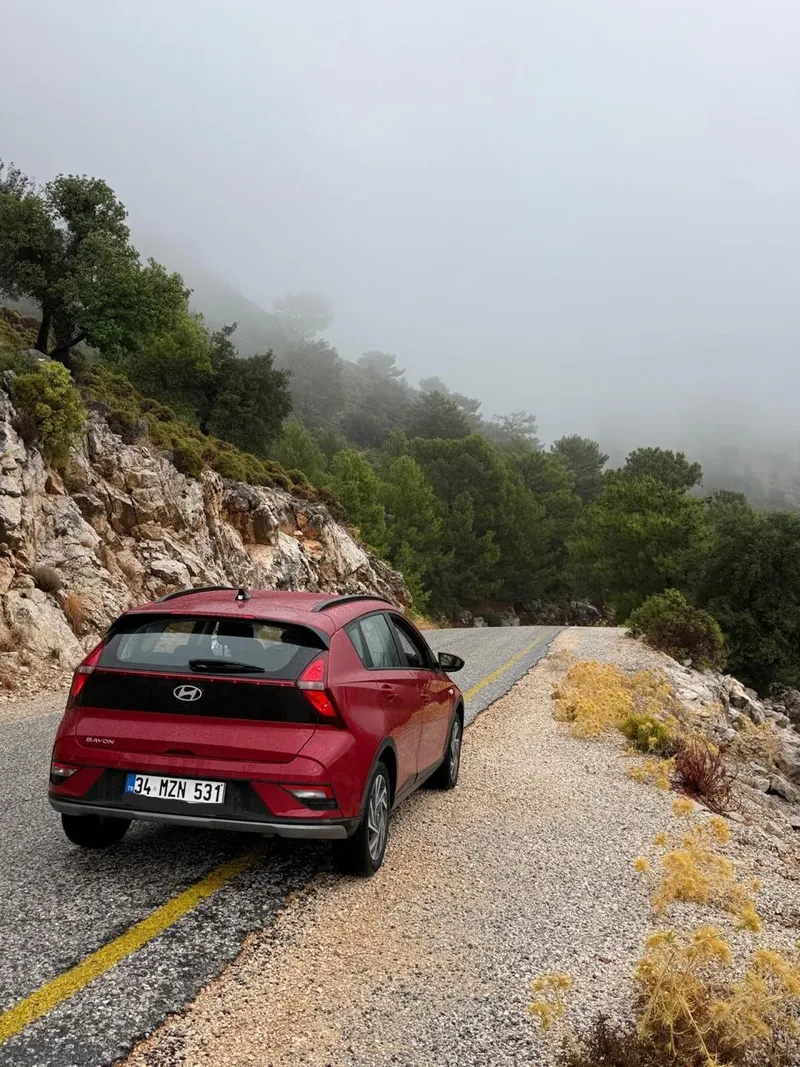
Hyundai Accent Sport Sedan 터키에서
차에 기술적으로 결함이 있었습니다. 나쁜 리뷰를 쓰지 않겠습니다. 서비스는 비교적 괜찮았습니다. 담당자와 연락하기가 어려웠습니다. 다음번에도 당신에게서 빌릴 것 같아요. 감사합니다
Fiat Egea Multijet 터키에서
모든 것이 훌륭하게 진행되었습니다! 모든 것이 괜찮았고 무스타파는 우리를 실망시키지 않았고 차는 완벽하게 운전했습니다! 우리는 터키 전역에서 3500km를 운전했습니다! 우리는 친구들에게 추천 할 것입니다, 확실히!
Fiat Egea 터키에서
It went great!
Hyundai Accent Sport Sedan 터키에서
Everything is fine.

Citroen Berlingo 터키에서
That's great! Fire! We will recommend you!!!

Citroen Berlingo 터키에서
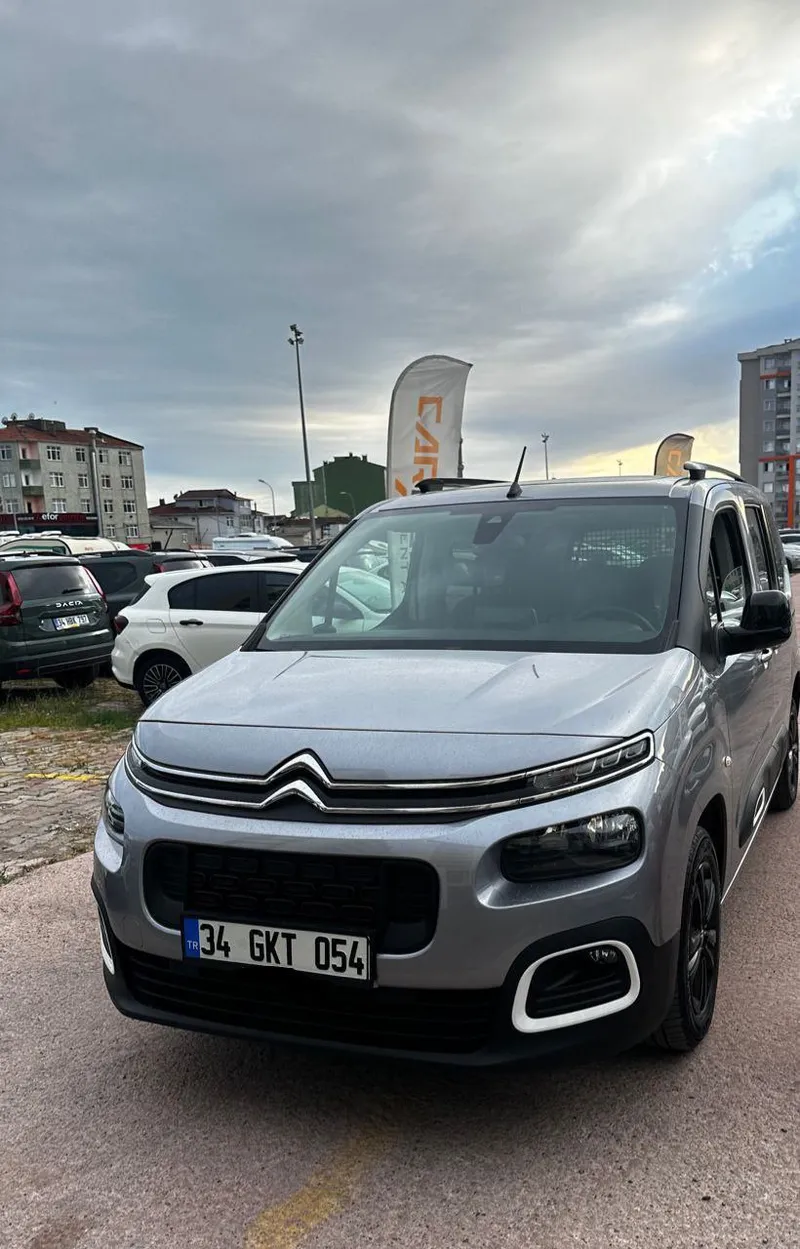
everything was at the highest level, the only thing I'm waiting for is a $200 deposit. But in general, everything is positive, I will still use your company
2026년 가격
이스탄불은 해안만큼 계절 영향을 받지 않습니다. 겨울과 여름 가격 차이는 약 25~30%. 안탈리아나 보드룸 같은 두 배 인상은 없습니다. 가장 저렴한 달은 2월(SAW 평균 약 $19/일). 저가 구간은 11월부터 1월까지 이어집니다. 가장 비싼 시기는 6~8월. 걸프 가족들이 와서 미니밴과 SUV를 빠르게 비워 갑니다.
한 가족이 7월 초 SAW에서 3주 전 미니밴을 예약했더니 하루 $145. 같은 차종을 당일 픽업하면 가격이 $215로 올라 있었습니다.
대략 수치는 SAW 이코노미 하루 $18~25, IST 5~10% 높음, 컴팩트 $30~45, 중급 $36~50, 프리미엄 $51부터, 패밀리 미니밴 비수기 $60~110, 여름 $100~160. 월별 렌탈은 일일 요금의 대략 절반입니다.
8명 단체가 비행 2주 전 8월 미니밴을 찾자, SAW의 네 업체 모두 "9월까지 매진"이라 답했습니다. 결국 카파도키아 경유 편도 반납으로 풀었지만, 편도 수수료 $75가 추가됐습니다.
바우처에는 보통 일일 요금, 기본 보험, 공항 부대비, 선택형 완전 보장, 해당 시 영 드라이버 수수료, 다른 곳에 반납하는 편도가 포함됩니다. HGS 통행료와 벌금은 소액 행정 수수료와 함께 반납 후 청구됩니다.
이스탄불에서에서의 자동차 렌탈 가격은 계절과 렌탈 기간에 따라 달라집니다.
- 1월
- 2월
- 3월
- 4월
- 5월
- 6월
- 7월
- 8월
- 9월
- 10월
- 11월
- 12월
- Jan
- 2월
- 3월
- 4월
- 5월
- Jun
- 7월
- 8월
- 9월
- 10월
- 11월
- 12월
 이스탄불에서에서 차를 빌리는 비용: 7일 예약시 모든 차종의 평균 일일 가격입니다.
저희를 통해 예약하면 무엇을 받으시나

-
개별 차량마다 검증된 후기
업체 평균 평점이 아니라, 바로 이 Renault Clio나 Hyundai i20이 실제로 어땠는지 확인할 수 있습니다.
-
바우처에 적힌 가격이 그대로 지불하는 가격
모든 세금, 기본 보험, 공항 부대비가 이미 포함되어 있어 데스크에서 재계산이 없습니다.
-
7일 전까지 무료 취소, 그리고 공급업체와의 직접 메시지
IST나 SAW의 픽업 시각과 정확한 만남 장소를 실제로 마중 나오는 사람과 합의합니다.
이스탄불 운전
이스탄불은 세계 교통 정체 순위 상위 5위에 꾸준히 들어갑니다. 운전자들은 빠르게 움직이고, 깜빡이 없이 차선을 바꿉니다. 오토바이 배달원이 정체된 차들 사이를 누빕니다. 술탄아흐메트, 베이올루, 카드쾨이의 좁은 길은 주차를 두 번째 난관으로 만듭니다. 한국과 동일한 우측통행이라 좌측통행 국가만큼의 적응 부담은 없습니다.
러시아워
오전 러시아워는 7:30~10:00, 저녁은 17:00~21:00. 금요일 오후와 토요일 14:00 이후는 특히 혼잡합니다. 현지인들은 얀덱스 지도(Yandex Maps)를 추천합니다. 이스탄불 정체 예측이 구글 지도나 웨이즈보다 더 정확합니다.
한 손님이 18시 30분 카드쾨이에서 술탄아흐메트로 출발했다가 보스포루스 다리에서 75분간 꼼짝하지 못했습니다. 다음 날에는 차를 보스탄즈에 두고 마르마라이로 갈아탔습니다. 문에서 문까지 35분.
주차
도시의 İSPARK 시스템이 중심부 대부분을 커버합니다. 다층 주차장, 지상 주차장, 노변 구역. 앱에서 빈자리를 확인할 수 있고 해외 카드도 받습니다(시간당 약 ₺25~80). 술탄아흐메트 좁은 길에 있는 호텔은 발렛 1박 $15~30이 일반적. 프린세스 제도는 자동차 통행 금지입니다. 카바타시 또는 보스탄즈에 주차하고(하루 ₺40~80) 페리로 이동하세요.
자주 묻는 질문
역사 중심지에는 보통 필요 없습니다. 술탄아흐메트, 베이올루, 갈라타는 좁고 도보로 다닐 수 있으며, 마르마라이 해저 철도, T1 트램, 보스포루스 페리가 교통체증 속 운전보다 빠릅니다. 렌터카는 세 가지 경우에 가치를 합니다. 도시 밖 장거리 드라이브, 한 달 이상 장기 체류, 흑해 연안 당일치기(쉴레, 킬요스, 폴로네즈쾨이).
도착하는 공항에서 받으세요. 두 곳 모두 차량 라인업이 충분하고 가격 차이는 5~10%에 불과합니다. SAW가 평균적으로 약간 저렴하며 아시아 쪽에 편리하고, IST는 터키항공 허브로 대한항공·아시아나의 인천 직항편 대부분이 도착합니다. 공항 간 이동은 1~2시간이 걸려 일일 요금 절약분을 모두 잡아먹습니다.
술탄아흐메트와 탁심까지는 두 공항 모두 거의 같습니다. 50km. IST는 유럽 고속도로 경유(교통상황 1~1.5시간), SAW는 유라시아 터널이나 보스포루스 다리 경유(비혼잡 50~80분). 아시아 쪽 카드쾨이는 SAW가 훨씬 가깝습니다. 25km/30~45분.
술탄아흐메트 대부분의 거리는 보행자 전용이거나 통제 구역입니다. 술탄아흐메트 광장, 시르케지, 에미뇌뉘의 İSPARK 주차장을 이용하세요. 시간당 ₺25~60. 구시가지의 많은 호텔이 발렛 1박 $15~30을 제공합니다. 관광만이 목적이라면 차를 중심부로 가져오지 않는 편이 현실적입니다.
İSPARK는 이스탄불의 시영 주차 네트워크입니다. 도시 전역의 다층 주차장, 지상 주차장, 노변 구역. İSPARK 앱을 다운로드하거나 진입 시 현금이나 카드로 안내원에게 지불하면 됩니다. 앱은 해외 카드를 받고, 실시간 빈자리와 구역별 요금(시간당 약 ₺25~80)을 보여줍니다.
오전 러시아워는 7:30~10:00(다리를 건너는 출퇴근 시간), 저녁은 17:00~21:00. 금요일 오후와 토요일 14:00 이후는 특히 혼잡합니다. 일요일은 전반적으로 한가하지만, 보스포루스 연안과 관광 지구는 저녁까지 붐빕니다. 러시아워에는 보통 마르마라이가 다리 건너는 운전보다 빠릅니다.
대부분의 현지인이 얀덱스 지도(Yandex Maps)를 추천합니다. 이스탄불 정체 인식 라우팅이 구글 지도나 웨이즈보다 더 정확합니다. 구글도 일반 내비게이션에는 잘 작동하지만 시간 예측이 뒤처집니다. 보스포루스 위쪽이나 흑해 연안처럼 모바일 신호가 끊길 수 있는 곳을 위해 오프라인 지도도 다운로드해 두세요.
아니요. 네 개의 프린세스 제도(뷔윅아다, 헤이벨리아다, 부르가즈아다, 크날르아다) 모두 자동차 통행이 금지되어 있습니다. 유럽 쪽 카바타시 또는 아시아 쪽 보스탄즈의 공영 주차장(하루 ₺40~80)에 주차하고 페리로 30~45분 이동하세요. 섬에서는 자전거, 전기 카트, 도보로 이동합니다.
네. 도시에서 가장 유용한 당일치기입니다. 쉴레는 아시아 쪽 흑해 연안, 약 70km/1.5시간(등대와 해변). 킬요스는 유럽 쪽, 약 35km/1시간(가장 가까운 해수욕장). 폴로네즈쾨이는 숲 마을, 약 30km/1시간. 어느 곳도 직행 대중교통이 좋지 않아 렌터카가 진짜 빛을 발합니다.
두 가지 경로가 있습니다. 에스키히사르-톱출라르 페리는 차량과 함께 약 1시간, 운전 1시간 추가, 총 약 2.5시간, 경치 좋고 약 ₺200. 오스만가지 다리 경유 O-7 고속도로는 약 3시간(다리 ₺290 + 기타 통행료), 더 빠르지만 더 비쌉니다. 페리 시간표는 여름에 다 차므로 미리 예약하세요.
가능하지만 깁니다. 앙카라 경유 편도 약 700km/9~10시간. 대부분 비행기로 갑니다. 페가수스와 터키항공의 IST 또는 SAW에서 네브셰히르(NAV) 또는 카이세리(ASR)까지 $30~60. 운전하신다면 표준은 앙카라 1박입니다. 카파도키아 편도 반납은 렌탈에 $100~250가 추가됩니다.
네. 대부분의 현지 업체와 주요 체인은 일일 가격에서 30~50% 할인된 월별 요금을 제공합니다. 2026년 대략: 이코노미 월 $450부터, 중급 $600~900, SUV $900~1,500. 90일까지는 여권과 외국 면허증이 있으면 충분하며, 더 긴 체류는 터키 거주 허가나 월 단위 계약 갱신이 필요할 수 있습니다.
네. 대부분의 이스탄불 현지 업체가 호텔 배달을 제공합니다. 술탄아흐메트의 좁은 길로는 보통 $10~25, 탁심, 베이올루, 베식타시는 보통 무료 또는 $5~15. 국제 체인은 구시가지로 거의 배달하지 않습니다. 체인은 공항이나 시내 지점에서 인수해야 합니다.
네. 두 공항 모두 같은 이스탄불 도시권에 있어 대부분의 업체가 교환을 포함하거나 $20~50의 소액 편도 수수료만 부과합니다. 흔한 시나리오는 IST로 터키항공 도착, SAW에서 페가수스로 출국입니다. 미리 예약하세요. 인기 날짜는 일반 픽업보다 빠르게 동납니다.
아시아 쪽에 머물면서 쉴레나 폴로네즈쾨이 당일치기, 페리로 부르사 방문을 계획하신다면 네입니다. SAW도 훨씬 가깝습니다(50km 대 25km). 유럽 쪽 중심부 관광이 목적이라면 마르마라이가 더 빠릅니다. 카드쾨이에서 시르케지까지 15분. 차는 도시 자체보다는 도시 주변을 위해 사용하세요.