


Recolha


Regresso
🎁 Use o código WELCOME3 durante o checkout para obter desconto na sua primeira reserva connosco. Aproveite! ☀️

Aluguer de carros em Istambul vale sobretudo como base para explorar os arredores da cidade, não o centro. A metrópole estende-se por dois continentes, vivem aqui dezasseis milhões de pessoas, e o centro histórico — Sultanahmet, Beyoğlu, Galata — fica a curta distância a pé. Para a cidade antiga, o comboio subterrâneo Marmaray, o elétrico T1 e os ferries do Bósforo batem quase sempre qualquer opção de condução.
Raramente se aluga carro para o centro de Istambul. Aluga-se para o que está à volta: a costa do Mar Negro, Bursa, as Ilhas dos Príncipes ou uma viagem costeira.
É aí que o carro ganha o seu lugar. Com cerca de 130 operadores em Sabiha Gökçen e dezenas no aeroporto de Istambul, a frota é grande, a concorrência mantém os preços razoáveis, e Istambul fica entre as cidades turcas mais acessíveis para alugar.
Quando precisa mesmo de carro
Istambul é um caso raro em que uma empresa de aluguer responde «talvez não precise». Para três dias culturais, os transportes públicos são mais rápidos. Três cenários mudam isso.
Viagens fora da cidade
Istambul é um ótimo ponto de partida: Bursa (3h), Edirne (3h), Sapanca (2h), Ancara (~5h), Izmir (5–6h pela O-7), Antália, Capadócia (9–10h com pernoita em Ancara). Com carro o ritmo é seu; sem ele está preso a autocarros ou voos.
Um dia no Mar Negro
A excursão curta mais útil é ao Mar Negro — Şile (~70 km, farol e praia), Kilyos (~35 km, praia para nadar), Polonezköy (~30 km, aldeia florestal). Nenhuma tem bons transportes públicos.
Uma família reservou dois dias antes de voar para a Capadócia: um dia em Şile, outro em Polonezköy. Saída de manhã desde Beyoğlu, volta à noite, sem guia.
Estadias longas
Para quem fica um mês ou mais — expatriados, nómadas digitais — o aluguer mensal é mais barato que comprar. As tarifas mensais ficam 30–50% abaixo das diárias: económico a partir de 450 USD/mês, SUV entre 900 e 1.500.

Renault Clio 5 na Turquia
Correu tudo bem! Combinámos o encontro de forma fácil e rápida
Hyundai Ix20 na Turquia
Tudo foi fantástico, exceto o carro)

Opel Zafira Life na Turquia
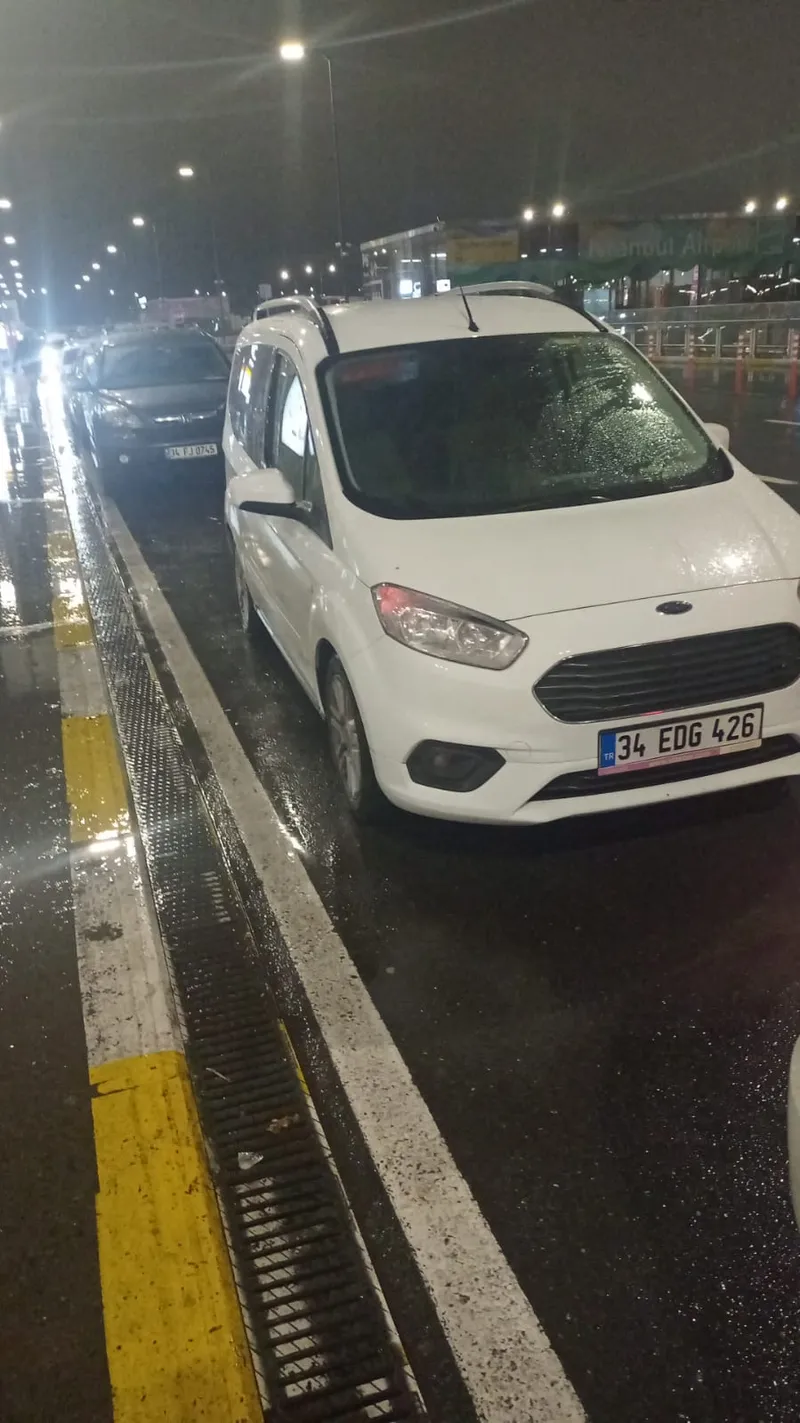
Tudo correu na perfeição! O carro foi entregue na SAW a tempo e horas. Levaram-nos à estação de serviço normal mais próxima. Lá, tudo foi inspeccionado e assinado. Eu abasteci. Depois, fomos recolhidos na zona de embarque da SAW, também a horas. Muito cómodo! Muito obrigado! (Infelizmente não há fotos do carro e de nós contra o fundo do carro, não estamos interessados em tais fotos e, portanto, não as temos, mas o carro estava em plena forma, de acordo com a descrição). Recomendo a reserva!
Audi A4 na Turquia
correu tudo bem, exceto que me deram um carro diferente. Um Peugeot em vez de um Audi, uma substituição duvidosa
Opel Corsa na Turquia
Tudo correu na perfeição! O carro está como novo, limpo, sem qualquer problema. A caução, tal como anunciado, de 200 libras, foi devolvida imediatamente após o controlo do carro no regresso. Tudo foi tratado rapidamente, tanto no início como no regresso. Pagaram as portagens no escritório, deduziram o custo da ponte no momento da apresentação do cheque. Em suma, tudo correu bem, obrigado!
Fiat Egea Multijet na Turquia
Em suma, correu bem.

Ford Courier na Turquia
Aluguei um carro na vossa empresa, correu tudo bem, funcionários educados, sem problemas
Fiat Egea na Turquia
tudo estava bem.

Fiat Egea na Turquia
tudo correu bem. Quando regressei, tive de esperar pela pessoa, o que é fundamental se estiver atrasado para um voo

Citroen Berlingo na Turquia
Ótimo! Fogo!!! Vou recomendar-vos!!!

Fiat Egea Multijet na Turquia
Antes de mais, gostaria de vos dizer muito obrigado! Foi o único serviço que encontrei com a possibilidade de pagar com um cartão pré-pago russo e depósito em dinheiro na situação atual do mundo. Obrigado por manterem a oportunidade de todos viajarem sem barreiras! O aluguer de um carro deixou-me com sentimentos contraditórios. A começar pelo facto de o representante do serviço ter chegado uma hora atrasado com o carro alugado, mas, por feliz coincidência, o nosso voo também se atrasou 40 minutos. Em segundo lugar, no sítio Web reservámos o carro a gasóleo, mas chegámos com gasolina. Ficámos satisfeitos por, apesar da total falta de conhecimentos de inglês do representante do serviço, termos sido atendidos em russo ao telefone por amigos ou colegas desse representante. A viagem acabou por ser realmente mágica graças ao carro. Conseguimos visitar muitos sítios, apreciar o estilo de condução local, por assim dizer, mergulhar na cultura turca. A quilometragem ilimitada foi o principal parâmetro na escolha do serviço e aqui está incluída no aluguer do carro, não tive de pagar nada extra. O carro em si está em bom estado, foi um prazer conduzi-lo. Teremos todo o gosto em utilizar os vossos serviços muitas e muitas mais vezes quando estivermos na Turquia, obrigado!!!! Muito obrigado pelo excelente serviço e pelo desenvolvimento do turismo no vosso maravilhoso país!
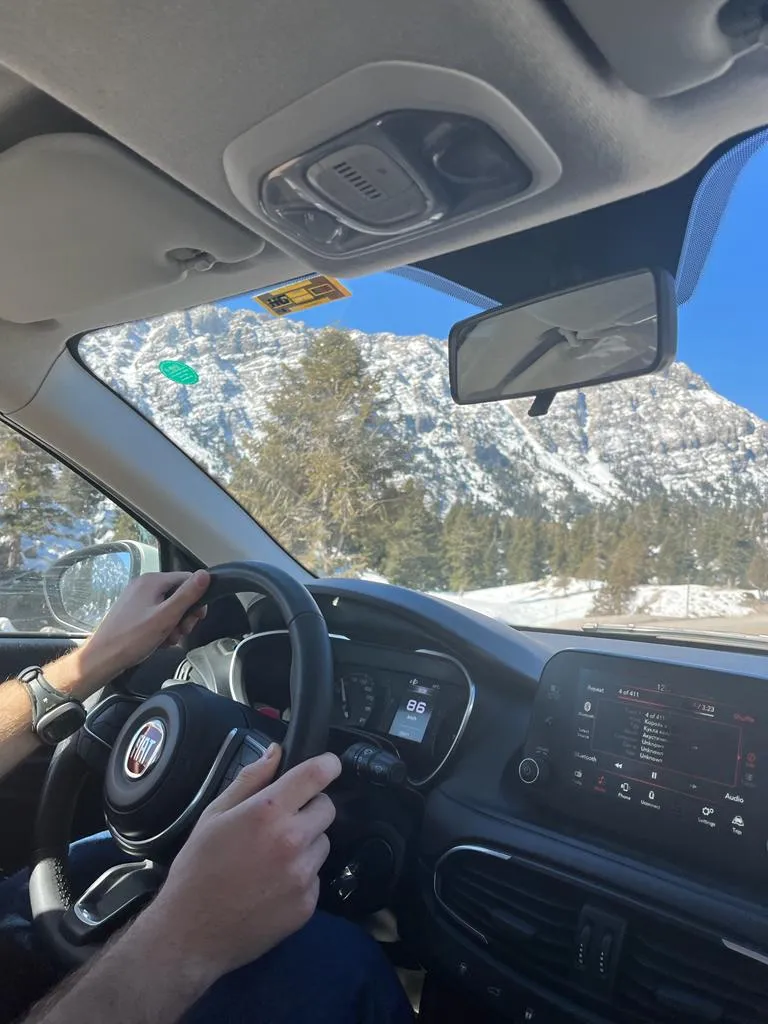
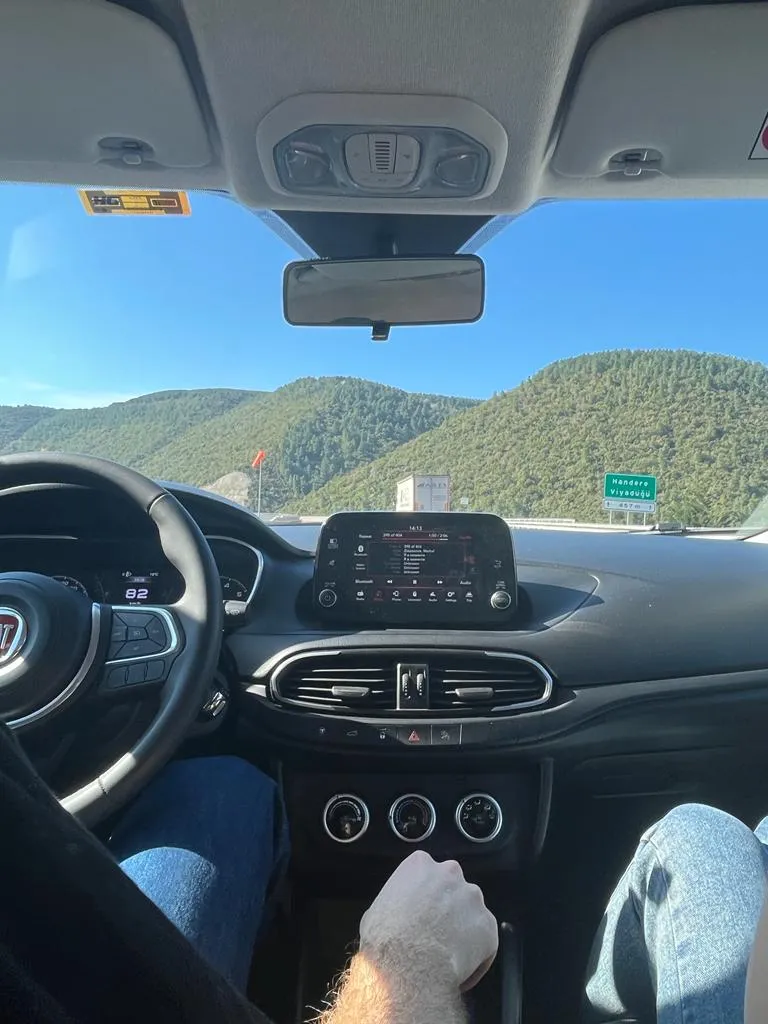
Hyundai Accent Sport Sedan na Turquia
Tudo correu bem, recebemos o carro rapidamente e entregámo-lo rapidamente. Não tivemos problemas quando utilizámos o carro, viajámos de Ancara para Istambul. Da próxima vez que formos à Turquia, voltaremos a utilizar este site.
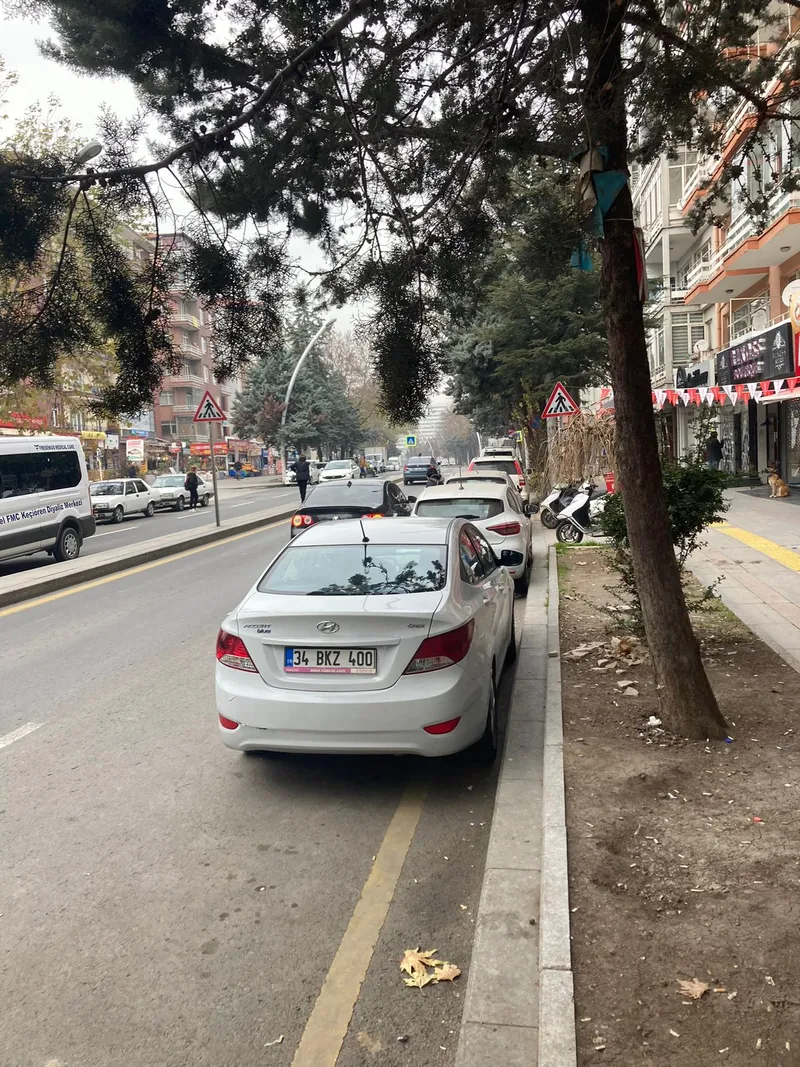
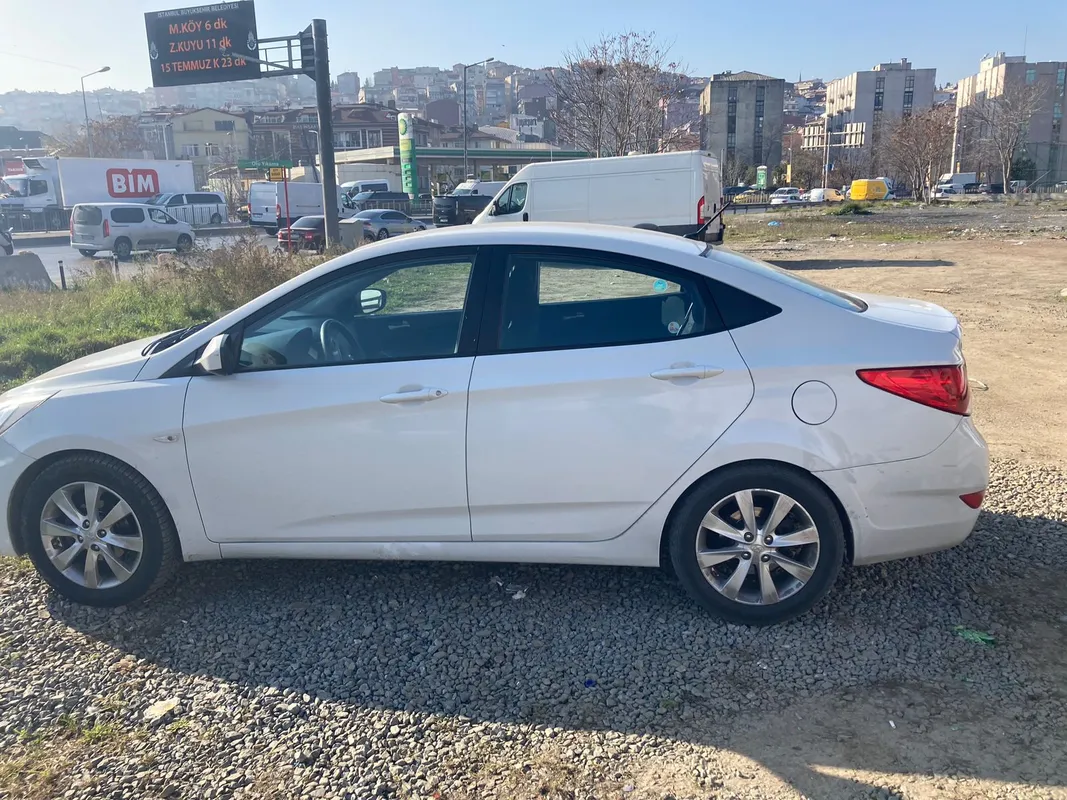

Ford Courier na Turquia
Correu tudo muito bem, o carro é exatamente como eu queria e está em boas condições. A entrega e aceitação do carro foi muito boa e rápida! A relação qualidade-preço é excelente! O único inconveniente foi que o responsável pela entrega só falava turco, tive de recorrer a um dicionário, mas o resto foi ótimo.
Quanto custa alugar em Istambul
Istambul é muito menos sazonal que a costa. A diferença entre inverno e verão ronda os 25–30%, longe da duplicação que se vê em Antália ou Bodrum. O mês mais barato é fevereiro (~19 USD/dia em SAW); os preços baixos prolongam-se de novembro a janeiro. O período mais caro vai de junho a agosto, quando famílias do Golfo esgotam os monovolumes e SUVs.
Melhor combinação: reservar em SAW quatro a seis semanas antes. Alugueres de última hora no verão pagam 30–50% acima da tarifa reservada.
Valores para 2026: económico em SAW desde 18–25 USD/dia, IST 5–10% acima; compacto 30–45, intermédio 36–50, premium desde 51, monovolume 60–110 fora de pico e 100–160 no verão. O aluguer mensal sai a metade do valor diário.
Um grupo de oito chegou a SAW em julho sem ter reservado o monovolume. Acabaram por alugar duas berlinas, com estacionamento duplo em Kadıköy e mais dores de cabeça do que esperavam.
O voucher inclui a diária, o seguro básico, a sobretaxa de aeroporto, a cobertura total opcional, a taxa de jovem condutor e o one-way. As portagens HGS e as multas são cobradas posteriormente com taxa administrativa.
As tarifas de aluguel de carros em Istambul variam ao longo do ano, dependendo da temporada e da duração do aluguel.
- Janeiro
- Fevereiro
- Março
- Abril
- maio
- Junho
- Julho
- Agosto
- Setembro
- Outubro
- Novembro
- Dezembro
- Jan
- Fev
- Mar
- abril
- maio
- Jun
- Jul
- agosto
- setembro
- outubro
- Nov
- Dez
 Quão caro é alugar um carro em Istambul: tarifas médias diárias para um aluguel de carro de uma semana, em todas as classes de carros.
O que ganha ao reservar connosco

-
Avaliações verificadas em cada carro individual
Veja como este Renault Clio ou Hyundai i20 se comportou de facto, não apenas a média do fornecedor.
-
O preço no voucher é o preço que paga
Todos os impostos, seguro básico e sobretaxa de aeroporto já estão incluídos — sem recálculo no balcão.
-
Cancelamento gratuito até 7 dias e mensagens diretas com o fornecedor
A hora de recolha e o ponto exato de encontro em IST ou SAW são acordados com a pessoa que o vai receber.
Conduzir em Istambul
Istambul está entre as cinco cidades mais congestionadas do mundo. Os condutores movem-se depressa, mudam de faixa sem pisca e os estafetas de mota passam entre os carros parados. As ruelas de Sultanahmet, Beyoğlu e Kadıköy fazem do estacionamento o segundo desafio.
Horas de ponta
Pico de manhã 07:30–10:00, tarde 17:00–21:00. Sextas à tarde e sábados a partir das 14:00 são pesados. Os locais recomendam o Yandex Maps; mais preciso que o Google Maps ou o Waze.
Para atravessar o Bósforo em hora de ponta, deixar o carro e mudar para o Marmaray bate quase sempre conduzir. Sirkeci–Kadıköy em 15 minutos.
Estacionamento
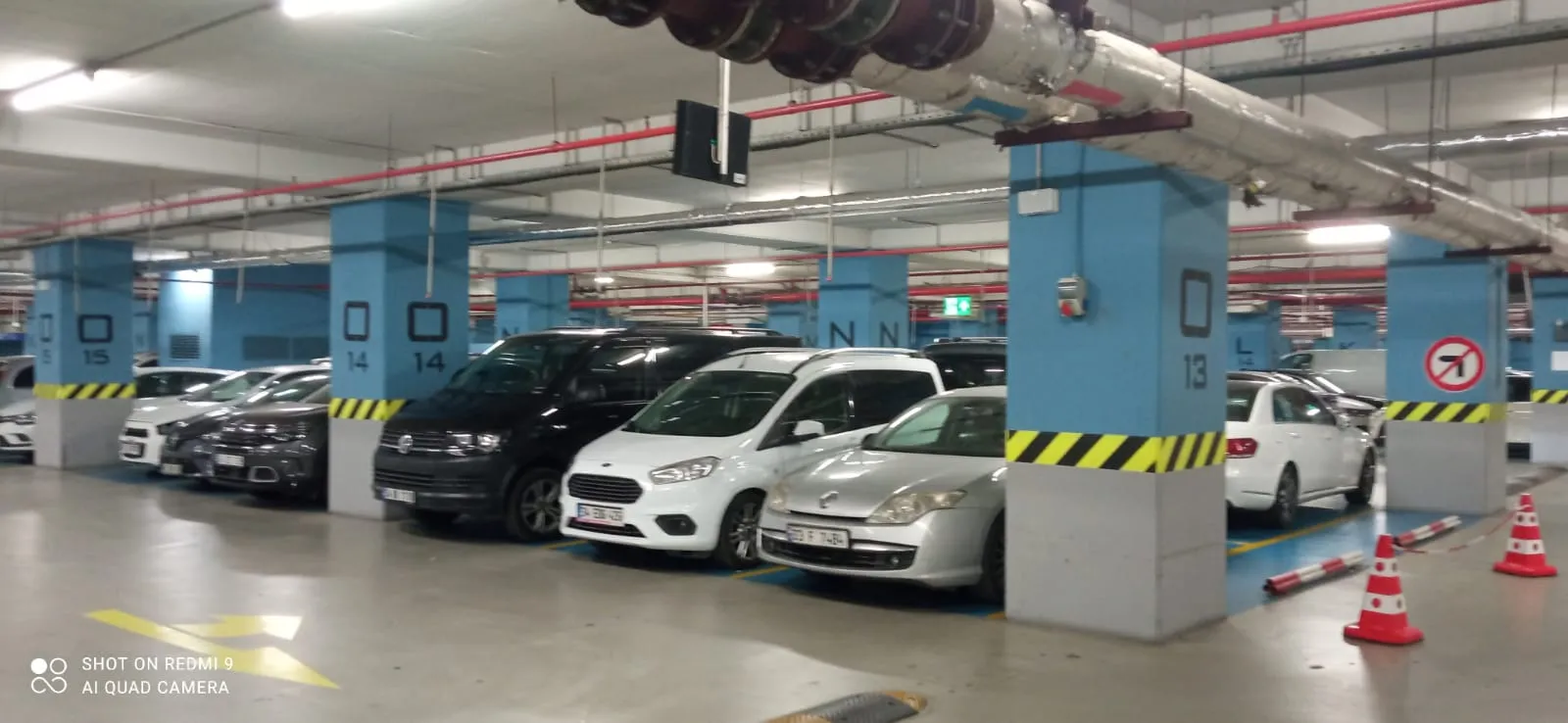
İSPARK cobre a maior parte do centro — parques cobertos, à superfície, zonas na rua. A app aceita cartões estrangeiros (~₺25–80/hora). Hotéis em Sultanahmet cobram 15–30 USD/noite em valet. As Ilhas dos Príncipes são livres de carros: estacione em Kabataş ou Bostancı (₺40–80/dia) e siga de ferry.
Perguntas frequentes
Para o centro histórico — geralmente não. Sultanahmet, Beyoğlu e Galata são compactos e percorrem-se a pé; o Marmaray, o T1 e os ferries do Bósforo batem qualquer viagem ao volante. Um carro ganha o seu lugar em três casos: viagem fora da cidade, estadia longa (acima de um mês) ou passeio diário ao Mar Negro (Şile, Kilyos, Polonezköy).
No aeroporto onde aterrar. Ambos têm frotas completas, e a diferença de preço é só 5–10%. SAW é ligeiramente mais barato em média e conveniente para o lado asiático; IST é o hub Turkish Airlines/TAP. Saltar entre aeroportos leva 1–2 horas no trânsito e elimina qualquer poupança.
Para Sultanahmet e Taksim, ambos ficam grosso modo iguais — 50 km. IST via autoestrada europeia (1–1,5h no trânsito); SAW via Túnel da Eurásia ou ponte do Bósforo (50–80 min fora de pico). Para Kadıköy no lado asiático, SAW está bem mais perto — 25 km / 30–45 minutos.
A maioria das ruas de Sultanahmet são pedonais ou restritas. Use os parques İSPARK na Praça de Sultanahmet, Sirkeci e Eminönü — pagos à hora a ₺25–60. Muitos hotéis na cidade velha oferecem valet a 15–30 USD/noite. A dica honesta: não leve o carro ao centro se a viagem for só turismo.
O İSPARK é a rede municipal de estacionamento de Istambul: parques cobertos, à superfície e zonas tarifadas na rua por toda a cidade. Descarregue a aplicação İSPARK ou pague ao funcionário em dinheiro ou cartão à entrada. A app aceita cartões estrangeiros (CGD, Millennium BCP, Revolut), mostra disponibilidade e tarifas por zona (~₺25–80/hora).
Manhã 07:30–10:00 (deslocação sobre as pontes), tarde 17:00–21:00. Sextas à tarde e sábados a partir das 14:00 são especialmente pesados. Domingos são geralmente mais calmos, mas a marginal do Bósforo e bairros turísticos ficam ocupados até à noite. Em hora de ponta, o Marmaray bate normalmente conduzir sobre as pontes.
A maioria dos locais recomenda o Yandex Maps — a sua roteamento sensível ao trânsito é mais afinada que Google Maps ou Waze. O Google funciona bem para navegação geral, mas as estimativas de tempo ficam atrás. Descarregue mapas offline como reserva, sobretudo para subidas ao Bósforo ou Mar Negro, onde o sinal móvel pode falhar.
Não — carros são proibidos nas quatro Ilhas dos Príncipes (Büyükada, Heybeliada, Burgazada, Kınalıada). Estacione em Kabataş no lado europeu ou Bostancı no asiático (₺40–80/dia em parques públicos) e continue de ferry, 30–45 minutos. Nas ilhas o transporte é em bicicleta, carros elétricos ou a pé.
Sim — são os passeios diários mais úteis. Şile fica na costa asiática do Mar Negro, ~70 km / 1,5h (farol e praia). Kilyos no lado europeu, ~35 km / 1h (a praia mais próxima para nadar). Polonezköy é uma aldeia florestal a ~30 km / 1h. Nenhuma tem transporte público direto decente, por isso o carro compensa.
Dois caminhos. O ferry Eskihisar–Topçular leva cerca de uma hora com carro, mais uma hora a conduzir — cerca de 2,5h no total, panorâmico, ~₺200. A autoestrada O-7 via Ponte Osmangazi é ~3h (₺290 pela ponte mais outras portagens), mais rápida mas mais cara. O horário do ferry enche-se no verão; reserve com antecedência.
Possível mas longo: ~700 km / 9–10 horas só de ida, via Ancara. A maioria voa — Pegasus e Turkish Airlines de IST ou SAW para Nevşehir (NAV) ou Kayseri (ASR) custam desde 30–60 USD. Se conduzir, o padrão é pernoita em Ancara. Um one-way drop-off na Capadócia acrescenta 100–250 USD ao aluguer.
Sim — a maioria dos fornecedores locais e cadeias oferece tarifas mensais com 30–50% de desconto sobre a diária. Indicação 2026: económico desde 450 USD/mês, intermédio 600–900, SUV 900–1.500. Até 90 dias bastam o passaporte e a carta de condução portuguesa; estadias mais longas podem exigir autorização de residência turca ou contratos mensais sucessivos.
Sim — a maioria dos fornecedores locais oferece entrega no hotel. Para as ruelas de Sultanahmet custa tipicamente 10–25 USD; em Taksim, Beyoğlu ou Beşiktaş costuma ser grátis ou 5–15. As cadeias internacionais raramente entregam na cidade velha — nas cadeias levanta no aeroporto ou na agência do centro.
Sim — ambos estão na mesma área metropolitana de Istambul, e a maioria dos fornecedores inclui a troca ou cobra uma pequena taxa one-way de 20–50 USD. Cenário comum: chegada Turkish Airlines/TAP em IST e saída Pegasus de SAW. Reserve cedo — datas populares enchem mais depressa que recolhas normais.
Se está baseado no lado asiático e planeia ir a Şile ou Polonezköy, ou atravessar para Bursa de ferry — sim. SAW também fica bem mais perto (25 km contra 50). Para visitar o centro europeu, o Marmaray é mais rápido: 15 minutos de Kadıköy a Sirkeci. Use o carro para o que está à volta da cidade, não para o centro.