


Pickup


Grąžinti
🎁 Naudokite kodą WELCOME3 per kasą ir gaukite atlaidą pirmajam užsakymui pas mus. Mėgaukitės! ☀️

Automobilių nuoma Turkijoje leidžia per savaitę pamatyti viską, dėl ko keliautojai čia skrenda — Likijos pakrantę, Kapadokiją, Pamukalę, Sakliketo tarpeklį. Atstumai dideli, kelių tinklas tvarkingas, o didžioji to, ką verta aplankyti, yra vos kelios valandos nuo oro uosto.
Daugumai lietuvių automobilis tampa atostogų dalimi, o ne našta. Trys ar keturios dienos iš „all inclusive" viešbučio iki Pamukalės; dvi savaitės pakrante tarp Antalijos ir Kašo; arba greitas pervažiavimas tarpsezoniu, kai kainos krenta.
Šeima iš Vilniaus praėjusią liepą atsiėmė Egea Antalijos oro uoste pagal skrydžio numerį. Vaučeris, raktai, vaizdo įrašas — penkios minutės ir jau Aksu plente. Be eilių, be transferinio autobuso.
Atsiskaitymas paprastas. Visa, Mastercard, Maestro ir bekontaktis mokėjimas priimami visur; kreditinę kortelę reikalauja tik tarptautinės grandinės. Vietiniai tiekėjai priima grynųjų užstatą EUR, USD ar Turkijos liromis. Dauguma svečių rezervaciją patvirtina 15–20 % avansu.
Dažniausias klausimas — ar tikrai reikia kreditinės. Pas mus — ne. Beveik kiekvienas vietinis priima debetinę arba grynuosius.
Parko pagrindą sudaro Fiat Egea — populiariausias nuomos automobilis Turkijoje — o didesni modeliai siekia iki aštuonviečių mikroautobusų. Dauguma automobilių 2020 m. arba naujesni.
Kokie dokumentai reikalingi
Pagrindiniai dalykai trumpi: pasas su atvykimo antspaudu ir galiojantis vairuotojo pažymėjimas. Lietuvos B kategorijos pažymėjimas priimamas tiesiogiai — jokių papildomų dokumentų nereikia, nes pažymėjimas yra europietiško pavyzdžio su lotyniškomis raidėmis.
Per visus metus neturėjome atvejo, kad lietuviui būtų atsisakyta dėl dokumentų. ES B kategorijos pakanka tiek vietiniams tiekėjams, tiek Turkijos kelių policijai pakelės patikrose.
Minimalus amžius — 21 metai, vairavimo stažas ne mažesnis nei 2 metai. Premium klasės automobiliai, 4×4 ir mikroautobusai paprastai nuomojami nuo 25 metų. Vairuotojai iki 25 m. moka jaunojo vairuotojo priemoką — apie 10 USD per dieną.
Atsiskaitymas patogus. Visa, Mastercard, Maestro, bekontaktis mokėjimas, Apple Pay ir Google Pay tinka avansui internetu. Perimant vietiniai tiekėjai dar priima grynuosius EUR, USD ar Turkijos liromis. Tarptautinės didžiosios grandinės reikalauja kreditinės kortelės pagrindinio vairuotojo vardu.
Patarimas: pasiimkite debetinę ir porą šimtų eurų grynais. Tai padengia bet kokį derinį — avansą, kuro papildymą ar kavą oro uoste.
Prieš išvažiuodami patikrinkite automobilį pagal vaučerį: modelis, metai, pavarų dėžė, kuro tipas. Tylūs pakeitimai pasitaiko aukštajame sezone.
Dauguma turistų Turkijoje savo kelionę pradeda čia
Kiek kainuoja nuoma
Kaina priklauso nuo sezono. Žemajame sezone Fiat Egea kainuoja nuo 8–10 USD per dieną su mechanine pavarų dėže ir 12–15 USD su automatine. Vidutinės klasės modeliai (Renault Megane, Hyundai i30) — 12–20 USD. Šeimyniniai mikroautobusai — 60–80 USD.
Aukštajame sezone (birželis–rugsėjis) kainos maždaug trigubėja: Egea nuo 35 USD, vidutinė klasė 45–55, mikroautobusai 120–180. Liepą ir rugpjūtį geresni automobiliai išgraibstomi dvi tris savaites į priekį, todėl Bodrume ar Antalijoje verta rezervuoti iš anksto.
Rugpjūtis Antalijoje rezervuotas mėnesį iš anksto. Jei skrendate čarteriu iš VNO, nelaukite — liks tik likučiai ir blogesnė kaina.
Į vaučerį paprastai įeina: TPVCA (vietinis TPL), bazinė KASKO, oro uosto priemoka, pasirinktinai Full Coverage, jaunojo vairuotojo priemoka ir vienos krypties mokestis. Mokami keliai ir baudos pateikiamos vėliau su nedideliu administraciniu mokesčiu.
Kaina vaučeryje yra ta kaina, kurią mokate. Jei kažko nėra detalizacijoje, nebus ir sąskaitoje.
Grynųjų užstatas priklauso nuo klasės: apie 100 USD ekonominei, 200–300 USD vidutinei ir iki 500 USD mikroautobusui. Keli tiekėjai siūlo nulinio užstato tarifus — sumokate už Full Coverage iš anksto, ir užstatas neimamas.

Fiat Egea Multijet Turkijoje
Tai buvo gerai.
Fiat Egea Turkijoje
Pirmą kartą patyrėme automobilio nuomos kitoje šalyje patirtį ir viskas vyko sklandžiai. Automobilis buvo nuvežtas į Stambulo oro uostą ir viskas buvo greitai įforminta. Automobilis buvo naujas, švarus ir be defektų. Šiek tiek vėlavo bendravimas, tačiau tai labiau mentaliteto skirtumas nei aptarnavimo rodiklis. Štai ką turiu omenyje - neturėtumėte tikėtis greitų atsakymų ir visapusiškumo, jums reikia atleisti visus rūpesčius ir tiesiog mėgautis gyvenimo tėkme čia Automobilį grąžinome Antalijoje. Jei jie paprašo automobilį pristatyti į biurą, o ne į oro uostą, viskas gerai. Biuras yra netoli ir jie suorganizuos jums pervežimą. Užstatas taip pat buvo grąžintas be jokių klausimų. Apskritai viskas vyko sklandžiai, automobilis mūsų nenuvylė ir leido nuvažiuoti daugiau nei 2000 km po šią nuostabią šalį

Fiat Egea Turkijoje
viskas buvo tobula. Anksti ryte mus pasitiko oro uoste, nuvežė į biurą, kur per pusvalandį gavome užsakytą automobilį. Mums nebuvo primesta jokių papildomų variantų, automobilis buvo visai šviežias. Visos smulkios kėbulo įskilimų ir įbrėžimų žymės buvo sutvarkytos, ir mes išvažiavome. Automobiliu "Fiat Egea" važinėjome 11 dienų. Automobilis nė karto mūsų nenuvylė. Paprastas automobilis dėl mechanikos, pakankamai erdvus, kaip tik tai, ko mums reikėjo. Automobilį perdavėme taip pat greitai ir be problemų bei klausimų. Mūsų automobiliu mus nuvežė į oro uostą. Esame viskuo patenkinti, labai ačiū. Kitais metais planuojame nuomotis automobilį 🚗 iš šios įmonės.
Fiat Egea Multijet Turkijoje
Viskas puiku.
Fiat Egea Multijet Turkijoje
Viskas vyko gerai, pagal planą, malonūs paslaugūs žmonės. Automobilis atitiko lūkesčius. Rekomenduoju visiems. Ačiū!
Dacia Sandero Stepway Turkijoje
Buvo malonu bendradarbiauti su jumis! Atvykome sutartu laiku, Ure mums pateikė sutartį ir automobilį. Automobilis gražus, švarus viduje ir išorėje, gerai prižiūrėtas. Ure parodė mums automobilio gedimus ir viską ištaisė ataskaitoje. Ačiū už šią paslaugą. Esame viskuo patenkinti:)
Renault Clio 5 Turkijoje
viskas buvo puiku Rekomenduočiau visiems


Fiat Egea Multijet Turkijoje
Mano patirtis su takecars.com buvo labai maloni.
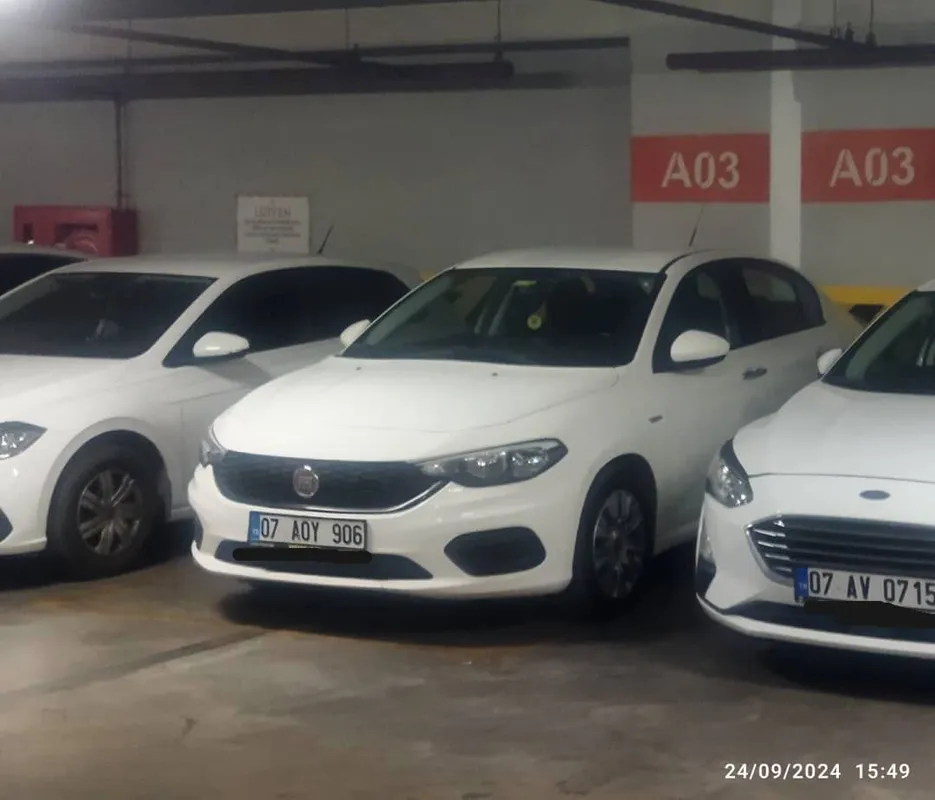

Fiat Egea Turkijoje
Viskas vyko sklandžiai. Automobilis buvo pateiktas pagal užsakymą. Registracija užtruko 5 minutes. Oro uoste laukėme apie 15 minučių. Automobilis taip pat buvo pristatytas greitai. Automobilio savininkai paprašė grąžinti jį švarų. Kai jį grąžinau, sumokėjau 300 lirų, neturėjau laiko važiuoti į plovyklą, tai tiko savininkams.
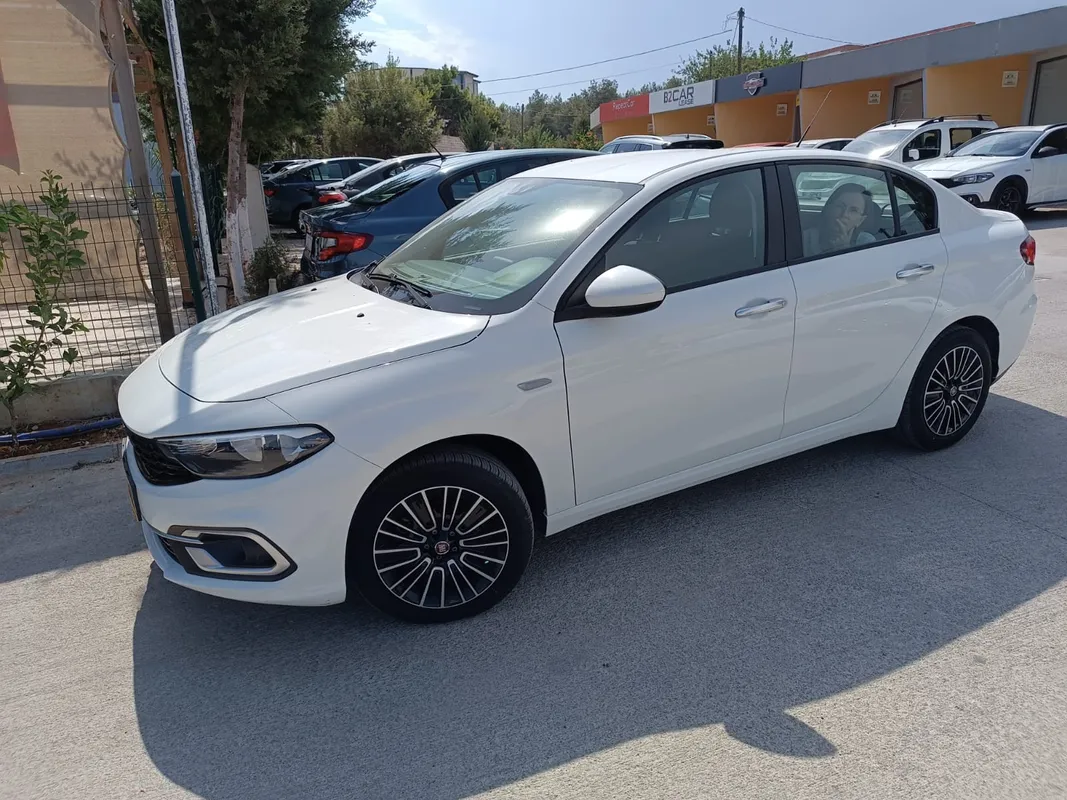
Renault Taliant Turkijoje
Viskas gerai, ačiū.

Renault Taliant Turkijoje
viskas vyko puikiai

Fiat Egea Turkijoje
Nuoma buvo puiki Nuomos bendrovė viską padarė labai šauniai. Jie pristatė automobilį į reikiamą vietą ir laiku. Automobilis buvo puikus. Taip pat labai šauniai išsinuomojo: man patogiu laiku nuvežė į oro uostą. Viskas sąžiningai, užstatas buvo grąžintas be problemų Patariu kreiptis
Renault Taliant Turkijoje
Kelionė buvo puiki! Automobilis buvo puikios būklės, švarus, gražus, viskas veikė. Nuvažiavau juo apie 3000 km, likau patenkintas kelione) Ačiū.

-
Patvirtinti atsiliepimai apie kiekvieną konkretų automobilį
Pamatote, kaip realiai pasirodė būtent ši Egea ar šis Duster, o ne tik vidurkis pagal tiekėją.
-
Kaina vaučeryje — tai kaina, kurią mokate
Visi mokesčiai, bazinis draudimas ir rinkliavos jau įskaičiuoti — jokio perskaičiavimo prie stalo.
-
Nemokamas atšaukimas iki 7 dienų prieš pradžią
Plius tiesioginis susirašinėjimas su tiekėju; detales aptariate su tuo, kuris perduos raktus.
HGS ir Bosforo tiltai
Nuo 2022 m. kovo Turkijoje veikia viena mokamų kelių sistema — HGS (Hızlı Geçiş Sistemi). Užkardos panaikintos; grynieji ir kortelės prie mokėjimo punkto nepriimami. Kiekvienoje nuomos mašinoje yra aktyvus HGS lipdukas, mokestis nuskaitomas automatiškai.
Nereikia sulėtinti greičio prie skaitytuvo. Lipdukas nuskaitomas ir 30 km/h, ir 110 km/h greičiu — svarbiausia, kad jis būtų ant automobilio.
Stambulo tiltai
Trijuose tiltuose — 15 Temmuz, Fatih ir Yavuz — mokama tik kryptimi Europa → Azija. Grįžti nemokama. Osmangazi tiltas (Stambulas–Izmiras) ir Eurazijos tunelis apmokestinami abiem kryptimis.
Daugelis permoka, nes planuoja kelionę pirmyn ir atgal per tą patį tiltą. Jei dažnai kertate Bosforą, grįžimui rinkitės 15 Temmuz — ten nemokama.
Kiek tai kainuoja
Apytiksliai: Eurazijos tunelis apie 225 ₺, Osmangazi tiltas apie 795 ₺, Stambulas–Ankara apie 150 ₺, Stambulas–Izmiras apie 500 ₺. Nemokamų alternatyvų yra beveik visur, bet jos prideda 30–90 minučių.
HGS apmokama grąžinus automobilį. Administracinis mokestis fiksuotas sutartyje nuo pirmos dienos, jokių staigmenų. Perimant verta patvirtinti, kad lipdukas ant automobilio yra aktyvus.
Draudimas ir sienos
TPVCA (vietinis TPL) — privaloma pagal Turkijos įstatymus ir įtraukta į kiekvieną nuomą. Bazinė KASKO (CDW) paprastai irgi įtraukta, su išskaita: žalos atveju mokate fiksuotą sumą, likusią padengia draudikas. Standartinės išimtys: stiklas, ratai, ratlankiai, apačia, salonas.
Apie 70 % svečių renkasi Full Coverage. Stambule ar Kapadokijos serpantinuose 1 500 USD išskaita — vienas brūkšnis ant sparno. Full Coverage pašalina šią riziką už 8–15 USD per dieną.
Ką dengia Super CDW
Super CDW dengia stiklą, ratus, ratlankius ir vagystę, panaikina išskaitą. Nedengia neblaivumo virš 0,5 ‰, važiavimo bekele, neapmokėtų rinkliavų ar evakuacijos. Kalnų maršrutuose tai standartas; pakrantėje Beleke, Sidėje ar Kemere daugelis lieka su baziniu draudimu.
Ką daryti po avarijos
Po bet kokio incidento, net mažo įbrėžimo, skambinkite 154 (kelių policija) ir laukite. Policijos protokolas privalomas — be jo joks draudimas nesumoka, o remontas išskaičiuojamas iš užstato. Nejudinkite automobilio; lygiagrečiai praneškite tiekėjui.
Be policijos protokolo Turkijos draudimas neįsijungia — nuomininkas lieka vienas su sąskaita.
Sienų kirtimas
Paprastai neleidžiama. Draudimas negalioja kertant sienas su Graikija, Bulgarija, Armėnija ir Iranu. Sakartvelas kartais įmanomas su raštišku leidimu. Į Šiaurės Kiprą keltu iš Tašuču kartais leidžiama — apie tai derinama su tiekėju iš anksto.
Automobilių nuomos kaina Turkijoje priklauso nuo sezono ir nuomos trukmės.
- sausis
- vasaris
- kovas
- balandis
- Gegužė
- birželis
- liepa
- rugpjūtis
- rugsėjis
- spalis
- lapkritis
- gruodis
- Jan
- Vasaris
- Mar
- Apr
- Gegužė
- Jun
- Lie
- Rugpjūtis
- Rugsėjis
- Spalio mėn.
- lapkritis
- Gruodis
 Kiek kainuoja išsinuomoti automobilį Turkijoje: vidutinė vienos dienos kaina visų klasių automobiliams, kai užsakoma 7 dienoms.
Dažniausiai užduodami klausimai
Taip, tarp didžiųjų miestų ir oro uostų, pavyzdžiui, maršrutais Stambulas–Antalija, Antalija–Izmiras arba Antalija–Dalamanas. Priklausomai nuo atstumo ir tiekėjo, vienos krypties mokestis prasideda nuo 200–300 USD. Sezono įkarštyje tokie automobiliai greitai išnuomojami, todėl rezervuokite iš anksto. Tarptautinė vienos krypties nuoma iš Turkijos neleidžiama.
Pagal įstatymus jos neprivalomos, tačiau žieminės padangos labai rekomenduojamos Rytų Turkijoje, Tauro kalnuose, Kapadokijoje ir Juodosios jūros pakrantėje nuo lapkričio iki balandžio. Sniego grandinės naudingos kaip atsarginė priemonė stačiuose kalnų keliuose. Dygliuotos padangos Turkijoje draudžiamos visur. Antalijoje, Bodrume ir Izmire žieminių padangų paprastai nereikia.
Turkijoje tai pasitaiko dažniau nei Vakarų Europoje. Kai kurie tiekėjai perduoda automobilį su minimaliu degalų kiekiu ir prašo grąžinti su tokiu pat kiekiu, nes principas „pilnas bakas – pilnas bakas“ čia nėra visuotinis. Atsiimdami nufotografuokite prietaisų skydelį ir įsitikinkite, kad degalų lygis pažymėtas patikros lape.
Mūsų vietiniai tiekėjai kreditinės kortelės nereikalauja. Debeto kortelės, „Maestro“ kortelės arba bekontakčio mokėjimo pakanka pradiniam mokėjimui internetu, o likusią sumą ir grąžinamą užstatą galima sumokėti grynaisiais eurais, JAV doleriais arba Turkijos liromis atsiimant automobilį. Pagrindinio vairuotojo vardu išduotos kreditinės kortelės reikalauja tik didieji tarptautiniai tinklai.
Taip. ES ir EEE vairuotojo pažymėjimai priimami tiesiogiai. Po 2013 m. išduotas lietuviškas B kategorijos vairuotojo pažymėjimas yra europietiško formato ir lotyniškais rašmenimis, todėl papildomų dokumentų nereikia. Tarptautinio vairuotojo pažymėjimo iš Lietuvos vairuotojų nereikalauja nei vietiniai tiekėjai, nei Turkijos kelių policija.
Lietuvos vairuotojams jo nereikia. ES B kategorijos vairuotojo pažymėjimo pakanka ir nuomos punkte, ir per kelių policijos patikrą. Tai skiriasi nuo, pavyzdžiui, Tailando ar JAE, kur TVP rekomenduojamas. Turkijoje europietiškas pažymėjimas yra visavertis dokumentas.
Minimali amžiaus riba yra 21 metai, o vairavimo stažas turi būti ne trumpesnis kaip 2 metai. Aukštesnės klasės, 4×4 automobilius ir mikroautobusus paprastai galima nuomotis nuo 25 metų. 21–24 metų vairuotojai moka maždaug 10 USD per dieną jauno vairuotojo priemoką. Viršutinė amžiaus riba taikoma retai, tačiau kai kurie tiekėjai vyresnių nei 70 metų vairuotojų prašo medicininės pažymos.
Užstatas priklauso nuo automobilio klasės: ekonominės klasės automobiliui jis siekia maždaug 100 USD, vidutinės klasės – 200–300 USD, o mikroautobusui – iki 500 USD. Vietiniai tiekėjai paprastai priima užstatą grynaisiais ir grąžina jį vietoje, jei automobilis grąžinamas neapgadintas. Iš anksto sumokėjus už visą draudimo apsaugą („Full Coverage“), siūlomi ir tarifai be užstato.
Stambulo oro uostas (IST) patogus miestui ir šalies šiaurės vakarams. Sabiha Gökçen oro uostas (SAW) arčiau Azijos pusės ir yra patogi kelionės į Kapadokiją pradžia. Antalijos oro uostas (AYT) yra pagrindinis Turkijos Rivjeros centras. Dalamano oro uostas (DLM) aptarnauja Marmarį, Fethiję ir Ölüdenizą, Bodrumo oro uostas (BJV) – Egėjo pakrantę, o Izmiro oro uostas (ADB) – Efesą ir Češmę. Iš Vilniaus į AYT, BJV ir DLM vykdomi užsakomieji skrydžiai.
HGS yra vienintelė elektroninė rinkliavų sistema Turkijos automagistralėse nuo 2022 m. Kiekviename nuomojamame automobilyje yra aktyvus lipdukas, o mokestis nuskaičiuojamas pravažiavus skaitytuvą. Apytikslės kainos: Stambulas–Ankara – apie 150 ₺, Stambulas–Izmiras – apie 500 ₺. Grąžinus automobilį HGS mokesčius apmoka tiekėjas ir prideda nedidelį sutartyje nustatytą administracinį mokestį.
Mokama tik važiuojant iš Europos į Aziją. Priešinga kryptimi trimis kabančiais tiltais – 15 Temmuz, Fatih ir Yavuz – važiuojama nemokamai. Osmangazi tiltas Izmiro automagistralėje ir Eurazijos tunelis po Bosforu apmokestinami abiem kryptimis. Mokama tik per HGS, nes prie skaitytuvo nepriimami nei grynieji, nei kortelės.
Vairuotojui, kuris automobilyje yra vienas, taikoma 0,5 ‰ riba, o vežant bet kurį keleivį, suaugusįjį ar vaiką, – 0,0 ‰. Ši taisyklė nustebina daug lankytojų. Motociklams, furgonams ir visoms transporto priemonėms su priekaba taikoma 0,2 ‰ riba. Už pirmą pažeidimą skiriama maždaug 6 400 ₺ bauda, o viršijus 0,5 ‰ draudimas negalioja.
Taip. Pagal Turkijos įstatymus dėl bet kokios žalos, įskaitant įbrėžimą, reikia policijos protokolo. Skambinkite kelių policijai numeriu 154. Be protokolo draudimas žalos nepadengs, o remonto išlaidos bus išskaičiuotos iš užstato. Nejudinkite automobilio iki atvykstant policijai. Taip pat praneškite tiekėjui, kuris patars, ką daryti vietoje.
Vykti į Graikiją, Bulgariją, Armėniją, Iraną, Siriją ar Iraką draudžiama, nes pasienyje draudimas nustoja galioti. Į Sakartvelą kartais galima vykti gavus individualų leidimą ir sumokėjus 100–200 USD priemoką. Į Šiaurės Kiprą kartais leidžiama keltis iš Tašuču arba Mersino, turint raštišką patvirtinimą. Kipro Respublika Turkijoje registruotiems nuomojamiems automobiliams uždaryta.
Kai kurie Turkijos tiekėjai taiko 150–250 km per dieną limitą, kitaip nei Europoje įprastą neribotą ridą. Už viršytą ridą mokama 0,20–1 USD už kilometrą. Ilgiems maršrutams, tokiems kaip Stambulas–Kapadokija (730 km) arba Antalija–Pamukalė (240 km), rezervuodami rinkitės neribotos ridos tarifą.