


Recolha


Regresso
🎁 Use o código WELCOME3 durante o checkout para obter desconto na sua primeira reserva connosco. Aproveite! ☀️

Aluguer de carros na Turquia abre o país de uma forma que nenhum transfer em autocarro ou excursão organizada consegue. As distâncias são grandes, a rede viária é sólida e a maior parte dos locais que justificam a viagem — da costa Lícia à Capadócia — fica a poucas horas do aeroporto.
Para quem chega de voo direto a Antália ou via Istambul, o carro acaba por fazer parte das férias e não um peso. Três ou quatro dias fora de um tudo-incluído para Pamukkale ou Saklıkent; uma quinzena na costa entre Antália e Kaş; ou uma deslocação entre cidades fora de época, quando os preços caem.
A maioria chega à recolha à espera de complicações — papelada, filas, taxas escondidas. Trabalhámos para que fosse o oposto. Voucher, chaves, vídeo de vistoria e saída direta.
Os pagamentos são simples. Visa, Mastercard, Maestro e contactless são aceites em todo o lado; o cartão de crédito só é exigido pelas cadeias internacionais, enquanto os fornecedores locais aceitam cauções em dinheiro em EUR, USD ou liras turcas. A maioria paga um sinal online de 15–20 % para confirmar a reserva e liquida o resto na recolha. O MB Way não funciona fora de Portugal — use cartão Visa ou Mastercard do CGD, Millennium BCP, Santander Totta ou Revolut.
A pergunta mais frequente é se é necessário cartão de crédito para alugar carro na Turquia. Connosco não: cartão de débito ou dinheiro chega na maioria dos fornecedores locais.
A frota começa no Fiat Egea — o carro de aluguer mais comum do país — e vai até aos monovolumes de oito lugares. A maioria dos veículos é de 2020 ou mais recente.
O que precisa para alugar na Turquia
O essencial é simples: passaporte com carimbo de entrada e carta de condução válida. A carta europeia de categoria B emitida em Portugal é aceite diretamente em toda a Turquia, sem documentos adicionais. Não precisa de carta internacional — o seu cartão de condução português basta no balcão e em qualquer fiscalização rodoviária.
A carta portuguesa em formato cartão funciona em qualquer balcão e em qualquer controlo da polícia turca. Para viagens fora da UE em alfabetos não latinos a situação é outra, mas dentro da Europa é o documento padrão.
A idade mínima é 21 anos com pelo menos dois anos de experiência. Modelos premium, 4×4 e monovolumes ficam, em regra, a partir dos 25. Condutores com menos de 25 anos pagam uma sobretaxa de jovem condutor — cerca de 10 USD por dia nos fornecedores locais.
Os pagamentos são simples para quem chega de Portugal. Visa, Mastercard, Maestro, contactless e Apple/Google Pay funcionam para o sinal online — cartões do CGD, Millennium BCP, Santander Totta, Novo Banco ou Revolut são aceites sem problema. Na recolha, os fornecedores locais aceitam dinheiro em EUR, USD ou liras; as cadeias internacionais exigem cartão de crédito em nome do condutor principal.
Um casal do Porto alugou em julho em Antália com cartão de débito da CGD e duzentos euros em dinheiro. Cobriu a caução, o gasóleo e ainda sobrou para um jantar antes do voo.
Antes de sair do parque, verifique o carro com o voucher: modelo, ano, caixa de velocidades e combustível. Substituições pela «mesma classe» podem acontecer em época alta.
A maioria dos turistas em na Turquia começa sua viagem aqui
Quanto custa alugar na Turquia
Os preços variam conforme a estação. Em época baixa, um Fiat Egea — o carro de aluguer mais comum do país — começa nos 8–10 USD por dia em caixa manual e 12–15 USD em automática. Os modelos intermédios, como o Renault Megane ou o Hyundai i30, situam-se entre 12 e 20 USD. Os monovolumes familiares ficam entre 60 e 80 USD.
Em época alta (junho–setembro) os preços aumentam cerca de três vezes: Egea a partir de 35 USD, modelos intermédios entre 45 e 55 USD, e monovolumes entre 120 e 180 USD. Na costa, em julho e agosto, os melhores carros esgotam duas a três semanas antes — em Bodrum ou Antália, vale a pena reservar com antecedência, sobretudo para quem chega de voo charter.
Em agosto, em Antália, os carros esgotam um mês antes. Se voar em época alta, não espere até aterrar: sobram os piores e a preços mais elevados.
Além da diária, o voucher inclui normalmente: seguro contra terceiros (obrigatório por lei turca), CDW básico, sobretaxa de aeroporto, Super CDW opcional, sobretaxa de jovem condutor e taxa de devolução noutra cidade. As portagens e multas são cobradas posteriormente, com uma pequena taxa administrativa.
O preço no voucher é o preço que paga. Se algo não está discriminado no documento, também não aparece na fatura final.
A caução em dinheiro depende da classe: cerca de 100 USD para o carro económico, 200–300 USD para o intermédio e até 500 USD para o monovolume. Alguns fornecedores oferecem tarifários sem caução — paga a cobertura total e nada fica retido.

Toyota Corolla Sedan na Turquia
Tudo correu na perfeição, o carro não apresentou quaisquer problemas e estava bem conservado.
Hyundai i20 na Turquia
Tudo correu na perfeição. Entrega e receção do automóvel - tudo pontual. O carro estava de acordo com o pedido. A avaliação é excelente!

Citroen C-Elysee na Turquia
Em geral, gostámos do carro, exceto que os bancos traseiros estavam sujos como se tivesse sido derramado algo, alguns de nós sujámos a roupa e tivemos de cobrir o banco com o nosso próprio xadrez. A certa altura o ponto de exclamação acendeu-se, contactámos o senhorio e ele disse para verificarmos a pressão dos pneus, fomos a uma bomba de gasolina e enchemo-los, mas o ponto de exclamação não se apagou, o que não afectou a qualidade da viagem. O carro foi entregue e recolhido muito rapidamente. O depósito foi reembolsado na totalidade. Obrigado!

Citroen Space Tourer na Turquia
tudo bem Estou contente com tudo

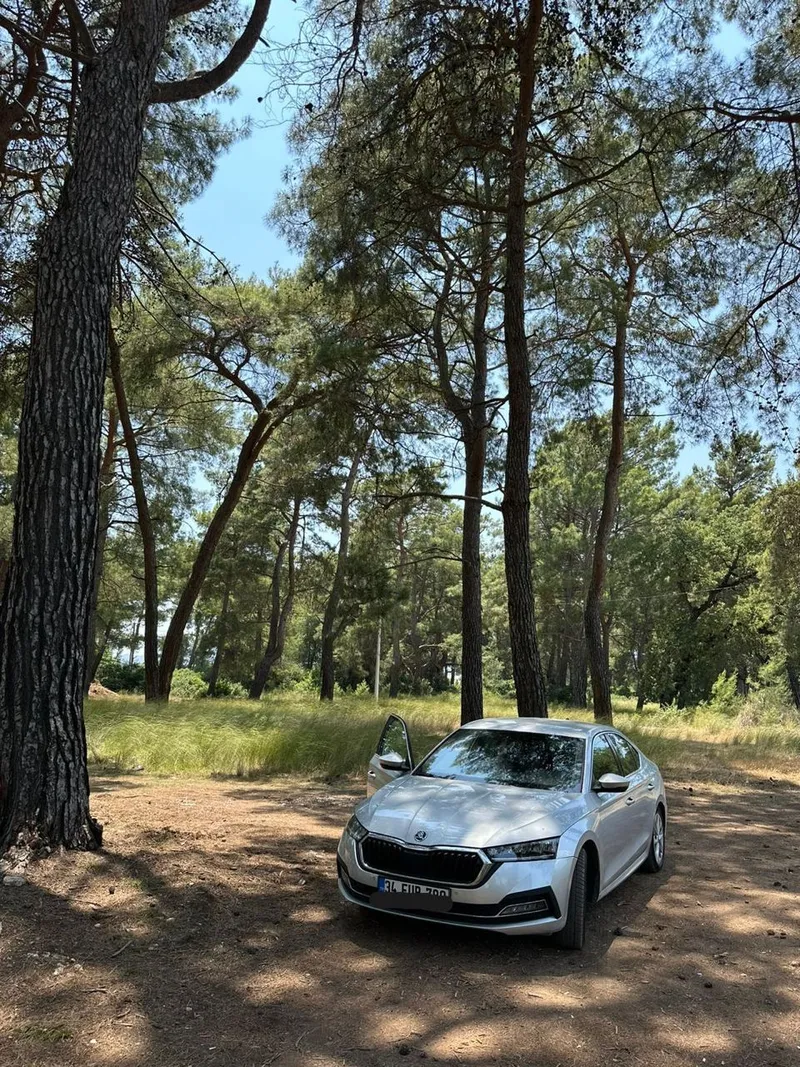
Skoda Scala na Turquia
Obrigado pela tua carta! É verdade, aluguei um carro ao Tolga. Correu tudo bem, estamos muito satisfeitos e voltaremos a contactar!
Hyundai Accent Sport Sedan na Turquia
Correu tudo bem, o Hyundai avariou uma vez e deram-me outro carro
Fiat Egea Cross na Turquia
Fizemos muito bem, obrigado

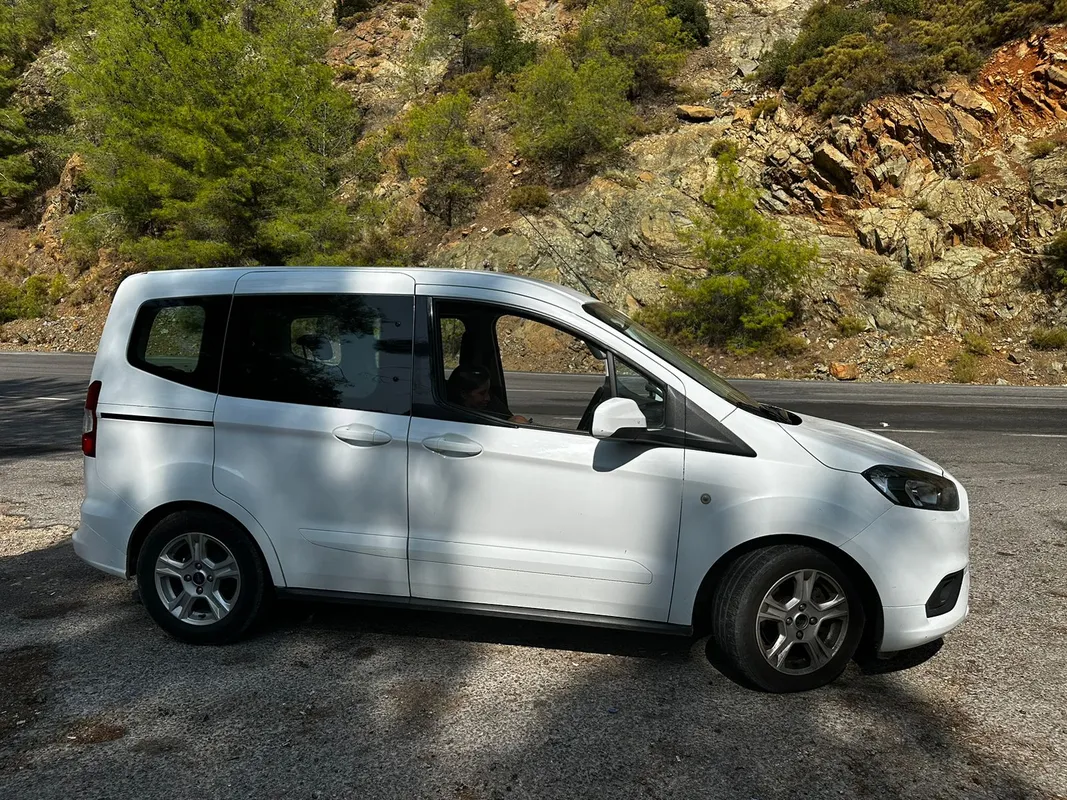
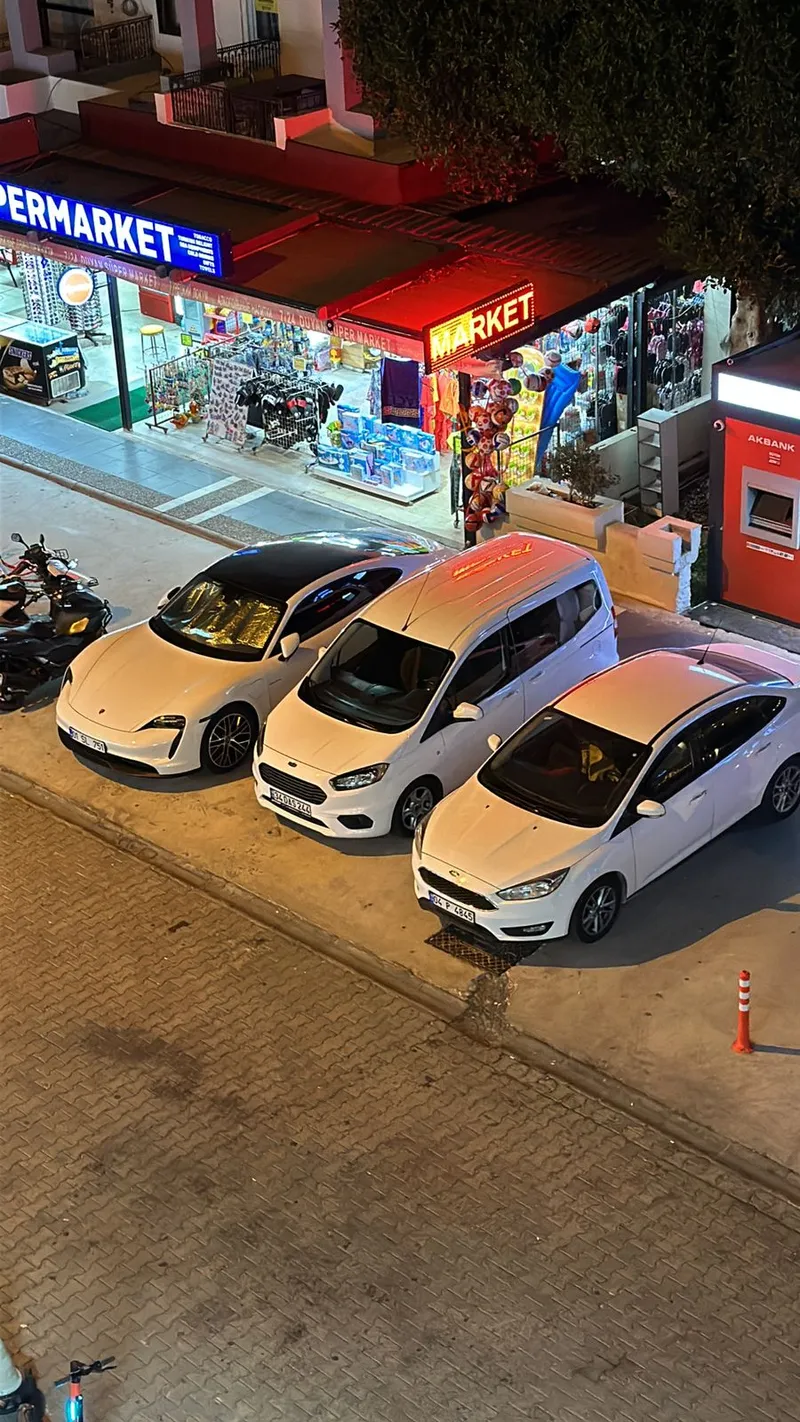
Ford Courier na Turquia
Correu tudo bem, o carro está como encomendado no sítio Web. Tudo honesto e sem batota! Recomendei a vossa empresa a todos os meus amigos que vão à Turquia! A viagem à Turquia acabou por ser espetacular!

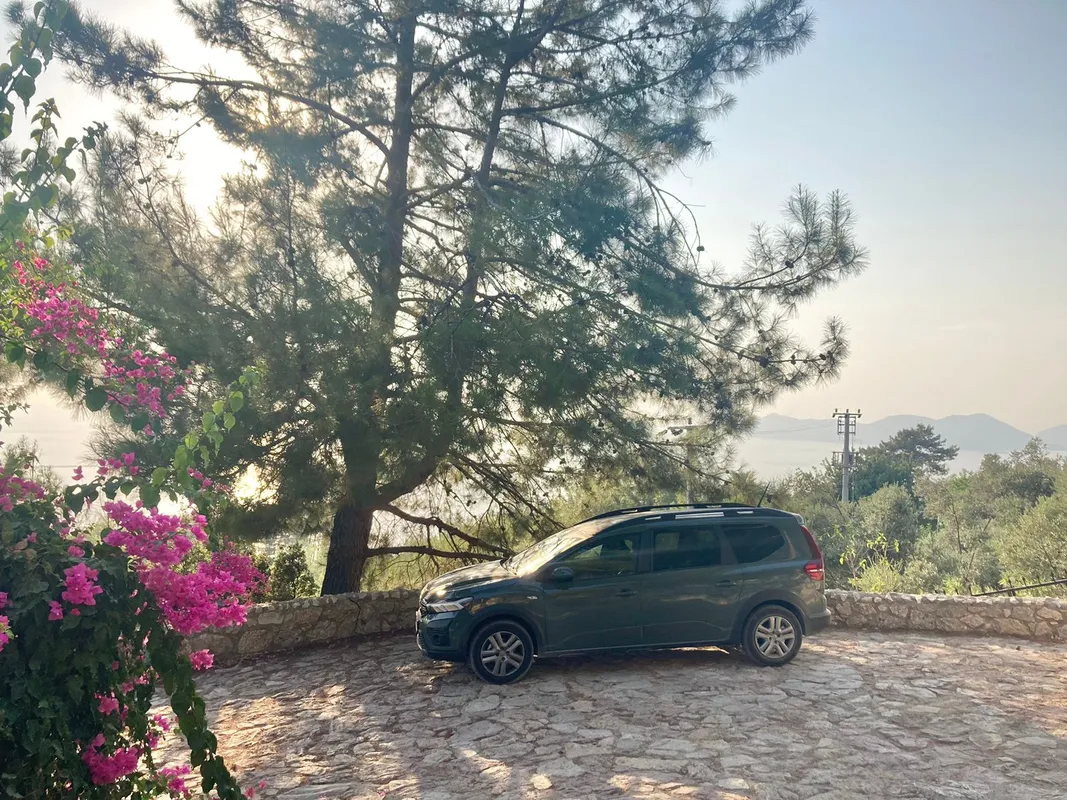
Dacia Jogger na Turquia
Gostámos de tudo. Não houve qualquer problema. Por isso, provavelmente voltaremos a visitar-vos no futuro.

Fiat Egea na Turquia
Tudo correu na perfeição, o carro era exatamente como eu tinha escolhido no sítio Web. Percorremos em segurança uma longa distância de Antalya ao longo da costa, não houve problemas com o aluguer e a entrega do carro. Muito obrigado!
Renault Megane Sedan na Turquia
Obrigado! Feliz com tudo
Ford Tourneo Custom na Turquia
Bom carro para férias em família, pessoal muito recetivo
Renault Symbol na Turquia
tudo estava bem.

-
Avaliações verificadas em cada carro individual
Vê como este Egea ou este Duster se comportou na prática, não apenas uma média do fornecedor.
-
O preço no voucher é o preço final
Todos os impostos, seguro básico e taxas vêm incluídos, sem recálculos ao balcão.
-
Cancelamento gratuito até 7 dias antes
Combina os detalhes diretamente com a pessoa que lhe vai entregar as chaves.
Portagens, pontes do Bósforo e HGS
Desde março de 2022, a Turquia utiliza um sistema único de portagens — o HGS (Hızlı Geçiş Sistemi). Não há barreiras; nos pórticos de portagem não se aceita dinheiro nem cartões. Todos os carros de aluguer trazem um autocolante HGS ativo no para-brisas e o valor é descontado ao passar sob o pórtico.
Não é preciso sequer abrandar. O autocolante é lido entre 30 km/h e 110 km/h — o importante é estar bem colado no para-brisas.
Pontes de Istambul
As travessias do Bósforo seguem uma lógica própria. Nas três pontes — 15 Temmuz Şehitler, Fatih Sultan Mehmet e Yavuz Sultan Selim — paga-se apenas num sentido, Europa → Ásia. O regresso é gratuito. A Ponte Osmangazi (autoestrada Istambul–Izmir) e o Túnel da Eurásia cobram nos dois sentidos.
Muitos visitantes pagam a mais por planearem a ida e volta pela mesma ponte. Quem atravessa várias vezes, faz o regresso pela 15 Temmuz — é grátis nesse sentido.
Quanto custa
Valores indicativos: Túnel da Eurásia cerca de ₺225 de dia, Ponte Osmangazi cerca de ₺795, Istambul–Ancara à volta dos ₺150, Istambul–Izmir cerca de ₺500. Existem alternativas gratuitas quase em todo o lado, mas acrescentam 30 a 90 minutos ao trajeto.
O HGS é faturado depois de devolver o carro. É normal aplicar uma pequena taxa administrativa adicional — a nossa está fixada no contrato desde o início. Todos os carros que oferecemos trazem HGS ativo, mas vale a pena confirmar na recolha.
Seguros, acidentes e fronteiras
O seguro contra terceiros (TPL) é obrigatório por lei turca e vem incluído em qualquer aluguer. O CDW básico também costuma estar incluído, com franquia (excesso): paga um valor fixo em caso de dano e o resto fica a cargo da seguradora. Exclusões padrão: vidros, jantes, pneus, parte inferior e interior.
Cerca de 70 % dos clientes optam pela cobertura total. Em Istambul ou nas serpentinas da Capadócia, uma franquia de 1.500 USD equivale a um simples raspão num guarda-lamas. A cobertura total elimina esse risco por 8–15 USD por dia.
O que cobre o Super CDW
O Super CDW (cobertura total, equivalente ao seguro contra todos os riscos em Portugal) cobre vidros, pneus, jantes e roubo, e zera a franquia. Não cobre álcool acima de 0,5‰, condução fora de estrada, portagens não pagas nem reboque. Em rotas de montanha é prática padrão; em Belek, Side ou Kemer muitos clientes ficam pela cobertura básica.
O que fazer após um acidente
Em qualquer incidente, mesmo um arranhão, ligue para o 154 (polícia de trânsito) e espere. O auto policial é obrigatório — sem ele nenhum seguro paga e a reparação sai da caução. Não mexa no carro até a polícia chegar e avise o fornecedor em paralelo.
Uma família de Lisboa tentou resolver um toque ligeiro num parque em Side sem chamar a polícia. Sem auto, o seguro turco não foi acionado e a reparação saiu da caução.
Travessia de fronteiras
Em regra, não é permitida. O seguro fica sem efeito nas fronteiras com a Grécia, Bulgária, Arménia, Irão, Síria e Iraque. A Geórgia é por vezes possível com autorização escrita e sobretaxa. Chipre do Norte é ocasionalmente permitido por ferry desde Taşucu ou Mersin com aprovação prévia do fornecedor.
O preço do aluguer de automóveis na Turquia depende da época e da duração do aluguer.
- Janeiro
- Fevereiro
- Março
- Abril
- maio
- Junho
- Julho
- Agosto
- Setembro
- Outubro
- Novembro
- Dezembro
- Jan
- Fev
- Mar
- abril
- maio
- Jun
- Jul
- agosto
- setembro
- outubro
- Nov
- Dez
 Quanto custa alugar um carro na Turquia: preço médio por dia para todas as classes de carros ao reservar por 7 dias.
Perguntas frequentes
Sim, entre as principais cidades e aeroportos, como Istambul–Antália, Antália–Izmir e Antália–Dalaman. A taxa de aluguer só de ida começa nos 200–300 USD, consoante a distância e o fornecedor. Na época alta, estes carros esgotam rapidamente, pelo que deve reservar cedo. Não é permitido o aluguer só de ida internacional para fora da Turquia.
Não são obrigatórios por lei, mas são fortemente recomendados no leste da Turquia, nas montanhas Tauro, na Capadócia e na costa do Mar Negro, de novembro a abril. As correntes de neve são úteis como reserva em estradas montanhosas íngremes. Os pneus com pregos são proibidos em toda a Turquia. Em Antália, Bodrum e Izmir, normalmente não são necessários. Quem tem pouca experiência em condições alpinas deve evitar conduzir na montanha durante uma queda de neve.
Sim, acontece mais vezes na Turquia do que na Europa Ocidental. Alguns fornecedores entregam o carro com o mínimo de combustível e pedem que seja devolvido nas mesmas condições; a política «cheio-cheio» não é universal. Fotografe o painel no levantamento e confirme que o nível de combustível fica registado na folha de inspeção pelo fornecedor.
Com os nossos fornecedores locais, não. Um cartão de débito, Maestro ou contactless é suficiente para o pagamento inicial online, e o restante e a caução podem ser pagos em numerário no levantamento, em EUR, USD ou liras turcas. O cartão de crédito em nome do condutor principal só é exigido pelas grandes cadeias internacionais. O MB WAY não funciona fora de Portugal; utilize um cartão Visa ou Mastercard da CGD, Millennium BCP, Santander Totta, Novo Banco ou Revolut.
Sim. A carta de condução europeia da categoria B emitida em Portugal é aceite diretamente em toda a Turquia, sem documentos adicionais. É válida tanto no novo formato de cartão como nos controlos policiais. Não é necessária uma carta de condução internacional (IDP). Para estadias superiores a seis meses, pode ser exigida uma autorização de residência turca.
Para os condutores portugueses, não. A carta europeia da categoria B é suficiente em todos os balcões e controlos policiais turcos. A IDP só é útil para condutores com cartas escritas em alfabetos não latinos. Não é necessário pedir uma apenas para uma viagem à Turquia; a carta portuguesa é suficiente.
A idade mínima é 21 anos, com pelo menos dois anos de experiência de condução. Para carros premium, 4×4 e monovolumes, são geralmente exigidos 25 anos. Os condutores entre os 21 e os 24 anos pagam uma sobretaxa de jovem condutor de cerca de 10 USD/dia. Raramente existe um limite máximo de idade, embora alguns fornecedores exijam um atestado médico acima dos 70 anos.
Depende da categoria do carro: cerca de 100 USD para um económico, 200–300 USD para um intermédio e até 500 USD para um monovolume. Nos fornecedores locais, a caução é normalmente paga em numerário e devolvida de imediato quando o carro é entregue sem danos. Existem tarifas sem caução para quem paga antecipadamente a cobertura total.
O IST, em Istambul, serve a cidade e o noroeste e recebe o voo direto da TAP a partir de Lisboa. O SAW, Sabiha Gökçen, fica mais próximo do lado asiático. O AYT, em Antália, é o principal aeroporto da Riviera Turca e recebe voos charter regulares de Portugal. O DLM serve Marmaris, Fethiye e Ölüdeniz; o BJV abrange Bodrum e o Egeu; e o ADB, em Izmir, é a melhor opção para Éfeso e Çeşme.
O HGS é o único sistema eletrónico de portagens nas autoestradas turcas desde 2022. Todos os carros de aluguer têm um autocolante ativo e o valor é debitado quando passam sob o pórtico. Como referência, Istambul–Ancara custa cerca de ₺150 e Istambul–Izmir cerca de ₺500. O fornecedor fatura as portagens após a devolução do carro, acrescidas de uma pequena taxa administrativa indicada no contrato.
A portagem é cobrada apenas na travessia da Europa para a Ásia. As três pontes suspensas, 15 Temmuz, Fatih e Yavuz, são gratuitas no sentido inverso. A Ponte Osmangazi, na autoestrada de Izmir, e o Túnel da Eurásia, sob o Bósforo, cobram nos dois sentidos. O pagamento é feito apenas através do HGS; não são aceites numerário nem cartões na portagem.
O limite é de 0,5‰ quando o condutor está sozinho e de 0,0‰ quando viaja qualquer passageiro, adulto ou criança. Esta regra surpreende muitos visitantes. Para motas, carrinhas e qualquer veículo com reboque, o limite é de 0,2‰. A multa pela primeira infração ronda as ₺6.400 e qualquer seguro deixa de ser válido acima de 0,5‰.
Sim. A legislação turca exige um auto policial para qualquer dano, incluindo um pequeno arranhão; ligue para o 154, a polícia de trânsito. Sem esse documento, o seguro não paga e a reparação é descontada da caução. Não desloque o carro até à chegada da polícia. Avise o fornecedor em simultâneo para receber orientações imediatas.
Não é permitido atravessar para a Grécia, a Bulgária, a Arménia, o Irão, a Síria ou o Iraque, pois o seguro deixa de ser válido na fronteira. A entrada na Geórgia é ocasionalmente possível mediante uma autorização individual e uma sobretaxa de 100–200 USD. O Chipre do Norte pode, por vezes, ser autorizado por ferry a partir de Taşucu ou Mersin, com aprovação escrita. A República de Chipre está fechada a carros turcos.
Muitas vezes, sim. Alguns fornecedores turcos impõem um limite de 150–250 km/dia, abaixo da quilometragem ilimitada habitual na Europa. Cada quilómetro excedente custa 0,20–1 USD. Para percursos longos, como Istambul–Capadócia (730 km) ou Antália–Pamukkale (240 km), escolha uma tarifa com quilometragem ilimitada no momento da reserva.