


Pickup


Return
🎁 Use code WELCOME3 during checkout to get a discount on your first booking with us. Enjoy! ☀️

Car rental in Czechia opens up a side of the country most visitors on foot never see. Prague itself works fine without a car — the metro, trams and apps like Bolt or Liftago cover the centre well. The moment you head towards Karlovy Vary, Český Krumlov, the Bohemian castles or the Moravian wine country, though, public transport becomes a series of transfers and waits.
A couple picked up a Fabia at PRG last May, signed the paperwork on the bonnet by the parking lift, and were on the D8 to Dresden within fifteen minutes. The desks in the arrivals hall still had a queue.
Czechia is compact and built for road trips. Three towns in a single day feels comfortable. The motorway network is in good shape: the D1 links Prague to Brno, the D5 runs to the German border, and the D8 heads towards Dresden. Petrol prices are stable, the e-vignette has been fully digital since 2021, and navigation works without surprises.
Castles, thermal spas, forested hills. A car turns the trip from a city break into a proper road loop, and the distances are still European — they don't wear you out.
We don't push a car on guests who don't need one. If you're flying into Prague for a long weekend without leaving the city, we'll tell you directly that you can skip the rental. But if Krumlov, Kutná Hora, Karlovy Vary or a day in Dresden are on your list, a car is what turns a comfortable trip into one with real freedom.
Documents and entry
For most European visitors, entering Czechia is straightforward. EU and EEA citizens travel with an ID card or passport. UK, US, Canadian, Australian, and New Zealand passport holders enter visa-free for up to 90 days in any 180-day period under Schengen rules. ETIAS, the online pre-travel authorisation for visa-exempt nationals, is expected to launch in late 2026 — quick to apply for, around €7.
A guest landed at PRG last spring with just a passport and a UK plastic licence. No international permit, no fuss. Bring the original card, though — phone screenshots are turned away at the counter.
Driving licences from EU/EEA countries, the UK, the US, Canada, Australia and New Zealand are accepted by all Czech rental companies without an International Driving Permit. The minimum holding period is usually one year. Bring the original card — most counters won't accept app-only versions.
For payment, the global chains require a credit card in the main driver's name to hold the deposit. Many local Prague companies are more flexible — they accept debit cards or a cash deposit.
A traveller from Manchester booked a Polo on a debit card. The supplier requested a cash deposit in CZK at pickup. It took twenty minutes, and the deposit was refunded on the bonnet at drop-off. Smaller hold, no card-clearance wait.
You'll also need your booking voucher; a phone-screen copy is fine.
Most tourists in Czechia start their trip here
Prices and what to drive
Daily rates in Czechia start at around $25–35 in low season and rise to $40–60 at peak summer. The most common category is the compact hatchback: Skoda Fabia, VW Polo, Hyundai i20, Kia Picanto. The Fabia is the face of Czech car hire — built locally, often cheaper than the equivalent Ford or Opel.
Skoda is the Czech default. The Fabia is economical and easy in city traffic, the Octavia is comfortable for longer drives, and the Karoq is the one to take for mountain routes and winter runs into the Krkonoše.
Mid-size saloons (Skoda Octavia, VW Passat) are $40–50 a day. Compact SUVs (Skoda Karoq, Hyundai Tucson) are $55–65. Seven-seater minivans and large SUVs are $70–85. Premium and luxury start at $90 and reach $220+ depending on model.
A family of four took the cheapest Fabia on offer in late September last year — $32 a day with the annual vignette included. The same car would have been $58 in mid-August. The shoulder months pay back fast.
If your route includes mountains, or you're travelling in December or January, consider a diesel and a higher-clearance car — climbs in the Krkonoše or Šumava are easier with both. For pure city use and short flat-region drives, a petrol Fabia or Polo is plenty. Manual transmissions are typically 20–30% cheaper than automatic — worth flagging at the booking stage, especially if you're planning long motorway stretches between towns.

Skoda Fabia in Czechia
Thank you very good service very good car 🙂😍
Skoda Fabia in Czechia
everything went great with the rental. Everything was on time and clear. The car is wonderful, comfortable, well-maintained. Interaction with the hostess at the highest level. Always in touch, prepared everything in advance. Everything was very pleasant.
Volkswagen Golf Variant in Czechia
Everything went well, the car was in excellent condition, brought and taken away at the appointed time, no problems. I drove it through three countries, I am satisfied with the trip. Thank you )


Citroen C4 Grand Picasso in Czechia
Rent a car is not easy to me. In many cases the conditions is some complex and I am not sure faithfulness of provider. In this deal almost process was simple, clear and easy. I communicated by WhatsApp in the Airport. No waiting line was so good. I was happy to get this deal.

Skoda Rapid in Czechia
It was good in total. Connected with the courier to clarify some questions and he always replyed quick. I would use again your good service if I am in Prague next time! Thanks!
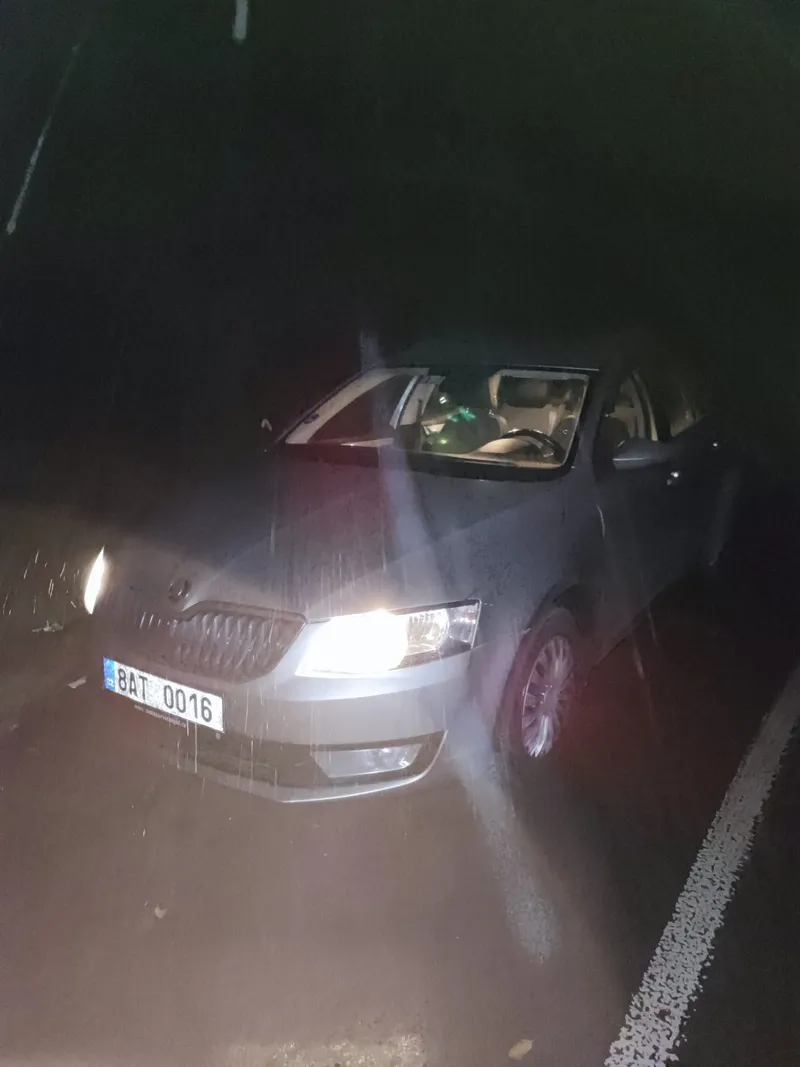

Skoda Fabia in Czechia
I liked everything, very comfortable, thank you
Skoda Scala in Czechia
Everything is fine with the rental 👌 As always, everything is on the level! We use not the first and not the last time.
Renault Megane SW in Czechia
the experience was great, the service was very good
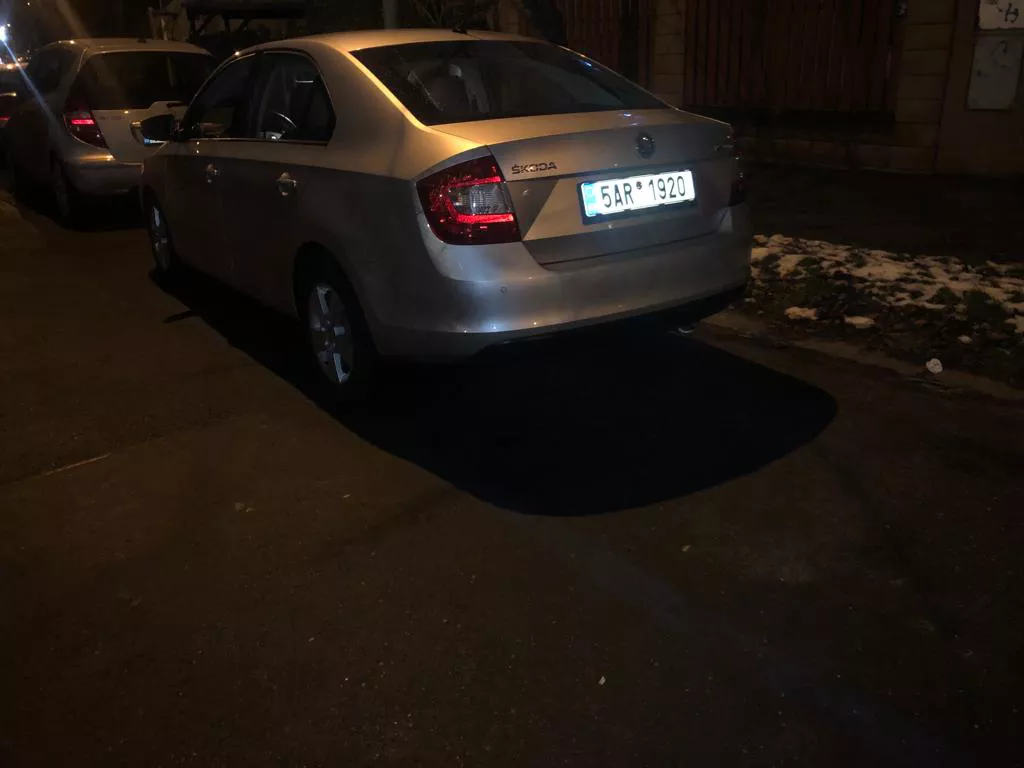
Volkswagen Passat Variant in Czechia
I had to wait a bit when receiving and returning the car. generally satisfied, Vadim was in touch and provided the necessary assistance.I can say that if friends ask where to get the car, I’ll recommend contacting this supplier. The photos on the site are true.
Mercedes-Benz Vito in Czechia
All OK. I will definitely use it again!
Suzuki Swift in Czechia
Great, thank you will use again soon.
Fiat Ducato in Czechia
We were given a dirty car. The car was dirty inside and out !! When asked why the car is so dirty: the manager will wash it ourselves. How do you like this? In general, the car was normal.

Peugeot 301 in Czechia
Everything went fine Great manager and car
Take Cars in Czechia
In Czechia we work with both the major global chains and well-established local Prague rental companies, some with more than ten years in the market. Local suppliers are usually the better option for cash deposits, debit card payments and flexible airport pickups. We track flight numbers in real time, so a late landing doesn't mean a missed contract — the host waits, the keys are handed over on the parking deck, and that's it.

-
Real photos on every car
You see the actual vehicle you'll collect, with reviews from past renters of that specific model — no stock images.
-
Deposit terms in plain view
The amount, payment method and refund window are visible before you book; zero-deposit cars are filtered in search.
-
Free cancellation up to 7 days
Message the host with any question, and cancel without penalty if your plans change.
Rules, vignette and fines
Czech road rules are clear but strict. Most issues come from two things: an inactive vignette and the absolute alcohol limit.
The digital e-vignette
Czech vignettes have been fully digital since 2021 — no more stickers. The vignette is linked to your plate in the SFDI database, and gantry cameras check every car automatically. Prices for 2026: 1 day ≈ $5, 10 days ≈ $14, 30 days ≈ $20, annual ≈ $65. The fine for driving without one can reach $880.
Most of our cars come with the annual vignette already on the plate — so you can head onto the D1 or D5 without thinking about it. If yours doesn't, buy on edalnice.cz directly. Third-party portals add a service fee on top.
Speed, lights, alcohol
Speed limits: 50 km/h in towns (30 in historic centres), 90 km/h outside built-up areas, 130 km/h on motorways. Dipped headlights or DRLs are mandatory around the clock, all year.
The single most important rule in Czechia is zero alcohol behind the wheel. It's a beer country, but the limit is absolute — even one pint means a licence ban and up to $2,200 in fines. Plan a Bolt for the pub.
Winter tyres by date
Winter tyres are mandatory from 1 November to 31 March — by calendar, not by weather. Minimum tread depth is 4 mm. Studded tyres are banned.
Rental companies fit winter tyres for the November–March window by default — just check the M+S or three-peak mountain mark on the sidewall. Chains are usually only needed in the Krkonoše in heavy snow.
Day trips worth the drive
Prague is well placed: most headline destinations sit within a 90-minute to two-hour drive. The map is compact, motorways are good, and what would be a long coach day becomes a comfortable mini-trip behind the wheel.
Karlovy Vary — 120 km via D6
The main spa town: hot springs, the Mill Colonnade, the Grandhotel Pupp. Car rental in Karlovy Vary is the easy option if you fly into KLV. Otherwise pick up in Prague and loop via Mariánské Lázně and Plzeň.
The drive to Karlovy Vary along the D6 takes about 90 minutes. Set off in the morning and you're back in Prague for an unhurried dinner.
Český Krumlov — 175 km
A medieval UNESCO town in southern Bohemia. Large car parks on the edge ($5–10/day), pedestrian centre. Often paired with Budějovice.
Kutná Hora — 90 km
The Sedlec Ossuary and St Barbara's Cathedral — a half-day trip. About an hour from Prague on D11.
A couple drove the loop Prague → Karlovy Vary → Mariánské Lázně → Plzeň over three days last October. Around 500 km, three different beds, no train timetable to chase. Back in Prague by Friday lunch.
Brno and Moravia — 210 km via D1
The second city and gateway to the Pálava and Mikulov wine country. Right for a 2–3 day trip.
A day in Dresden — 150 km via D8
A seamless drive into Germany: Zwinger, old town, the Elbe. Vignette and insurance carry over without extra fees at most suppliers. Car rental in Prague is convenient precisely because it lets you combine Czech and German routes in one go.
Rates in Czechia vary throughout the year depending on the season and the rental length in days.
- January
- February
- March
- April
- May
- June
- July
- August
- September
- October
- November
- December
- Jan
- Feb
- Mar
- Apr
- May
- Jun
- Jul
- Aug
- Sep
- Oct
- Nov
- Dec
 How expensive is renting a car in Czechia: average daily rates for a one-week car rental, across all car classes. Delivery across Czechia not included.
Frequently asked questions about car rental in Czechia
EU and EEA citizens travel freely with an ID card or passport. UK, US, Canadian, Australian and New Zealand passport holders enter visa-free for up to 90 days in any 180-day period under Schengen rules. ETIAS pre-travel authorisation (around €7) is expected to roll out in late 2026 for visa-exempt third-country nationals — apply online before the trip.
Licences from any EU/EEA country, the UK, the US, Canada, Australia and New Zealand are accepted by all Czech rental companies without an International Driving Permit. You'll need to have held the licence for at least one year. Bring the original plastic card — digital or app-only versions are not accepted at the rental counter.
With many local Prague suppliers, yes. The global chains almost always require a credit card to hold the deposit. Filter for "debit card accepted" or "cash deposit" before booking — TakeCars marks this clearly on each car listing.
In 2026, an electronic vignette for a passenger car under 3.5 tonnes costs about $5 for one day, $14 for 10 days, $20 for 30 days and $65 for one year. Plug-in hybrids emitting less than 50 g/km of CO₂ receive a 25% discount, CNG vehicles receive 50% off, and fully electric cars are exempt after registration. Buy the vignette through the official edalnice.cz website to avoid third-party service fees.
The fine can be as high as $880, making it one of the highest in Europe. Motorway cameras check each number plate against the SFDI database, and roadside police have access to the same information. Fines issued to foreign vehicles can be pursued through the EU cross-border enforcement system.
An economy car costs around $25–35 per day in the low season and $35–55 in the summer peak. Typical daily rates are $30–40 for a Skoda Fabia or Volkswagen Polo, $40–50 for a Skoda Octavia, $55–65 for a Skoda Karoq, and $70–85 for a seven-seat minivan. Premium cars start at around $90. Local Czech suppliers are usually cheaper than international chains, particularly for longer rentals.
International chains typically place a hold of $550–1,650 on a credit card. Local suppliers in Prague may require $220–880 and often accept cash. Cash deposits are returned when you hand back the car, while card holds usually take 7–30 working days to clear. Cars that do not require a deposit are also available; use the relevant filter when booking.
Most suppliers accept drivers from the age of 21 if they have held a licence for at least one year. Some local operators rent to drivers aged 19–20 and charge a young-driver fee of $5–15 per day. Premium and luxury cars usually require a minimum age of 25. Large SUVs and seven-seat vehicles may also require three years of driving experience.
The limit is 0.0‰ for every driver, regardless of age or experience. Czechia has a strict zero-tolerance policy, so do not drink any alcohol before driving. Penalties include a fine of up to $2,200 and an automatic driving ban. If you are going out for the evening, use a taxi or a service such as Bolt, Uber or Liftago.
Yes, from 1 November to 31 March — by calendar date, not by weather. The minimum tread depth in winter is 4 mm. Studded tyres are banned year-round. Rental companies fit winter tyres for this period by default; when you collect the car, check the M+S or three-peak mountain marking on the sidewall.
Prague uses coloured zones: blue is residents-only (tourists cannot park there), orange is up to two hours, green up to six. Pay at meters or via the Virtual Parking Clock app. The easiest option is P+R at the metro termini — Chodov, Letňany, Skalka and others — at $2–4 per day, then ride in by metro.
Yes. Germany, Austria, Poland and Slovakia are all in the EU and the Schengen Area, and most local suppliers provide insurance that remains valid across these borders at no extra cost. Some international chains charge an administration fee of $20–50 for particular routes. Always obtain the supplier's permission before taking the car abroad.
Third-party liability is mandatory under EU law and always included. Basic CDW (collision damage waiver) is usually included with an excess of around $650–950. Theft protection is normally included as well. Glass, tyres, wheels, the underbody and interior are typically excluded — Super CDW removes most of those gaps.
International rental brands have desks in the Terminal 1 arrivals hall, with their cars parked nearby. Local suppliers and TakeCars partners usually meet you in Terminal 1 with a name sign or provide a short shuttle to a nearby car park. Prague Airport is 17 km west of the city centre, and a taxi to central Prague costs around CZK 600–700.
The best times for a road trip are late April to mid-June and September to mid-October, when the weather is mild, prices are lower and Prague is less crowded. July and August are the busiest and most expensive months. Winter is suitable for skiing in the Krkonoše and Šumava, but remember that winter-tyre rules apply and daylight hours are shorter.