


Pickup


Return
🎁 Use code WELCOME3 during checkout to get a discount on your first booking with us. Enjoy! ☀️

Car rental in Slovenia is the most sensible way to see this country in the time you have. Slovenia is compact: in a single day you can drive from the Julian Alps down to the Adriatic, stop at Lake Bled, have lunch in Trieste and be back in Ljubljana by evening.
The roads here are genuinely good. Motorways are smooth, signage is clear and junctions are well thought out. By European standards Slovenia sits closer to Austria than to the Balkans.
Most of our customers take a car for 7–10 days and manage to fit in the Alps, the coast and a dinner in Trieste. Slovenia is a compact country built for driving.
The one local rule worth understanding before you arrive is the e-vinjeta, the electronic motorway vignette. There are no toll booths or barriers on Slovenian motorways — only cameras that read number plates automatically. Whether you have a vignette or not is settled before you turn onto the motorway, not on it.
Slovenia also works well as a base for the surrounding countries. Ljubljana is roughly 80 km from Trieste, 280 from Salzburg, 140 from Zagreb and 230 from Venice. Many travellers hire a car in Ljubljana precisely for this reason: one airport, one insurance policy, four countries on a single trip.
E-vinjeta
The electronic vignette is mandatory for any vehicle up to 3.5 tonnes on Slovenian motorways and expressways. You can buy it at evinjeta.dars.si, at Petrol or OMV stations, or from cash machines — it is linked to your number plate. There are no paper stickers any more: enforcement is fully camera-based.
2026 prices: 7-day €16, monthly €32, half-yearly €58.75, annual €117.50. For most visitors a 7-day vignette is more than enough. It runs for 168 hours from your chosen start time, not calendar days.
Unlike the Austrian vignette, the Slovenian one is valid immediately — no 18-day waiting rule. Buy it at the border or at a kiosk and drive straight onto the motorway.
The point to remember: driving without a valid vignette is a €300–800 fine per offence. Cameras work both at motorway entries and along the road, so you cannot really nip onto it for a few kilometres — you will almost certainly be flagged.
With our partners e-vinjeta is included by default. If a contract suggests paying for it separately, that is a signal to read the terms again and compare with another offer.
Most reputable rental companies already include the vignette in the price. This is true of the bigger international networks and verified locals alike. If you are booking through TakeCars, the "What is included" section of every car listing tells you in plain text.
Most tourists in Slovenia start their trip here
Tunnels and toll-free roads
There are a few less obvious points around the vignette that save real time and money once you know about them.
The Karawanken Tunnel on the A11 between Slovenia and Austria has a separate toll. This catches out almost everyone heading north: you have a valid vignette, but at the tunnel entrance there is a barrier and a fee of about €8.20 for cars. Card and cash both accepted.
If you are driving through Karawanken, keep some euros or a card handy: this is a separate toll and the Slovenian vignette does not cover it.
The coastal expressway Škofije–Koper–Izola is the opposite case: motorway-grade road, but completely outside the vignette zone. You can reach Piran, Portorož and Izola without a vignette at all if you are entering Slovenia from Italy near Trieste.
Bypassing the vignette from Ljubljana airport. If you have flown in for a couple of days in the capital and are not going further, you can drive via Vodice, Skaručna and Povodje on regional roads instead of the motorway. It adds about 15 minutes. For longer trips it makes no real sense.
On the Slovenian coast you can drive without a vignette — Škofije–Koper–Izola is officially toll-free. Handy for a one or two-day visit to Piran from Trieste or Venice.
Regional roads running parallel to the motorway are also free. They are 30–40% slower on average, but the views are often better, especially around Lake Bohinj and Lake Bled.

Volkswagen Polo in Slovenia
it was fine. The car wasn't a Volkswagen though and the pick up location and drop off location were ridiculous.
Opel Corsa in Slovenia
Everything went great, very decent people rent a car in good condition, thanks to your service was able to see the country, in the current conditions found only your service, where there is an opportunity to rent a car to a Russian man without unnecessary fuss and at an affordable price.
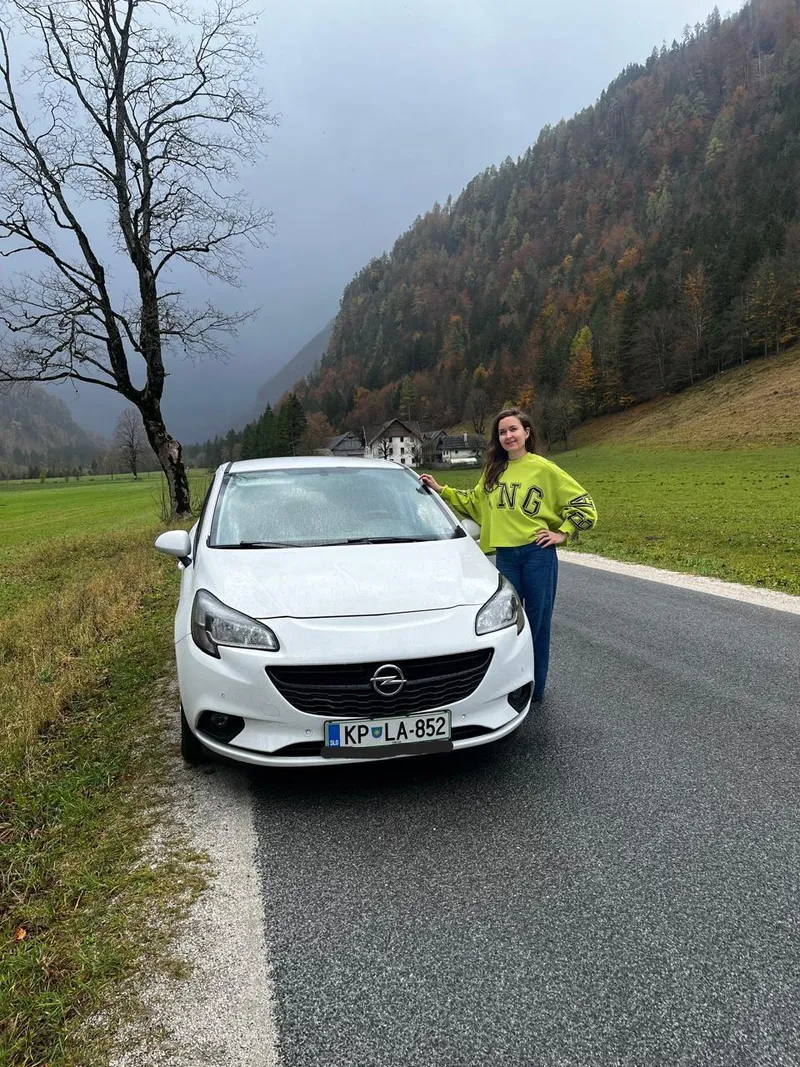

Toyota Yaris Cross in Slovenia
everything went perfectly. Booking was very easy and the interaction with the agency was flawless, communication was top notch.
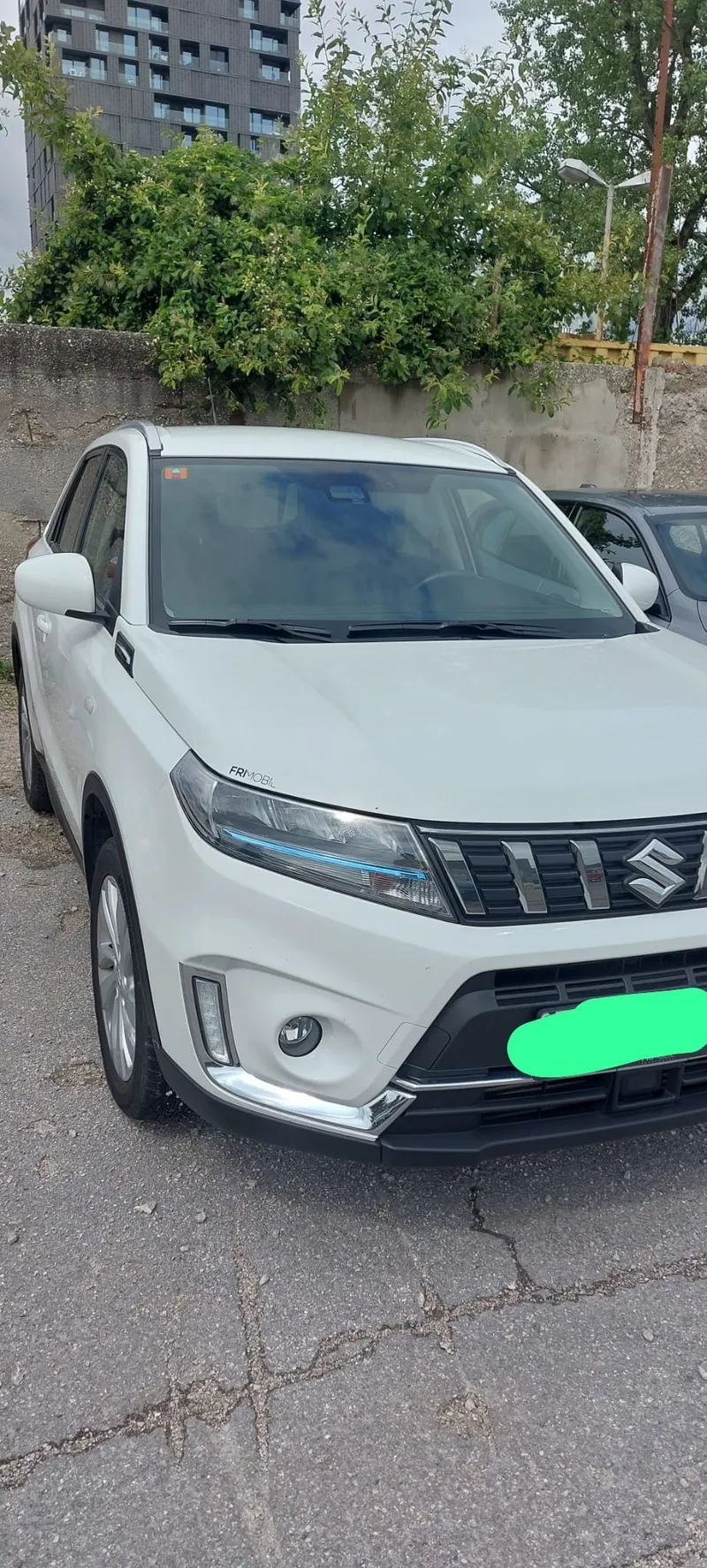
Toyota Yaris in Slovenia
It was really super 🤩 Everythnig it was perfect 👌👌👌

Toyota C-HR in Slovenia
all good

SEAT Ibiza in Slovenia
I was very happy. The rental process was easy, and with the car everything was great.
Volvo V60 in Slovenia
Everything is excellent. We were met by Gleb, even with a delayed flight, no problem, very well explained the car and also met at the airport when handing over. The car is in good condition, no complaints.

SEAT Ibiza in Slovenia
Everything went well, the car would be in excellent condition, the landlords are polite and punctual, there are no complaints)

Peugeot 5008 in Slovenia
Everything went perfectly. Auto received. The driver waited for us despite the delay of our flight. Documents were signed quickly. We were satisfied with the car. Thank you. We will definitely contact your company when we are in Slovenia. Sincerely, Natalia
Mazda 2 in Slovenia
It went great thanks everything went very well and the guys were helpful

Chevrolet Aveo in Slovenia
Everything went well! No comments! I recommend!
SEAT Ibiza in Slovenia
first of all , i'd like to thank's a lot to the staff of the slovenian company for their kindness and patience , they were helpfull , make some discount , and good service. And for the localcarhire company , it was really great help for us to easelly find such an good offers and reasonable prices in the pick season . We'r definitelly reccomended!!
Peugeot 5008 in Slovenia
Thanks for good job. Attentiveness and care for the client accompanied us throughout the entire rental period. Thanks again.

-
Real photos and reviews for every car
You see exactly the vehicle you will be picking up, with all its features and current condition.
-
Transparent price and deposit before you book
The final amount, the deposit method and its size are visible at checkout, with no surprises at the desk.
-
Direct messaging with the supplier
You can ask the car owner any question through TakeCars before you arrive in Slovenia.
How much car hire costs in Slovenia and how to save
In 2026 prices sit in predictable ranges: economy — €30–55 per day, crossovers and SUVs — €60–120, premium from €130. Ljubljana airport (LJU) is the most competitive market in the country.
Seasonality
The most expensive months are July and August (Bled, the coast, the Alps) and the December–February ski season. Low season is March–April and October–November, when economy starts from €25–30. For summer, book 1–2 months ahead; for skiing, 3–4.
A couple from Berlin locked in a Kranjska Gora pickup back in October — €38 a day for an economy hatch. By the time the first snow fell in November the same car was nearer €70.
What is included in the price
With most TakeCars partners the price already covers e-vinjeta, TPL, basic CDW (collision damage waiver), unlimited mileage and often a second driver. Fuel policy is standard full-to-full.
We show the full price upfront — vignette, insurance, additional driver fee, child seat. At the desk you pay exactly what you saw at booking.
Where you should not cut corners
The most common trap is a cheap-looking rental with a €1,500 excess and hidden charges for premium location, after-hours pickup and cross-border use. Once it all adds up, the total exceeds an honest offer with full insurance included. One scuffed wheel rim in Ljubljana is a €150 charge, and Super CDW at €9 a day covers exactly this kind of thing — often pays for itself within a couple of days.
What to know on Slovenian roads
Speed, alcohol, fines
City — 50 km/h, rural — 90, expressway — 110, motorway — 130. Cameras everywhere: speeding €40–1,200, phone in hand €250, no seatbelt €120. Alcohol limit — 0.05‰; for novices (under 2 years), pros and under-21s — 0.0‰.
On Slovenian motorways even small over-speeds rarely get a pass. 5 km/h over and that is already €40, automatic camera enforcement.
Winter and mountains
From 15 November to 15 March winter tyres are mandatory — M+S marked with at least 4 mm tread. Snow chains are accepted as an alternative. The Vršič Pass with its 50 hairpins is open roughly mid-May to mid-October; closed in winter.
The Vršič Pass usually opens around mid-May. Early in the season it is better to set off in the morning, before the buses and cyclists hit the road.
Accidents and roadside help
Police — 113, general emergency — 112, AMZS roadside — 1987, 24/7. After an accident: 112 if anyone is hurt, European accident report, call the rental, photograph the scene. Keep the supplier number saved on the phone before you set off — when something happens on a motorway shoulder, you do not want to be hunting for it in your inbox.
Rates in Slovenia vary throughout the year depending on the season and the rental length in days.
- January
- February
- March
- April
- May
- June
- July
- August
- September
- October
- November
- December
- Jan
- Feb
- Mar
- Apr
- May
- Jun
- Jul
- Aug
- Sep
- Oct
- Nov
- Dec
 How expensive is renting a car in Slovenia: average daily rates for a one-week car rental, across all car classes. Delivery across Slovenia not included.
Frequently asked questions about car hire in Slovenia
An electronic vignette is required for vehicles weighing up to 3.5 tonnes on Slovenian motorways. In 2026, it costs €16 for seven days, €32 for one month, €58.75 for six months and €117.50 for one year. It is linked to the vehicle's number plate and can be bought at evinjeta.dars.si, fuel stations and authorised sales points. Driving without one may result in a fine of €300–800.
Most TakeCars partners and large international suppliers include the electronic vignette in the rental price. Some smaller local companies charge for it separately. Check the ‘What is included’ section of the car listing and confirm the vignette status before using a motorway.
Yes. Unlike the Austrian e-vignette with its 18-day rule, the Slovenian one is valid immediately from activation. Buy it at the border, at a station or online and you can drive straight onto the motorway. The validity is counted in hours: the 7-day option is 168 hours from your chosen start time, not calendar days.
Yes. The Karawanken Tunnel on the A11 at the Slovenia–Austria border is a separate paid section. For cars it is about €8.20, paid at the booth before entering by card or cash. Neither the Slovenian nor the Austrian vignette covers it. The alternative is the Ljubelj mountain pass, which adds 30–40 minutes to the drive.
The Škofije–Koper–Izola coastal expressway is toll-free, so you can reach Piran and Portorož without a vignette. A short section near the Hrušica exit towards Austria is also exempt. Regional roads running parallel to motorways are free as well, although journeys are usually 30–40% longer.
Yes. You can use regional roads through Vodice, Skaručna and Povodje, which run parallel to the motorway and add about 15 minutes to the journey. This may be worthwhile if you are staying in Ljubljana for only one or two days and do not plan to drive elsewhere. For a longer road trip, buying the seven-day vignette for €16 is usually more convenient.
Your national driving licence, a passport (or EU ID card) and a credit card in the main driver's name. EU, EEA, UK, US, Canadian and Australian licences are accepted as-is. Drivers with non-Latin script licences may be asked for an International Driving Permit — confirm with the supplier in advance.
The standard across Slovenia is 21 years and at least 2 years of driving experience. For drivers 21–25 some suppliers charge a small young-driver fee, others do not. On TakeCars the age and experience requirements are visible on each car listing — the filter shows you options without the surcharge.
Deposits start at around €300–500 for an economy car and rise to €700–1,500 for an SUV or premium car. The amount is held on the main driver's credit card and usually released within one to two weeks after return. TakeCars shows the deposit amount and payment method before booking, and some suppliers offer reduced or zero-deposit options.
Third-party liability insurance is mandatory and always included. Most suppliers also include basic Collision Damage Waiver with an excess of €500–1,500. Super CDW, which reduces the excess to zero, costs around €9–15 per day and can be added on request. It may be useful for mountain roads, winter travel and routes with many tight bends.
Travel to Italy and Austria is generally permitted, as both countries are in the Schengen Area. Croatia and Hungary are also allowed by most suppliers, but you should notify them in advance so they can issue any required Green Card. A surcharge of €20–50 may apply. Rules for Bosnia and Herzegovina, Montenegro and Albania vary, so confirm these countries before booking.
The Vršič Pass — Slovenia's highest road with 50 hairpins — is open from roughly mid-May to mid-October. Exact dates depend on alpine snow conditions; DARS publishes the opening schedule in early spring. The pass is officially closed in winter. Four-wheel drive is not required, but an automatic gearbox is more comfortable on the bends.
Yes. Winter tyres are mandatory on all roads from 15 November to 15 March. They must be marked M+S and have at least 4 mm of tread. Snow chains are permitted as an alternative when conditions require them. TakeCars partners normally fit the correct tyres for the season, but it is still worth confirming before collection.
Ljubljana Airport has the largest choice of suppliers and usually the best prices. Trieste Airport in Italy, about 80 km from Ljubljana, and Klagenfurt Airport in Austria, about 85 km away, are reasonable alternatives if their rates are lower. Venice Marco Polo, about 230 km away, and Zagreb, about 140 km away, are practical mainly when your trip already begins in those cities.
If anyone is injured, call 113 (police) or 112 (general emergency) immediately. If there are no injuries, complete the European accident statement form. Always photograph the scene, the damage and the other vehicle, and call the rental company straight away. AMZS roadside assistance is reachable 24/7 on 1987.