


Pickup


Return
🎁 Use code WELCOME3 during checkout to get a discount on your first booking with us. Enjoy! ☀️

Car hire in Iceland turns a holiday from a list of excursions into a real journey — waterfalls, black-sand beaches, hot springs and mountain roads that no coach will reach. And when one does, it runs on a timetable that politely ignores the Icelandic weather.
Most visitors land in one of two camps. Group tours that show you the same five viewpoints in a week, or a car from the airport that covers half the country in the same time. The second option is usually cheaper with two to four people on board, and a lot more interesting.
Buses in Iceland have a timetable. The weather doesn't. A car is the only way to rebuild your day when the glacier lagoon suddenly clears up at breakfast.
A couple from Manchester planned three days in early August. By the morning of day two they extended the rental and pointed the car east toward Höfn. The Ring Road has that effect.
Below: what it actually costs, how Icelandic insurance works (more here than almost anywhere else), what car you really need and where to drive it. No fluff, no upselling.
What it costs
Prices swing hard with the season. In peak summer (June–August), economy 2WD runs €60–90 a day, a 4×4 sits at €150–230, premium SUVs start from €280. Shoulder months (May, September) bring the same cars in at €30–60 and €100–160. In winter (November–March) economy can drop to €25 a day, with the obvious caveat that you're not coming for a tan.
Booking rule is simple: the earlier, the better. Summer cars sell out 3–6 months ahead, and prices double or triple between January and July. For winter, a month or six weeks ahead is plenty.
The smartest months for Iceland are May and early September. Crowds have thinned, prices drop, weather is gentler and almost every road is open.
A family of four flew into Keflavík last June without a booking. They walked away with a Dacia Duster at €240 a day — three times what the same car would have cost in February.
Two more items surprise first-timers: petrol (around €2 a litre, full tank €85–110) and insurance. Without a sensible insurance package, the gap between a lovely trip and a five-figure return invoice can be one stone chip on the windscreen. More on that next.
Most tourists in Iceland start their trip here
Insurance, plainly
Iceland has its own logic with cover. Third-party liability sits in every rental by default. CDW protects the car itself, but with an excess of €1700–2500 — that's the amount you pay if you bend it. SCDW drops the excess to €350–1000. Zero Excess removes it entirely and usually waives the deposit hold — the calmest option for a holiday.
On top of the standard package, Iceland adds two local extras: Gravel Protection (GP) and Sand and Ash Protection (SAAP). GP covers stone chips on windscreen and paintwork — almost everyone takes it, because more than half of Iceland's roads are unpaved. SAAP covers volcanic ash and sandstorms, critical on the south coast between February and April.
A guest in March took the basic CDW on a Yaris near Vík. A pebble flew up between Skógafoss and Reynisfjara, cracked the windscreen across the corner. The repair bill almost matched the rental.
Zero Excess in Iceland isn't a marketing line. It's the difference between sleeping calmly in your guesthouse and refreshing your bank app at 2 a.m. with a sandstorm rattling the windows.
Three things no insurance will ever cover: river crossings on F-roads, undercarriage damage from rocks, and a door ripped off by the wind. These are Icelandic specialities — more on each below.

Dacia Duster in Iceland
everything went well, except for a one hour delay in delivering the car to the port of Reykjavik.

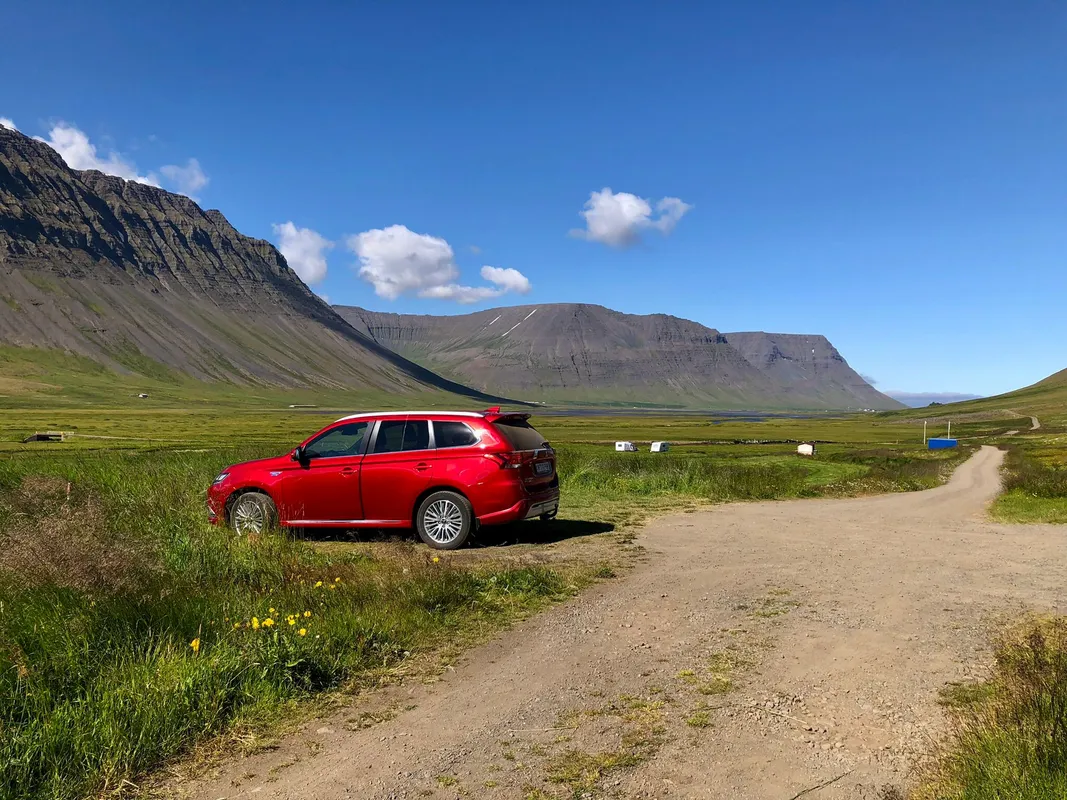
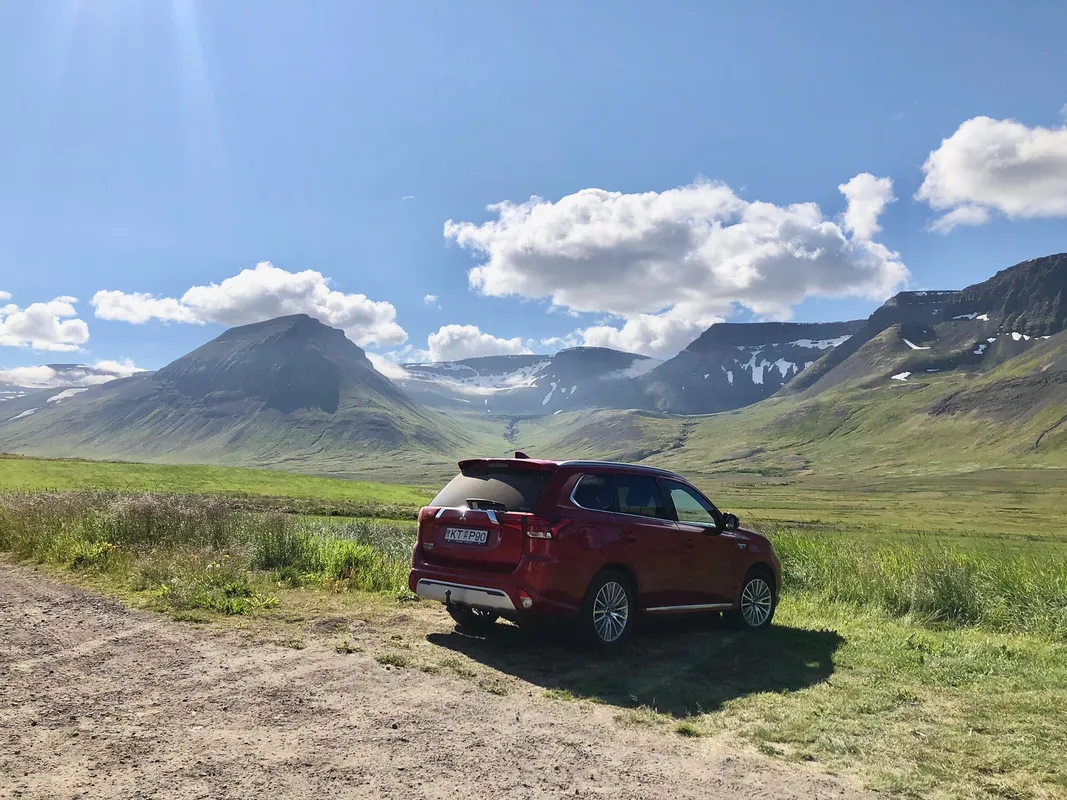
Mitsubishi Outlander in Iceland
It was fine, everything well organized without any problems. Thanks for asking!

SsangYong Tivoli in Iceland
my experience whit the car rental was flawless. Everything has been perfect. The pickup from and to airport was also ok.

Dacia Duster in Iceland
It went very well and we were really satisfied about the car and the service! Kind regards Ludwien Stark
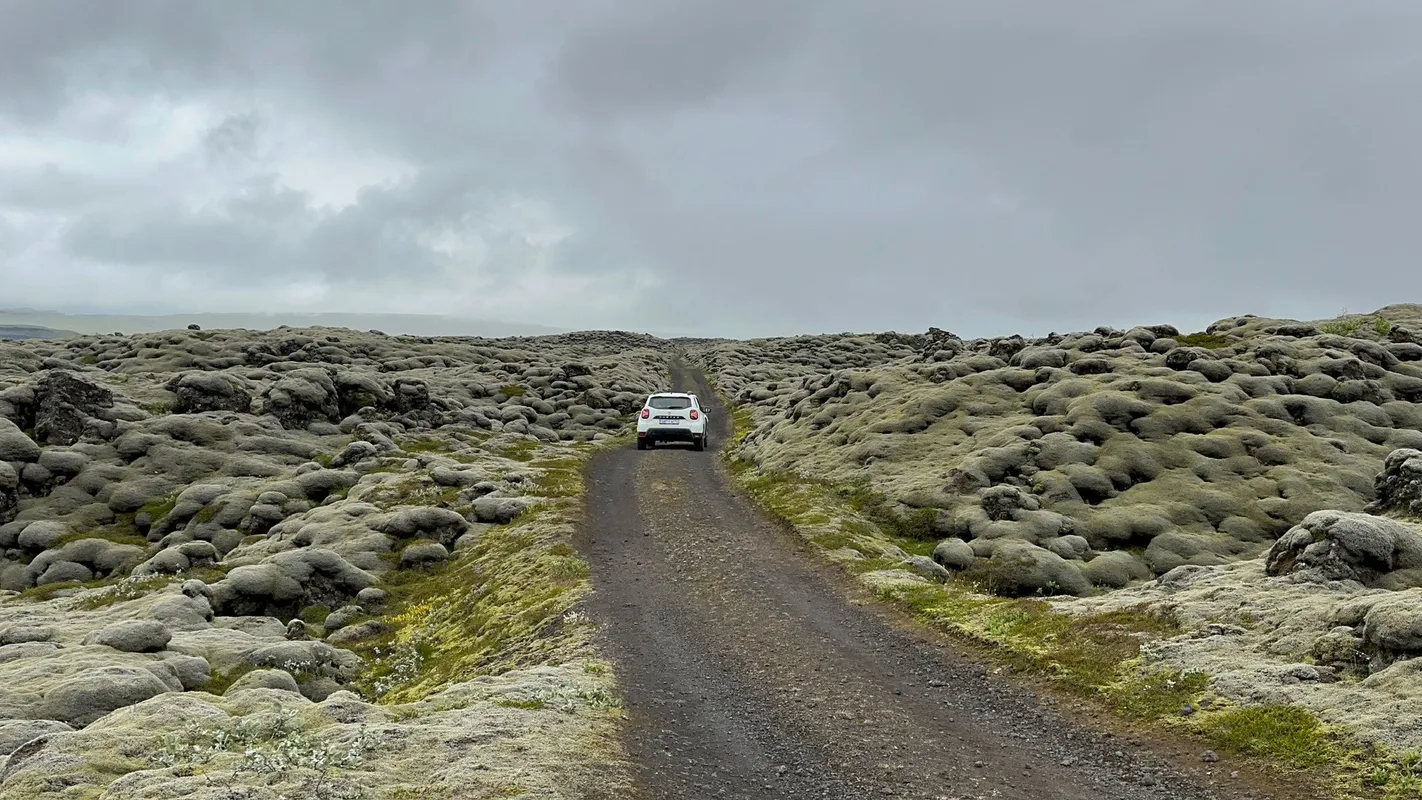

Dacia Duster in Iceland
Everything perfect!!
Dacia Duster in Iceland
We were very happy with the car and service!
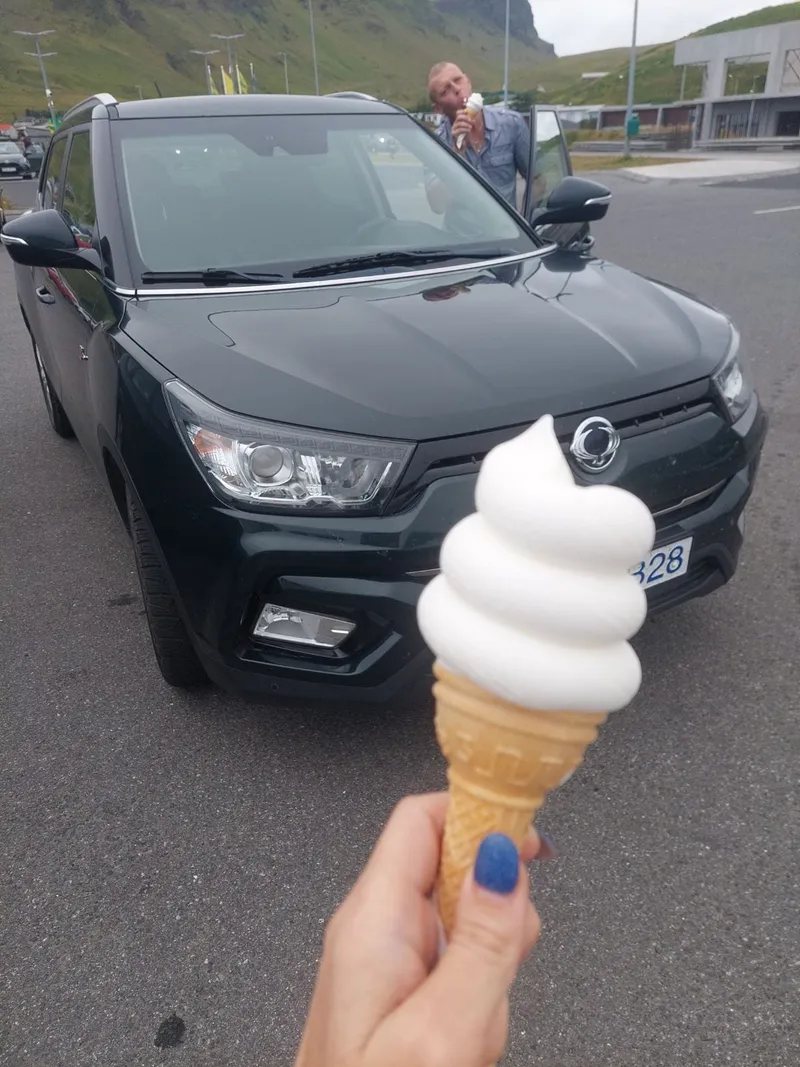
SsangYong Tivoli in Iceland
Everything was perfect

-
Real reviews per specific car
You see ratings of the exact vehicle you're booking, not an average across the company.
-
Plain terms, no fine print
The deposit amount and how it's taken are visible before you book, no surprises at the counter.
-
Direct contact with the supplier
Message them before your trip and meet at Keflavík by flight number, no waiting for a shuttle bus.
Driving in Iceland
Ring Road
Route 1 is a 1,332 km paved loop, open year-round. It reaches the south coast, Jökulsárlón and most major waterfalls without touching gravel.
The Ring Road isn't scary. The road itself is fine — it's the wind and visibility that catch people out. Check road.is over your morning coffee, it takes thirty seconds.
F-roads
Gravel mountain tracks in the interior, marked with the letter F. Law allows only registered 4×4s; a 2WD on an F-road voids your insurance instantly. Open mid-June to early September. They're not off-road in the sport sense — gravel mountain tracks where you sometimes ford a stream — but without a 4×4 and some experience, this isn't where you start.
Winter tyres
From 1 November to 14 April law requires winter or studded tyres on every rental — reputable suppliers fit them automatically. Studded tyres are legal here, unlike most of mainland Europe. Iceland in winter isn't an ice rink in the usual sense; it's weather that changes every hour. Don't rush, and check the forecast before each leg.
Wind and doors
Strong gusts are the most underestimated hazard. A door opened against the wind can be torn off its hinges, and most policies won't cover it. Hold the door, park nose-into-wind, don't open both at once.
A guest at Skaftafell parked sideways to the wind for a quick photo. The driver's door went over the hinge in one gust. €2000 repair, none of it covered.
Old habit on the island: park nose-into-wind and step out slowly. Five seconds of care saves a serious bill.
Where to drive
Golden Circle — 1 day
Classic short itinerary. Þingvellir (where two tectonic plates meet), Strokkur geyser, Gullfoss waterfall. About 250 km on tarmac, doable in a day. Not the most spectacular thing Iceland offers, but compact, year-round and 2WD-friendly — perfect for a stopover or a short break.
South Coast — 2–3 days
The most popular drive after the Golden Circle. Seljalandsfoss, Skógafoss, the black-sand beach at Reynisfjara, Jökulsárlón. 370 km from Reykjavík, fully paved, year-round.
A couple with four days asked where to go. South. Five waterfalls, a black beach, a glacier and floating icebergs in one trip — they came back saying day three felt like a different country to day one.
Full Ring Road — 7–10 days
The full loop, 1,332 km plus side trips. Day seven is when Iceland opens up: eastern fjords, northern farms, the whale coast at Húsavík. Economy will do it; many take a small SUV in summer. A week is brisk, ten days is calm — time for side valleys and hot springs. Under seven days isn't a loop, it's the south and back.
Westfjords — summer, 4×4
Iceland's quietest corner. Some paved sections, plenty of gravel, inner roads close in winter. Open mid-June to mid-September.
A guest in July spent five days in the Westfjords without seeing another car for the first two hours of every morning. Sheep on the road outnumbered drivers easily — not a figure of speech.
Pace yourself: distances feel small on the map and stretch on the road, and most fuel stops west of Ísafjörður close by six.
Rates in Iceland vary throughout the year depending on the season and the rental length in days.
- January
- February
- March
- April
- May
- June
- July
- August
- September
- October
- November
- December
- Jan
- Feb
- Mar
- Apr
- May
- Jun
- Jul
- Aug
- Sep
- Oct
- Nov
- Dec
 How expensive is renting a car in Iceland: average daily rates for a one-week car rental, across all car classes. Delivery across Iceland not included.
Frequently Asked Questions
Even Zero Excess cover usually excludes river crossings, damage to the underbody from rocks, and wind damage to doors. If water enters the engine during a river crossing, you may be liable for the full value of the car. Do not use F-roads without a suitable 4×4, drive carefully on gravel, and hold the door firmly when opening it in strong wind.
F-roads open from mid-June to early September, exact dates depend on the snowmelt and are published on road.is. By law only registered 4×4 vehicles are allowed on them. A 2WD on an F-road voids your insurance instantly and adds a fine on top of any repair bill.
Strong gusts are common in Iceland. If you park side-on to the wind, a gust can pull the door from your hand and damage its hinges. Parking with the front of the car facing the wind means the door opens into the airflow and is easier to control. Many policies exclude wind damage, and repairing a door can cost €1,500–2,000.
Record a timestamped 360-degree walk-around and take close-up footage of every scratch, dent and chip. Include the windscreen, wheels, bumpers and, if visible, the underbody. Cars used on Iceland's gravel roads often have existing marks, so clear video evidence can help if there is a disagreement when you return the car.
Some designated routes allow river crossings in a suitable 4×4, but you do so at your own financial risk. Rental insurance does not cover water damage, and a flooded engine can make you liable for the full value of the car, which may exceed €25,000. If this is your first trip to the Highlands, use a guide or choose a route without river crossings.
Sand and Ash Protection is most useful from February to April, particularly around Vík, Mýrdalssandur and the plains of the south coast. In strong winds, blowing sand can severely damage a car's paintwork in a short time. The cover costs a few euros per day, while a full respray may cost €5,000–13,000.
Yes, provided you drive slowly and check road.is before each part of the journey. Winter or studded tyres are required from 1 November to 14 April. A 4×4 offers better traction and stability on ice and in strong winds, but a two-wheel-drive economy car can manage the Ring Road when conditions are suitable. Base your decision on the weather and road reports.
Use road.is, the official Icelandic Road and Coastal Administration website, for current closures, ice, gravel-road status and F-road conditions. Check safetravel.is for general safety information and vedur.is for wind and weather forecasts. From October to May, review the conditions before every journey.
Usually not. Most international and large local suppliers in Iceland require a credit card in the main driver's name. A small number of companies accept debit cards if you prepay and provide a larger deposit, but this is uncommon. Confirm the card requirements before booking.
No. Sleeping in a vehicle or campervan outside a designated campsite has been prohibited since 2015. Iceland has about 150 campsites, generally costing €15–25 per night. You may be fined for staying overnight at viewpoints or roadside lay-bys.
The one-way surcharge between Reykjavík and Akureyri runs €180–370 depending on company and season. It's the only widely available one-way route; other directions are rare and expensive. Most travellers do the loop and return the car to the same depot they started at.
An electric car works well for Reykjavík and the Golden Circle, where charging coverage is good. A petrol or diesel car is a safer choice for the east coast or a winter trip because chargers are less frequent and cold weather can reduce the battery range by more than 30%. If you choose an electric vehicle, plan each charging stop carefully.
Diesel is usually slightly cheaper than petrol, although both cost around €2 per litre. Larger 4×4 rental cars tend to use diesel, while small economy cars are generally petrol. For most routes, a small petrol car will still cost less to run; diesel becomes more economical mainly on long journeys with a larger or heavily loaded vehicle.
The Smyril Line ferry connects Iceland with the Faroe Islands and Denmark, but very few rental suppliers allow their cars to leave the country. Those that do require written approval and may charge an additional fee. If you need to take the car on the ferry, confirm permission in writing well before your trip.
Do not try to continue driving through a sandstorm. Stop at the nearest sheltered place, such as a fuel station, village or roadside lay-by, and park with the front of the car facing the wind. Close the windows and wait for conditions to improve, which often takes one or two hours. Avoid parking side-on to the wind and do not open the doors while exposed to strong gusts.