


Pickup


Return
🎁 Use code WELCOME3 during checkout to get a discount on your first booking with us. Enjoy! ☀️

Car hire in Montenegro is the easiest way to explore the country. Buses run along the coast, but reaching Lovćen, Durmitor, Lake Skadar or the hidden coves of the Luštica peninsula requires your own wheels.
The country is compact: in a single day you can drive from Herceg Novi to Ulcinj, swim in the Adriatic in the morning and watch the sun set over the mountains around Žabljak by evening. Five neighbouring countries — Croatia, Bosnia, Serbia, Albania and Kosovo — are within a few hours' drive, turning even a short holiday into a proper Balkan road trip.
Many of our guests book a car for five days and end up extending it to ten. After the first drive north, it becomes obvious that a week on the coast covers only half of the country.
Prices remain among the lowest on the Adriatic. In the low season, from November to April, an economy car starts at €17–25 per day; in July and August, at the height of the season, the same class costs €30–50. For monthly rentals the rate typically drops by 30–50%.
Compared with Croatia or Italy, the same car in Montenegro can be roughly half the price — and the sea, the food and the mountains lose nothing in comparison.
Montenegro uses the euro, so most European visitors face no exchange-rate calculations at the pump or the toll booth.
Prices and what's included
Daily rates depend on the car class, the season and the length of your booking. Economy cars (Polo, Fabia, Yaris, Hyundai i20) range from €17–35 depending on the month. Mid-size cars and compact crossovers cost €30–55, while larger SUVs and automatics start from €45 per day. Two-week bookings are usually 20–30% lower, and monthly rates are almost half.
The standard tariff with local suppliers nearly always includes third-party liability insurance, basic CDW (Collision Damage Waiver) with an excess of €800–2,000, theft protection, unlimited mileage and free airport pickup at Tivat and Podgorica. The headline daily rate from a local supplier is what you actually pay — not a stripped-back base price.
We include basic CDW by default — that alone removes 80% of the scenarios where a guest could end up paying for repairs out of their own pocket.
It's the hidden fees that catch first-time customers out. Before you book, check whether cross-border travel, drivers under 25, an additional driver, refuelling or cleaning are charged separately. With TakeCars, the price on the car's listing page is the final price.
The worst moment at handover is a local tax or an airport fee that wasn't in the booking. We put everything on the listing so there's nothing left to discuss on collection.
May and September are widely seen as the sweet spot — the weather is still beach-friendly, prices are 30–40% lower than in August, and the choice of available cars is far wider.
Most tourists in Montenegro start their trip here
Documents, security deposit and payment
To hire a car, you'll need a passport (or EU/EEA national ID), a valid driving licence held for at least one or two years, and a payment card. The minimum age is 21 for economy and mid-size cars and 23–25 for premium models. Drivers aged 21–24 pay a young driver surcharge of €8–15 per day or a flat €80 fee.
EU, UK, EEA and Swiss licences are accepted as they are — no International Driving Permit (IDP) needed. Licences from other countries are fine as long as they're printed in the Latin alphabet; Cyrillic, Arabic and other non-Latin scripts need an accompanying IDP.
Licence questions come up all the time. Tell us what you hold when you book and we'll say straight away whether it needs an IDP — far better settled in advance than at the rental desk.
The approach to the security deposit is where local suppliers and international chains differ. Local suppliers take €100–300 in cash and return it in full at drop-off. The chains place a deposit hold of €500–1,500 on a credit card, and the release can take 10–30 working days.
On TakeCars, the security deposit and how it's taken are shown on the car's listing page before you book. There are also no-deposit options, where Super CDW (zero excess) is built into the price.
Most local suppliers accept a debit or credit card for the 15–20% online prepayment, with the balance paid in cash, in euros, at pickup. The international chains insist on a classic embossed credit card.
A security deposit shown upfront removes most of the awkward moments at handover — the guest already knows exactly what they'll be asked to leave.
For high-season pickups in Tivat and Budva, it's worth checking the licence requirements when you book rather than on the day — the queue in August is not the place to discover you needed an IDP.

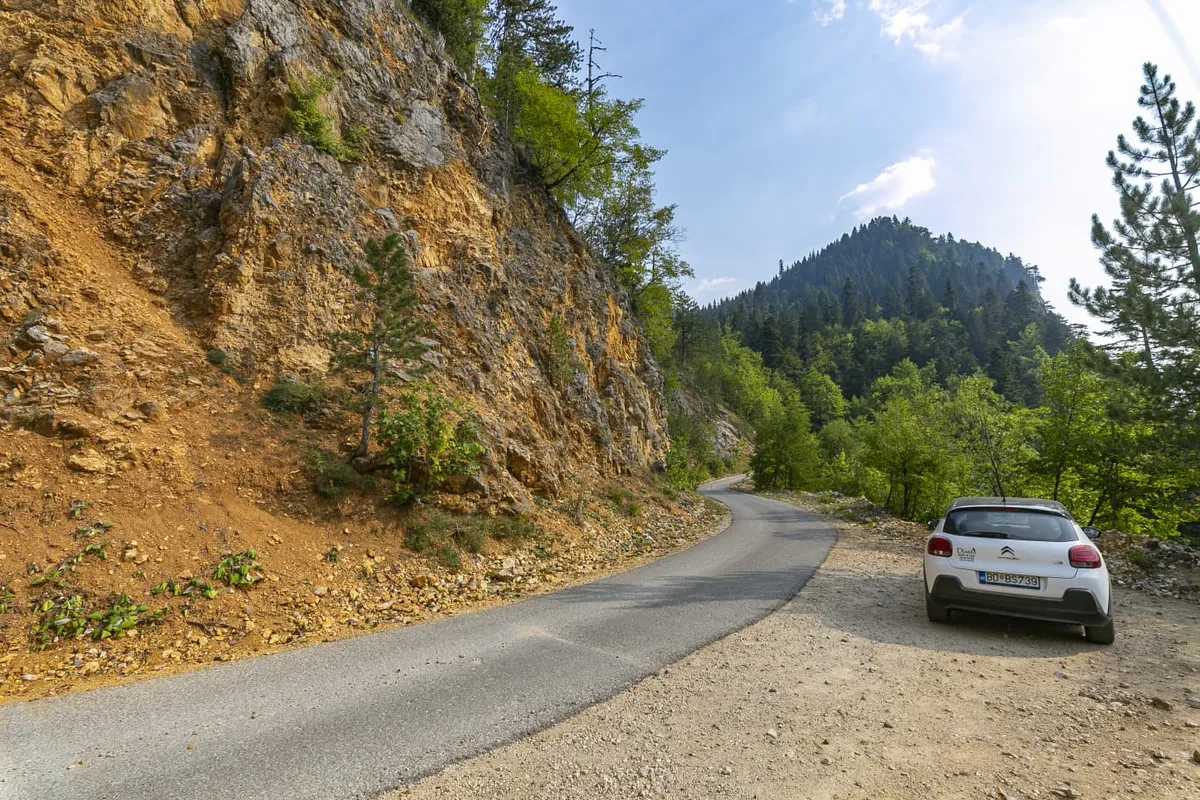
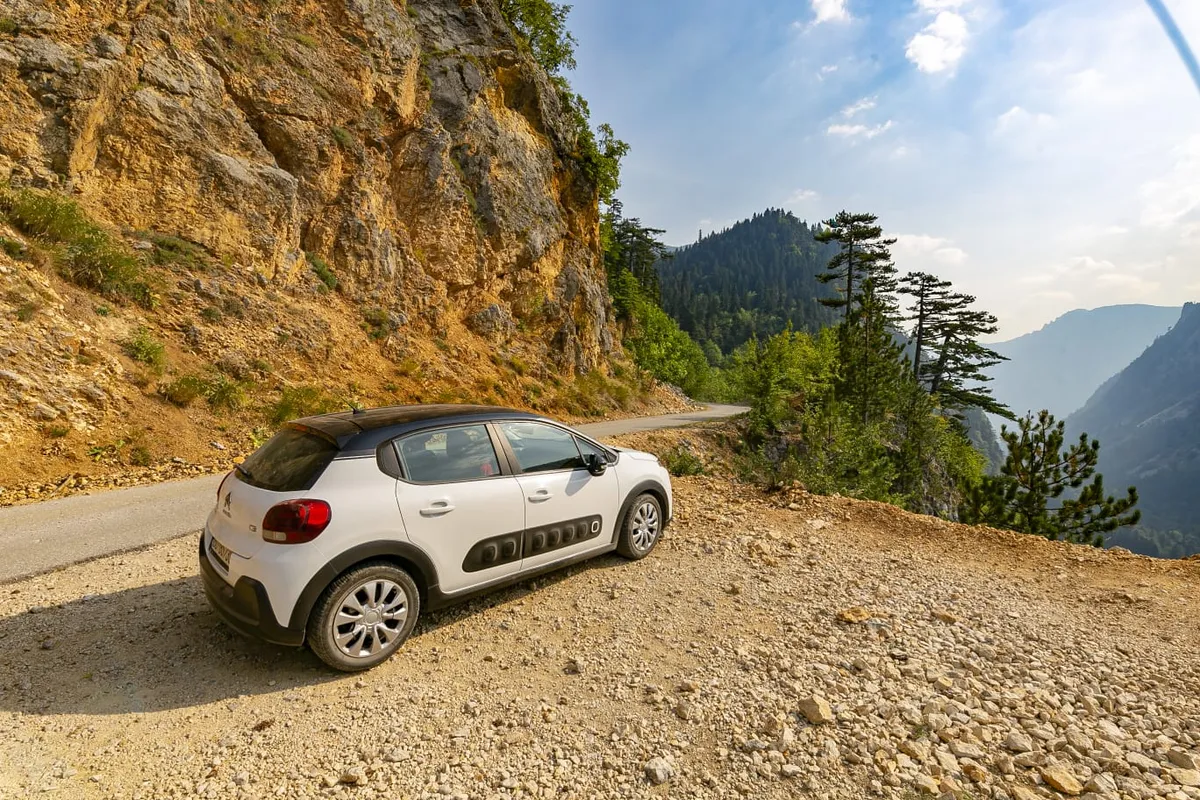
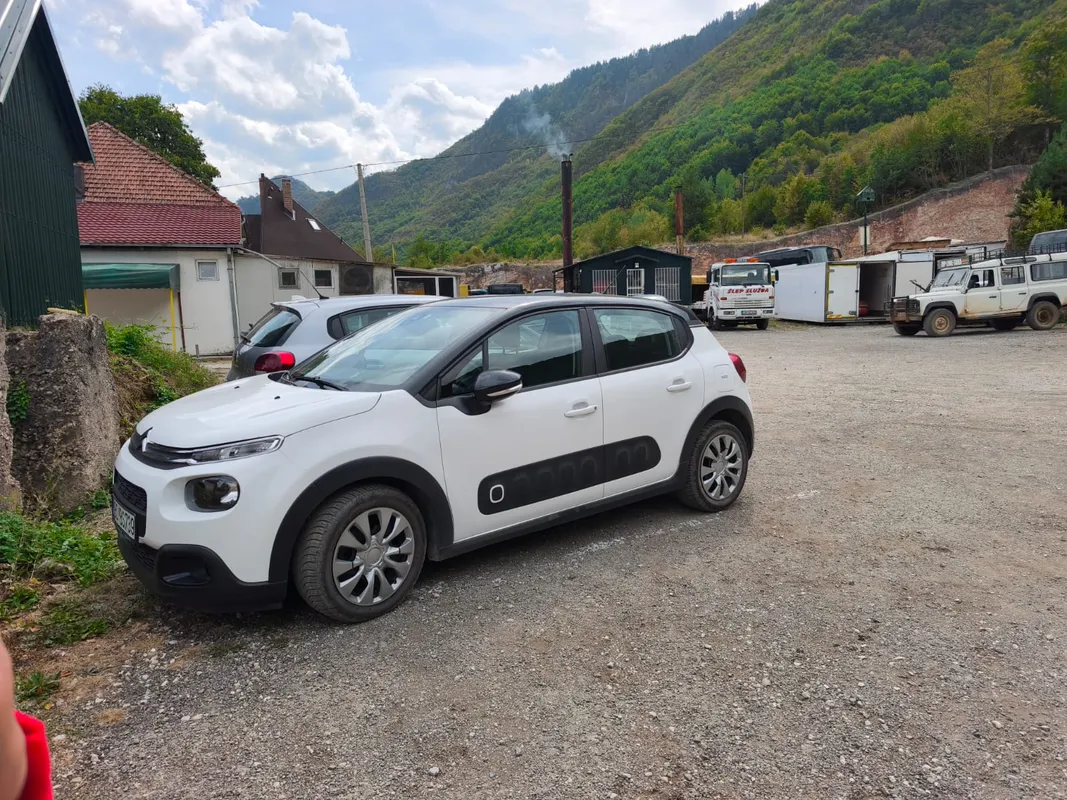
Citroen C3 in Montenegro
Everything went great. The car was in good working order, delivered on time, and clean. There were no problems with the return either.
Skoda Fabia Combi in Montenegro
Everything was great, the company changed the rented car to better option without any charge. There was no additional fees and no problems, thank you guys
Citroen C3 in Montenegro
Everything went smoothly. The car was delivered and picked up on time. The only downside was that the air conditioning stopped working during the last three hours of the trip.
Citroen C4 in Montenegro
This was my first time using a local car rental company—one not located at the airport—that offered car delivery, and I was a little nervous, but I needn’t have worried. The car was delivered at the agreed-upon time, communication via WhatsApp was convenient, and returning the car went even faster. The employee was waiting at the designated spot, and the car was returned in just 3 minutes. They didn’t try to “push” any additional insurance or anything like that on me. The car may not have been new, but it was clean, well-maintained, and in good working order. While in Montenegro, I’ll definitely use this company’s services again. Best regards
Renault Clio 4 in Montenegro
I want to extend my sincere compliments to Marija for her work. Helpful, kind, and professional. I absolutely recommend her; my experience was perfect in every way. Thanks again!
Skoda Octavia Combi in Montenegro
Everything was fine
Mercedes-Benz A180 cdi in Montenegro
There was no car booked, and we wanted a Mercedes, so we were offered a Citroen Cactus at the same price as on the website. Since we needed the car urgently, we had to agree. The car was in good condition, the interior was clean. But besides that, it was upsetting that the car was brought with 3/4 tank of gasoline, of course it was very difficult to calculate the necessary amount of gasoline to fill up and we had gasoline in the tank was more than 10 liters. The landlord refused to compensate for the cost of overfilled gasoline. So be careful, do not fall for these 3/4 and demand that there was a full tank of gasoline, not to lose, as we did 15 euros. It looks very much like petty fraud, not an accident or negligence.

Renault Clio 3 in Montenegro
Everything went well. There were no problems with receiving and returning the car. There were no problems with the car itself. In general, we liked everything.
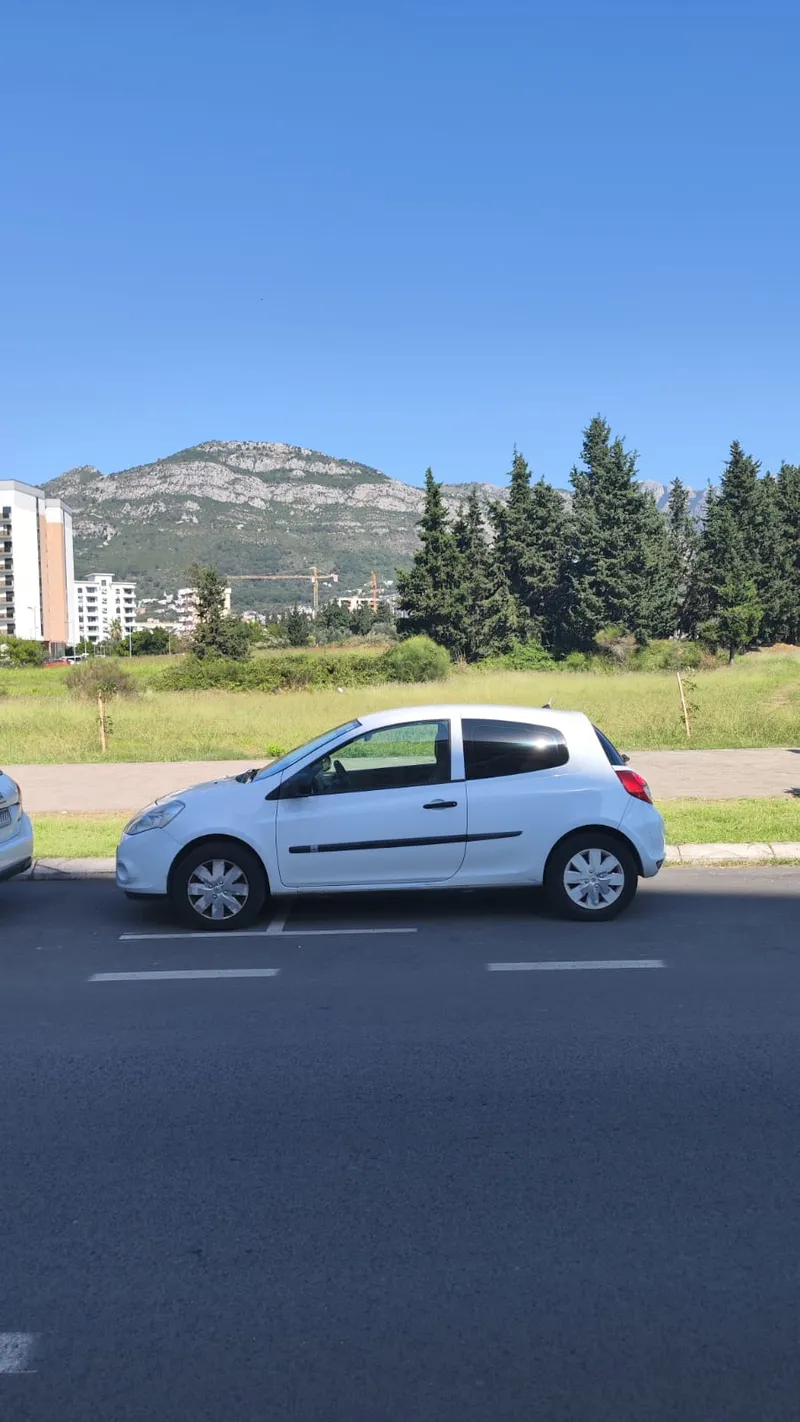

Skoda Fabia in Montenegro
everything was great. The service is convenient. car is sweetie, brand new clean. We have great impressions :)
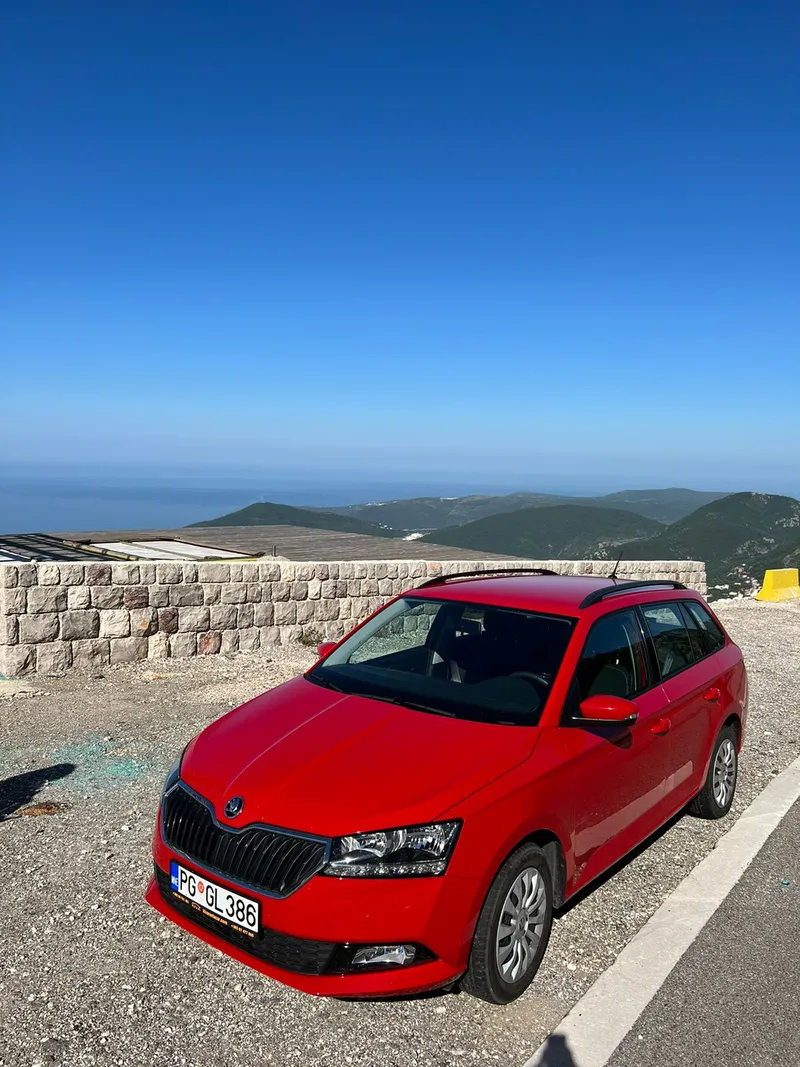

Volkswagen Polo in Montenegro
Everything was great, except that we could not turn on the music from the phone in the car. Everything else is great - thanks.
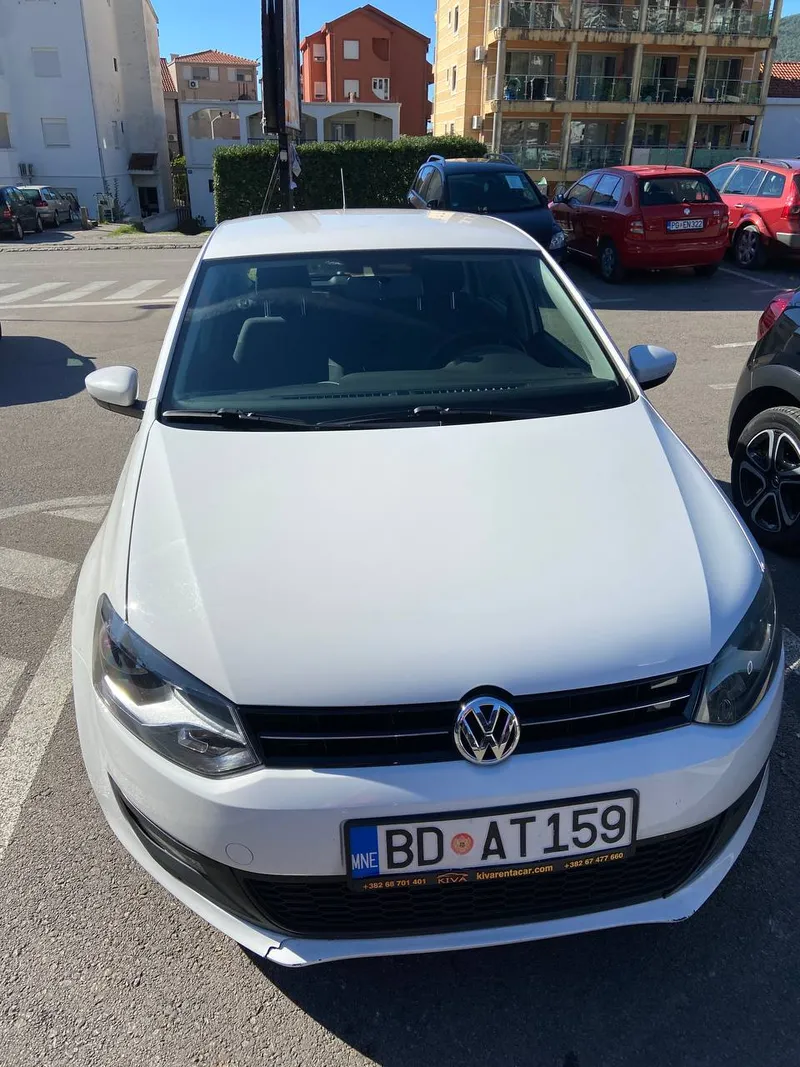
Citroen C4 in Montenegro
I got a Citroen C4. The car is normal, but the tires on the car are very budget - slipping on wet asphalt, and also not balanced. The windshield washer did not work, as water was leaving the tank somewhere. The left side mirror is broken and the adjustment does not work. Everything else is OK.
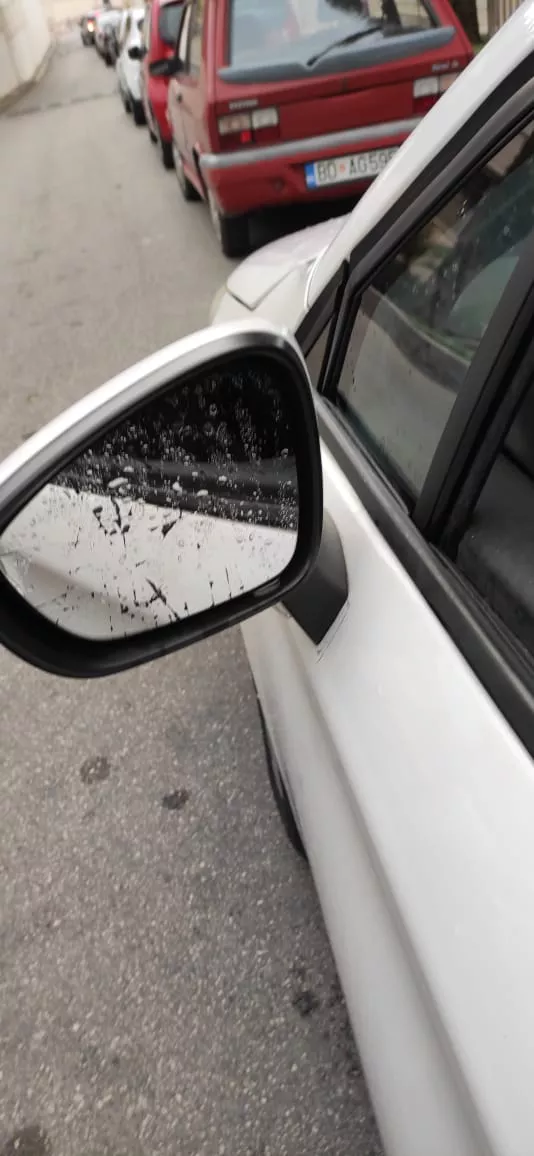
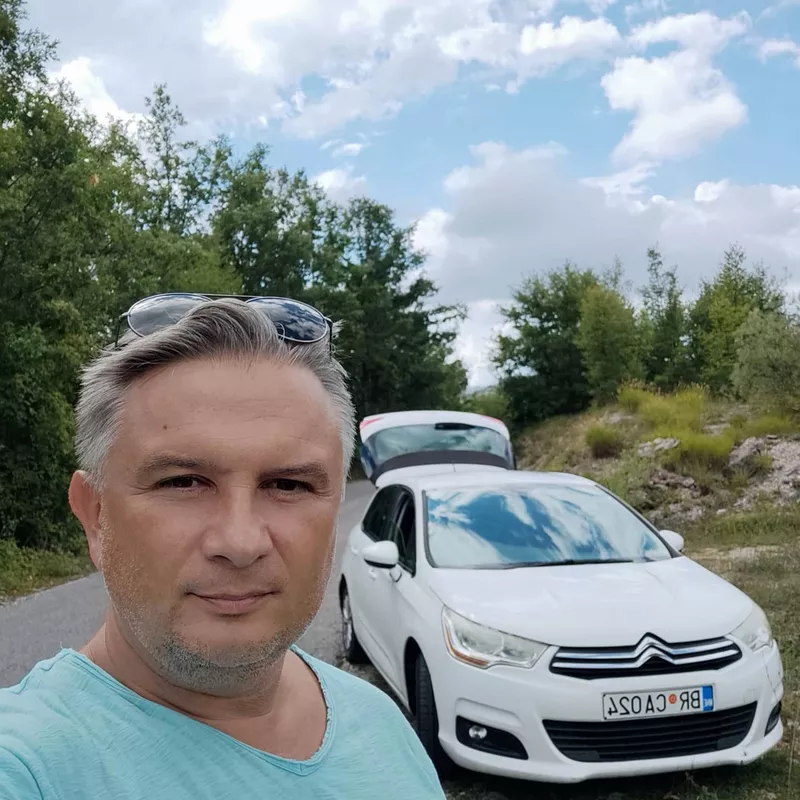
Citroen C4 in Montenegro
All just great ! Great manager, good car, never failed)) Actually a good company, and I will be happy to recommend you
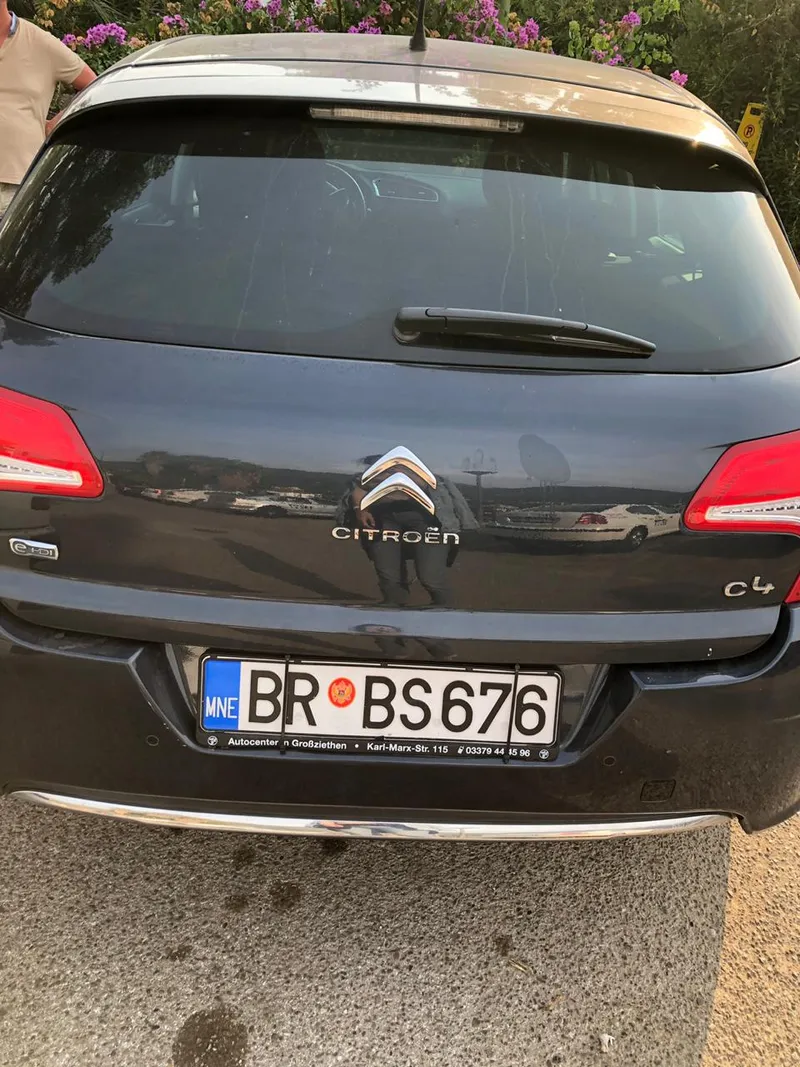
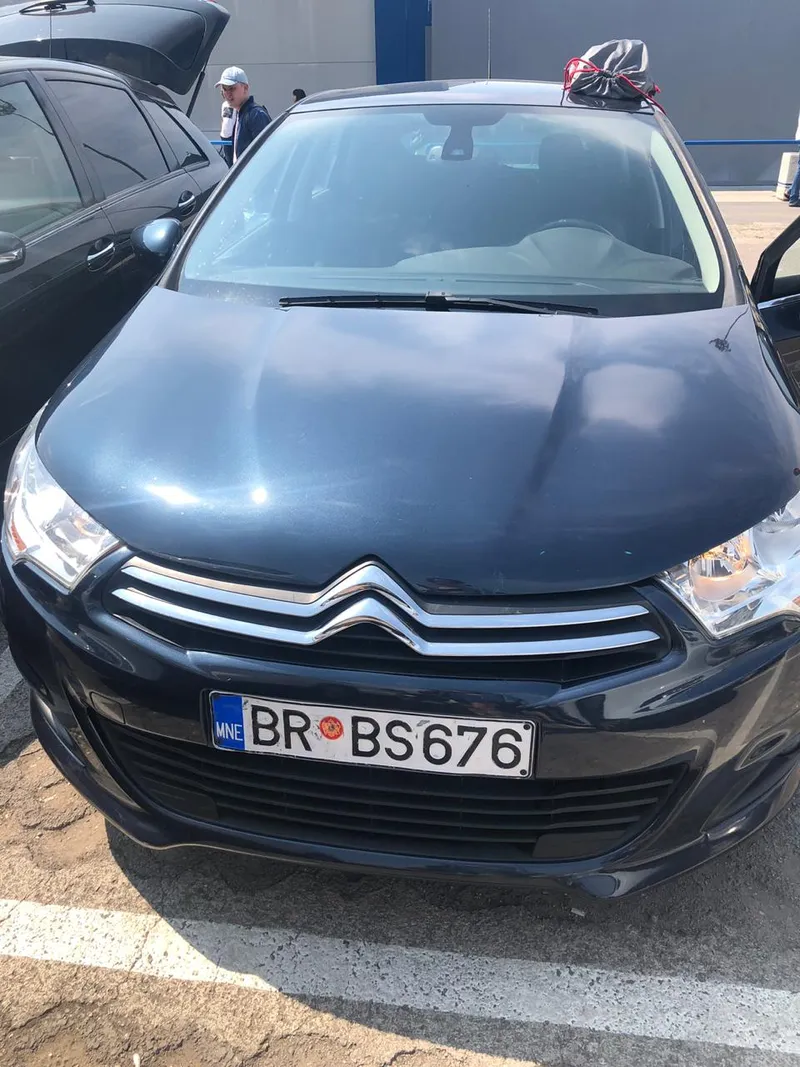

Citroen C3 in Montenegro
In Montenegro, everything went fine. Upon arrival, the manager met at the airport in Podgorica. The car is almost new, everything is in order. Returned the car in Tivat. Everything is still very fast and correct. I am very satisfied.
Take Cars in Montenegro
Clear terms matter more than any slogan. If the listing states a €150 security deposit in cash, that is exactly what you leave at pickup and what is returned when you bring the keys back. Every supplier listed below follows the same rules, so the only real difference between listings is the car itself.

-
Real reviews for each specific car
Not just an overall supplier rating — feedback from guests who hired that exact Octavia or Duster.
-
Security deposit and terms shown before you book
The amount, the payment method and the excess are on the car's listing page — nothing changes at handover.
-
Free cancellation up to 7 days before pick-up
Flights move and plans shift — you can cancel free of charge up to seven days before pick-up.
Routes worth the petrol
Coastal road and Kamenari–Lepetane ferry
The main coastal road links Herceg Novi with Ulcinj, and in summer it crawls. This is where car hire in Kotor pays for itself: the Kamenari–Lepetane ferry across the Bay of Kotor cuts out 30 km and a good hour. A car with passengers costs €4.50; the ferry runs 24/7, every 15–30 minutes in season.
Kamenari–Lepetane is the standard tip we give guests. Driving from Budva to Herceg Novi at midday in August, you’ll lose an hour without it and ten minutes with it.
Old Bar, Ulcinj and Lake Skadar
Further south, the coast quietens down. With car hire in Bar or Sutomore, a good day loop is Old Bar → Ulcinj’s sandy beaches → Lake Skadar on the way back.
For families with younger children we usually suggest Bečići or Petrovac — gentle entry into the sea, no mountain roads and easy parking.
The north: Lovćen, Durmitor, Kolašin
With two or three spare days beyond the coast, the north repays the drive. The climb from Kotor to Lovćen up the road of 25 hairpins is a route in its own right, and beyond it lie Kolašin, the Tara canyon and Durmitor.
The north is unforgiving on tired cars and worn tyres. For winter trips to Žabljak or Kolašin we fit a winter set in advance — without it there’s no point heading up there.
Most travellers skip Podgorica, yet car hire in Podgorica usually comes in 10–20% cheaper than in Tivat.
Flying into Podgorica? Take the car straight from arrivals — the bus to the coast is slow, and a taxi costs more than a day’s hire.
From TGD, the drive down to Budva or Kotor takes around 90 minutes through the Sozina tunnel — straightforward in any season.
Road rules, fines, parking and winter
Speed, alcohol, headlights
The speed limits are 50 km/h in towns, 80 km/h outside built-up areas, and 100 km/h on motorways and in the Sozina tunnel. There is no unofficial "+20" tolerance. The blood-alcohol limit is 0.3‰, effectively zero for drivers under 24. Dipped headlights are mandatory year-round.
The alcohol limit is stricter than in most of the EU. The simplest rule is not to drink at all if you'll be driving — random checks are common after dark, especially in Budva.
Fines — police don't take cash
Traffic police do not collect money on the spot. You are issued a slip to settle at any bank or post office. If you ignore it, the supplier is notified later and will charge your card plus a €10–25 admin fee.
Parking in Kotor and Budva
Parking inside Kotor Old Town is forbidden — use the paid car parks near the Sea Gate and the Jadran centre, or leave the car in Dobrota and walk in. Budva and Sveti Stefan are much the same: free spaces are gone by breakfast, and paid bays cost €1–2.40 per hour.
The catch with parking is that pay-by-SMS only works with a Montenegrin SIM (+382 67/68/69). A foreign number won't register, so use the meter or buy a paper ticket from a duvan kiosk.
Winter tyres and chains
From 15 November to 1 April, M+S winter tyres are compulsory on most regional and mountain roads. Suppliers fit them free of charge; chains must be in the boot. The fine starts at €60, and without the winter kit your insurance can be voided after an accident.
In Kolašin, Žabljak and along the Durmitor passes, winter tyres and chains aren't a formality — they're basic safety on snow-covered hairpins.
If your route stays on the coast between Herceg Novi and Bar, summer tyres will see you through the winter — snow rarely reaches sea level.
Rates in Montenegro vary throughout the year depending on the season and the rental length in days.
- January
- February
- March
- April
- May
- June
- July
- August
- September
- October
- November
- December
- Jan
- Feb
- Mar
- Apr
- May
- Jun
- Jul
- Aug
- Sep
- Oct
- Nov
- Dec
 How expensive is renting a car in Montenegro: average daily rates for a one-week car rental, across all car classes. Delivery across Montenegro not included.
Frequently asked questions about car hire in Montenegro
An economy car costs around €17–25 per day in the low season from November to April and €30–50 in July and August. Mid-size cars generally cost €30–55, while automatic cars and SUVs start at about €45. Two-week rentals may be 20–30% cheaper per day, and monthly rates can be almost half the daily rate. May and September are usually 30–40% cheaper than August and offer a wider choice of cars.
Yes. Some cars on TakeCars are available without a deposit and include Full Cover with no excess for bodywork damage. Cover for the tyres, wheel rims, glass and underbody may also be included or offered as an add-on. This option is useful if you do not want a deposit held on your card.
Usually not with a local supplier. A debit card is sufficient for the 15–20% online prepayment, while the remaining balance and deposit are generally paid in cash in euros when you collect the car. International chains are stricter and usually require a credit card in the main driver's name.
Yes. Cross-border travel to either country usually costs an additional €30–50 and requires a Green Card. The Božaj crossing into Albania is generally quieter than Sukobin or Murićani. For Bosnia, the Klobuk crossing on the road from Nikšić is convenient if you are travelling towards Mostar or Sarajevo.
The minimum age is usually 21, with one to two years of driving experience, for economy and mid-size cars. Premium cars may require drivers to be 23–25. Drivers aged 21–24 often pay a young-driver fee of €8–15 per day or a flat fee of around €80 per booking. Most local suppliers do not have an upper age limit.
Yes — no separate permission from the supplier is needed. A car with passengers costs €4.50 one way, paid by card or cash at the booth. The ferry runs 24/7 and leaves every 15–30 minutes in season. The crossing takes about ten minutes and saves roughly 30 km of road.
Use a parking meter (cards or coins) or a paper "parking karta" ticket from a duvan kiosk. Pay-by-SMS only works with a Montenegrin SIM (+382), so a foreign number will not register. Parking is forbidden inside the Kotor Old Town — use the paid lots near the Sea Gate or by the Jadran shopping centre.
Call 112 immediately — a police report is mandatory; without it neither CDW nor Super CDW will pay out. Photograph everything from several angles, sign nothing without a translation and notify the supplier within 48 hours. Don't move the car before the police arrive, even if it's partially blocking traffic.
From 15 November to 1 April, winter tyres marked M+S are compulsory on most regional and mountain roads. Suppliers fit them free of charge during the winter season. Snow chains must be carried in the boot, and the fine for not having them starts at €60. For winter trips to Kolašin, Žabljak or Durmitor, this equipment is essential.
Rates from November to April are usually 40–60% lower than at the height of summer. July and August are the most expensive months. May and September offer a good balance of pleasant weather, prices that are 30–40% below August levels, and a wider choice of available cars.
There is no national vignette. Only two paid sections exist: the Sozina tunnel (€2.50 for cars) on the Bar–Podgorica route and the A1 motorway Podgorica–Mateševo (€4.50). The Kamenari–Lepetane ferry adds €4.50. All other roads, including mountain passes and the coastal route, are free.
Licences issued in the EU, EEA, UK and Switzerland are accepted without an International Driving Permit. Licences from other countries are also accepted if they are written in the Latin alphabet. If your licence uses Cyrillic, Arabic or another non-Latin script, you must carry an IDP with the original licence. You will also need a passport, or an EU national identity card, when collecting the car.
Standard cover includes third-party liability, theft protection and Collision Damage Waiver with an excess of €800–2,000. Tyres, wheel rims, glass, the underbody and the interior are generally excluded. Super CDW costs around €4–10 per day and reduces or removes the excess. It may be useful for mountain roads, winter travel or drivers unfamiliar with local conditions. A police report is required for any claim.
Local suppliers usually require a cash deposit of €100–300, which is returned when you hand back the car. International chains may place a hold of €500–1,500 on a credit card and release it within 10–30 working days. Deposits for premium cars can reach €3,000. TakeCars shows the amount and payment method in the listing before you book.
Yes. You will need a Green Card and written permission from the supplier. The cross-border fee is usually €30–85, and the rental agreement must explicitly permit travel outside Montenegro. Queues at the Debeli Brijeg crossing can last one to two hours around midday in summer, so cross early in the morning or after 20:00. The drive from Budva to Dubrovnik takes about 2.5 hours in normal traffic.