


Pickup


Return
🎁 Use code WELCOME3 during checkout to get a discount on your first booking with us. Enjoy! ☀️

Renting a car in Morocco isn't just a convenient option—it's the way to see this country. The Atlas, the Sahara, the coastline, Aït Ben Haddou and the old medinas are scattered across hundreds of kilometres, and public transport between them is either slow or doesn't exist. A car gives you the freedom no group tour or taxi ever can.
At the same time, Morocco is one of the most affordable rental markets in the world: economy cars from $25 a day, crossovers and SUVs from $60, and a serious 4×4 for desert routes from $120. With TakeCars, you see the exact car you're getting: real photos, real reviews on each specific vehicle, and a clear deposit shown upfront. No stock images, no surprises at the pickup desk.
A couple flew into Marrakesh last March. They saw the exact Duster in the listing, along with last summer's review from a renter who'd taken it to Merzouga. No queue at the desk, no surprise at handover — twenty minutes and they were on the road to Aït Ben Haddou.
The deposit appears in the listing, not at the payment step — you decide which class fits your budget without on-the-spot negotiation.
Booking confirms instantly, with no emails or phone calls. If your flight to Casablanca lands in two hours, the car is already yours.
Show up, sign, drive.
Documents, deposit and insurance — no surprises
The minimum age for most suppliers is 21 with at least one year of driving experience; for premium and large 4×4 vehicles it is usually 25 or older. Younger drivers normally pay a small daily surcharge, but this can often be reduced or waived with a promotion or discount code.
Documents are straightforward: a passport, a valid driving licence and a credit card in the driver's name — most suppliers will not accept debit or prepaid cards. An International Driving Permit (IDP) is technically not required for tourists from the UK, EU and most other countries staying under 90 days, but it is strongly recommended. At police checkpoints and during accident paperwork, an IDP resolves almost every question.
The deposit ranges from $300 to $2,000 depending on the car class and the insurance you choose. The fuller the cover, the smaller the hold on your card. Basic third-party liability is always included. On top of that, collision damage waiver (CDW) with an excess of $300–1,500 is usually bundled in. For an extra $10–25 a day you can upgrade to Super CDW or Full Cover — zero excess and peace of mind.
Full Cover isn't an extra line on the invoice. One stone flying out from under a lorry's wheel in the Atlas makes it worth it for the entire trip.
The real question at pickup isn't how much the insurance costs, but what exactly it covers. Off-road use, sand, tyres and windscreens are often excluded from the basic CDW — ask before you sign.
A family from Lyon took only basic CDW for an Atlas loop in October. A sharp stone on the N9 cracked the windscreen near Ouarzazate. The repair invoice was almost the price of the whole rental.
Ten dollars a day saved at the desk can become seven hundred at return.
Most tourists in Morocco start their trip here
Moroccan roads: what to understand from the start
Moroccan motorways are a pleasant surprise. The 1,800 km network of toll motorways covers the main corridors Casablanca — Rabat — Tangier and Casablanca — Marrakesh: solid surface, fresh markings, proper crash barriers. You pay in cash in dirhams at the toll booths, roughly $0.06–0.08 per kilometre. Casablanca to Marrakesh by motorway works out to about $8 one way.
Fuel is where mistakes can hurt. Most rental cars in Morocco are diesel, and putting in the wrong fuel costs several hundred dollars in repairs. At pickup, ask the manager directly "Diesel or petrol?" and take a photo of the sticker by the filler cap. At the major chains — Afriquia, Shell, TotalEnergies — fuel quality is reliable.
Speed limits are 60 km/h in town, 100 on rural roads, 120 on motorways. Fines are issued on the spot. Drink-driving carries zero tolerance and the police enforce it consistently. On intercity routes, expect several police checkpoints a day — that's the norm.
If you're stopped, window down, hands on the wheel, calmly hand over your licence, the rental contract and your passport. Most checks last under two minutes.
If they ask for a fine, always demand the official receipt — PV, procès-verbal. Without one, it isn't a fine, just a conversation, and you can politely decline.
Don't drive at night in the Atlas or out in the country. Not because of people — because of goats, donkeys and unlit lorries. Seriously.

Dacia Duster in Morocco
rental was perfect. Car was new and in good condition. Communication with the rental guy was spot on.
Geely GX3 pro in Morocco
Everything was fine, they met at the time, left the car (by agreement in the parking lot) by sending them a video, and putting the key where they said
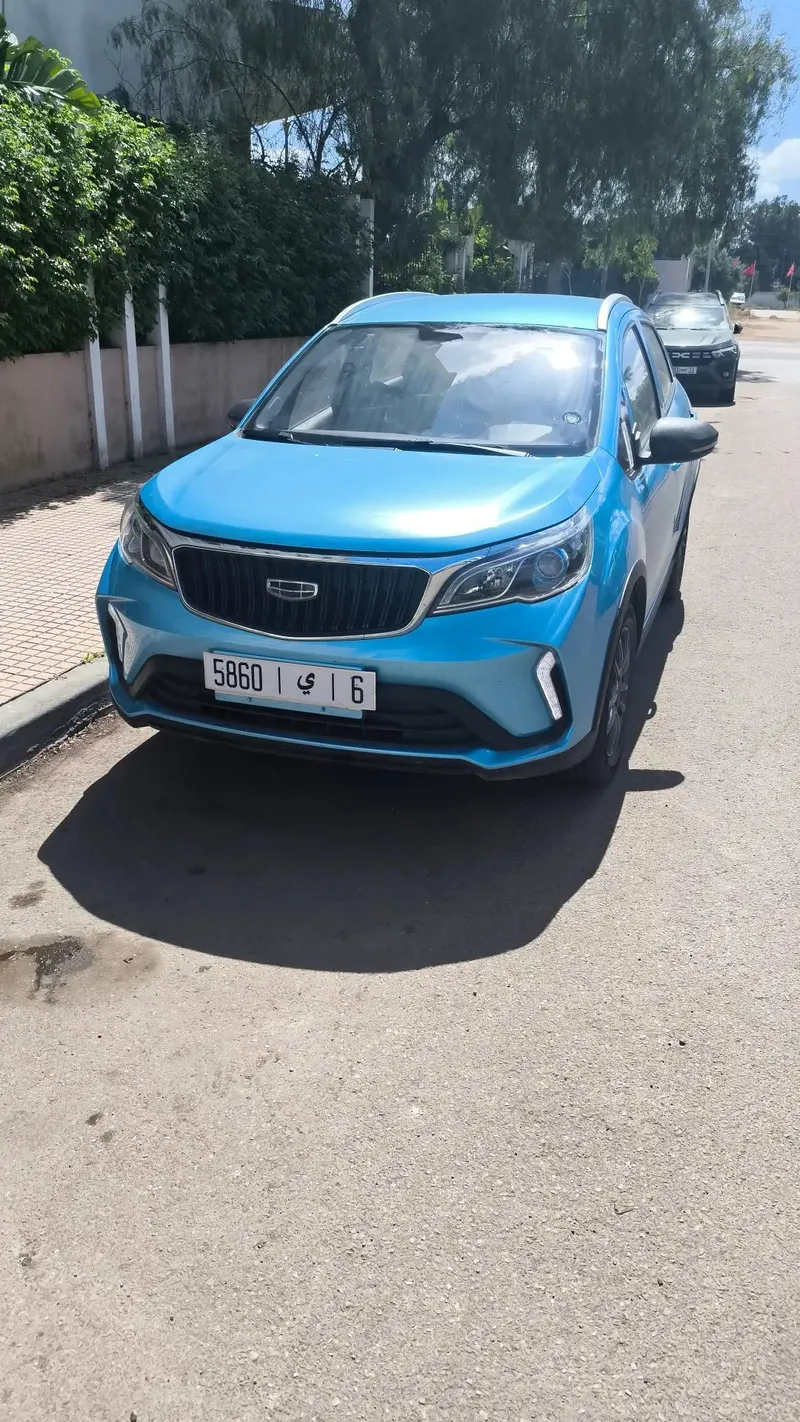

Geely GX3 pro in Morocco
That's great.
Hyundai Accent Blue in Morocco
everything is fine
Hyundai Accent in Morocco
rented a car, everything went well without any difficulties or accidents. The key to success was full insurance and no deposit, which is very important in this country
Dacia Logan in Morocco
Everything went great, happy with the car, enjoyed traveling around the country

Dacia Sandero in Morocco
I rented a Sandero, diesel. Prepaid on the website. Took it to Casablanca. I paid the rest on arrival. Inspected the car, took photos, signed the contract. The car was washed, when handing over did not have time to wash, just paid extra. I recommend to cooperate. But the traffic in Marakesh and Casablanca is for experienced drivers

Dacia Logan in Morocco
I was very satisfied with the service. I was met right at the airport. The car was excellent. We had half a tank of gas at the start. Payment was taken in cash. I didn't need a card. The price is super reasonable. No problems at all. In the end, everything turned in 5-10 minutes. I definitely recommend the service!

Hyundai Accent Blue in Morocco
Everything went well. Very good service, I give it 5 out of 5.
Dacia Logan in Morocco
I am very satisfied with your service. Great car for a great price! 5 🌟
Dacia Duster in Morocco
It went well. Just some delay to get the correct car but we were warned before hand. We got a Fiat Doblo (or similar not sure of exact model anymore), went to go some shopping with it then meet a couple hours later at a Gaz station to get the Duster (after return of previous renter an car wash). Small other point. We had issue with our flight company that had delayed our flight of 3 days. When we mentioned it to adapt the rental, we did not receive a response quickly. Otherwise everything fine. Duster was clean and in good state. People to get the car from were easy to find on airport parking (after contact via WhatsApp).
Dacia Duster in Morocco
I rented a Duster car. The rental went well from A to Z, the car was clean and fresh, the support was perfect, no waiting, the person who picked up and returned the car was punctual. I recommend this rental company and will definitely use this company again on my next visit.

Renault Clio 4 in Morocco
everything was perfect. Car has been almost new, good prepare to drive. One small minus, that there was not enough windshield washer fluid. Apart from that, everything was very good. It was pleasure to hire that car. Everything on time.

-
Pick and book
You see the exact car you're getting, read reviews of that specific vehicle and confirm the booking in one click.
-
Connect with your supplier
You get a direct line to the local supplier, agree the airport meet-and-greet by your flight number and sign a contract with no fine print.
-
Return and earn discounts
You drop the car off, leave a review and receive a loyalty discount toward your next rental in any of the 40+ TakeCars countries.
Routes around Morocco — where to drive
Atlas circuit and Aït Ben Haddou
The classic loop Marrakesh → Ouarzazate → Aït Ben Haddou via the Tizi n'Tichka pass (2,260 m). Around 250 km of winding N9, manual gearbox preferred in the mountains. If you rent a car in Marrakesh, pickup at Menara airport (RAK) puts you straight onto the main road.
Sahara and Merzouga
From Marrakesh to the Erg Chebbi dunes — 560 km, about 9 hours. Tarmac runs all the way to Merzouga, but a regular car cannot go onto the dunes: sand in the engine means a write-off. Drive a saloon to Merzouga, then switch to a local 4×4 tour or camels.
Coast and Essaouira
From Marrakesh to Essaouira — 175 km along A7 + N1, about 2.5 hours. Surf town with wind, fish restaurants and a Portuguese fortress. Or rent a car in Agadir for an easy run up the coast.
The north — Chefchaouen and Tangier
From Tangier to Chefchaouen, the "blue city" — 130 km on switchbacks. For the north via the main hub, renting a car in Casablanca works: CMN connects by motorway to Rabat and Tangier.
Tizi n'Tichka in summer at sunset is reason enough on its own to come to Morocco. Leave Marrakesh before noon so you make it before dusk.
A couple from London stretched the Essaouira run from a day-trip to a day and a half last September. Two and a half hours on the motorway, then they couldn't leave the harbour by sunset.
Many of our customers do the same — Essaouira rewards an overnight.
Tips from drivers who know Morocco
Video at pickup and return
The single most important rule in Morocco — record a 360° video of the car with a timestamp before driving off, and again at return. Sand and dust hide chips, and without video any "new" dent is yours. Ninety seconds saves hundreds of dollars.
Cash, dirhams and small notes
The dirham is a closed currency; change it at a bank or the airport — hotel rates are worse. Visa and Mastercard work in cities, but toll booths are cash only — keep small dirham notes for fuel attendants, parking and gardiens.
Cross-border is forbidden
Moroccan rentals cannot cross any land border — not Ceuta or Melilla (Spanish enclaves, i.e. EU territory), not Algeria, not Mauritania. Insurance doesn't work outside Morocco. For both sides of the Strait of Gibraltar, hire separately.
Ramadan and seasonality
During Ramadan, drive carefully near sunset — that's when people rush to break their fast. Mornings and midday are quieter. For the March–May and September–November peaks, book 2–3 months ahead; in low season, 1–2 weeks is fine.
Pickup video isn't paranoia, it's a professional standard. Ninety seconds saved to the cloud closes 99% of future damage disputes.
Keep 100–200 dirhams in coins and small notes. Parking attendants, fuel tips, gardiens — no one breaks a 500-note.
Peak season in Morocco is March to May and September to November. If your dates fall in there, book a couple of months ahead — the best cars go first.
Rates in Morocco vary throughout the year depending on the season and the rental length in days.
- January
- February
- March
- April
- May
- June
- July
- August
- September
- October
- November
- December
- Jan
- Feb
- Mar
- Apr
- May
- Jun
- Jul
- Aug
- Sep
- Oct
- Nov
- Dec
 How expensive is renting a car in Morocco: average daily rates for a one-week car rental, across all car classes. Delivery across Morocco not included.
Frequently asked questions about renting in Morocco
Yes, you can drive a regular car as far as Merzouga, as the road is paved. Do not take the rental car onto the Erg Chebbi dunes, where sand can cause serious mechanical damage and the insurance will not apply. Drive a saloon or crossover to Merzouga, leave it at your hotel and continue on a guided 4×4 or camel tour.
Slow down in advance, lower the window and keep your hands visible. Stop when the officer signals and show your driving licence, rental agreement and passport. Most checks take only a few minutes. If you are issued a fine, ask for an official receipt, known as a PV or procès-verbal, and do not make an informal payment without documentation.
No. Ceuta and Melilla are Spanish enclaves — EU territory. Moroccan rentals are not permitted there: the insurance doesn't work across the border, and the contract explicitly forbids leaving Morocco. If you plan to visit both sides, hire separately on the Spanish and Moroccan sides, or cross the border on foot.
Gardiens are attendants, often wearing blue jackets, who watch parked cars in public areas. They are a normal part of parking in Moroccan cities. A typical tip is $0.50–2 for a short stop or $2–5 for the day. Carry small-denomination dirham notes so you can pay the expected amount.
Many Moroccan rental cars use diesel. When you collect the car, ask the supplier to confirm the fuel type and photograph the label inside the fuel flap or on the cap. At the fuel station, diesel is labelled ‘gasoil’ and petrol ‘essence’ or ‘sans plomb.’ Tell the attendant which fuel you need, as using the wrong one can cause damage costing several hundred dollars to repair.
Officially, no — for stays under 90 days, your national licence is accepted. In practice, an IDP makes life much easier at police checkpoints and during accident paperwork. UK drivers can get one from the Post Office for around £5.50; EU drivers from their national automobile association. It's worth having.
Record a timestamped 360-degree video of the car before driving away and another when you return it. Include every body panel, the wheels, bumpers, windscreen and roof. Sand and dust can hide small chips, so clear footage will help if the supplier later questions whether a mark is new.
No. Standard Collision Damage Waiver excludes off-road driving, sand and unpaved tracks, so you will be responsible for damage caused in the dunes or on prohibited Atlas routes. For a permitted 4×4 itinerary, arrange Super CDW or Full Cover and make sure written off-road permission is included in the rental agreement. A guided tour with its own insurance may be a safer option.
Cars are not permitted inside the historic medina. Use a car park near one of the main entrances, such as Bab Doukkala or Place de Foucauld in Marrakesh, or Bab Boujloud in Fez. Parking usually costs $2–5 per day, plus a small tip for the gardien. Many riads can meet guests at the entrance and help arrange parking, so ask when you book.
The drive from Casablanca to Fez via the A2 and A1 is about 290 km and costs roughly $9–11 in tolls. Marrakesh to Fez via the A7 and A2 is around 530 km, with tolls of about $14–16. The motorways are generally in good condition, with speed limits of 110–120 km/h. Carry Moroccan dirhams, as toll booths do not accept foreign currency.
Only if you plan to leave the city. Traffic in central Casablanca is heavy, parking can be difficult, and taxis or ride-hailing services are inexpensive. A rental car is useful for trips to the coast, Rabat or the Atlas Mountains. Collecting it at Casablanca Airport can also help you avoid driving through the city centre.
International chains generally require a credit card in the main driver's name. Some local agencies accept a cash deposit, although the amount may be higher and the terms less flexible. Debit cards are not widely accepted for deposits. Check the required credit limit for your chosen car before travelling, rather than assuming one amount will cover every vehicle class.
Most suppliers allow a grace period of 30–60 minutes after the agreed return time. After that, you may be charged for an additional day. If you are delayed, contact the supplier as soon as possible; mountain and desert routes can take longer than expected. Returning the car at the airport outside normal opening hours may cost an additional $10–30.
Yes. A popular itinerary is to fly into Agadir, follow the coast through Essaouira and return the car in Marrakesh. The one-way fee is usually $50–150, depending on the supplier and distance. Confirm the arrangement when booking, as some smaller agencies require you to return the car to the original location. TakeCars supports one-way rentals between the main Moroccan cities.
For the busy periods from March to May and September to November, book two to three months in advance, particularly if you want a Dacia Duster, automatic car or crossover. In the low season from June and December to February, excluding New Year, one to two weeks is usually enough. For coastal trips in July and August, especially around Agadir, book one to two months ahead.