


Recolha


Regresso
🎁 Use o código WELCOME3 durante o checkout para obter desconto na sua primeira reserva connosco. Aproveite! ☀️

Turkey is one of those countries where a hire car genuinely changes the trip rather than simply speeding it up. Distances are long, the coastline stretches for thousands of kilometres, and small towns and natural sites tend to sit just off the convenient transport routes.
Onde alugar um carro em na Turquia
Turkey is one of those countries where a hire car genuinely changes the trip rather than simply speeding it up. Distances are long, the coastline stretches for thousands of kilometres, and small towns and natural sites tend to sit just off the convenient transport routes. So 'I'll hire a car and drive where I need to' actually works here — particularly when more than one destination is on your itinerary.
For most European travellers, Turkey also offers a refreshingly straightforward setup. The country sits outside Schengen, and visa-free access is generous for most Western nationalities. On the rental side, local suppliers tend to be more flexible than international chains: lower deposits, debit cards accepted, and cash settlements in USD or EUR on arrival.
"We treat each booking as its own scenario in Turkey. Some clients want a meet-and-greet at the airport, others prefer hotel delivery, and a few drop in at the office before the journey starts. There isn't a single right answer — there's whichever one suits your trip."
The advantages of having a car become clearest on multi-stop itineraries: the Mediterranean coast from Antalya through to Fethiye, day trips to Cappadocia and Pamukkale, drives between Aegean resorts. On routes like these, a hire car comfortably outperforms taxis and group tours in both time and freedom of pace.
A handful of specifics are worth knowing before you book. Toll roads are managed entirely through the electronic HGS system. Deposits and insurance terms vary considerably between suppliers. Cross-border travel is generally not permitted, even into neighbouring countries. And driving style in larger cities runs at a faster pace than most European visitors expect. None of this is unmanageable — it's simply useful to factor in early.
Turkey is enormous, and most travellers don't approach it as a country in one go but through a specific entry city. If your destination is already set, it's quicker to look at conditions on the dedicated page: car hire in Istanbul, rent a car in Antalya or hire a car in Bodrum.
"Turkey is one of those places people return to. Each visit lands in a different region, with a different itinerary and a different car. That's part of how the country works — there isn't a version of it you can see in a single trip."
A maioria dos turistas em na Turquia começa sua viagem aqui
When a hire car in Turkey pays off — and when it doesn't
A hire car works best on routes that link more than one place. Drives along the Mediterranean coast, day trips to Cappadocia or Pamukkale, transfers between Aegean and Mediterranean resorts — on those journeys, your own vehicle is noticeably faster and calmer than coaches, taxis or shared shuttles.
The benefit is most pronounced on longer distances, with children, with luggage or with larger groups. Minivans are a popular choice in Turkey for exactly this reason: two families or a group of friends will often hire one to cover the coast together or reach Cappadocia from the south.
"A common pattern in Turkey is for guests to spend the first few days at their hotel and only then decide they want to go further. For that, hotel delivery for two or three days works very well."
In resort towns, a car is often hired situationally — a day or two, exactly when it's needed. That avoids paying for parking and keeping an eye on the vehicle for the entire holiday, particularly in places where the resort itself already covers most of the day.
A hire car is less obviously worth it for trips that stay tightly fixed: one resort, one beach, one town with no excursions. In that scenario, the car spends more time parked than driven and tends to absorb attention and small costs that don't really pay off.

Renault Clio 5 na Turquia
Tudo correu bem, encontrámo-nos no aeroporto, levaram-me ao escritório, levaram o carro, foram buscar-me ao hotel no final do aluguer. Não é muito conveniente o facto de não falarem inglês. Escrevem de números diferentes e, por vezes, com informações diferentes. Mas tudo bem
Nissan Qashqai na Turquia
Recomendo a Take Cars! Alugámos um carro por uma semana em janeiro. Embora em vez do Nissan Qashqai encomendado nos tenha sido dado um Peugeot de classe semelhante, todas as condições básicas foram cumpridas: o carro era novo, limpo, com pneus de inverno. O serviço está perfeitamente organizado: o carro foi trazido e levantado a horas, o cálculo é claro, não há pagamentos adicionais. Ficámos muito satisfeitos. Muito obrigado!
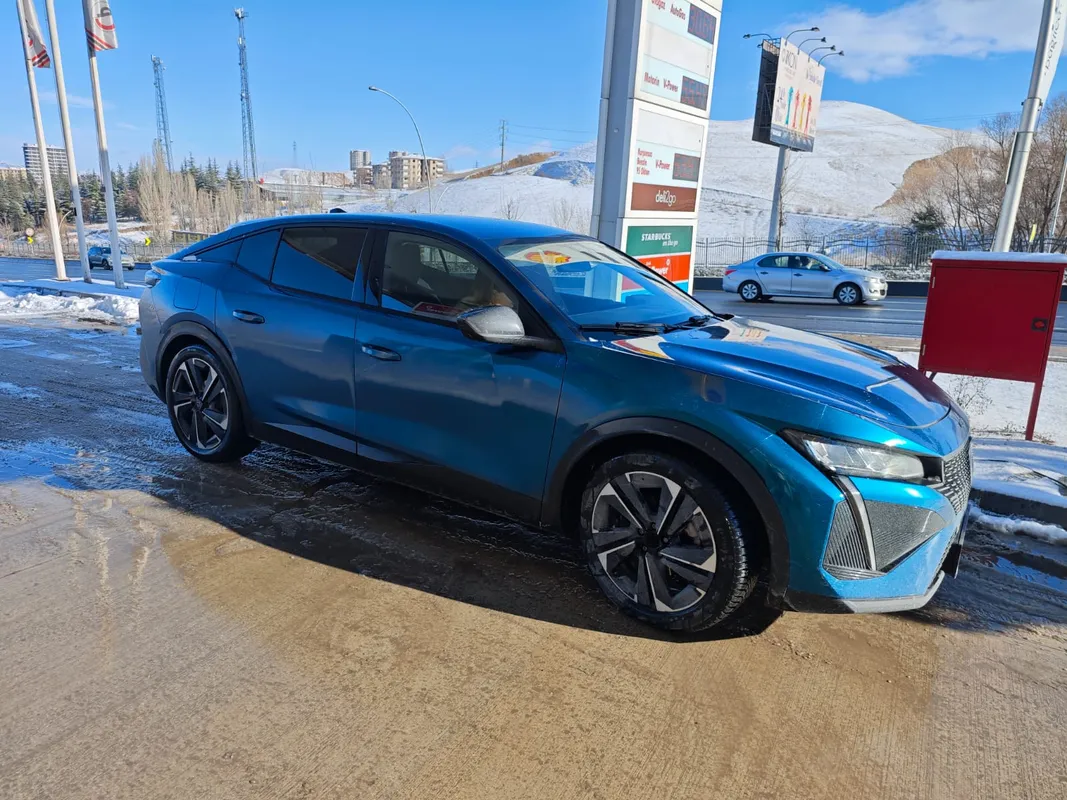
Citroen C-Elysee na Turquia
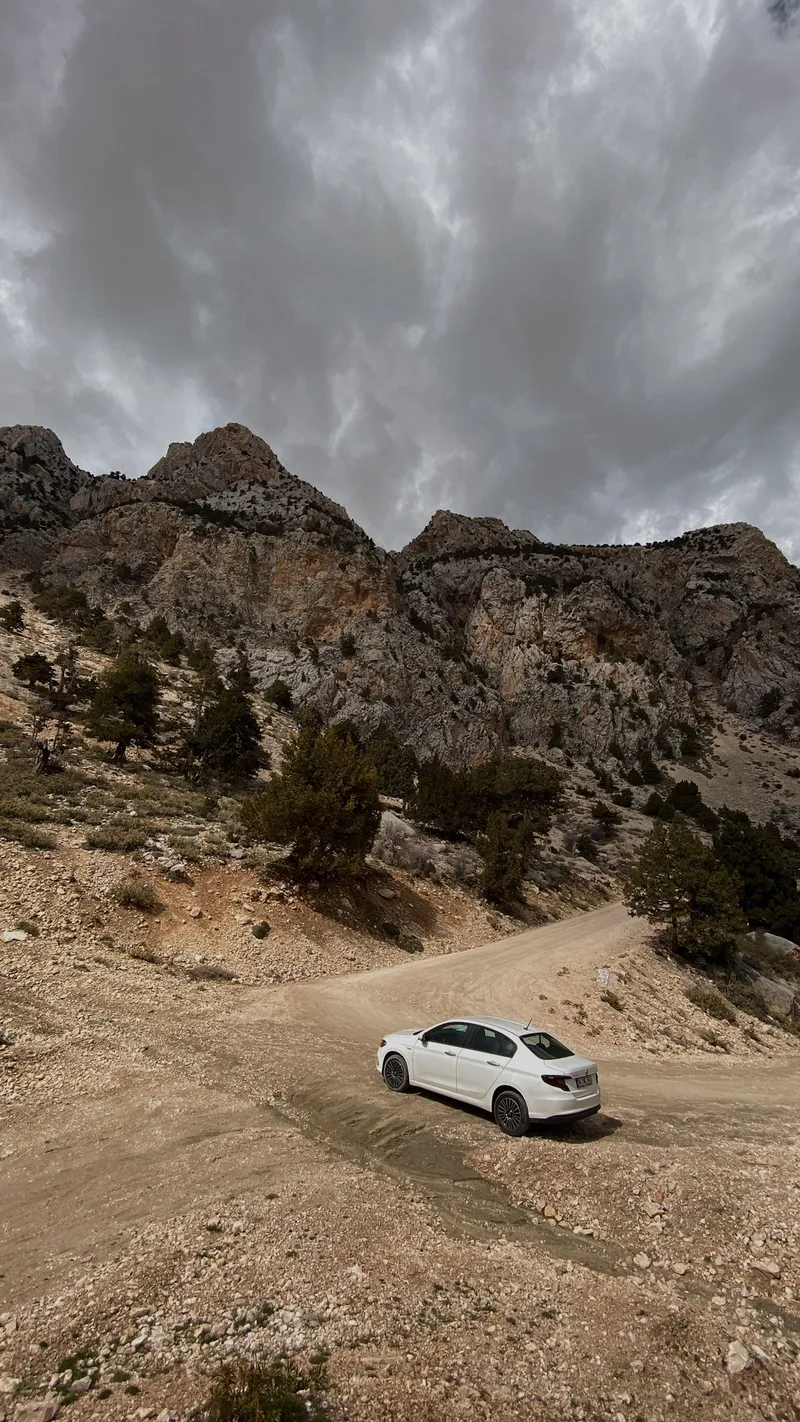
Deram-me outro carro. Deram-me um Fiat, correu tudo bem.
Hyundai Accent Blue na Turquia
Muito bem, obrigado.
Fiat Egea na Turquia
Tivemos uma alteração da hora de partida. Provavelmente por isso, deram-me um carro a gasóleo bastante velho em vez de um carro a gasolina de 2022. Estava com a minha família, a minha mulher e a minha filha estavam cansadas depois do voo e a minha filha mais velha já estava à nossa espera em Antalya há mais de um dia. Por isso, na esperança de que o carro estivesse tecnicamente bem, não insisti numa substituição e aceitei o que me foi fornecido. Infelizmente, estava enganado. O carro revelou-se tecnicamente defeituoso. No primeiro dia, no caminho de Antalya para Fethiye, reparei que o motor estava a aquecer nas subidas longas. Não prestei muita atenção a isso - pensei que era uma particularidade dos motores a gasóleo. Não percorremos grandes distâncias em Fethiye, pelo que não sentimos qualquer inconveniente, exceto o facto de o carro ser velho e estar todo estragado, riscado e pouco apresentável. Antes de regressar, decidimos passar um dia na cidade de Kash. E no caminho de Kaş para Antalya deparámo-nos com uma situação muito desagradável. Agora entendo que nos deram um carro com um sistema de arrefecimento defeituoso, e o anticongelante simplesmente fluía quando o carro se movia "de cara" para cima. Quase não há ruas planas em Kasha - o carro ficou estacionado durante a noite numa colina - e provavelmente vazou muito durante a noite. E os restos de líquido de refrigeração quando se viaja em estradas serpenteantes acabaram na cidade de Finike, onde ficámos com o motor sobreaquecido. Imaginem a nossa situação: são 10 horas, a nossa filha mais velha tem um voo às 14 horas, estamos num carro avariado num local não turístico onde ninguém fala inglês. O representante da empresa de aluguer não entra em contacto. A minha filha teve de se deslocar ao aeroporto de táxi (e isto não é um prazer barato - acho que deu cerca de 100 euros). E nós não sabemos o que fazer. Bem, ajudámos um turco local - e ajudámos a comprar anticongelante. Depois, reabasteci de água todo o caminho para conduzir. O representante da empresa, que levou o carro, de forma rude recusou-se a indemnizar-nos por quaisquer despesas, dizendo que partimos o carro, o que não é verdade. Tenho um vídeo - nas condições em que o levámos - não havia danos novos. E a própria natureza da avaria diz que se deve a más condições técnicas - é possível danificar a parte de baixo e todo o líquido de refrigeração seria derramado. E como uma parte do líquido permaneceria no sistema em condições normais, o dano está algures no interior. E não por causa das minhas acções, mas devido ao desgaste e à falta de manutenção. Em suma, não o recomendo a ninguém em particular. Como tinha um voo no dia seguinte, pude devolver o carro em Antalya. Se estivéssemos todos a voar ao mesmo tempo, teria de o deixar como está. Não consigo imaginar as consequências que isso teria tido para mim.
Fiat Egea Urban na Turquia
Basicamente, gostei de tudo. Os carros são novos, o registo em si é suficientemente rápido, o preço não é mau. A única coisa que eu aconselharia era ter um empregado que falasse russo, porque devido à questão da língua esperei muito tempo no aeroporto.
Dacia Duster na Turquia
Acabámos por comprar um Peugeot 2008 com uma sobretaxa, o Duster não estava disponível, o Citroen C4X proposto não correspondia às nossas necessidades. Mas, no fim de contas, tudo foi perfeito!

Fiat Egea Urban na Turquia
Ótimo carro, bom serviço. Definitivamente, posso recomendar.
Renault Clio 5 na Turquia
Tudo é ótimo, rápido, explicou tudo 👌 Entraremos em contacto convosco 👍🏻

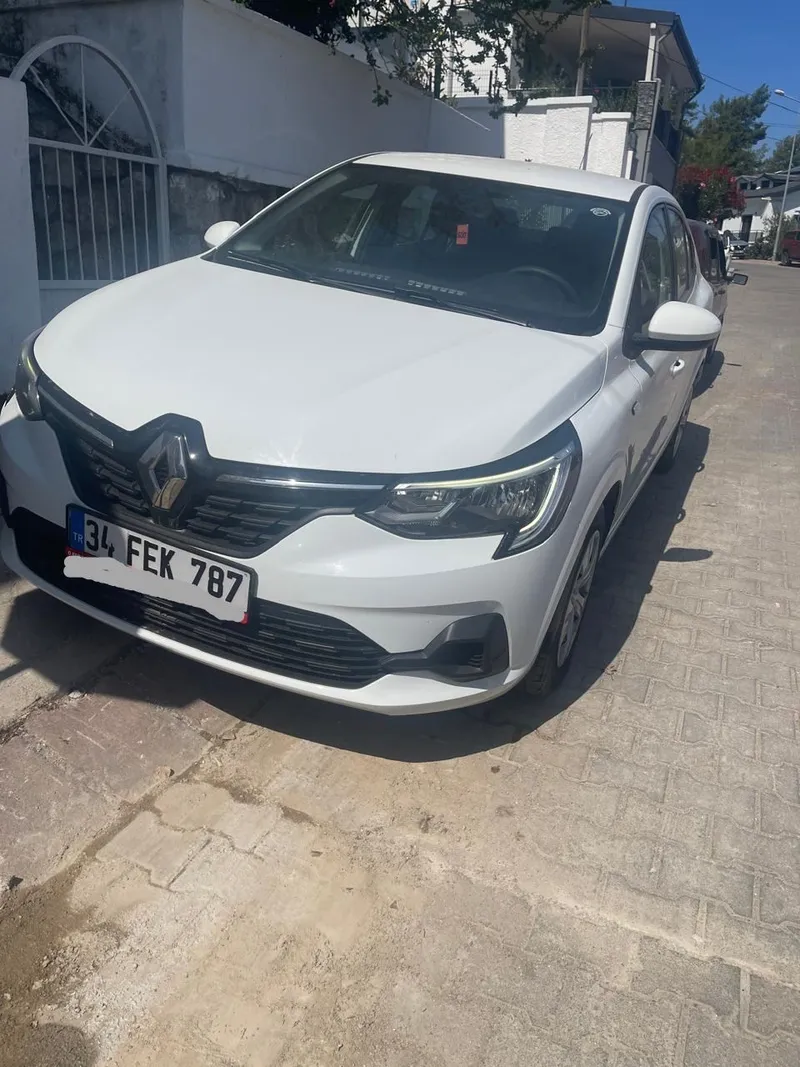
Renault Taliant na Turquia
Correu tudo muito bem, até já consegui recomendar o vosso serviço aos meus amigos). Voltei na semana passada e também estou muito satisfeito com o serviço
Fiat Egea na Turquia
Tudo estava perfeito. O custo é baixo. Pagamento por cartão e dinheiro. Sem depósito.
Fiat Egea Cross na Turquia
O motorista recebeu-nos no aeroporto e levou-nos ao ponto de aluguer, demorou cerca de 15 minutos e estávamos na estrada num instante. O carro é excelente e a comunicação com a empresa também é óptima. Em contrapartida, não gosto do sistema de levantamento e devolução do carro com o depósito vazio. Mais um momento desagradável: a empresa garantiu-me que podia pagar o aluguer por cartão em dólares, mas no local houve uma conversão em liras turcas. De resto, tudo correu bem!

Fiat Egea na Turquia
tudo estava bem. Estão sempre a par de tudo. É sempre conveniente utilizar o vosso serviço, muito obrigado!
Payment, deposits and what to expect
Local Turkish suppliers tend to be more flexible than international chains on payment. A credit card is rarely required — most accept debit cards online for the booking, and the balance plus deposit can be paid in cash on arrival, in USD or EUR. Deposits depend on the car class and the supplier. Economy cars usually start from $100, midsize from $200–500, and minivans up to $500. With several of our suppliers there is no deposit at all, while others waive it when full coverage is taken. "Where a listing says 'no deposit', that always means a specific tariff and a specific insurance policy underneath. So it's worth checking exactly what's covered before booking."
Payment, deposits and what to expect
Local Turkish suppliers tend to be more flexible than international chains on payment. A credit card is rarely required — most accept debit cards online for the booking, and the balance plus deposit can be paid in cash on arrival, in USD or EUR. Deposits depend on the car class and the supplier. Economy cars usually start from $100, midsize from $200–500, and minivans up to $500. With several of our suppliers there is no deposit at all, while others waive it when full coverage is taken. "Where a listing says 'no deposit', that always means a specific tariff and a specific insurance policy underneath. So it's worth checking exactly what's covered before booking."

-
Pay without a credit card
Local Turkish suppliers accept debit cards online for the booking. The balance and deposit can be paid in cash on arrival, in USD or EUR — without the credit card requirement that international chains insist on.
-
Deposits from zero
With several of our suppliers there is no deposit at all, and with others the deposit is waived when full coverage is taken. Useful if you'd rather not have a large hold sitting on a card for the duration of the trip.
-
Real photos and reviews
Each car listing shows the actual vehicle: real photographs, year, condition, reviews from previous clients and the specific terms from that owner. It removes the most common worry — that the car turning up won't quite match the picture.
What's worth knowing before the trip
Turkey works logically as a rental market, but it has a few peculiarities of its own — the toll system, insurance fine print, parking and winter rules. If you're across these before booking, the rest tends to fall into place.
Toll roads and the HGS system
Toll roads, bridges and certain tunnels in Turkey are managed through HGS (Hızlı Geçiş Sistemi) — a fully electronic system. A chip sticker is already mounted on the windscreen of nearly every hire car; at toll points, you simply slow down slightly and the charge is deducted automatically. Cash booths and barriers don't exist for this anymore.
"We always run through how HGS charges are calculated when handing over the car, and at what point they appear in the final invoice. That settles most questions before they arise."
The total for tolls is typically added as a single line on the final invoice at the end of the rental. A small administrative handling fee from the supplier is normal practice on the local market.
Insurance — what's included and what isn't
Third Party Liability (TPL) is included in every Turkish rental by law. Basic Comprehensive cover (CDW) is usually included as well, but it carries an excess and has standard exclusions: glass, tyres, wheels, the underside and the interior are typically not covered. For mountain routes and dense city driving, it's worth taking Super coverage (SCDW) or Full coverage (FDW), which closes those gaps.
"Full coverage only works when the rental terms are followed. If the named driver is at the wheel, the route is permitted, and the incident is reported correctly, there are no financial surprises. Where the contract is broken, coverage may apply only partially."
A note on alcohol. The legal limit in Turkey is 0.5‰, but it drops to zero if there is any passenger in the car — meaning the driver effectively has to be entirely sober. Anything above the limit voids any insurance policy, including Full coverage and Super coverage.
Fuel, fines and parking
Both petrol and diesel are common in Turkey. Diesel tends to be cheaper to run and pulls better on long drives and mountain routes, which is why it's frequently chosen for cross-country trips. Petrol stations are open round the clock; major ones take cards, smaller rural stations are often cash-only.
Turkish traffic enforcement is strict — motorways carry plenty of fixed and average-speed cameras. The good news: paying a fine on the spot earns a 25% discount, and paying within 15 days online or through PTT earns a further 25%.
"The simplest rule for visiting drivers in Turkey is to keep within the limits and to park only where it's clearly permitted. Fines find the car later through the rental supplier — they aren't easy to ignore."
Winter trips and mountain routes
For trips into the eastern provinces or the mountains — Erzurum, Kars, the Taurus range, the ski resorts — winter tyres and overall vehicle setup are worth confirming with the supplier in advance. Winter tyres do most of the work; chains are kept as a backup for heavy snow and difficult sections rather than a substitute for tyres. Cars set up for winter are booked first, so plan ahead.
"Winter rentals in Turkey go faster than people expect. The cars set up properly for snow are taken early in the season, and there is only so much that can be pulled together at short notice once the weather turns."
When to book
There isn't a single peak season across Turkey. Istanbul fills up in spring and around long weekends. The Mediterranean coast peaks through summer and into early autumn. Mountain and ski regions are busiest in winter. Minivans and one-way rentals between cities run out earliest, so for those, booking well ahead is sensible. In quieter months the choice is wider and rates noticeably softer.
Below — the average daily rental price in Turkey by month.
- Janeiro
- Fevereiro
- Março
- Abril
- maio
- Junho
- Julho
- Agosto
- Setembro
- Outubro
- Novembro
- Dezembro
- Jan
- Fev
- Mar
- abril
- maio
- Jun
- Jul
- agosto
- setembro
- outubro
- Nov
- Dez
Frequently asked questions
Not with most local Turkish suppliers. They typically accept debit cards for the online booking and allow the balance and deposit to be settled in cash on arrival, in USD or EUR. International chains in Turkey still tend to require a credit card in the main driver's name and rarely accept cash deposits, so it's worth filtering for local suppliers if a credit card isn't an option.
HGS is a fully electronic toll system covering Turkey's motorways, paid bridges and certain tunnels. A chip sticker is already mounted on the windscreen of most hire cars; at toll points you slow down slightly and the charge is deducted automatically. Cash booths no longer exist. Total toll charges are usually invoiced as a single line on the final bill at the end of the rental.
Deposits depend on the car class and the supplier. Economy cars usually start from $100, midsize from $200–500, and minivans up to $500. With several suppliers there is no deposit at all; with others, the deposit is waived when full coverage is taken. Choosing this configuration at the booking stage is more straightforward than trying to negotiate it on collection.
In most cases, no. Cross-border travel from Turkey is not permitted by the majority of suppliers. That includes Greece, Bulgaria, Armenia, Iran, Iraq and Syria. If your itinerary involves crossing into a neighbouring country, the practical approach is to drop the car on the Turkish side and continue with a separate rental or local transport from the border.
Yes, between major airports and cities — Istanbul, Antalya, Izmir, Dalaman, Ankara — most suppliers offer one-way rentals. The relocation fee scales with distance and typically starts from around $200–300. Stock for these journeys runs out faster in the high season, so booking in advance avoids disappointment.
The general limit is 0.5‰. However, if there is any passenger in the vehicle, the limit drops to zero — effectively requiring the driver to be entirely sober. Anything above the limit at the time of an accident voids any insurance policy, including Full coverage and Super coverage, and carries a substantial fine.
Most suppliers require drivers to be at least 22 years old with a minimum of two years' driving experience. Premium and 4x4 categories often start at 25. For drivers under 22 or 23, some suppliers will still arrange the rental but apply a young driver surcharge — typically around $10 per day.
Most European licences are accepted in Turkey on their own. UK government guidance recommends carrying an International Driving Permit alongside the domestic licence as a precaution, though it is not strictly required for short visits. For licences in scripts other than the Latin alphabet, an IDP is sensible.
Don't move the vehicle. Photograph the damage and the wider scene, contact the rental supplier and call 112 if the situation is serious. A police report is needed in Turkey for almost every incident — without it, insurance typically doesn't apply. The supplier will then guide the formal handling and the insurance side from their end.
Often, yes. Many local Turkish suppliers apply a 150–250 km daily mileage cap, with each kilometre over the limit charged separately. For longer routes — the coastal drive from Antalya to Fethiye, or a trip to Cappadocia — choosing an unlimited-mileage tariff at booking is the more practical option. The setting is filterable when comparing cars.
The body, wheels, glass, bumpers, lights and interior are best filmed on a short video. Check the fuel level and the presence of the HGS sticker, the first-aid kit and the warning triangle. Any noted damage should be marked on the contract before driving away. The whole process takes a couple of minutes and removes most disagreements at return.
Generally, yes. Both petrol and diesel typically run noticeably below the prices in Greece, Italy and most of Western Europe — often the difference funds a meaningful share of the trip's driving budget. Diesel is the cheaper option per kilometre in Turkey and is usually preferred for long-distance and mountain routes.