


Pickup


Return
🎁 Use code WELCOME3 during checkout to get a discount on your first booking with us. Enjoy! ☀️

Car hire in Uzbekistan is the easiest way to put together your own Silk Road itinerary without being tied to a train timetable. From Tashkent down to Samarkand, then on to Bukhara, Khiva and the Fergana Valley — this is a country that opens up far better from behind the wheel than from the back of a coach.
Uzbekistan has quietly become one of the friendliest countries in Central Asia for European travellers. Most EU passport holders enter visa-free, the main motorways are in good shape, the airports use English signage and the younger generation increasingly speaks workable English. You book online, then collect the car at Tashkent (TAS) or Samarkand (SKD) airport — either at the rental desk or from a manager waiting in the car park.
Prices are some of the lowest in the region: economy starts from 25 USD a day. On TakeCars you see real photos of the actual car, recent guest reviews, the deposit amount and the insurance terms before you enter your card details — the basic worry of «what if it isn't the car I booked» simply doesn't apply.
A Dutch couple landed in Tashkent last April, signed the contract on the bonnet, and were on the M39 toward Samarkand inside twenty minutes. The paperwork felt lighter than back home.
Most European visitors drive away on day one. The rules are mostly familiar; we just walk through a couple of local quirks at handover and that's enough.
What you actually need
Uzbekistan recognises licences from countries that signed the 1968 Vienna Convention on Road Traffic, which covers most of Europe. Best practice is your home licence together with an International Driving Permit (IDP). The IDP is the official translation; it's cheap to issue at home and removes any debate at a roadside check.
Contracts at the larger suppliers and verified hosts on TakeCars are in English. With smaller providers the contract may be in a local language — you can request an English copy via TakeCars chat before booking. Final price, deposit, insurance and fuel policy are all visible before you sign.
Most European guests turn up with an IDP and we'd recommend the same. Licence plus IDP is the cleanest combination at any roadside check.
Card payments work fine for the booking: any major Visa or Mastercard from a European bank goes through. On the ground, Uzbekistan still runs largely on cash — keep US dollars or Uzbek som (UZS) ready for the deposit and extras. The deposit amount and method, cash or card hold, is shown on every car page before you book.
The smart move is to land with the prepayment already done by card and a small float of dollars or som for the deposit. No "we'll sort it on the day" surprises at the desk.
Most tourists in Uzbekistan start their trip here
Daily rates
Uzbekistan is one of the most affordable countries in the region. Economy — Chevrolet Spark, Cobalt, Lacetti, built locally by UzAuto — starts from 25–35 USD a day. Saloons such as the Malibu: 40–70 USD. SUVs for the Silk Road and the Fergana Valley: 70–150 USD. Premium is rare and starts from 250 USD.
The standard package usually includes third-party liability, unlimited mileage and a full-to-full fuel policy. Collision Damage Waiver is sometimes basic with an excess, sometimes extended — check on each car. Add-ons (child seat, second driver, GPS) are 5–10 USD a day and need to be reserved ahead.
A guest booked a Cobalt for $28 a day last September, took the basic CDW to save a few dollars, then clipped a kerb in Bukhara. The excess bill almost matched a week of hire.
Three things move the price: season, length of hire and pickup point. Prices rise 10–20% in April–May and September–October when the weather is mildest, and popular cars are booked out 2–4 weeks ahead. A long hire of seven days or a month works out 15–30% cheaper per day. Tashkent is the cheapest city; the same car costs 5–15% more in Samarkand or Bukhara.
For a Silk Road run it's almost always cheaper to book the full 5–7 days at once. The daily rate drops, and you don't re-sign paperwork at every stop.

Chevrolet Cobalt in Uzbekistan
Everything was fine
Chevrolet Spark in Uzbekistan
Everything went well. It was easy to place an order. Good value for money. The employees of the rental company are friendly and helpful. The only problem with the return of the deposit. I would like to realize the return on Russian Mir cards. Next year, if we go through Tashkent again, we will definitely take a car here for a trip to Samarkand.
Chevrolet Tracker in Uzbekistan
all went well.

Kia Carnival in Uzbekistan
Everything went great. Very nice people, met on time, no problems.
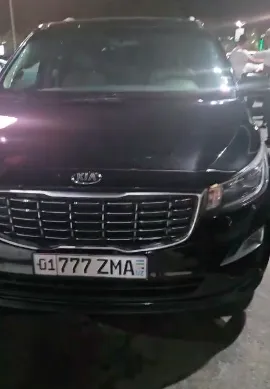
Chevrolet Spark in Uzbekistan
Everything went well, but not right away They did not take the car to the airport early in the morning and did not contact us. They contacted us later and brought the car to our hotel! All questions were answered and overall everything was good). Thank you
Chevrolet Cobalt in Uzbekistan
Everything went well. The car was in good condition, we received and gave it back at a convenient time. There were no problems at all. We will use it again
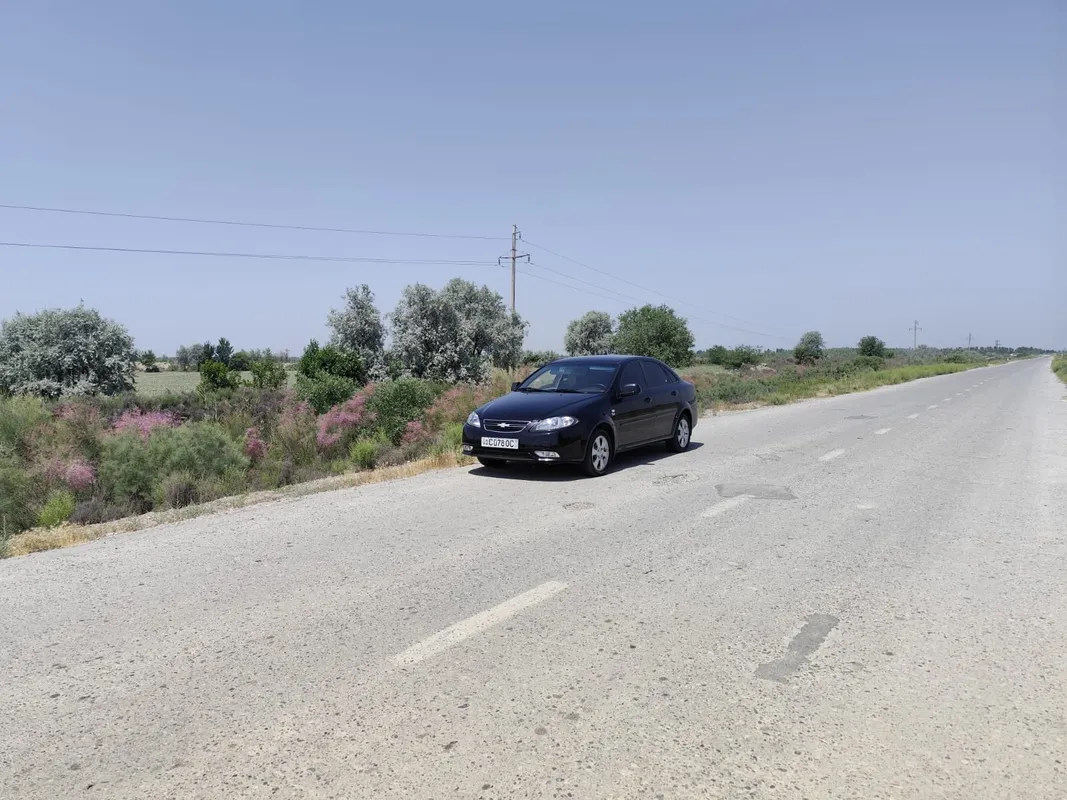

Chevrolet Spark in Uzbekistan
I rented a Chevrolet Spark in March 2025. No complaints about the service, the guys contacted me quickly, brought the car to the hotel, very convenient. The car was fine too, we had a great ride. I recommend the service.
Chevrolet Spark in Uzbekistan
Everything went fine, thanks for the service.
Chevrolet Captiva in Uzbekistan
Instead of an old Captiva, I was given a relatively new Equinox. I received the car at the address in Tashkent and handed it over at the airport. I drove over 2500 km in Uzbekistan, some roads in Khorezm and Karakalpakstan are really "not very good", but in general the roads in the country are normal, and in some places even excellent. There was a forced 3-hour stop on the highway in Kyzylkum (gasoline pump failed), but in the nearest workshop (right on the highway) after computer diagnostics they replaced it, and the company covered my repair costs (100 USD). Overall, the rental went well.
Chevrolet Cobalt in Uzbekistan
Thank you everything went well, drove 1500 km without any accidents

-
Pick the car for your route
A saloon handles Tashkent and the Samarkand motorway; an SUV makes sense for the Fergana Valley or the Aral region.
-
Book online at the full price
Each car page shows the total in USD, the deposit, the insurance level and the payment method — no hidden fees.
-
Collect at the airport
A manager meets you on your flight number at TAS or SKD; inspection and contract take 15–20 minutes.
Behind the wheel
Uzbekistan drives on the right with LHD cars, same as continental Europe. The one rule to memorise: at a roundabout, the entering car has priority over cars already on it. This is the opposite of EU and UK practice, and where European drivers most often slip up.
Speed and fines
Town: 50–70 km/h. Rural: 70–90. Motorway: 100–110. M39 cameras fine from +10 km/h. From 1 April 2026 a points system applies: 12 points equals a lost licence, and points are now logged for camera offences too.
Alcohol and fuel
Legal limit: 0.0% BAC. Any alcohol means a heavy fine and a 1.5–3-year ban. Many local cars are bi-fuel: petrol or methane (CNG). For long winter drives keep a petrol reserve, since methane stations run to a schedule in cold months. Fuel at larger stations is cashless only; a pre-paid card is sold on site.
A family on a Subaru Forester ran out of methane near Navoi in January last year. The pump on the route was closed for the season. Three hours lost before they found a petrol station that took cash.
Night driving and checkpoints
Don't drive between cities at night: villages are poorly lit and livestock or carts can appear without reflectors. At regional borders there are formal police posts. Passport, licence, you're moving on.
The roundabout rule clicks within a couple of laps. The M39 cameras run round the clock, so it's much less stress to stick to the signs than to pick up photo fines after you've flown home.
Silk Road routes
Most visitors who hire a car follow the classic Silk Road line: Tashkent → Samarkand → Bukhara → Khiva. By car the route reads differently than from the high-speed Afrosiyob train. You stop at roadside chaikhanas, detour to Shahrisabz or the reservoir near Samarkand, and you're not tied to a timetable.
Distances and driving time
- Tashkent → Samarkand: ~310 km, 4–6 hours. - Samarkand → Bukhara: ~280 km, around 4 hours. - Bukhara → Khiva: ~450 km across the Kyzylkum Desert, 6–8 hours.
The full Tashkent → Khiva run is around 1000 km one way; most travellers drop the car in Bukhara or Urgench and fly back to Tashkent. One-way drop-off on TakeCars adds 30–80 USD.
A couple from London took a Forester one-way in October, Tashkent to Urgench in seven days. They kept finding excuses to stop — a melon stand near Navoi, an empty caravanserai outside Bukhara. The pace was the point.
Where to start
The number-one entry point is the capital. Hiring in the capital is the easiest option — Islam Karimov International (TAS) hosts both the larger suppliers and the local hosts, the choice is widest and prices are lowest. If you fly into Samarkand (SKD) instead, you can pick up there too, though the catalogue is smaller.
The Bukhara to Khiva leg through the desert deserves something tougher than economy: the road is long, fuel stations are sparse and the air-con has to last all day.
Rates in Uzbekistan vary throughout the year depending on the season and the rental length in days.
- January
- February
- March
- April
- May
- June
- July
- August
- September
- October
- November
- December
- Jan
- Feb
- Mar
- Apr
- May
- Jun
- Jul
- Aug
- Sep
- Oct
- Nov
- Dec
 How expensive is renting a car in Uzbekistan: average daily rates for a one-week car rental, across all car classes. Delivery across Uzbekistan not included.
Frequently asked questions
Daily rates are around $25–35 for an economy car, $40–70 for a saloon, $70–150 for an SUV, and at least $250 for a premium car. Tashkent is usually the cheapest city because it has more competition, while the same cars may cost 5–15% more in Samarkand and Bukhara. April to May and September to October are the busiest periods, when prices rise by 10–20% and popular cars may be booked two to four weeks in advance.
Most suppliers prefer you to carry an International Driving Permit with your national licence. Uzbekistan recognises licences issued by countries that are parties to the 1968 Vienna Convention, but an IDP can make police checks and rental paperwork easier. Arrange it in the country that issued your licence before travelling.
Most Visa and Mastercard cards issued by European banks can be used for the online prepayment on TakeCars. Cash is still widely used in Uzbekistan, so carry some US dollars or Uzbek som for the deposit, fuel and small expenses. Cards are common in Tashkent but less consistently accepted outside the capital.
The deposit is usually $300–800, or the equivalent in Uzbek som, for an economy car and $500–1,500 for an SUV or premium car. It may be paid in cash or held on a card and is returned after the vehicle passes its return inspection. Some TakeCars suppliers offer no-deposit cars at a slightly higher daily rate.
Third-party liability insurance is included with almost every rental and covers damage you cause to others. Damage to the rental car is covered separately through Collision Damage Waiver. Most cars include basic CDW with an excess of $300–800, while Super CDW reduces or removes the excess. Check the exclusions and price before choosing the upgrade.
Local suppliers usually accept drivers from the age of 21–23 if they have at least one year of driving experience. International chains often set the minimum at 25 and require two years of experience. SUVs and premium cars generally require a minimum age of 25. A small number of TakeCars suppliers accept drivers from 18 and charge a young-driver fee.
No. Almost all rental agreements in Uzbekistan prohibit travel to Kazakhstan, Kyrgyzstan, Tajikistan, Turkmenistan and Afghanistan. Even when border paperwork could be arranged, the rental insurance would not normally remain valid outside Uzbekistan. Arrange a separate rental in each country.
The route is about 310 km via the M39 and usually takes four to six hours, including regional checkpoints and slower 50–60 km/h zones through villages. The road is in good condition and fuel stations are available at regular intervals. One-way drop-off in Samarkand is widely available for an additional fee.
Yes. With most local suppliers on TakeCars the deposit can be paid in cash (USD or som) or with a debit card. A credit card is mainly required by the international chains. For European travellers without a credit card, the local providers are the simpler option.
Self-drive rental is usually 40–50% cheaper and gives you more control over the route. A car with a driver costs around $50–100 per day, including the main expenses, and may be more comfortable for a first visit, a group or a complex multi-city itinerary. For one or two travellers who are comfortable driving locally, self-drive is often the more economical option.
Many local cars, particularly cheaper economy models, can run on both petrol and compressed natural gas. Methane is cheaper, but some stations have restricted winter schedules or may be temporarily closed. For a long winter journey, make sure there is petrol in the tank as a backup and ask the supplier to explain the fuel system when you collect the car.
Zero — 0.0% BAC. Any alcohol behind the wheel means a heavy fine and a 1.5–3-year licence ban. The limit is the same for locals and visitors and breath tests are routine at police posts. The safe rule is no drink at all on a day you plan to drive.
Don't move the car. Dial 102 for the police, photograph everything and call the supplier's 24/7 hotline (it is printed in your contract). Wait for the official report — without it the insurance cannot pay out. Settling on the spot in cash with the other driver is not allowed.
Yes. Many international chains and verified local suppliers on TakeCars offer one-way rentals along the Tashkent–Samarkand–Bukhara–Khiva/Urgench route. The fee is around $30–80, depending on the distance and supplier. This allows you to follow a Silk Road itinerary without driving back to Tashkent.
The most comfortable times are March to May and September to November, when temperatures are moderate. In summer, particularly in the south, temperatures may reach 45–50°C, so air conditioning and drinking water are essential. Winter can bring icy roads in the north and limited methane availability. Book two to four weeks ahead for the busiest months.