


Pickup


Return
🎁 Use code WELCOME3 during checkout to get discount on your first booking with us. Enjoy! ☀️

Car hire in Cyprus is less about convenience and more about freedom: you go where you want, when you want, instead of waiting for the next bus. The island is small — Larnaca to Paphos is around two hours, the furthest points at Polis or Mount Olympus sit within a three-hour drive. A car opens up the Troodos mountains and their wineries, the wild beaches of the Akamas peninsula, and the coves you'd otherwise never reach.
Cyprus is one of Europe's friendliest places to drive as a visitor. No toll roads, no vignette, third-party cover and basic CDW already in the price, Euro cash welcome everywhere. Pricing sits noticeably below mainland Europe: economy cars start near 26 USD/day in low season and rarely climb past 55 USD in high August.
Cyprus is a soft landing for hire-car drivers. A fine, a small scratch, a wrong turn — no one ends up alone with the problem. We walk you through it.
For British drivers there's an extra comfort: Cyprus drives on the left, same as home, and a UK photocard licence is accepted without an International Driving Permit. Continental visitors take a day or two to settle in.
A family from Manchester last June was met by flight number at Larnaca arrivals. Contract signed on the bonnet, keys in five minutes. The queue at the chain desks was still waiting for the shuttle.
Book four to six weeks ahead for summer and two to three weeks for low season — choice is broader, pricing kinder.
Driving on the island
For British and Irish drivers, the comfort is real: Cyprus drives on the left, like home. Continental visitors find it strange for the first hour, but most adapt within a day. Roundabouts run clockwise — give way to traffic already on them.
Right-hand drive takes minutes; the swap of indicators and wipers takes a little longer. Expect to wipe your windscreen the first time you mean to indicate. A small Cyprus initiation.
Larnaca is the gentler place to start — calmer traffic than central Limassol. Take the first hour easy, practise a few roundabouts and reverse parking, and the habit settles in by evening.
Terrain is the second thing to know. The Troodos massif covers a serious chunk of the island, and the road up to Mount Olympus is a proper mountain road: sharp bends, real altitude. If your itinerary includes the mountains, a diesel makes life easier on long climbs. Petrol is fine for beach stays and city-to-city runs on the flat.
Even seasoned drivers scuff alloys when they park from the unfamiliar side and try to tuck in too close to the kerb. Leave another twenty centimetres — the car thanks you for it.
The narrow streets of old Limassol and Paphos are their own story; wing mirrors are precious here. On a mountain descent, drop a gear and let the engine hold you back — pads overheat and lose their bite if you ride the brake all the way down.
Most tourists in Cyprus start their trip here
Prices and payment
In low season (November to March) economy cars start at around 26 USD per day. May and September strike the best balance of weather and price: 30–40 USD for a compact. In peak season (July and August) economy holds at 33–55 USD, and convertibles start near 145 USD per day with stock often booked weeks ahead. Two-week and longer hires usually attract a 30–40% discount on the daily rate.
Book a convertible at least a month ahead for summer. We physically run out by August, and the team starts ringing partners to find one stray car still on the books.
Payment is straightforward: a 15–20% deposit by card at booking, the balance in Euros on collection. Useful for anyone who'd rather not carry a large hold on their account.
Deposits are where local suppliers comfortably beat the international chains. Global chains hold 550–1650 USD on a named credit card; local partners ask for 110–330 USD, often in cash. A growing share of cars in our fleet require no deposit at all.
Car hire in Larnaca is the most cost-effective collection point: more rental companies, broader choice. Hire a car in Paphos if you're basing in the west and planning Akamas, Polis or the wineries.
All major UK and EU credit and debit cards work for the online deposit. On the island itself you'll mostly use Euros — keep some cash for parking meters, kiosks and the small village tavernas around Pissouri and Latchi that still prefer it.
A practical note on cash: every Bank of Cyprus ATM dispenses Euros without fuss, and most petrol stations on the motorway corridor accept contactless without a fuss either.


Nissan Serena in Cyprus
Everything was perfect. Thank you
Volkswagen Golf Cabrio in Cyprus
Everything went fine. Easy and convenient, without lengthy registration. At our request, the car was driven to the hotel and taken away from there. There could be no unpleasant surprises with payment. The car is normal, not very new, but ok. The service is very "home" - convenient in general.

Toyota Vitz in Cyprus
Car was delivered to airport Only downside was that we got flat tire 1hour after starting to drive and the car did not have a car jack inside to lift and change the tire But we managed to do it with help from locals And then we went to your office to change the car
Nissan Serena in Cyprus
We booked a Nissan Serena with this company online in advance and were worried about getting scammed. In the end everything was very good. The car was ordered for 7 seats and it turned out to be 8 seats we just needed for 8 people. We liked the Nissan very much, we even gave it our own name. "Mercedes BeNisan." It was roomy, everyone was comfortable and pleasant to drive. Next time we need to rent a car we will take this car.
Suzuki Swift in Cyprus
The car was old, but it didn't stop us from enjoying our vacation. The car was delivered to the hotel at the agreed time. It's very convenient that you can return the car at the airport. Thanks to the company for the promptness.

Toyota Yaris in Cyprus
It went great

Nissan Note in Cyprus
Everything was great.
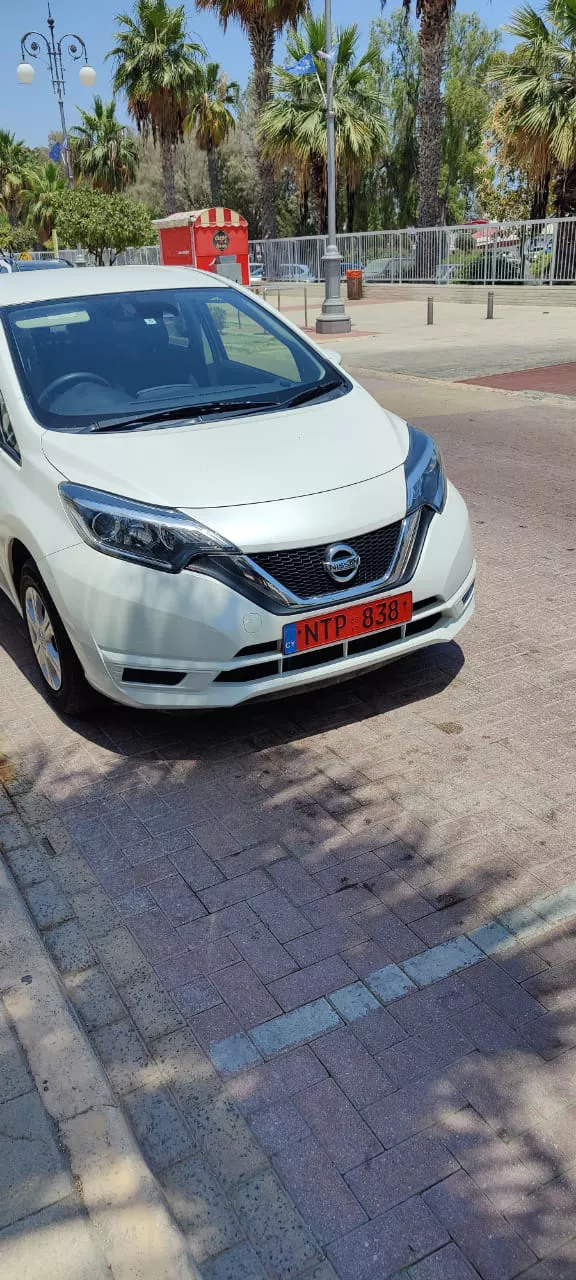

Chevrolet Spark in Cyprus
Everything went great!))) We were very pleased with the car! However, like the weather, and Cyprus)))
BMW E92 in Cyprus
Everything is super! Thank you for the car provided and the excellent service. I liked everything, the car is in good condition, no problems. Many thanks to Alik for the quality work. As soon as I return to Cyprus, I will only apply to this rental service. Thanks again! Recommend

Nissan Note in Cyprus
the car I rented wasn't a Nissan Note as they didn't have that one available but I got a different car and it was great 🤙
Nissan Note in Cyprus
Everything went well! The car was the same as announced, fresh, clean, with two child seats. There was a nuance, the car had a beating in the steering wheel when braking "
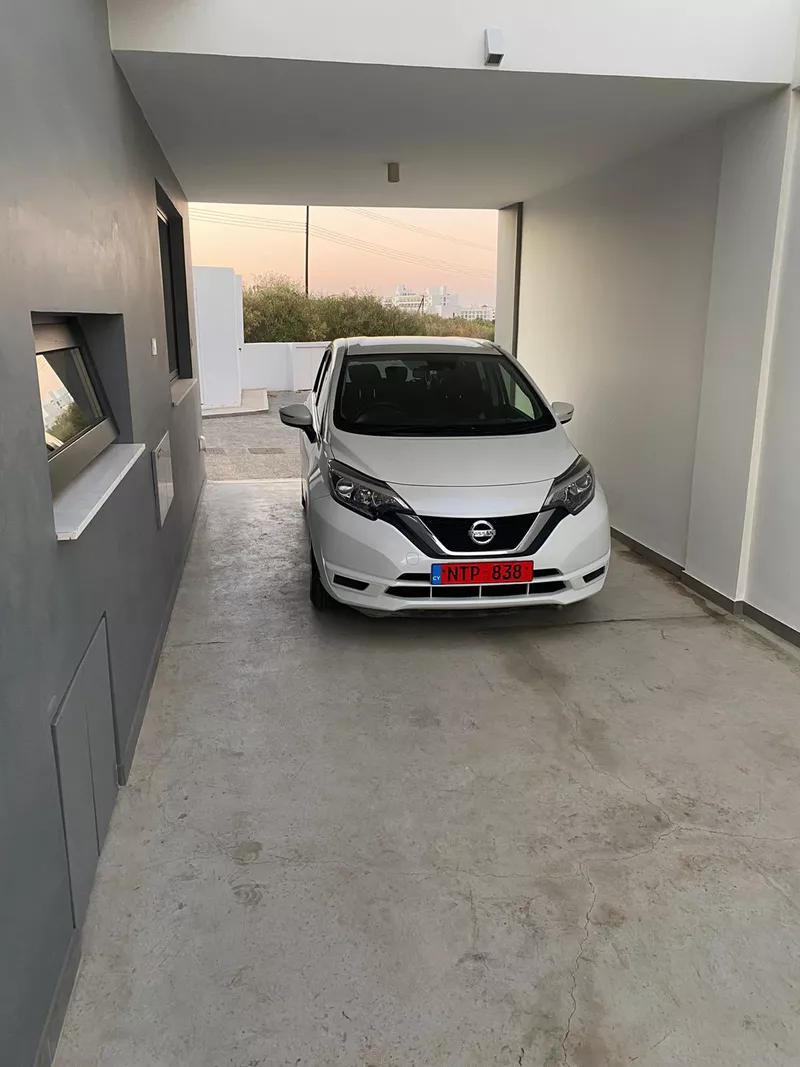
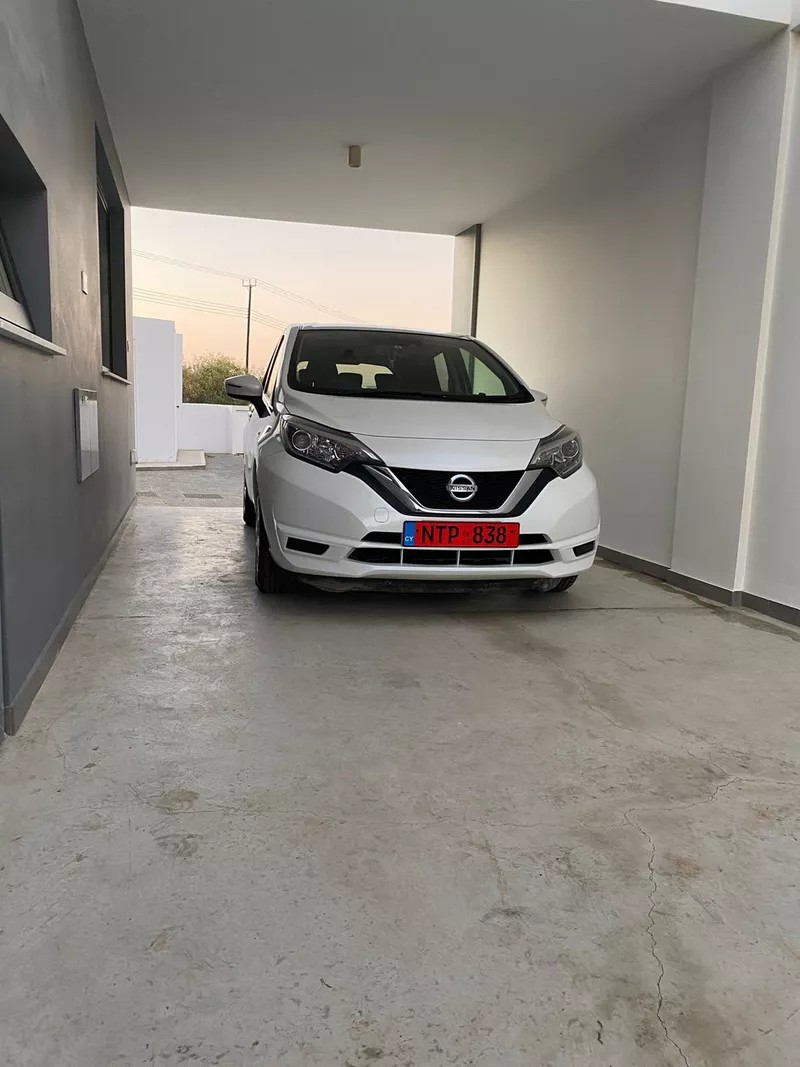

Honda Fit in Cyprus
Everything was great. Met very conveniently right at the central exit of the airport
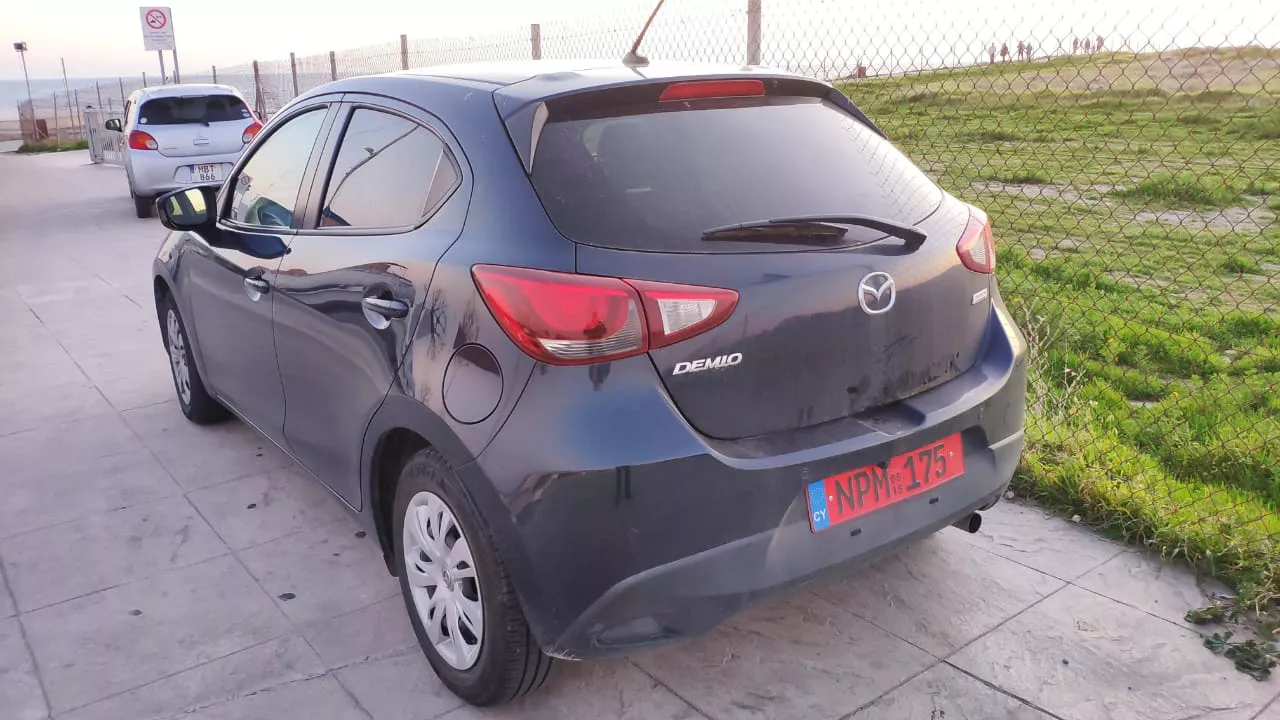
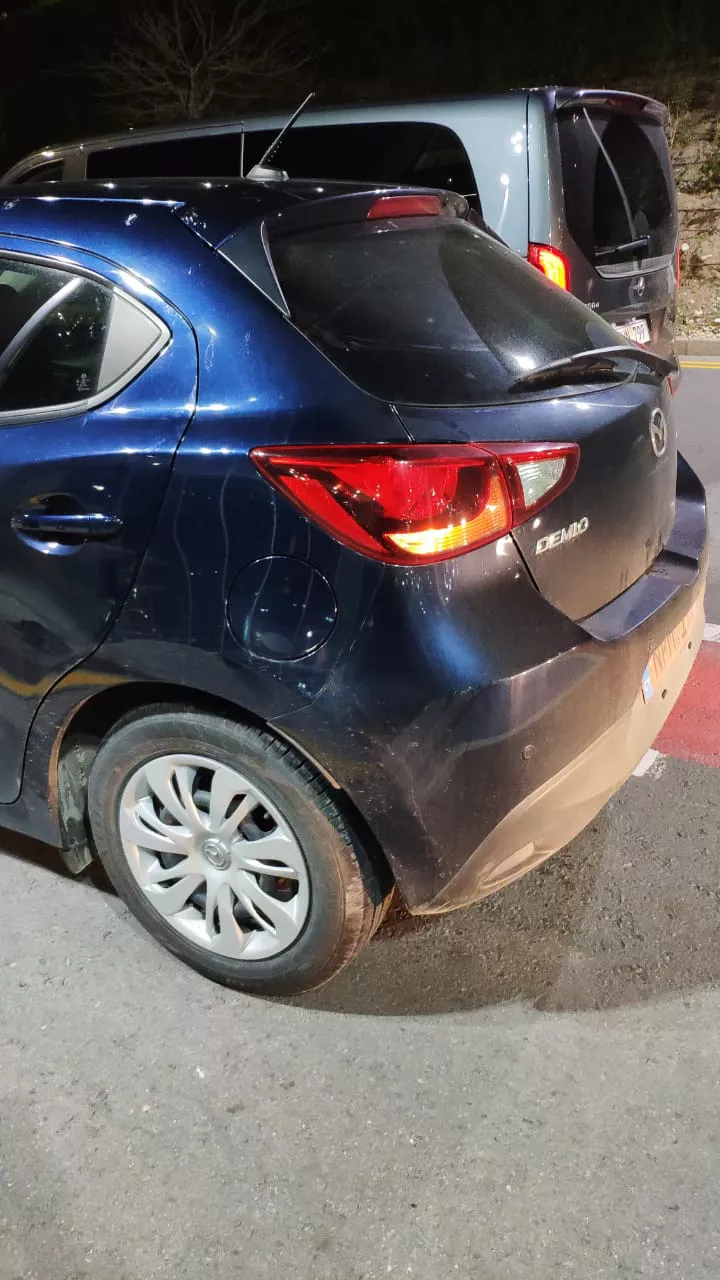
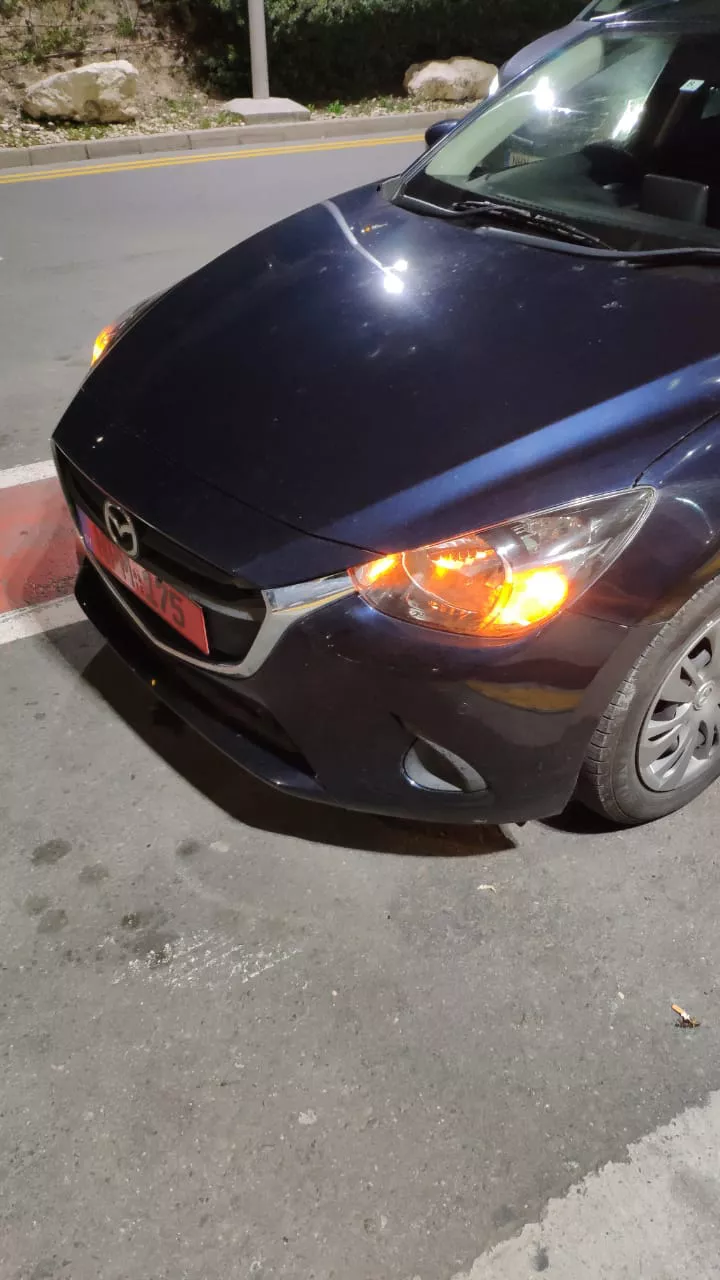

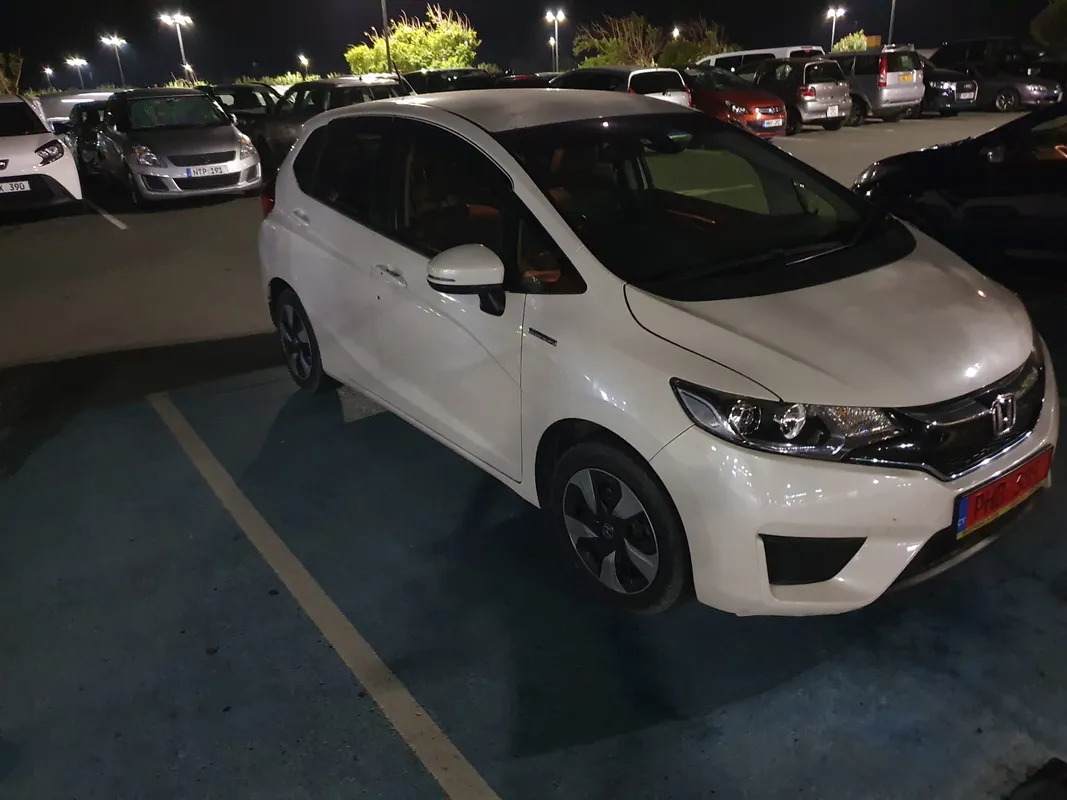
Honda Fit in Cyprus
everything went smooth and the car was comfortable to drive. Initially i reserved another car at localcarhires but wasnt available then i got redirecte to leo and offered me the honda for same price which was a perfect solution. For my next visit i would consider leo as well thank you

-
Met at the terminal by flight number
While other tourists queue for a shuttle to the rental desk, you've already signed the contract and taken the keys at the terminal exit.
-
Real photos and reviews on each car
Every vehicle's page shows it in genuine photographs and carries ratings from people who've actually driven that car.
-
No-deposit cars in the fleet
Many vehicles in our network require no deposit at all — the rest sit comfortably below the chains.
Documents, age, insurance
Licences accepted
UK photocard licences are accepted at every Cyprus rental — no IDP required, post-Brexit included. EU and EEA licences also work without an IDP. Licences in non-Latin scripts (Cyrillic, Arabic, Mandarin and similar) need an IDP alongside the original. You'll also need your passport with the entry stamp.
The rule on licences is simple: Latin characters and a valid expiry date. Anything else is folklore. UK and EU drivers don't need an International Permit for Cyprus.
Age and experience
Standard requirement is 25+ with two years' experience. Several partners take drivers from 21 with one year's experience for a young-driver fee of around 6 USD per day. Upper limit is usually 70–75.
Insurance basics
Every rental on Cyprus already includes third-party cover and standard CDW. Standard usually doesn't cover the windscreen, wheels, alloys, underbody or interior. Super CDW (zero excess) starts at 11–22 USD/day at the desk and is 20–40% cheaper online in advance. Full Cover adds windscreen, wheels and underbody.
A couple in Ayia Napa last August dented an alloy parking near Nissi Beach, then a passing van clipped the rear wing in the harbour car park. Full Cover handled both — they paid nothing.
If Troodos, the Akamas dirt tracks or any unsealed road sit on your itinerary, the upgrade pays for itself. A single stone in the windscreen costs more than the surcharge for the whole holiday.
Crossing to Northern Cyprus
The most common Cyprus-specific question: can you take a southern hire car to the north — to Kyrenia or Famagusta? Yes, with caveats.
Companies that allow it
Most rental companies prohibit crossing the Green Line — the southern policy doesn't apply in the TRNC. We work with partners who permit the crossing under a signed waiver. Tick the "cross-border" filter at booking.
One of our cross-border partners runs a sizeable fleet, including a Suzuki Jimny — a particularly good choice for the mountain roads around Kyrenia.
Insurance up north
Cypriot cover doesn't apply in the TRNC. You buy a Turkish policy at the checkpoint: about 22 USD for three days, 39 USD for a month, 77 USD for three months. Third parties only — damage to the car itself stays on the driver, so plan a calmer route.
Crossings to use
Six car checkpoints in total. The main one is Agios Dometios (Metehan) in Nicosia — the insurer's office is typically open 09:00–17:00. Others: Astromeritis, Dherynia, Limnitis, Strovilia. Ledra Street and Ledra Palace are pedestrian-only.
Bring your passport, the rental contract, and the vehicle log book. UK and EU passports usually clear the checkpoint in five to ten minutes — no special forms.
A practical itinerary: collect the car in Paphos, work through the west and Troodos, then take a day or two to the north via Nicosia. Car rental in Paphos is the logical start.
Rules, fines, parking, fuel
Speed and alcohol
50 km/h in town, 80 out of town, 100 on motorways; motorway minimum 65. Drink-drive limit 0.5 promille (0.2 with under three years' experience).
Cyprus motorways have a minimum speed too — going slower than 65 km/h risks a fine. The relaxed flow sits at 90–100 and no one rushes.
Cameras and quirks
Traffic-light cameras catch jumping the lights, stopping over the line, and phone-in-hand even in stationary traffic. Fine ~95 USD. Smoking with a passenger under 16, eating or drinking at the wheel — same 95 USD.
Parking
Blue zones (Finikoudes in Larnaca, Limassol marina, Paphos harbour) charge 1–2 USD/hour via meter, easyPark or SMS. Residential streets and most beaches are free. Double yellow — no stopping; fine 95 USD, city centres tow actively.
A yellow line isn't "I'll be a minute" — it's "no". In Limassol summer the tow truck moves quicker than your coffee order. Car hire in Limassol with a hotel that has its own car park is usually cheaper than the fines.
Fuel and accidents
Petrol 95 ~1.65 USD/litre, diesel ~1.60. Standard policy "full-to-full" — return as you got it, keep the receipt. Don't put petrol in a diesel (or the other way round) — the commonest tourist mistake on Cyprus.
On any accident, even a light scrape, call 112 and wait for the police. Without a police report your CDW won't apply and the bill comes out of your own pocket.
Rates in Cyprus vary throughout the year depending on the season and the rental length in days.
- January
- February
- March
- April
- May
- June
- July
- August
- September
- October
- November
- December
- Jan
- Feb
- Mar
- Apr
- May
- Jun
- Jul
- Aug
- Sep
- Oct
- Nov
- Dec
 How expensive is renting a car in Cyprus: average daily rates for a one-week car rental, across all car classes. Delivery across Cyprus not included.
Frequently asked questions
Yes, but only with companies that explicitly allow crossing the Green Line. Our fleet includes such partners — tick the "cross-border" filter at booking. At the checkpoint (Agios Dometios/Metehan or another vehicle crossing) you'll buy a Turkish third-party policy of around 22 USD for three days. Cypriot insurance doesn't apply in the TRNC, so plan a sensible, unhurried route on the north side.
No, if your licence is in Latin script. UK photocard licences are accepted in Cyprus without an IDP — yes, even after Brexit. EU and EEA licences likewise. Drivers with licences in non-Latin scripts (Greek, Cyrillic, Arabic, Mandarin and similar) need an IDP alongside the original. Your passport with an entry stamp is required either way.
The standard is 25 with two years' experience — set by the insurers. Several of our partners accept drivers from 21 with one year's experience for a young-driver fee of around 6 USD per day. The upper age limit is usually 70–75 depending on the supplier. If you're outside the standard band, mention it at booking and we'll match the right car.
Yes. A growing share of our partners offer cars with no deposit at all — including compact hatchbacks and even a Suzuki Jimny for the mountains. The "no-deposit" tariff usually has Full Cover already built in, so it's a touch dearer than the basic rate but removes any hold on your card. A neat option for debit-card travellers or anyone who'd rather pay cash.
The standard package usually excludes the windscreen, wheels, alloys, underbody, interior, mirrors and lost keys. It also won't apply if you've driven on unsealed roads, or if you've been drinking. For Troodos, Akamas or simple peace of mind, take Super CDW or Full Cover — the upgrade closes all those gaps in one go.
Larnaca is the busier hub with the wider choice and lower starting prices — it's the island's main airport and most rental companies are based there. Paphos is typically 10–15% cheaper for the same model but with a smaller fleet. If you're staying west — Polis, Akamas, the wineries — Paphos is the easier start. For Ayia Napa or Protaras pick Larnaca.
Yes — one-way between Larnaca and Paphos is offered by most partners with a fee of around 27–66 USD depending on the model. A common pattern: collect at Larnaca on arrival, tour the island, drop off at Paphos before flying home. Book the one-way at the time of reservation — in peak season the option is sometimes capped on specific cars.
For a serious itinerary in the mountains, choose diesel: it pulls better on long climbs and is more economical at altitude. Petrol is fine for beach stays and city-to-city runs on the flat. On the island diesel is most common in mid-size and larger cars; the economy class is mostly petrol. You can filter by fuel type on the site before booking.
With local partners, the deposit comes back the moment you hand the car in — in cash if it was paid in cash, or as a release of the card hold. International chains release the hold within 7 to 30 working days, depending on your bank. Keep the return paperwork and a few photos of the car at hand-back — it covers most disputes if any arise.
Around 95 USD plus penalty points. Traffic-light cameras catch the offence even when you're stopped in traffic — most tourists only find out via the receipt. The simple, cheap fix is a magnetic or vacuum mount for 11–22 USD. The same fine applies for eating or drinking at the wheel — a surprise to many visitors and well worth knowing in advance.
Cypriot law doesn't require winter tyres — there are no fixed seasonal dates. Snow chains can be useful for the climb up to the Troodos ski resort in January and February: heavy snowfall sometimes closes the upper road temporarily. If Mount Olympus is on your January itinerary, ask for chains at booking — most partners hand them out free of charge.
About 22 USD for three days, 39 USD for a month, and 77 USD for three months — that's the Turkish third-party policy for a hire car, bought directly at the checkpoint (Agios Dometios or another vehicle crossing). It covers third parties only; damage to the car itself in the TRNC stays on the driver, so the rule of thumb is to drive gently in the north.
Call 112 — the police are required to attend even minor incidents. Don't move the car until they and the insurer's assessor have photographed it. Take your own photos, notify the rental company within 24 hours, and don't sign anything you can't read or have not had translated. Without a police report your CDW won't pay out on Cyprus.
Most rental contracts ban it outright. Cypriot law also fines you around 95 USD for smoking in a vehicle carrying a passenger under 16. Breach the contract clause and the supplier will usually charge a 55–165 USD valeting fee. Pets normally need separate clearance from the supplier ahead of collection — best to flag in the booking.
No. Cyprus has no toll roads and no vignette to buy. The motorway network — A1 to A9, linking Paphos, Limassol, Larnaca, Nicosia and Ayia Napa — is free for everyone. It's one of the few EU members without road tolls of any kind, in welcome contrast to Austria, Slovenia, Croatia, France or Italy.