


Pickup


Return
🎁 Use code WELCOME3 during checkout to get discount on your first booking with us. Enjoy! ☀️

Car rental in the UAE is the easiest way to actually see the country. Distances between emirates are short, motorways are wide and modern, fuel costs around $0.82 per litre, and the fleet stays fresh: by local law, hire cars can't be older than five years, and many guests collect a vehicle with under 1,000 km on the clock.
We run about 200 cars in the UAE through a small circle of local partners we've worked with for years. Not a faceless call centre — real people on the ground who hand you the keys. Every car carries reviews collected after each rental, published unedited.
A couple from Manchester landed at DXB last December and met our host by flight number. Contract signed at the terminal kerb in five minutes, on their way to the hotel before the queue for the rental shuttle had even moved.
Most guests are families with young children, business travellers on short trips and couples on honeymoon. There's a fitting car for every scenario: economy hatchbacks, seven-seat people carriers, convertibles, and SUVs for those Burj Khalifa photos.
We deliberately don't work with everyone here — only with partners who either skip the deposit altogether or refund it quickly and without surprises.
European cards, contactless payments and cash all work, deposit-free options are available, and your TakeCars manager stays in touch through the whole trip.
Where to collect the car
Four airports handle almost all of our incoming traffic. Dubai has two — Dubai International (DXB) and Al Maktoum (DWC) in the south. The capital has Abu Dhabi (AUH). Up north, Sharjah (SHJ) is Air Arabia's home base. We have direct partners at DXB and DWC, so the car comes to the terminal exit — no shuttle buses, no walking around remote car parks.
When a guest lands at DXB, we're usually in touch before the plane taxies to the gate. By the time they walk out of arrivals, the car is at the right door.
For AUH and SHJ the car is usually driven down from Dubai. The journey takes around two and a half hours, and delivery costs roughly $95 one way. On longer rentals this saves time: returning the vehicle in Dubai is more flexible than tying yourself to office hours in another emirate.
If you only plan to drive within one city, browse the local listings: Car hire in Dubai, Rent a car in Abu Dhabi, Car rental in Sharjah or Hire a car in Ras Al Khaimah — each lists cars handed over locally.
In high season a guest booked a 9pm collection. Their flight slid to 11pm and the office had shut. Now we set buffers — if the booking is 11:00, set 10:00.
Delivery is also possible outside the airports — to your hotel or apartment. That works well for late-night arrivals when the last thing you want is paperwork at a desk.
Most tourists in the UAE start their trip here
Prices, seasons and mileage
The UAE has a clear seasonal pattern, and prices move with it. Low season runs April to August: temperatures often above 40 °C, fewer tourists, cheaper rentals. High season is September to March, with the real peak in December–February and during the Dubai Shopping Festival.
In low season an economy car (Nissan Sunny, Mitsubishi Attrage, Hyundai i10) starts from $8 a day, mid-size (Hyundai Creta, Elantra) from $20, seven-seat people carriers from $33, and proper luxury (Cadillac Escalade, Mercedes G63) from $165. In high season the same economy cars start at $20, mid-size at $33, seven-seaters at $45 and luxury at $220–250.
For a short trip — airport, hotel, shopping mall — an economy car does the job perfectly. New, air-conditioned, automatic, no surprises.
One UAE-specific point — the daily mileage limit. Most partners include 250 km per day, which covers typical trips with room to spare. Anything beyond costs around $0.55–0.80 per kilometre. Mileage adds up: a ten-day booking gives you 2,500 km.
A guest collected a white Creta in March with 412 km on the clock and asked if we'd just driven it off the showroom floor. Yes, that happens often.
In high season, book one to two months ahead, especially around Christmas and New Year. In low season, last-minute deals are common — the fleet often sits idle.

Hyundai Elantra in the UAE
I really liked the service! Interaction prompt, car clean, nice, comfortable. Beautiful In one piece, no damage. Thank you for the upgrade! I will recommend to my friends The only thing is that there are some difficulties with connecting bluetooth devices. I had to wait a very long time for the function to become active. That is, you go to the menu, nothing works. Unlocked in about 30 minutes. And so twice, if you need to connect a new device.
Nissan Kicks in the UAE
The rental itself went well, thank you!

Mitsubishi Attrage in the UAE
In general, everything is fine. On the downside, the car was not a Mitsubishi Attrage, but a Nissan Synny. And I also had to replace the first car - the rear view camera did not work. Otherwise, everything is fine.

Ford Mustang GT in the UAE
Everything went well and on a friendly vibe, the car was great, Ildar was very helpful with questions about the car and Dubai in general 👍🏼. I would add a moment for the future to explain how to use the parking app, for example RTA Dubai. Everything is great in steel 🙌🏼
Mitsubishi Attrage in the UAE
Wonderful service! Amazing car! . The only problem was to find the solution to pay toll-free roads one month later from Russia as no cards are accepted abroad.


Nissan Sentra in the UAE
everything was just as it should be.

Nissan Sunny in the UAE
Thank you! Everything went well. Happy with the service
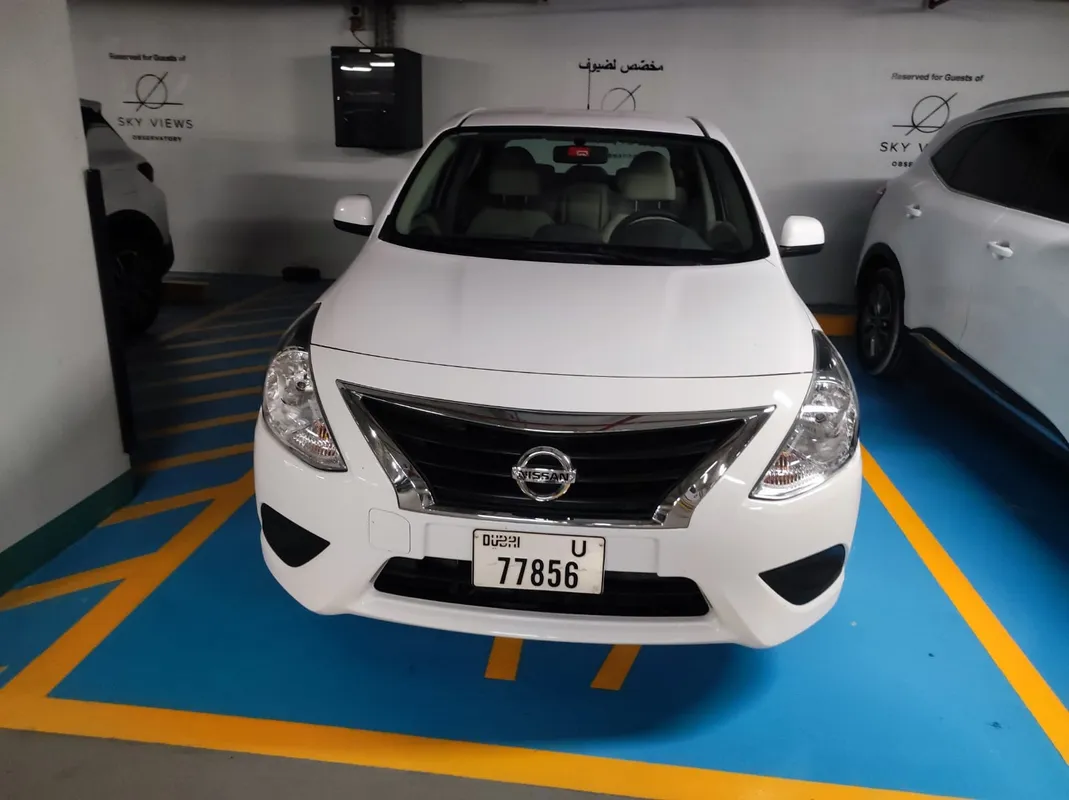
Chevrolet Tahoe in the UAE
Everything went great. We went on an unforgettable trip in that car. I was satisfied. Thank you.
Nissan Kicks in the UAE
Everything went well. The car was delivered an hour late, picked up 6 hours late due to flooding. The car is in good condition
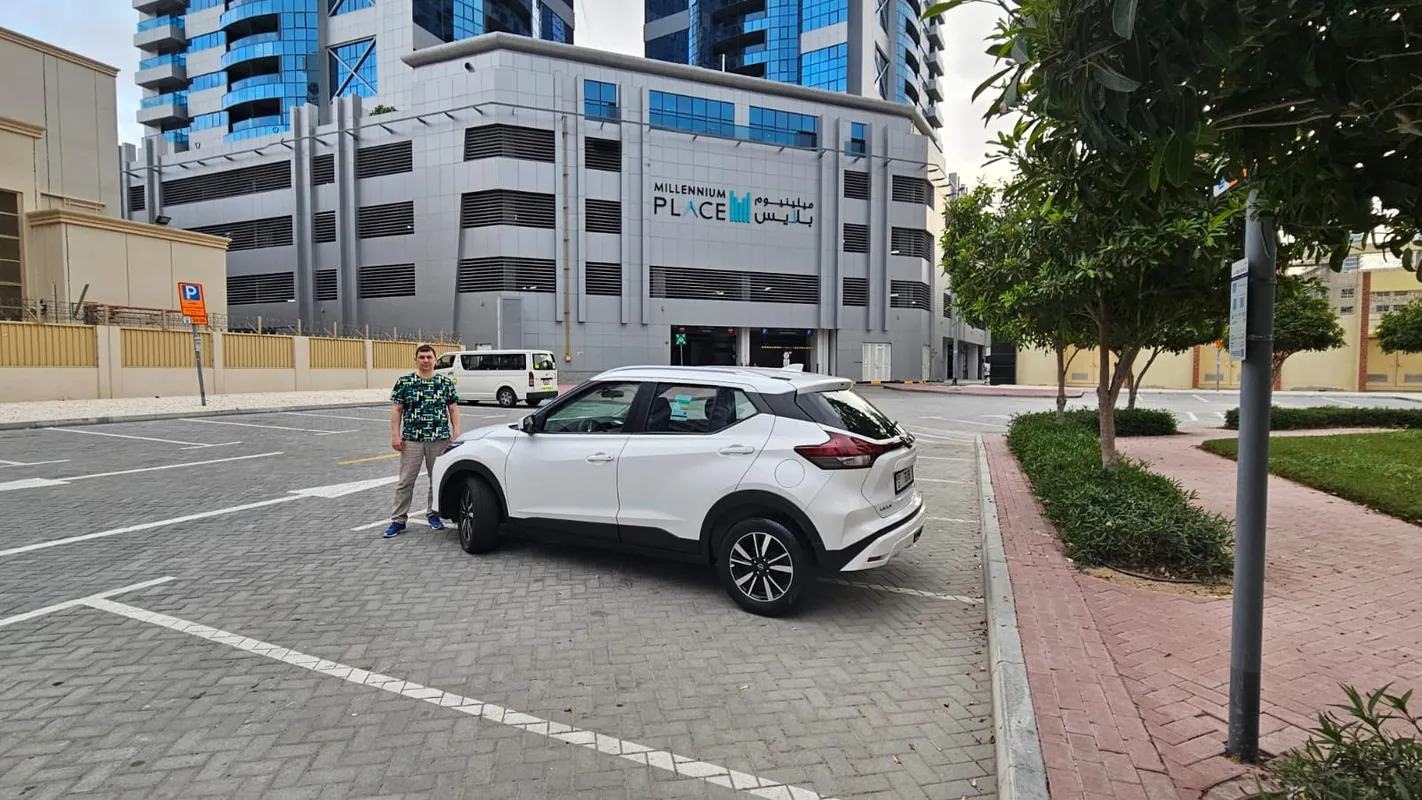

JAC JS4 in the UAE
The car was replaced by another car of the same class - a Nissan. I was unfortunately not met at the airport. I called the phone numbers from the application and after I got in touch with the lessors I met them at the parking lot at the airport, paid for parking and used the car. The car is in good condition, no complaints. When handing over the car I was told that the car had to be washed, and the amount of washing would be deducted from my deposit. I was surprised - the car was in the dust, there was no serious pollution (but maybe I was inattentive and it really should have been done by me). The deposit would be returned to me in 21 days after the car was handed over, as I was told by the representative at the airport, minus the car wash. They informed me that they will return it by transfer to my card in rubles. I am looking forward to it

Chevrolet Spark in the UAE
Everything went perfectly. The car was given out quickly, there are no complaints about the car itself, I drove it for a day and gave it back in the evening without any problems.
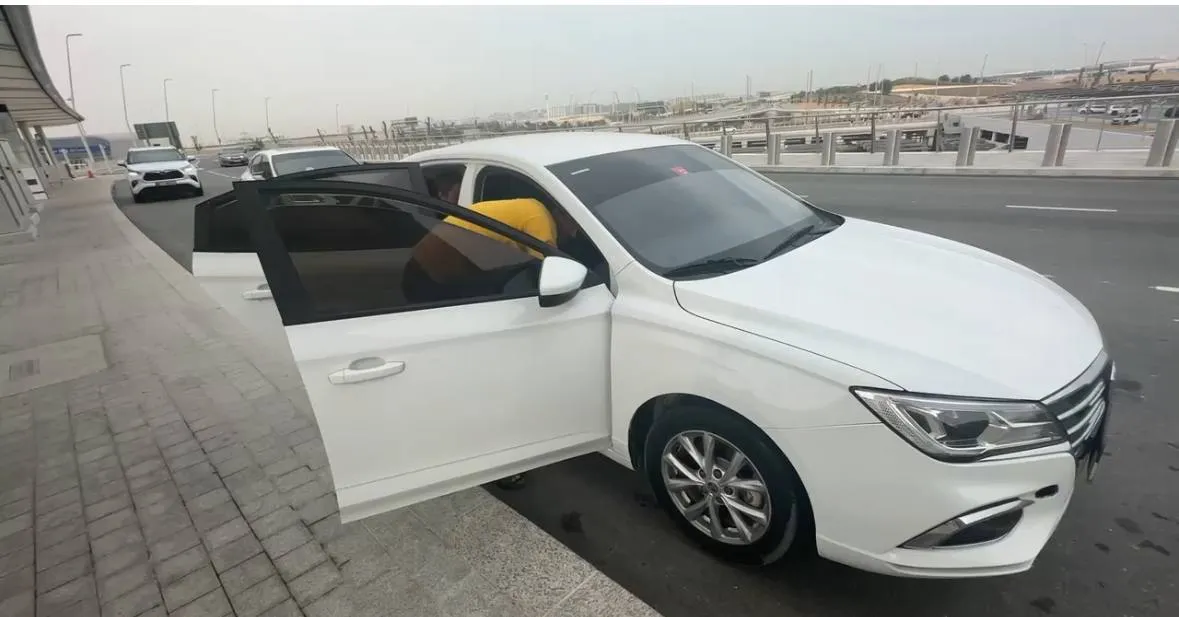
Nissan Sunny in the UAE
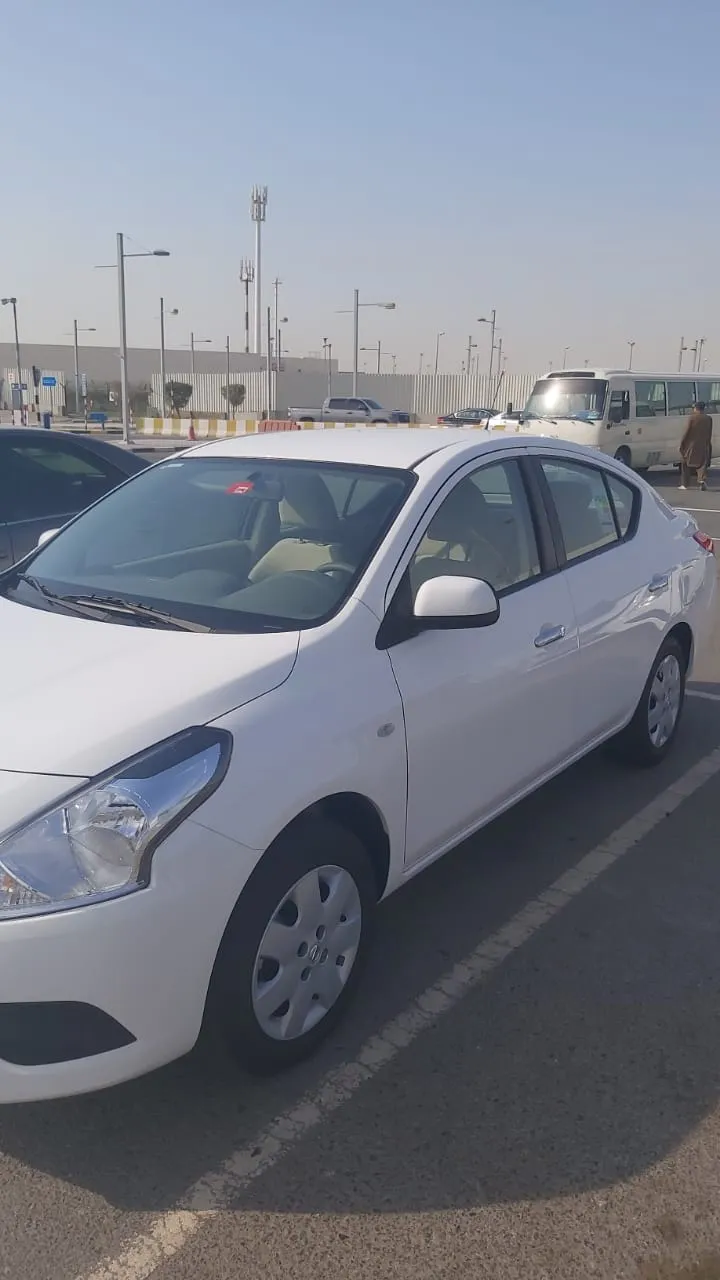
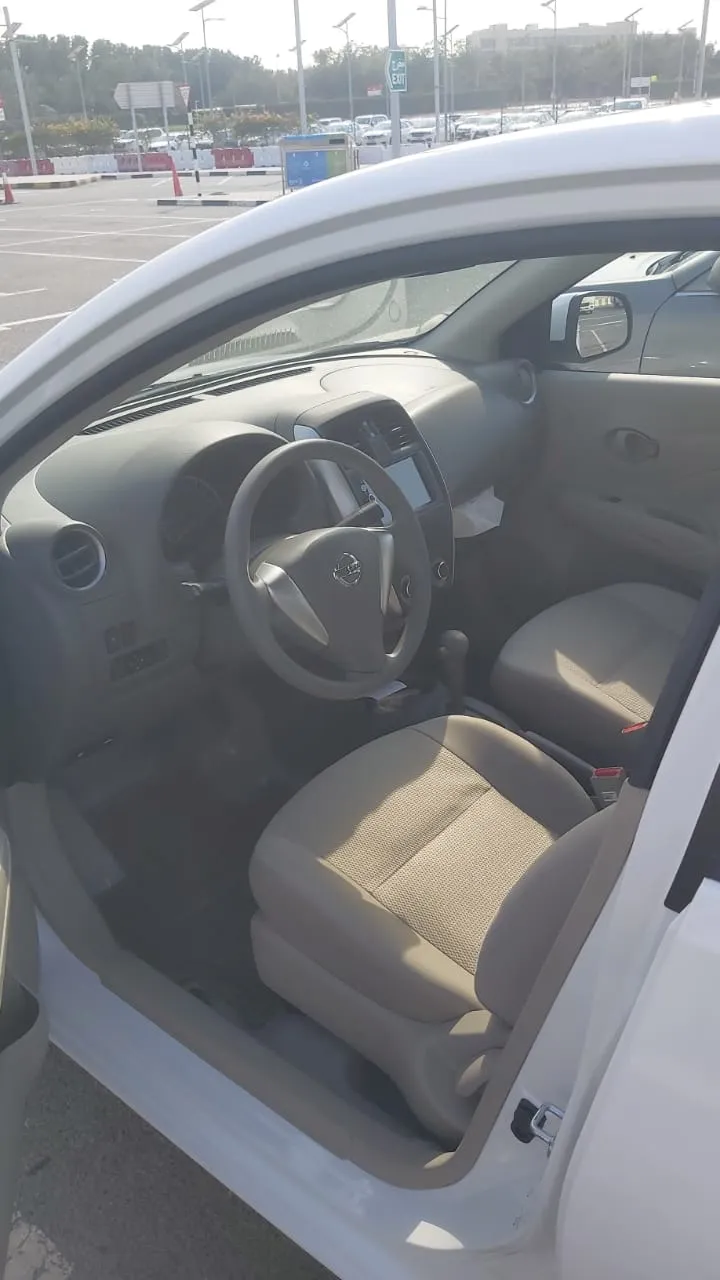
Rented a Nissan Sunny car for 8 days with collection and return at Sharjah airport. Upon arrival, the tenant's representative was waiting for me in the parking lot of Sharjah airport. Within 10 minutes the rent was issued and I went to the hotel. The car was provided brand new with a mileage of 4 88 km. (issue 2022). Salon is not smoky, everything worked perfectly. During the lease I drove about 1500 km. (according to the contract no more than 250 km per day). Before returning the car, I washed it at a car wash at a gas station - the full complex cost 20 dirhams. I returned the car to Sharjah Airport, where I received it. Paid for the use of toll roads 31.5 dirhams. I liked everything very much. I advise.
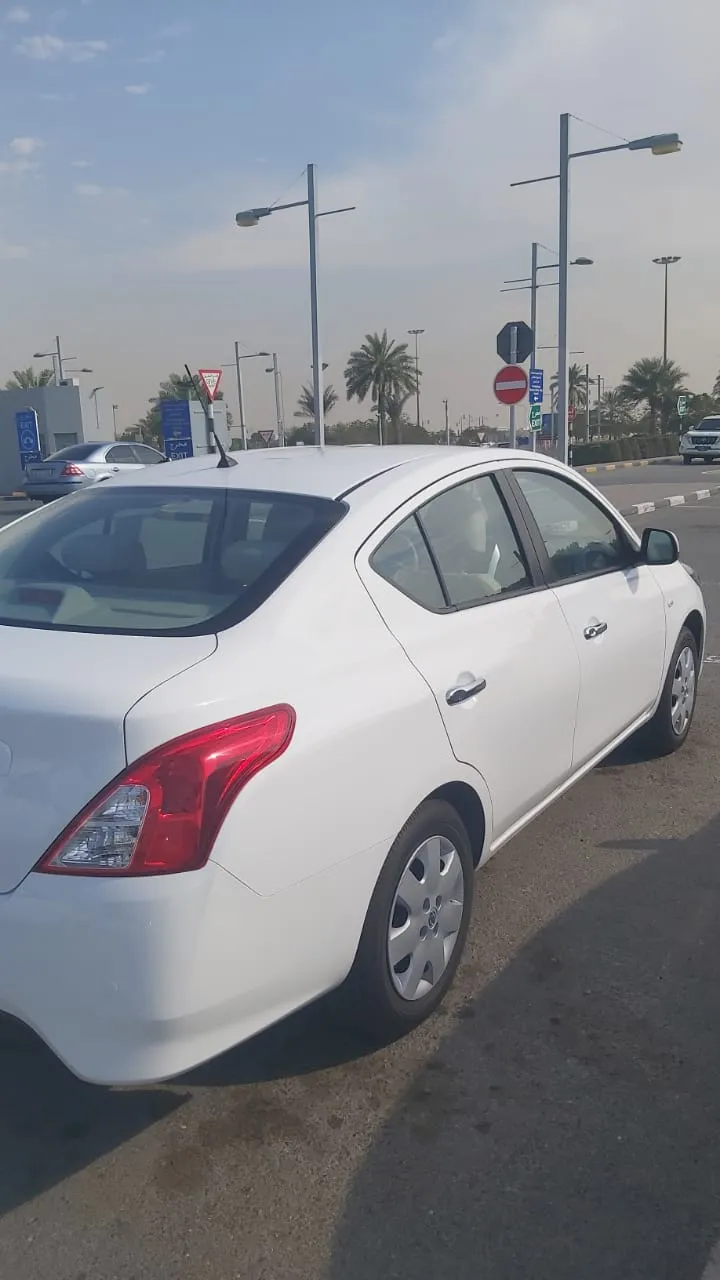

Mazda CX-5 in the UAE
In general, everything went well, the car was provided on time, in good condition

-
Deposit-free or low-deposit options
Some partners don't block any money at all; others accept a small deposit in cash on arrival.
-
Real reviews under every car
Feedback is collected after every rental and published unedited, so the rating is visible at the booking stage.
-
Transparent pricing, no hidden fees
What you see in the breakdown is what you pay — no surprise charges added at the desk.
Documents, payment and deposit
UAE rental rules are strict but transparent. Sort documents and payment in advance and handover is smooth.
Documents you need
Your passport, your domestic driving licence and, in most cases, an International Driving Permit (IDP). EU/UK, US, Canadian, Australian and New Zealand licences are accepted by some partners, but an IDP removes any doubt. UAE residents also need an Emirates ID.
A guest from Edinburgh swore he'd hired a car here ten times without an IDP. Rules tighten — today most partners won't hand over keys without it.
How to pay
Visa, Mastercard and American Express all work, along with contactless payments and cash in US dollars or dirhams. Paying the rental in cash on arrival is often the cleanest option — clearer rate, no card-decline risk.
Pick a deposit-free tariff and pay in dirhams at handover. Simplest setup for visitors from anywhere in Europe.
Deposit
Three options: no deposit at all, a flat sum from around $190 in cash or by transfer, or a card pre-authorisation. Card holds are released within ~25 days of return.
Age and experience
Economy and mid-size cars are released from age 21 with one year on the licence. Premium and luxury need 25+ and five to six years driving — a condition set by insurers, not by us.
Roads, speed limits and tolls
The UAE has world-class roads and equally world-class enforcement. Cameras are everywhere and fines are issued automatically — but drive sensibly and none of it touches you.
Speed limits
Cities run at 60–80 km/h, motorways at 100–140, and parts of Sheikh Zayed Road allow 160 km/h — the highest legal limit in the world. Cameras flag the actual speed, with no generous tolerance built in.
Sheikh Zayed Road is less a motorway and more an airport runway. You sit comfortably at 140 and people still overtake you. That's the normal flow.
Alcohol and phones
The blood alcohol limit is 0.0 — nobody drinks behind the wheel here. Using a phone without hands-free is a fixed fine from around $27. Cameras cover cities and rural roads alike.
Salik and Darb tolls
These are electronic toll gantries — Salik in Dubai, Darb in Abu Dhabi. There are no barriers: you drive through at speed, the camera reads the plate and $1 (4 AED) is debited from the rental account. Expect $8–25 a week depending on your route.
A family from Bristol drove the Dubai–Abu Dhabi run twice in three days and racked up $14 in tolls. The charges settled quietly in the background.
Fines and tolls after the trip
If a fine or Salik charge catches up with you after you have flown home, the partner emails the exact amount and a payment link. Standard European cards work — settled online in a couple of minutes.
Routes, parking and what to know on the road
Renting a car in the UAE lets you cover several emirates in one trip rather than relying on coach excursions.
Freedom of movement
You are free to drive anywhere in the country, as long as you stay on tarmac.
A couple covered Abu Dhabi, Sharjah and Ajman in a single weekend — distances are short and the roads are empty if you pick the right time of day.
Top day trips
Dubai → Abu Dhabi: 140 km, 1.5 hours along Sheikh Zayed Road. Dubai → Hatta: mountain enclave with a kayaking lake, ~1.5 hours. Dubai → Jebel Jais in Ras Al Khaimah: the UAE's highest peak (1,934 m) and the world's longest zipline, ~1 h 45 min. A neat one-week plan — two days in Dubai, one in Abu Dhabi, one in Sharjah and a final stop in Ras Al Khaimah.
Desert and safari
Off-road driving in a hire car is not allowed, even in 4x4s. For a desert safari, book a dedicated tour with an experienced driver — safer, and usually a better photo set.
Immaculate motorways meet real dunes within an hour of the centre. You just need to go there with people who specialise in it.
Parking and the heat
Dubai has plenty of paid zones — Dubai Mall bails you out: free up to four hours, 7,000+ spaces. Abu Dhabi uses Mawaqif: $0.50–1/hour, free on Fridays and holidays. In summer, skip the black cars: the cabin turns into an oven after two hours in the sun.
Rates in the UAE vary throughout the year depending on the season and the rental length in days.
- January
- February
- March
- April
- May
- June
- July
- August
- September
- October
- November
- December
- Jan
- Feb
- Mar
- Apr
- May
- Jun
- Jul
- Aug
- Sep
- Oct
- Nov
- Dec
 How expensive is renting a car in the UAE: average daily rates for a one-week car rental, across all car classes. Delivery across UAE not included.
Frequently asked questions about car hire in the UAE
With some of our UAE partners no deposit is taken at all — neither blocked on a card nor in cash. Others charge a flat sum from around $190 in cash or by transfer, or hold a standard amount on a credit card. Card pre-authorisations are usually released within 25 days after the car is returned.
All major European cards work: Visa, Mastercard and American Express, plus contactless. Cash is also accepted in US dollars or dirhams. After the trip, online payment links for fines and tolls take the same cards — no need for cash visits or wire transfers from abroad.
Most partners ask for an IDP alongside your domestic licence, even if you hold an EU/UK or US one. Bring both in paper form and carry them with your passport in the car at all times — police checks do happen on the major routes.
Economy and mid-size cars are released from 21 with one year of licence experience. Premium, sports and luxury vehicles usually require age 25+ and five to six years on the road. These age limits come from the insurance providers, not the rental companies.
Most UAE partners include 250 km per day. The allowance accumulates across the booking: a ten-day rental gives you 2,500 km on the clock. Beyond the limit you pay around $0.55–0.80 per kilometre. For typical sightseeing inside the country, the standard allowance is more than enough.
Salik is the electronic toll system in Dubai — no barriers, just gantries with cameras. Each crossing costs $1 (4 AED) and is automatically debited from the rental account. Abu Dhabi runs an equivalent system called Darb. You see all charges and settle them either at car return or via an email link.
If a fine or Salik charge arrives after you have flown home, the partner emails you the exact amount and a payment link. The link accepts standard European cards: Visa, Mastercard and Amex. No queues, no offices, no follow-up phone calls — settled online in a few minutes.
Yes — you are free to drive anywhere in the country as long as you stay on tarmac. Dubai and Abu Dhabi are linked by Sheikh Zayed Road, around 1.5 hours apart. Sharjah and Ajman are 30–60 minutes from Dubai. Watch for Salik gantries and Darb tolls during peak hours.
Most UAE rental partners do not allow cross-border travel into Oman or Saudi Arabia: the insurance does not extend across the border. If you want to add Oman to the trip, the practical option is to drive to the border crossing, leave the UAE car there and pick up a separate rental on the Oman side.
No — off-road driving and dunes are not covered by insurance, even on 4x4 vehicles. For a proper desert safari in Liwa or around Dubai, book a dedicated tour with a prepared vehicle and an experienced driver. It is safer and usually has a stronger programme than driving solo.
Prices are lowest from April to August: fewer tourists, temperatures above 40 °C and a fleet that often sits unused. High season runs September to March, with the peak around December–February and the Dubai Shopping Festival. Book one to two months ahead for school holidays; off-season last-minute deals are common.
A child seat is required for children under four, and the front seat is off limits to anyone under ten. Seat hire is roughly $8–14 per day, with boosters slightly cheaper. Mention your child's age and height when booking so the partner has the right model ready at handover.
Yes — one-way rentals between DXB, AUH, SHJ and Ras Al Khaimah are available. The fee is around $30–80 depending on the leg, which usually pays off if your inbound and outbound airports are different. Some tariffs include the option for free, so always confirm at booking.
Card pre-authorisations are typically released within 25 days of the rental ending. Cash or transfer deposits come back the same way they arrived. Every charge — Salik, fines, fees — is shown transparently before any money moves, so there are no unexpected deductions.
Just message the manager and we will adjust the handover time without penalty. The standard practice is to shift collection to your new arrival time or, on bigger changes, recalculate the price. The same applies to your outbound flight: returning the car early means no charge for the unused hours.