


Pickup


Return
🎁 Use code WELCOME3 during checkout to get a discount on your first booking with us. Enjoy! ☀️

Car hire in Abu Dhabi is about long distances and comfort. The capital is a chain of islands linked by wide motorways, and the highlights are scattered: Sheikh Zayed Mosque on one island, Yas theme parks on another, the Louvre on a third. Without a car the day turns into a coach tour; with one it turns into freedom.
We have fewer ground partners in Abu Dhabi than in Dubai, so most cars are driven down from Dubai — about 2.5 hours, ~$95 one way. The cars themselves are the same as elsewhere in the country: vetted, with real reviews and no hidden fees.
A couple from Manchester worked it out on day two: one taxi loop via Sheikh Zayed Mosque and Yas Island already cost more than the day's economy rental sitting in the hotel car park.
The golden rule for handover here is to leave a buffer on the road from Dubai. An hour and a half is the norm; two and a half is the reality on the E11 in peak traffic, especially Thursday evenings back from the weekend.
Prices, deposit and payment
Abu Dhabi is slightly pricier than Dubai — the rental market is narrower. And on the F1 weekend prices can double.
How much does it cost
In low season an economy car starts at ~$19 (~70 AED), compact $30–55, mid-size SUV $55–122, premium and luxury $190–820 a day. Weekly and monthly tariffs cut the per-day rate by 20–40%. If you plan a few days near the Louvre or on Saadiyat, a long booking is noticeably cheaper.
A guest who tried to book a Yaris three weeks before the Grand Prix found the same car at double the price and grabbed a compact in Dubai instead. For the first weekend of December, lock the car in two or three months out.
Deposit and payment
The deposit is the standard UAE setup: 1,500–3,000 AED for economy, 3,000–10,000 AED for SUV and premium, released within 2–30 days. Under the 2024 rule the partner must release the hold within 30 days. No credit card is no problem — partners accept debit or cash, sometimes with a service fee of around 5%.
All the main international cards work for the booking — Visa, Mastercard, Amex. On the ground, paying in dirhams in cash tends to be cleaner: a fairer rate, and no card-decline risk at the handover desk.

Kia Picanto in the UAE
Everything went well, thank you for your work

Mercedes-Benz GLC300 in the UAE
Everything went great, all expectations were met!
Dodge Challenger in the UAE
everything went great.
Chevrolet Camaro Cabrio in the UAE
everything went great.
MG 5/GT in the UAE
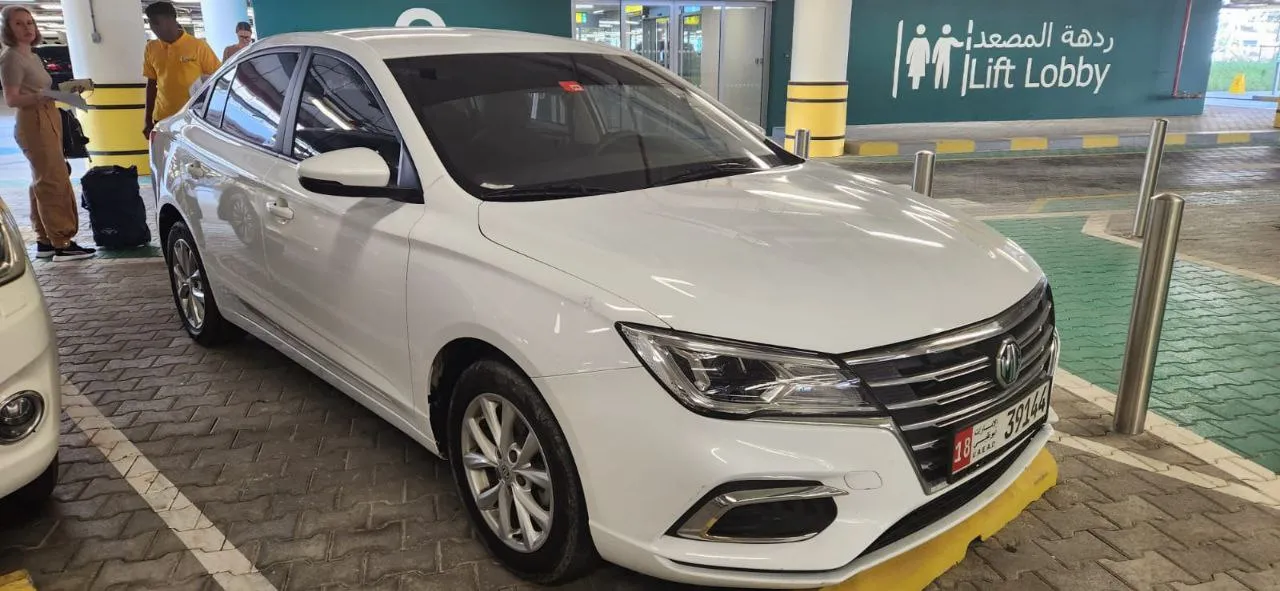
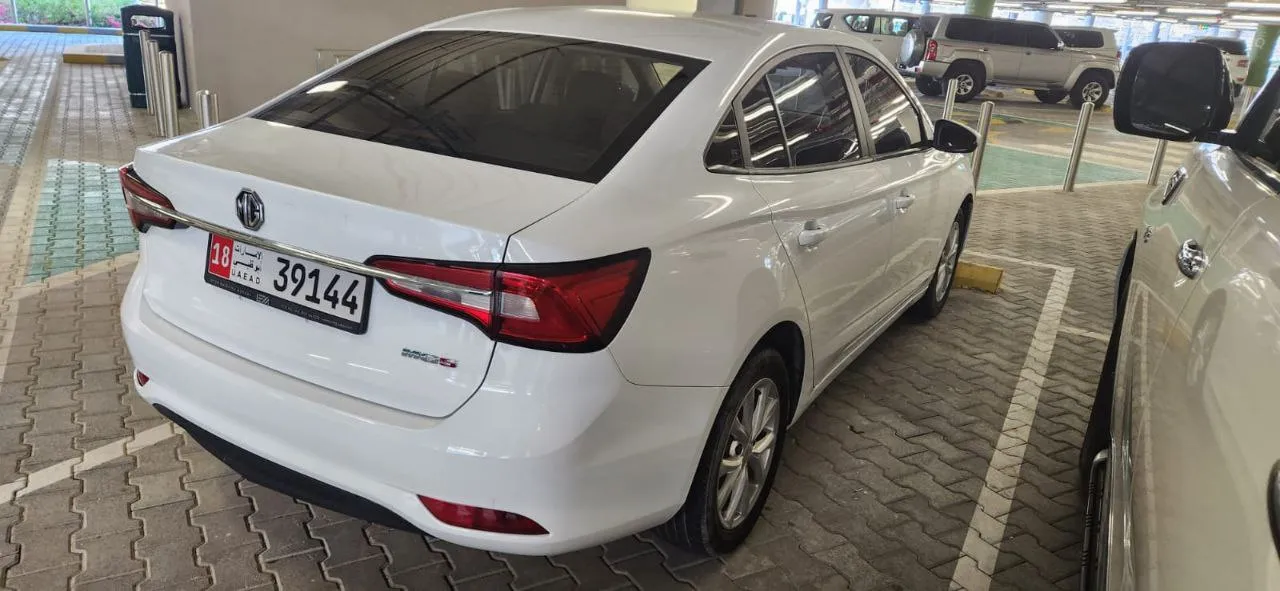
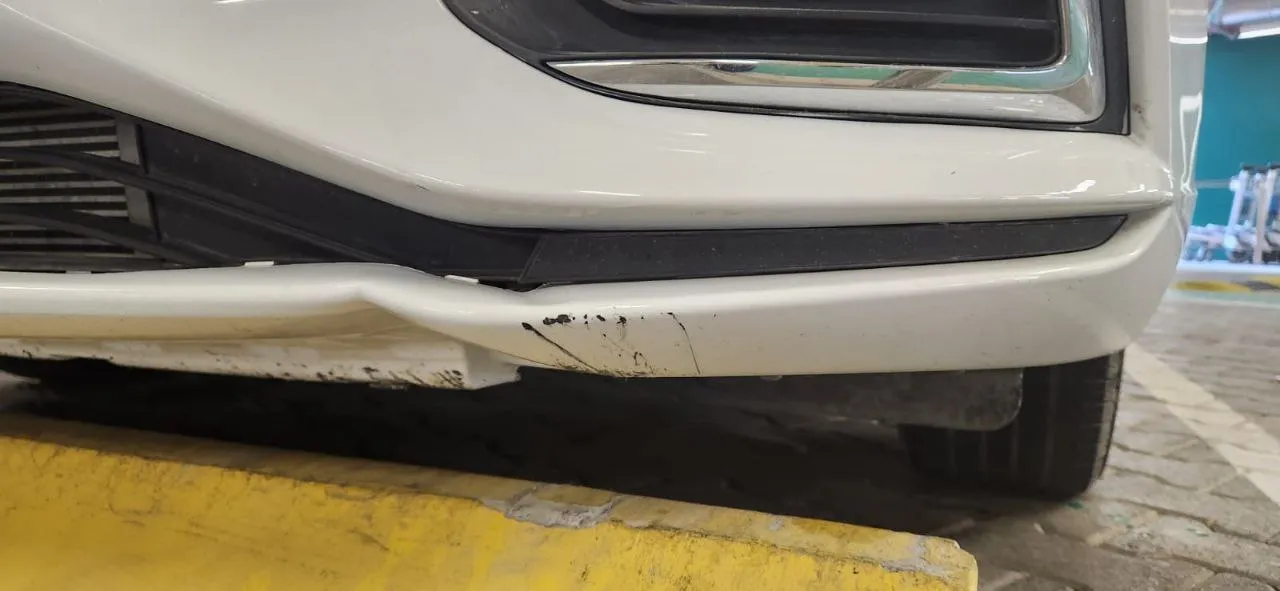
everything went perfectly. we stood for a long time at passport control on arrival, picked up the car an hour later than it was specified when ordering. as agreed in advance, we paid the remaining amount in cash. we filled out a rental form, photographed the car from the outside and inside for all the chips and scratches, gasoline level. We asked how to leave the parking lot, the man showed us the receipt, we attached it to the parking lot, paid 13 dirhams for the previous day (apparently the car was brought there in advance). there were no problems with refueling. our navigator also worked well everywhere. by and large we needed the car to get from Abu Dhabi to Dubai and back, and to go to amusement parks with children, so we did not drive much. When we handed over the car we wrote to the operator on WhatsApp, he explained where to come and where to wait for the driver to pick up the car. when handing over the car we paid cash for the toll roads, there were no fines. we handed over the keys and flew home. we are very satisfied with the work of the rental company. we only have questions about the car itself, probably we should have chosen a better, newer and more expensive car from the beginning, it turned out a bit different from what we are used to. It seemed that the car was dirty, the windshield glass was a bit cloudy, as if oil, well, and the ride felt like the car had not been in service for a long time. for us it was not critical, as we did not plan to drive a lot, from hotel to hotel only, so we did not bother. next time we will choose a car of another brand, more expensive. Overall I can give 4.5 out of 5 points. we will contact again
Chevrolet Captiva in the UAE
Everything's great, thanks

Chevrolet Spark in the UAE
Everything went perfectly. The car was given out quickly, there are no complaints about the car itself, I drove it for a day and gave it back in the evening without any problems.
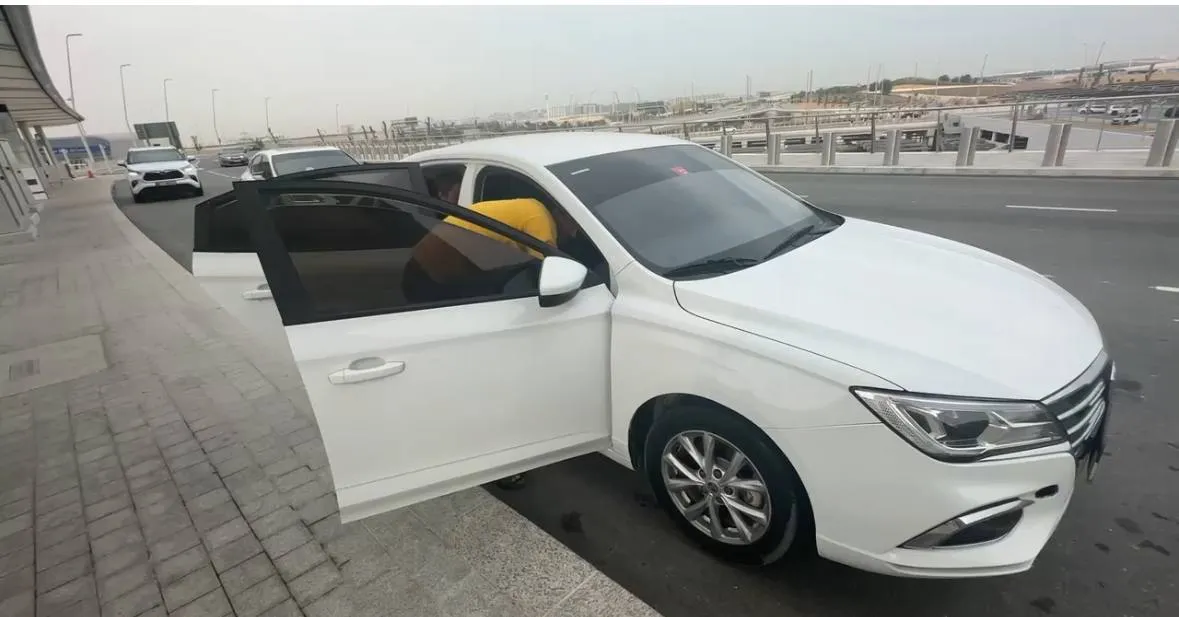
Toyota Yaris in the UAE
In terms of communication everything is great.The car itself was different - same class but different. That's not a problem. The only disadvantage was that the interior was dirty, the seats themselves, I mean. There are no questions about the service itself
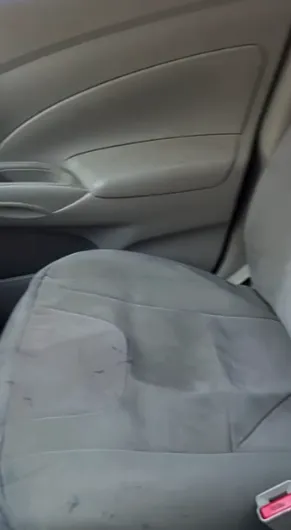
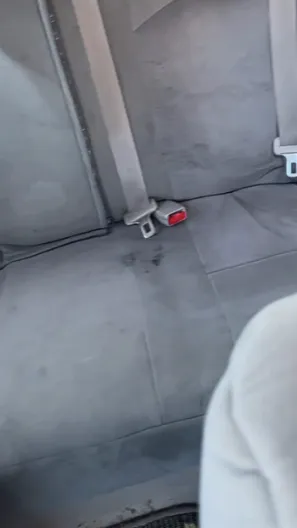
MG ZS in the UAE
The car is great, the guys from the rental organization too

Kia Sorento in the UAE
I was expected to take exactly same car as I ordered but they give me Mitsubishi Outlander, the steering wheel always turned to the right even on a flat road, I had to constantly steer it to go straight which was not ok. Overall, car was not on good condition at all.
Chevrolet Captiva in the UAE
Everything went fine. But only I did not understand why I paid some extra fine. There is a moment when I gave the car away, corresponded with three people, and it is not clear who was supposed to come, as a result, 2 employees of the company arrived for the car.
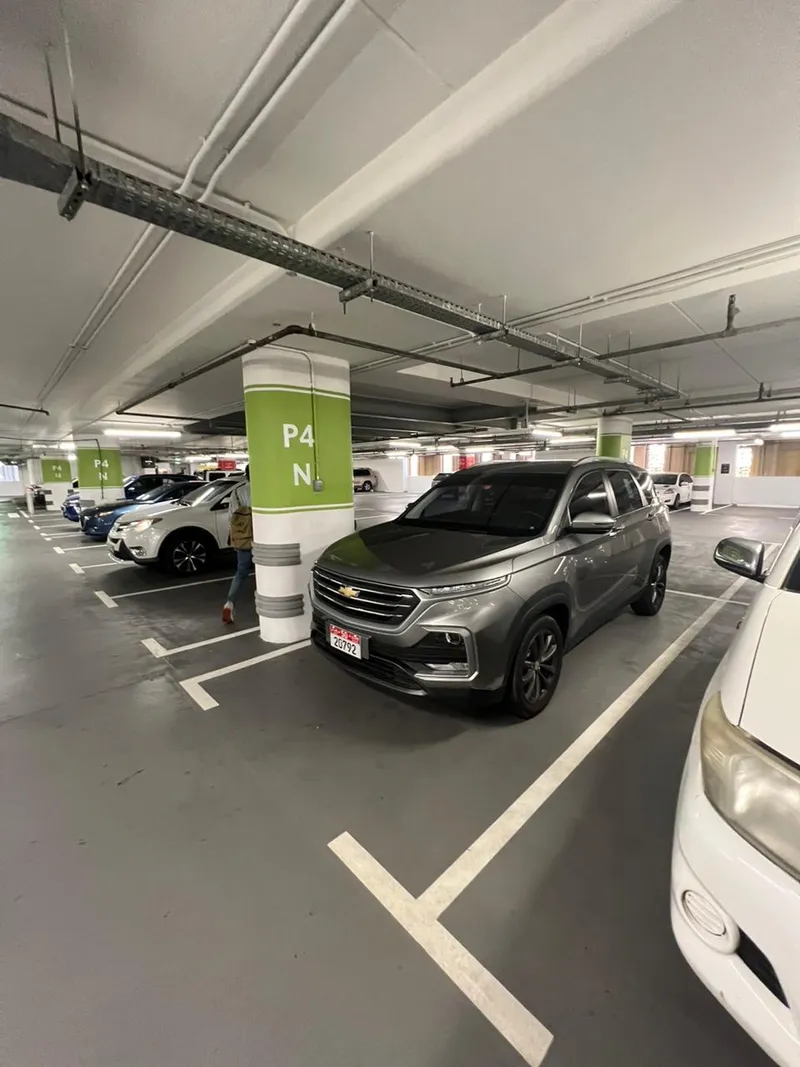

Hyundai Sonata in the UAE
Everything was fine, the pickup was good, the car was nice. It's okay.
Toyota Camry in the UAE
All is well. Easy to book. The company was quick to get in touch. The only thing was a little old and dirty car. But the price was low. So this is to be expected. We are waiting for more information about the deposit, the time has not come yet.
Darb, Salik and parking in Abu Dhabi
Abu Dhabi has its own toll system — Darb. These are electronic gantries on entry to Abu Dhabi island, with no barriers. They only operate in peak hours: 07:00–09:00 and 17:00–19:00 on weekdays. Off-peak, on Fridays and Saturdays, and on public holidays they are free. The crossing costs $1 (4 AED) and is automatically debited from the rental account.
A family driving in from Dubai for a Saadiyat weekend clocked one Darb gantry and three Salik passes on the morning leg. Reckon on $5–10 each way for tolls if you cross during peak windows.
Parking in the capital uses Mawaqif: $0.5–1 per hour on the streets, capped at $7 a day and around $27 a week. On Fridays and public holidays it is free across the island. Sheikh Zayed Mosque and Yas Island offer free parking, and shopping malls give the first four hours for free. Unlike Dubai, Abu Dhabi has no +20 km/h tolerance — the camera triggers at every kilometre over the sign, so drive to the actual posted limit.
The most common mistake here is bringing the Dubai habit of +20 km/h across the border. It does not apply: a sign of 100 means 100, with no 121 buffer. A guest who didn't realise that picked up a 600 AED fine on the E11 within twenty minutes of crossing.
Rates in Abu Dhabi vary throughout the year depending on the season and the rental length.
- January
- February
- March
- April
- May
- June
- July
- August
- September
- October
- November
- December
- Jan
- Feb
- Mar
- Apr
- May
- Jun
- Jul
- Aug
- Sep
- Oct
- Nov
- Dec
 How expensive is renting a car in Abu Dhabi: average daily rates for a one-week car rental, across all car classes.
Why booking in Abu Dhabi is easy with TakeCars

-
Transparent pricing even on race weekend
The full breakdown with delivery and partner fees is visible before you book; no surprises at the Yas Marina desk.
-
Delivery from Dubai to anywhere in the capital
Hotel on the Corniche, AUH terminal, Saadiyat — at the agreed time and a fixed price.
-
A manager throughout the trip
Darb, parking, a sudden fine or a question about the Louvre — message us and we pull the partner in straight away.
Routes, the Mosque and trips beyond the capital
What to see in the capital with a car
Sheikh Zayed Mosque is the third-largest in the world — entry is free, modest dress is required (abayas are handed out at the entrance). The Corniche is an 8 km waterfront with beaches and views of Etihad Towers. Saadiyat Island holds the Louvre Abu Dhabi (~$17 entry) and a beach club. Yas Island has Ferrari World, Warner Bros, SeaWorld and the F1 circuit (park tickets $80–95).
Allow 2–3 hours at Sheikh Zayed Mosque. Entry and parking are free, but the queue for the abaya counter on a Friday in February runs longer than the actual tour. Aim for an hour before sunset, when the walls shift colour.
Trips beyond the capital
Al Ain is a UNESCO garden city 1.5 hours away on the E22, with oases and the panorama from Jebel Hafeet. A couple who drove up for a Jebel Hafeet sunset said the switchback to the summit was the best half-hour of their trip. Liwa is the world's largest sand desert, 2.5 hours south-west; a hire car cannot enter — only organised tours with 4WD. Sir Bani Yas is 2.5 hours plus a ferry, a wildlife reserve with oryx and cheetahs; a day is tight, an overnight at Anantara works better and gets you on the morning safari.
Frequent Questions
No. The +20 km/h buffer only applies in Dubai. In Abu Dhabi and the other emirates the cameras trigger on every kilometre over the sign. If you were doing 120 on Sheikh Zayed Road in Dubai under a 100 sign, the same speed past the Abu Dhabi border is already a fine from 300 AED. Drive to the posted signs, especially on the E11 and E22.
Darb is the network of electronic toll gantries on entry to Abu Dhabi island, with no barriers. The crossing is $1 (4 AED), but only in peak hours: 07:00–09:00 and 17:00–19:00 on weekdays. Off-peak, on Fridays and Saturdays and on public holidays it is free. The charge is debited automatically from the rental account.
In peak hours, that is typically 1–3 Salik gantries in Dubai and one Darb on entry to Abu Dhabi island. About $5–10 one way. If you travel early morning or late evening, Darb is already free, and you only pay Salik (~$3–4 round).
Parking at the Mosque is free and large — over 1,000 spaces. It fills quickly in high season, especially on weekend afternoons. If you are aiming for the sunset views, arrive 90 minutes early. You can leave the car for as long as you need: entry and the guided tours are free.
No. Sand and off-road are not covered by insurance, even on 4x4 vehicles in the rental fleet. You can drive to Liwa on tarmac, but the dunes themselves (including Tel Moreeb) are best visited with an organised tour that has its own 4WD and driver. This is an insurance condition, not our policy.
Around 140 km on the E22, on average 1.5 hours from the Corniche. The road is flat and well signposted, with no toll points. Best to leave early: you have time for Al Ain Oasis (UNESCO), the camel market and Jebel Hafeet by sunset. Petrol stations on the route are sparse — fuel up in the capital before leaving.
If the race is the reason for the trip — yes, and book the car 2–3 months ahead, since prices double. If you are just on holiday, shift the dates by a week either side: Yas Island gets congested, roads close around the circuit, and hotels also spike. Check the F1 calendar — the race is usually the first weekend of December.
Parking on Yas Island is free at Ferrari World, Warner Bros, Yas Waterworld, SeaWorld and Yas Mall. Spaces are usually plentiful, except on race weekend. If you plan two parks in one day, it is easier to move the car closer to the next entrance — the parks are a 5–10 minute walk apart.
Abu Dhabi runs the new Terminal A, opened in November 2023 and one of the world's largest single airport buildings. Major partner desks are inside. With our partners, the setup is usually different — the car is brought to the terminal exit by your flight number. For late-night arrivals, confirm at booking so the manager is on shift.
Through the Mawaqif app (iOS and Android), by SMS to 7275 or at the meter. The tariff is 2–4 AED per hour, capped at 24 AED a day and around 100 AED a week. Fridays and public holidays are free across the island. Off the island, parking is usually free.
Yes, one-way Dubai → Abu Dhabi is a standard option, with a surcharge of $30–55 depending on the tariff. It works well for fly-in DXB and fly-out AUH. Some weekly and monthly tariffs include the option for free, so confirm at booking.
For women: covered shoulders, ankle-length clothing and a headscarf. For men: long trousers and covered shoulders. Free abayas are issued at the entrance if your outfit does not comply. Shorts and short skirts are not allowed inside, and shoes are removed. The rules apply to everyone, with no exceptions.
You can, but the day is tight: 2.5 hours by car to Jebel Dhanna, the ferry to the island, a safari in the reserve, the ferry back, and another 2.5 hours to the capital. One night at Anantara is more realistic — less rushing and a better chance of catching oryx and cheetahs on the morning safari.
For the city itself and trips to Al Ain or Dubai, an ordinary saloon or compact SUV is enough — the roads are flat and parking is generous. For the longer runs to Liwa or Sir Bani Yas, a mid-size SUV is more comfortable on the highway. A sports car in Abu Dhabi is more about the Yas Marina aesthetic than practicality.
If your flight goes straight to AUH, collect in the capital: $5–10 a day pricier, but no 1.5-hour transfer. If you can only fly via DXB, pick up in Dubai and drive over yourself: international flights into Dubai are often cheaper, and Dubai rentals run about 10–15% lower on average. For the way home, fly out of AUH with a one-way surcharge of ~$30–55.