


Pickup


Return
🎁 Use code WELCOME3 during checkout to get a discount on your first booking with us. Enjoy! ☀️

Car rental in Northern Cyprus turns a single-island holiday into three or four very different days. Geography does the work for you: from the old harbour in Kyrenia, a ninety-minute drive along the coast takes you to the empty beaches of the Karpas Peninsula, where the only traffic is the occasional wild donkey. From the same base you can visit St Hilarion Castle in the morning, eat fish back in the harbour by lunchtime, and walk around ancient Salamis at sunset.
Northern Cyprus moves at its own pace. There are no toll roads or vignettes anywhere on the island, traffic is light outside Nicosia, and prices are typically 20–30% lower than on the southern side. Driving is on the left — a British legacy shared with the UK, Malta and the Republic of Cyprus. Road signs are in Turkish, with English added on tourist routes. Since 2017 a tunnel has linked Nicosia and Kyrenia: 26 kilometres straight through instead of an hour over the mountain pass.
Buses run between Kyrenia, Nicosia and Famagusta, but they are infrequent and the connections rarely align. Taxis add up quickly over a few days. With your own car, beaches and parking around the castles feel noticeably less crowded than on the southern coast.
A couple from Manchester last May rented a compact car for six days. Kyrenia harbour on day one, Salamis on day two, Karpas on day three. By the end they were making U-turns without thinking.
A family of four chose Bellapais as a base instead of Kyrenia. Twenty minutes up the hill, half the tourist crowds, and the same beaches within reach.
Arrival and pickup
There are two practical routes onto the island. The first is to fly into Ercan (ECN), the only international airport in the TRNC. All flights to Ercan transit through Turkey — typically Istanbul, Antalya, Izmir or Ankara — so most travellers from Europe connect through Istanbul. From Ercan it is roughly 40 km to Kyrenia and 25 km to Nicosia.
The second route is to fly into Larnaca (LCA) or Paphos (PFO) on the southern side of the island. Cars hired in the Republic of Cyprus cannot be taken across to the north — the insurance simply does not cover it. The standard workaround is to take a taxi or shuttle to the Metehan crossing in Nicosia, walk through the border in five minutes, and meet your supplier on the northern side, either at the office or directly at the crossing with the contract ready.
A guest flew into Ercan at 22:40 last September. The car was waiting outside arrivals, the contract on the bonnet, and they were in Kyrenia before midnight.
Delivery to your hotel in Kyrenia is usually free with local operators. Just arrange it when you book. For arrivals into Larnaca with plans for the north, we typically meet clients straight after Metehan with the contract already signed — an hour after landing, you're on the road to Kyrenia.
Most tourists in Northern Cyprus start their trip here
Prices and seasonality
In low season — November through March — economy cars start from around €30 a day. That is noticeably cheaper than the southern part of the island, where prices are typically 20–30% higher. A compact sits in the €35–60 range, an SUV from €50, and premium cars from €80 a day. Manuals are usually 15–25% cheaper than automatics.
Summer is the peak: July and August are the hottest and most expensive months. April–May and October are the ideal period — mild weather, smaller crowds, softer prices. Booking ahead pays off twice: popular categories (automatics, family SUVs) sell out in high season, and rates are usually 10–20% lower with two to four weeks' lead time.
A teacher from Bristol booked five weeks ahead last April and walked into a free upgrade — booked a compact, got a small SUV. The car the operator had set aside for her didn't come back clean in time.
One quirk of the TRNC market: the typical minimum rental period is three days. For a week's holiday this doesn't matter, but for short trips of one or two days it's worth factoring in. The island is small and one-day hires simply aren't priced for.
Two friends from Berlin tried to book a single day in August and couldn't because of the minimum. They added two days, drove to Karpas on the second, and called it the best mistake of the trip.

Mazda Demio in Northern Cyprus
Everything went great. There were no problems, and the car was delivered on time. The rental went smoothly and without any complications.

Mazda 2 in Northern Cyprus
Everything went smoothly, without any problems.
Nissan Note in Northern Cyprus
Everything went well 👌 Pickup was convenient, and so was drop-off!

Suzuki Swift in Northern Cyprus
Everything went well, thank you
Toyota Corolla Axio in Northern Cyprus
Everything was great.
Nissan Note in Northern Cyprus
everything was good, satisfied with the service provided, thank you)
Mazda 2 in Northern Cyprus
everything went very well, the car was provided on time clean and fully ready for use, there were no problems when handing over the car.
Toyota Corolla Axio in Northern Cyprus
Everything was clear, professional, punctual. The car was in excellent condition. Remotely extended the lease for 2 more days, sent the necessary documents. A small deposit for the car, which is very convenient.
Mazda Demio in Northern Cyprus
Everything was perfect. On time, exactly as agreed. I was given a Ford Fiesta which I was completely happy with.
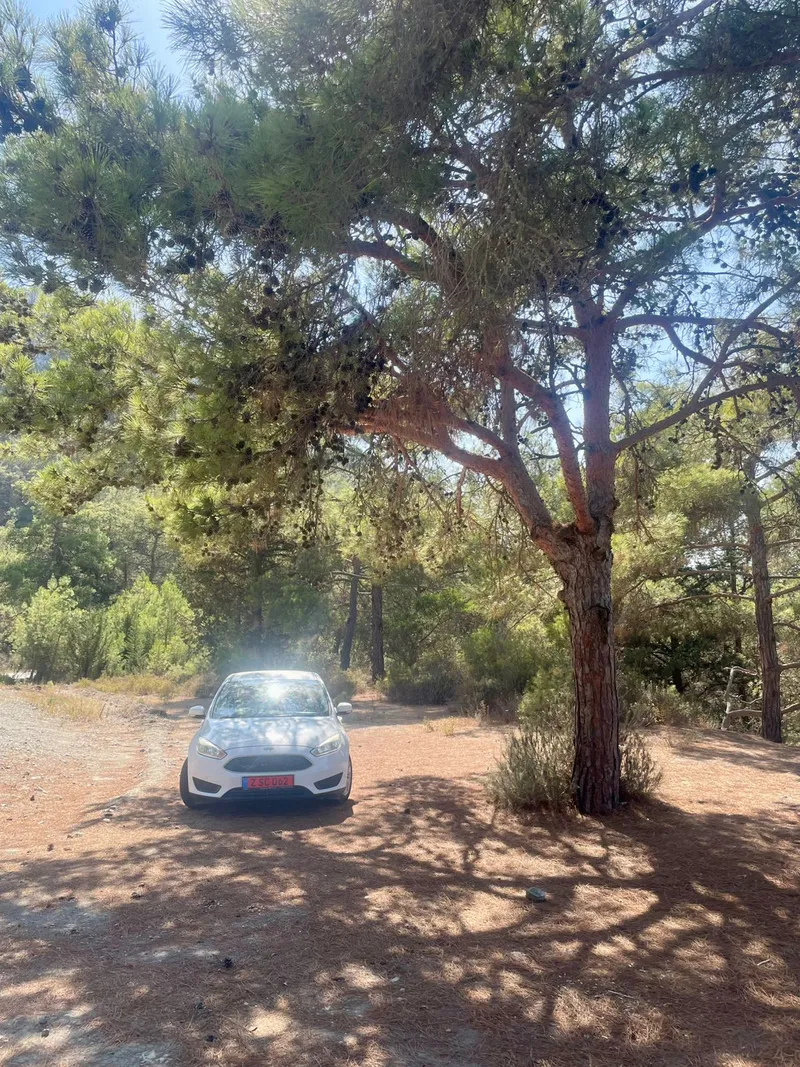

Suzuki Swift in Northern Cyprus
Everything went great. There were no problems at all. The car is fresh, in good working order, everything was fine.
Mazda 2 in Northern Cyprus
Everything is great, we will definitely recommend you (even gave recommendations already). We liked everything, fast, convenient, always in touch.
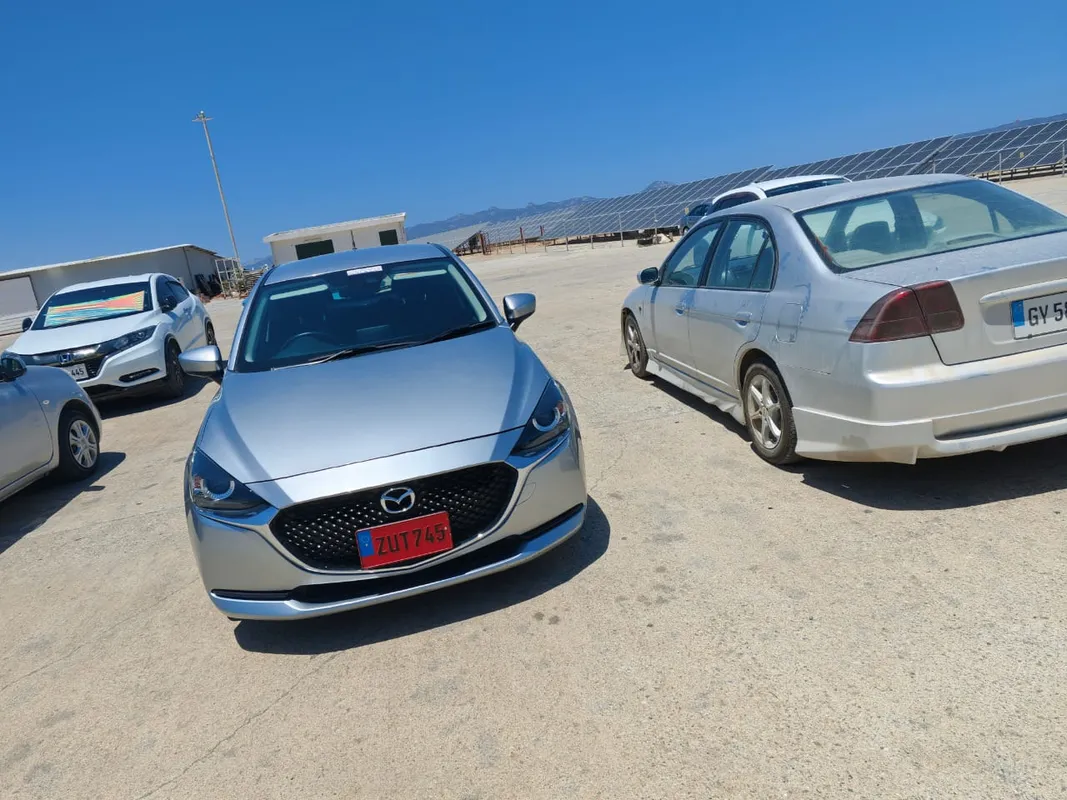
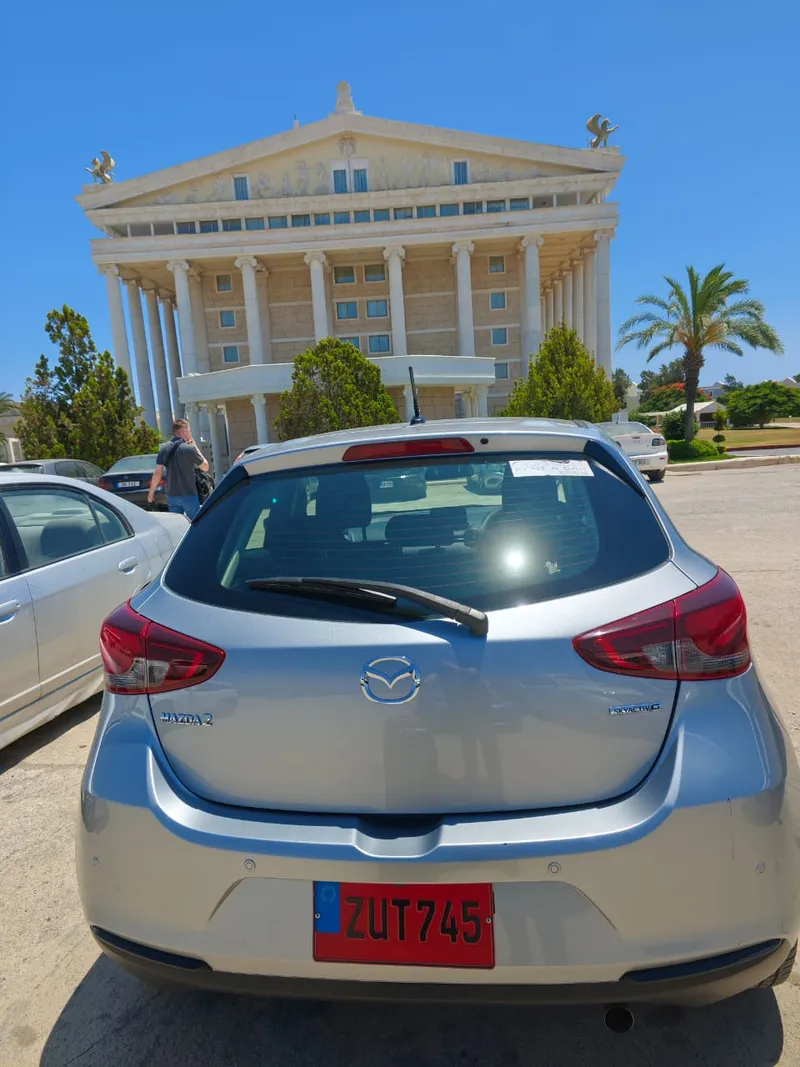

Ford Focus in Northern Cyprus
Everything is fine except for the moment that they did not give permission to leave for another part 😊, otherwise no complaints
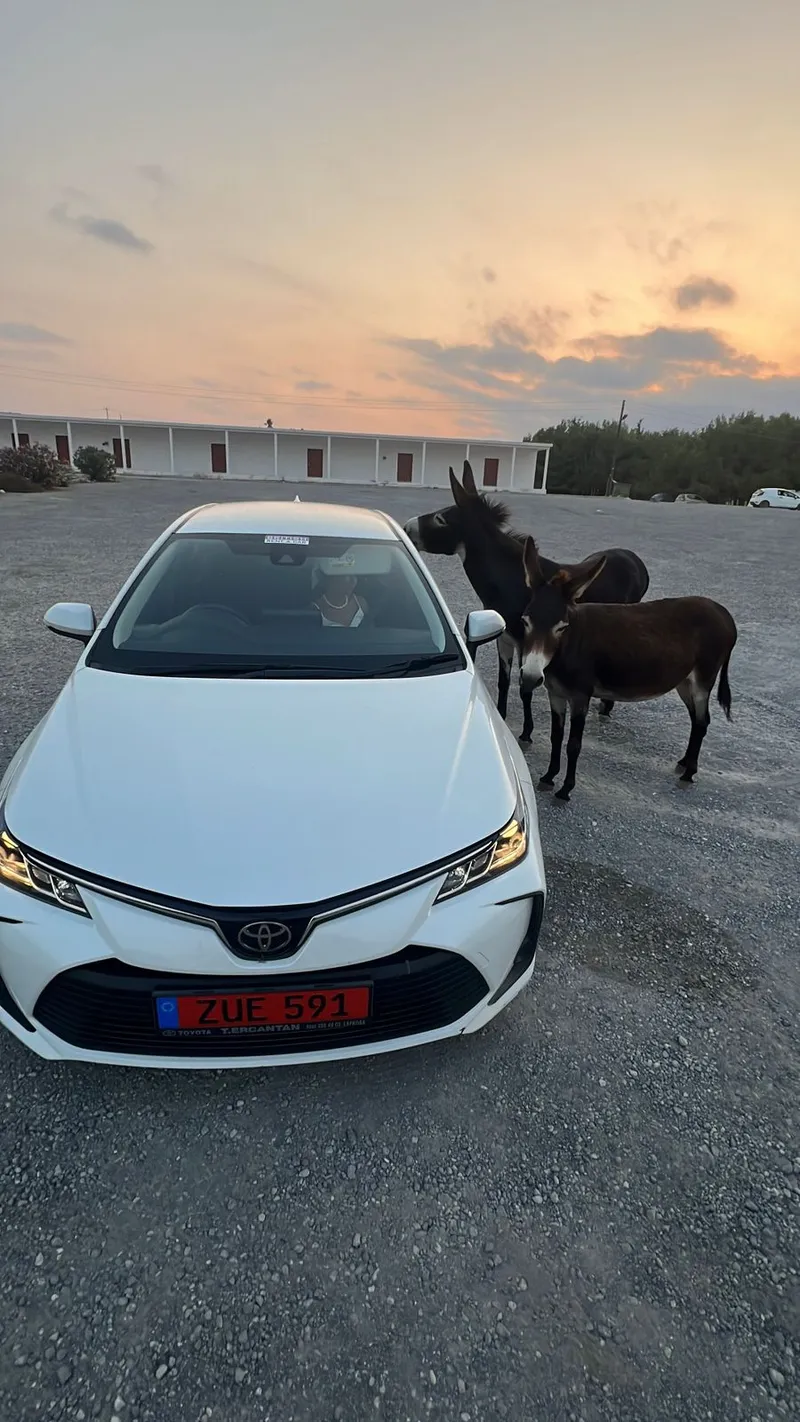

Honda Freed in Northern Cyprus
The car hire company was at the airport on time and was already waiting for us. The vehicle was in good order. The car hire company was also there an hour before we returned the vehicle and took it back without any problems after checking for any defects.

-
Real reviews on every car
You see ratings and comments from people who hired this exact vehicle, not a generic average across the operator's fleet.
-
Deposit and terms shown before booking
The amount, the method, and the included insurance are visible on the car page, with no fine print added later.
-
Zero-deposit options available
Northern Cyprus has operators who take no card hold at all on collection, and you can filter directly for those cars on the site.
Driving in Northern Cyprus
Driving on the left
Driving is on the left — a British legacy, the same as in the UK, Malta and Mauritius. The steering wheel is on the right, roundabouts go clockwise, and the indicators and wipers are in their usual positions on most cars. The trickiest moments on the first day are car park exits and U-turns. Most drivers adapt within a day or two.
Speed limits and alcohol
Towns are 50 km/h, rural roads 65–80 km/h, and main intercity routes 100 km/h. Speed cameras are common at town entrances and on the climb to Nicosia — fines are recorded automatically and passed on by the supplier. The drink-driving limit is 0.05‰, in line with most of Europe.
Signs and navigation
Signs are in Turkish with English added on tourist routes. City names may differ from those on your map: Kyrenia = Girne, Famagusta = Gazimağusa, Nicosia = Lefkoşa.
The worry about driving on the left is the biggest pre-trip fear and almost always the biggest relief afterwards. By the end of day one most clients drive without thinking.
On roundabouts, don't rush. Locals often signal each other through with a gesture rather than strictly following the rules — watch the car on your right and don't cut across. In the mountains above Kyrenia, don't trust the navigation blindly. The road is on the map, but on the ground it can be a switchback meant for local pickups. Check your route before setting off, especially in the rain.
Documents, age, deposit and insurance
Documents
A passport, a category B licence with two or more years' experience, and a payment card (or cash with many local operators). EU and UK licences are accepted directly for up to 30 days; drivers from outside the EU/UK should bring an IDP. Keep the rental contract in the car.
Age
The standard is 25+ with two years' experience — stricter than the Republic of Cyprus and most of the EU, where 21 is more common. Drivers under 25 can rent selected cars with a young driver fee.
Deposit
Some local operators take no deposit at all — unusual for Europe. Others take €100–500, normally as a card hold. The amount and method are shown on the car page before booking.
Insurance
Third-party liability is always included, and basic CDW (with excess) is almost always available. Super CDW or Full Coverage is worth taking for Karpas, the Kyrenia mountains or first-time left-side driving: it removes the excess and covers windows, tyres and wheels.
A guest scratched a wheel while parking by Kyrenia beach in July. He had Full Coverage — paid nothing. With basic CDW that's easily €100–150 off the deposit.
A first-timer on the left was nervous on day one. By day three he'd added Super CDW for peace of mind and forgot it existed by day four.
The option of no card hold on collection is the most distinctive feature we offer here. It works because we know our clients personally — through their reviews and the cars they've hired before. Insurance stops at the border with the Republic of Cyprus — every supplier on the island works the same way. To see the south, walk across or hire a separate car there.
Rates in Northern Cyprus vary throughout the year depending on the season and the rental length in days.
- January
- February
- March
- April
- May
- June
- July
- August
- September
- October
- November
- December
- Jan
- Feb
- Mar
- Apr
- May
- Jun
- Jul
- Aug
- Sep
- Oct
- Nov
- Dec
 How expensive is renting a car in Northern Cyprus: average daily rates for a one-week car rental, across all car classes. Delivery across Northern Cyprus not included.
Frequently asked questions about car hire in Northern Cyprus
EU and UK driving licences are accepted directly for stays of up to 30 days. Drivers from outside the EU and UK should bring an IDP — it's recommended at the rental desk and useful at any police check. The typical minimum driving experience is two years.
The standard minimum age is 25, with at least two years of driving experience, which is stricter than in many EU countries. Some cars are available to drivers under 25 for a young-driver fee of around €5–15 per day; you can filter for these on the site. Premium and sports cars may require a minimum age of 27 or 30.
The deposit is usually €100–500 for an economy or compact car and up to €800 for an SUV or premium car. Some local suppliers do not require any deposit, which is unusual in Europe. The amount and payment method, whether a card hold or cash, are shown on the car page before you book.
Yes. There is a "no deposit" filter on the site that shows cars from operators who take no card hold on collection. It is a rare practice in Europe and one of the distinctive features of the Northern Cyprus market. Full coverage is usually included in those packages.
Basic insurance always includes third-party liability and usually includes Collision Damage Waiver with an excess of €300–1,000, as well as theft protection. Common exclusions are windows, tyres, wheels, the underbody, interior and keys. The full list is shown on the car page. Insurance issued in Northern Cyprus is not valid in the Republic of Cyprus.
It is worth considering if you plan to visit Karpaz or the Kyrenia Mountains, or if you are unfamiliar with driving on the left. Super CDW removes or reduces the excess and may add cover for windows, tyres and wheels, which basic CDW usually excludes. It costs around €5–10 per day; check the exact inclusions for your car.
No. Rental suppliers in Northern Cyprus do not allow their cars to cross into the Republic of Cyprus because the insurance becomes invalid. To visit both sides, walk across a checkpoint, such as Ledra Street in Nicosia, or arrange a separate rental in the south.
There are five active crossings. In Nicosia: Ledra Street (pedestrians only, in the old town), Ledra Palace (foot and car), and Metehan/Agios Dometios (the main vehicle crossing). In the east: Pergamos and Dherynia/Famagusta. Metehan and Ledra Street have the most convenient hours.
Traffic drives on the left, as in the UK, Malta, the Republic of Cyprus and Mauritius. The steering wheel is on the right, and traffic moves clockwise around roundabouts. Most drivers adapt within a day or two, but take particular care when leaving car parks and making U-turns.
The blood-alcohol limit is 0.5‰, equivalent to 0.05% BAC, which is the same as in the UK and many EU countries. Police checks are more common at weekends in Kyrenia and Nicosia. Rental insurance becomes invalid if an accident involves a driver over the legal limit.
About €1.10-1.35 per litre as of 2026, with diesel a touch cheaper. That is lower than most of the EU and similar to Turkey. Main brands are BP, Shell, TotalEnergies and Petrol Ofisi. Petrol stations are sparse on the Karpaz Peninsula and in the mountains — fill up in Kyrenia or Nicosia before heading out.
Yes. Most suppliers use a full-to-full fuel policy, so you collect and return the car with a full tank. Keep the final fuel receipt from a station within 10 km of the drop-off point. If the tank is not full, the supplier may charge a higher fuel price plus a service fee of €10–30.
Rentals, hotels and most tourist restaurants quote in euros or sterling. Turkish lira is the official currency but is mostly used for taxis, petrol and local cafés. Cards are accepted almost everywhere, but a small amount of cash in euros is worth having — especially for parking and remote villages.
Yes. Local suppliers in Northern Cyprus are generally more flexible than international chains. Many accept debit cards, cash in euros, sterling or Turkish lira, and bank transfers. Some suppliers do not require a deposit at all.
The usual limits are 50 km/h in towns, 65–80 km/h on rural roads and 100 km/h on the main intercity routes. Speed cameras are common at town entrances and on the approach to Nicosia. Fines are sent to the rental company and added to your final invoice.