


Pickup


Return
🎁 Use code WELCOME3 during checkout to get a discount on your first booking with us. Enjoy! ☀️

Renting a car in Croatia is the easiest way to see the country the way locals see it. Croatia is far more than its Adriatic beaches: between Zagreb and Dubrovnik lie the Plitvice Lakes, Krka waterfalls, Istrian vineyards and fishing villages half a day away by public transport. By car the same trip takes three hours and adds a couple of unplanned stops.
The country is compact and varied — roughly 600 kilometres from north to south. Dalmatia offers coastal switchbacks and old-town lanes, Istria has hills and vineyards, the inland national parks bring real mountain passes. Each route suits a different car: a compact for the coast, a crossover for Plitvice, a minivan for a family with luggage.
A couple picks up in Zadar in late May: empty roads to Plitvice, a hotel on the bay at a third of the July price, and the keys handed over inside fifteen minutes.
Off-season prices start at around $16 a day for economy; in July and August the same class goes from $38. Split airport alone hands out about a thousand cars a day at peak.
Our best rates are gone six to eight weeks before pickup. For summer on Hvar or in Dubrovnik, March is the right month to book — leave it later and you're choosing between premium or nothing.
Four main hubs to start from: car rental in Zagreb for inland routes, rent a car in Split for southern Dalmatia and the islands, hire a car in Zadar for Plitvice and the north, car hire in Dubrovnik if you're finishing in the south.
Seasons and pricing
The Croatian rental calendar is simple. High season is July and August: prices roughly double, the coast runs out of economy cars, and on Friday evenings half of Zagreb heads to the sea along the A1. If you have flexibility on dates, the sweet spots are late April–June and September–early October: warm weather, free roads, prices closer to off-season.
In August three categories sell out first: compact for couples, crossover for families, minivan for groups of seven to nine. Last-minute callers usually end up on premium or nothing at all.
The low season from November to March is the cheapest period. An economy car for $16–28 a day isn't unusual, but the weather adds a factor: the coast is cool and often wet, the mountains call for winter tyres. For a Zagreb city break it's a good idea; for a beach trip, less so.
Past five days, going one class above the cheapest tariff with full cover usually pays back: a single stone chip on the coast covers the upgrade, and parking in Old Town is calmer too.
Croatia has used the euro since 2023; for clarity we list prices in USD. Economy class in low season starts at $16, in peak $38; compact $32–54, crossovers $65–110, premium from $110 a day. Manual gearboxes stay 20–30% cheaper than automatic, and there are automatics in every category. For a Zagreb–Split–Dubrovnik route you can return the car in a different city: the one-way fee is usually $215–325.
Most tourists in Croatia start their trip here
Documents and payment
To rent a car in Croatia you need a passport (or an EU ID card for EU citizens), a driving licence held for at least one year, and a payment card. EU and EEA licences are accepted directly, as are most non-EU licences with Latin script. An International Driving Permit is technically required for non-EU drivers, but rental companies rarely ask for it if the licence already shows Latin characters.
We can count on one hand the times police have actually asked guests for an IDP at a check. A valid licence and a year of driving is what matters.
The minimum age is 21 with one year of licence; premium classes and larger crossovers usually need 25. Drivers under 25 typically pay a young-driver surcharge of $5–15 a day.
Payment is more flexible than it looks. International chains usually require a credit card in the driver's name. Local suppliers and platforms like TakeCars take debit and most international cards for the online deposit, with the balance and the security deposit paid in cash on pickup. Useful if you don't have a credit card or don't want a large hold on it.
A common pattern: guests pay a small advance online to confirm, then settle the balance and the deposit in person. Both sides know exactly where they stand, and no large hold sits on a card.
Security deposits at local suppliers are $215–870; at international chains $540–1,620 on a card hold. If you'd rather skip it, zero-deposit cars are available: Full CDW is built in.

Renault Clio 5 in Croatia
Great service and an excellent car! We sincerely thank the owner for the wonderful car rental during our trip through Croatia. The car was clean, in perfect mechanical condition, very fuel-efficient, and comfortable. The pickup and drop-off process was as quick as possible and completely hassle-free. The owner is very friendly, punctual, and always available. We definitely recommend Fabian!
Suzuki Swift in Croatia
In February 2024 we rented a car for a couple of days in Split through TakeCars website, everything was great! We originally ordered a Suzuki Swift - but in fact the manager offered a Suzuki Vitara without extra charges. The car turned out to be excellent - clean and comfortable, although we heard a lot of stories about the local outdated fleet. The rental staff explained everything clearly in English, gave advice about local peculiarities and what to do in emergency situations. When renting a car they made a video recording of all the damage and returning the car was just as easy and quick. The roads and views were great too, so we had the best experience of the trip - definitely recommend it!
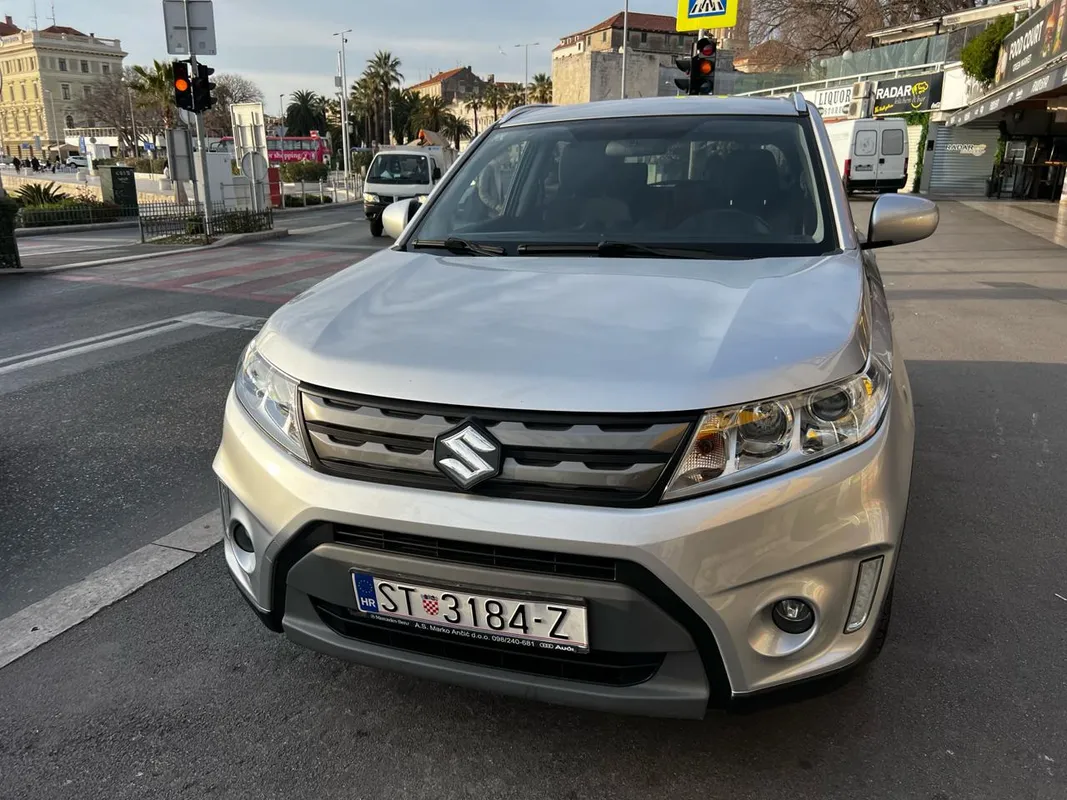
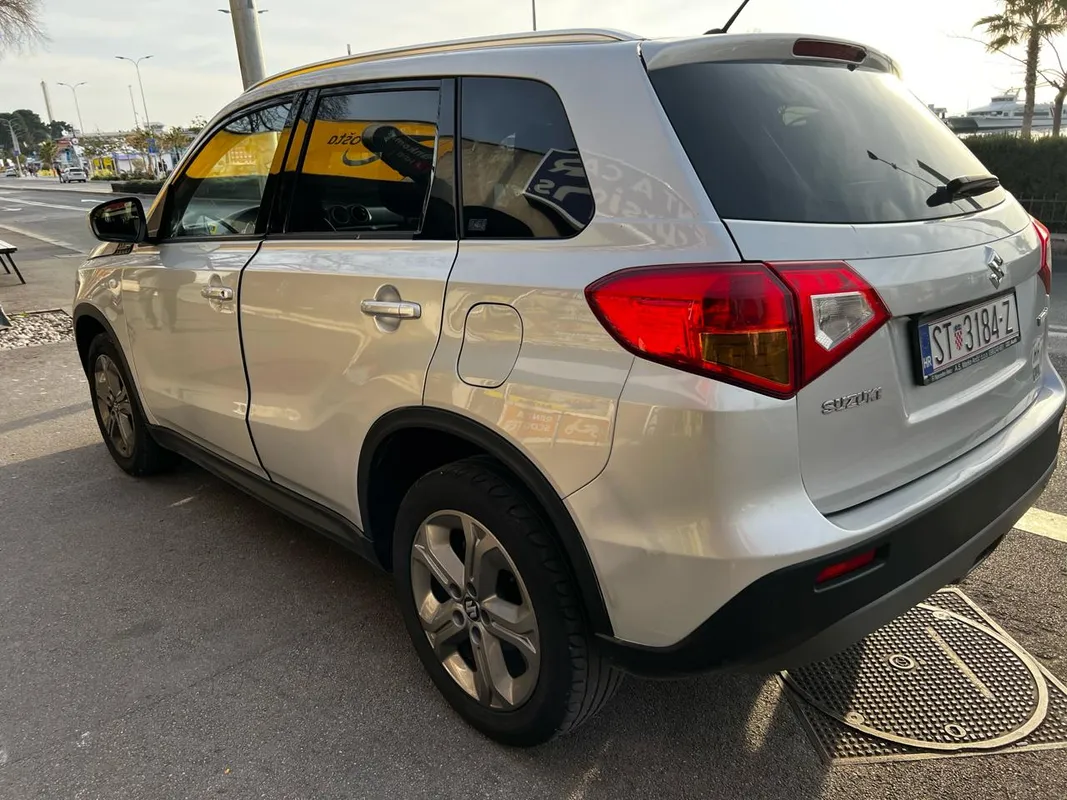
Suzuki Swift in Croatia
Everything was great, no issues whatsoever! We went to Cetina river source, the car was perfect

Suzuki SX4 S-Cross in Croatia
Everything was perfect, both the pick-up at the hotel and the drop-off at the airport, as specified in the reservation. With a small delay in delivery that was quickly resolved by phone.Everything was perfect, both the pick-up at the hotel and the drop-off at the airport, as specified in the reservation. With a small delay in delivery that was quickly resolved by phone.
Suzuki SX4 S-Cross in Croatia
It was great!

-
Verified local suppliers
You can see the company, the person you're renting from, and real reviews on each specific car before you book.
-
Transparent pricing and terms
The deposit amount, payment method and exactly what the insurance covers are visible before checkout — no hidden fees, no fine print.
-
Flexible payment and support
Most international cards work for the online advance, zero-deposit options are available, free cancellation up to 7 days, and direct messaging with the supplier.
Roads, tolls and Pelješac Bridge
Croatian motorways with the green "A" signs are paid express routes. The busiest is the A1 from Zagreb to Split and on to Ploče. Unlike its neighbours, Croatia has no vignette as in Austria or Slovenia: you take a ticket on entry and pay on exit by distance and vehicle category. Cash, cards and contactless are all accepted. State roads marked "D" on yellow signs are free.
A1 prices and ENC
For a passenger car (Category I, up to 1.9 m), Zagreb to Split costs about $28; Zagreb to Ploče about $36. For a lot of motorway driving, ask the supplier for an ENC unit: it pays tolls automatically with a 10–33% discount and skips the queues at the booth.
A couple takes an estate from Zagreb in July, looping Zagreb–Split–Dubrovnik with detours. The ENC pays for itself by the second toll plaza and saves them two fifteen-minute queues in the heat.
Pelješac Bridge
Since July 2022, the Pelješac Bridge has connected mainland Croatia with southern Dalmatia, bypassing the small Bosnian coastal corridor at Neum. You can now drive Split–Dubrovnik without crossing a border — no queues, no insurance complications.
Before the bridge, the two Bosnian checkpoints could swallow an hour each way. Now the Pelješac takes five minutes and you roll back onto Croatian asphalt — southern itineraries used to be planned around customs, not anymore.
It's the most visible change to the Croatian road network in years: Split–Dubrovnik now fits comfortably into a day, with no border buffer to budget for.
Parking, ferries and borders
In the bigger cities, parking works in zones, easiest with the operator's app (Bmove in Zagreb). Central zones are the most expensive, outer ones often free. The coast is sharper: in summer, parking by the Old Town in Dubrovnik runs to $30–45 a day and the spaces fill up by mid-morning.
The trick that saves nerves and money: book a hotel with its own parking. In Dubrovnik and Split it's $10–15 extra a night, but it's earned back by day three.
Islands and ferries
Brač, Hvar, Korčula and Vis are linked to the mainland by car ferries from Jadrolinija, Kapetan Luka and TP Line. In peak season, slots are best reserved well in advance.
Going to Hvar for two days without luggage? Leave the car at the guarded park in Split and travel light. For longer stays it's worth ferrying the car across.
Crossing the border
Slovenia, Hungary, Italy and Austria are all in Schengen — insurance still works and there are no extra formalities. Detail: Slovenia requires a vignette ($9 a day or $17 a week), bought before joining a Slovenian motorway. Bosnia, Montenegro or Serbia aren't possible on every car — you'll need written permission from the supplier.
For a country route, start with renting a car in Split for islands and Pelješac, Dubrovnik car rental for the southern coast, Zadar car hire for Plitvice, or hiring a car in Zagreb for inland trips.
Rates in Croatia vary throughout the year depending on the season and the rental length in days.
- January
- February
- March
- April
- May
- June
- July
- August
- September
- October
- November
- December
- Jan
- Feb
- Mar
- Apr
- May
- Jun
- Jul
- Aug
- Sep
- Oct
- Nov
- Dec
 How expensive is renting a car in Croatia: average daily rates for a one-week car rental, across all car classes. Delivery across Croatia not included.
Frequently asked questions
For a Category I passenger car up to 1.9 metres high, the toll is about €28 each way. You can pay at the toll gates with cash in euros, a bank card or contactless payment. Prices for 2026 are unchanged from early 2025.
ENC offers a 10–33% discount and lets you skip the queues at the gates. It pays off if you expect more than $200 in tolls — for instance a Zagreb–Split–Dubrovnik loop. For a single coastal trip, paying by card at the exit is simpler.
No. Since July 2022 the Pelješac Bridge has connected mainland Croatia directly with southern Dalmatia. It's faster than the older D8 coastal road through Neum in Bosnia, and you don't cross a border.
Seasonally: dipped headlights or DRLs must be on at all times from the last weekend of October to the last weekend of March. Outside that window, switch them on for tunnels, rain or poor visibility. Most modern cars do this automatically.
Third-party liability insurance is mandatory under EU law. Basic Collision Damage Waiver is usually included, with an excess of $540–1,620. Glass, wheels, tyres and the underbody are generally excluded from basic cover. Super CDW or Full CDW may be useful for coastal and island driving; check the policy terms for the specific car before booking.
On switchbacks and in the mountains the difference is small with a modern automatic. Manuals are 20–30% cheaper and far more common in the economy class. For Istria or steep island roads, choose a car with a bit of power in reserve — that matters more than the gearbox.
For short coastal drives, petrol (95-octane, around $1.65 per litre) is the simpler choice. For long motorway runs and mountain routes, diesel pulls better on inclines and is more economical at speed. Petrol stations are easy to find on the mainland; on the islands, plan ahead.
Yes. One-way rentals within Croatia are widely available. The drop-off fee is usually $215–325, although it may still be worthwhile if it saves you an extra rental day and a return journey. Returning the car to a different location within the same city is usually free.
You can't drive into the Old Town — it's fully pedestrianised. Public car parks near Pile Gate cost $7–11 per hour and up to $30–45 a day in peak season. The most reliable option is to choose a hotel with its own parking and leave the car there.
Up to 10 km/h over the limit is around $33; serious speeding ranges from a few hundred dollars to $2,200 and beyond. The police can issue on-the-spot fines and accept cards. Camera fines reach the rental company and are passed to the driver with an admin fee of $22–55.
Most rentals in Croatia include unlimited mileage, which is standard in the EU market. A few international chains limit some rates to 200–300 km per day and charge $0.15–0.30 for each additional kilometre. If you plan to drive from Zagreb to Split and Dubrovnik or make a full circuit of the country, confirm that unlimited mileage is included before signing the agreement.
No. Croatia uses a ticket-gate motorway system: you take a ticket on entry and pay on exit by distance and vehicle category. A vignette is only needed if you continue into Slovenia or Austria from Croatia.
Most suppliers accept drivers from the age of 21 if they have held their licence for at least one year. Premium cars and larger crossovers generally require a minimum age of 25. Drivers under 25 usually pay a young-driver fee of $5–15 per day. The upper age limit is typically 70–75.
The blood-alcohol limit is 0.5‰, equivalent to 0.05% BAC, for drivers aged 24 and over. The limit is zero for drivers under 24, taxi drivers, commercial drivers and bus drivers. A positive roadside test may be followed by a blood test, and insurance becomes invalid if you are over the legal limit.
Winter equipment is not required throughout the country. Winter tyres or snow chains are required only on designated mountain roads in the Dinaric Alps, Gorski Kotar and Lika when winter conditions apply. They are not normally needed on the coast or the A1 between Zagreb and Split. Suppliers fit winter tyres to cars intended for mountain travel from November to March.