


Pickup


Return
🎁 Use code WELCOME3 during checkout to get a discount on your first booking with us. Enjoy! ☀️

Car rental in Turkey unlocks the country in a way no shuttle bus or organised excursion can match. Distances are large, the road network is solid, and most of what brings people here — from the Lycian coast to Cappadocia — sits a few hours from the airport. The local fleet is broad, the airports are well-connected, and an independent road trip is genuinely the natural way to see it.
For most guests, the car becomes part of the holiday rather than a chore. Three or four days from an all-inclusive resort to reach Pamukkale or the Saklıkent Gorge; a fortnight along the coast between Antalya and Kaş; or a quick city-to-city run in shoulder season when prices drop.
A couple landing in Antalya last May signed the contract on the bonnet by gate D. Five minutes, voucher, keys, off down the D400. The shuttle bus to the big-chain office hadn't even left.
Payment is straightforward. Visa, Mastercard, Maestro and contactless are accepted everywhere; credit cards are required only by the international chains, while local suppliers happily take cash deposits in EUR, USD or Turkish lira. Most guests pay an online deposit of 15–20% to confirm the booking and settle the rest on collection.
The question we get most often is whether you really need a credit card. Not with us. A debit card or a couple of hundred euros in cash is enough at almost every local supplier.
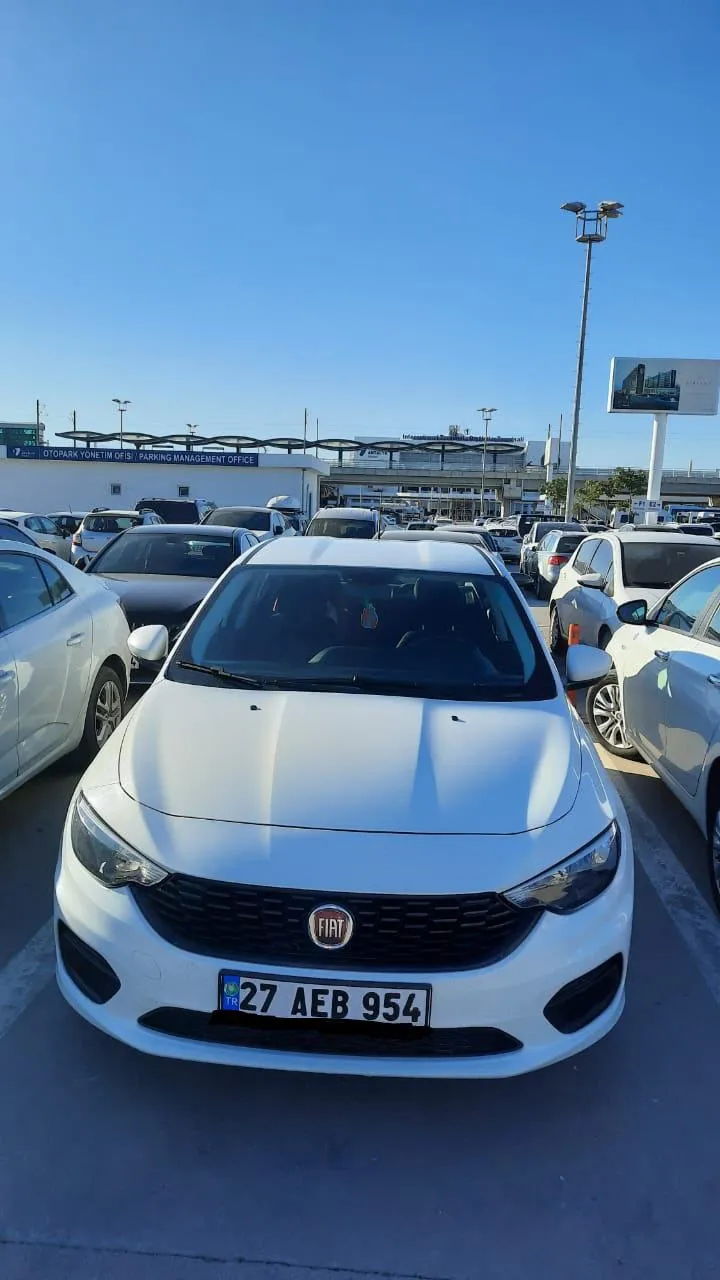
The fleet typically starts with the Fiat Egea — by far the most common Turkish hire car — and runs up to eight-seat minivans for families. Most cars are 2020 or newer.
What you need to rent
The basics are short: a passport with your entry stamp and a valid driving licence. EU and EEA licences are accepted directly. UK licences are accepted for tourists, but the official UK government recommendation is to carry an International Driving Permit alongside, especially for older paper licences or stays longer than a few weeks. The IDP is cheap, valid for a year, and worth the peace of mind at a Turkish police checkpoint.
A British guest drove for two weeks Antalya to Cappadocia on a paper licence last spring. Nobody asked for an IDP — but at a checkpoint near Konya the officer leafed through twice. He bought one online the next morning.
The minimum age is 21 with at least two years' driving experience. Premium models, 4×4 vehicles and minivans are usually 25 and over. Drivers under 25 pay a young driver surcharge of around $10 per day with most local suppliers.
Payment is friendly to most European guests. Visa, Mastercard, Maestro, contactless and Apple/Google Pay all work for the online deposit. On collection, local suppliers also take cash in EUR, USD or Turkish lira; the international chains insist on a credit card in the main driver's name.
Bring a debit card and a couple of hundred euros in cash. That covers almost any combination — deposit, fuel top-up, or a coffee at the airport.
Before you leave the car park, check the car against your voucher: model, year, transmission, fuel type. Quiet substitutions for "the same class" do happen in high season.
Most tourists in Turkey start their trip here
What it costs
Pricing follows the season. In low season, a Fiat Egea — the most common Turkish hire car — starts at $8–10 per day for a manual and $12–15 for an automatic. Mid-range models such as the Renault Megane or Hyundai i30 sit at $12–20. Family minivans run $60–80.
In high season (June–September) prices roughly triple: the Egea starts at $35, mid-range $45–55, minivans $120–180. On the coast in July and August the better cars are gone two to three weeks ahead, so renting in Bodrum or Antalya is best booked early.
August in Antalya is fully booked a month out. A family flying into AYT last summer left it until landing and ended up with a manual Egea for the price of a Duster.
Beyond the daily rate, the voucher usually includes: TPL (third-party liability, mandatory by Turkish law), basic CDW, the airport surcharge, optional Super CDW (Full Coverage), young driver surcharge and a return-elsewhere fee if you drop the car in a different city. Tolls and fines are billed afterwards with a small admin charge from the supplier.
The price on the voucher is the price you pay. If something isn't on the breakdown, it won't be on the bill either.
Cash deposits depend on car class: roughly $100 for an economy, $200–300 for mid-range and up to $500 for a minivan. A few suppliers offer zero-deposit tariffs — pay for Full Coverage and no deposit is held at all.

Citroen C4 X in Turkey
All in all, good. However, they did not bring me a Citroen, but an Opel Crossland. Overall, it made no difference to me. The car was new and clean. Didn't cause any problems. Except that the almost empty tank at delivery is very unaccustomed. It was a little bit difficult to get together with the person who gave the car. In the first place, there were intermediate intermediaries, in the second person hardly spoke English (I ended up calling so that it was faster to agree). The contract is in Turkish, the employee who gave the car did not answer very well even with an interpreter and was in a hurry - I never realized whether my conditions for hull insurance were in line with the order or not. On the car itself - I had to pump up the wheels, good thing there is such an opportunity at gas stations. Among the unexpected surprises - summer tires in January (can I write it off to the region of issue?), which limited my choice of travel destinations (Cappadocia was canceled immediately due to snowfall). I'd also like to know in advance that you have to pay for parking at the airport (antalya) when leaving the airport. Little chance people won't have a card/liras at the moment.
Fiat Egea Multijet in Turkey
everything's fine
Peugeot 301 in Turkey
everything went great! The car was clean and there were no breakdowns.
Dacia Duster in Turkey
Everything was fine

Citroen C-Elysee in Turkey
All right. It's a nice car. It's not exactly the one we booked. But it's in the same price range and the same features. But that didn't ruin the experience. The car is new, everything works. In general, we are satisfied. We got a Fiat The only comment - adjust the clutch. Sometimes the first speed is hard to disengage. But everything is fine.
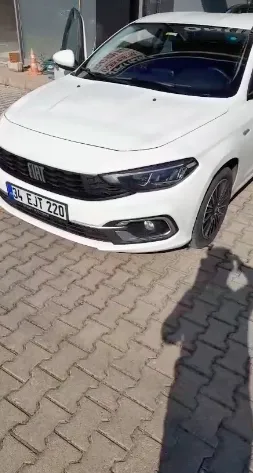
Renault Clio 5 in Turkey
everything went well, thank you. This was my second rental with this company, without any complaints.
Opel Astra Sedan in Turkey
We agreed at 18.00, but he arrived at 19.00. The car on the website was listed as 2021, but it turned out to be 2019. The car was clean, but smoky.
Ford Focus in Turkey
Everything went great. If I am in Istanbul again, I will do it again. We got a megane instead of a focus. But in general it was not a problem. The car is good.

Renault Taliant in Turkey
The best value for money! I got exactly the car I was hoping for and for the price I agreed on. There are no additional or hidden charges. However, there are nuances, knowing which can make the trip even better. Talk in advance about where, who and at what time you will meet at the airport exit, and how to act if you did not find each other. I wasn't met. Good thing I had internet access from my cell phone as WiFi outside the terminal didn't work. Clarify what cards are accepted for payment. Gazprombank's UnionPay didn't work for me (although it works in many outlets in Turkey). Tip to the aggregator: give the option of full, not partial prepayment. Be sure to take out a full package of all possible insurances. Find out if there will be coverage for windows/mirrors and tires. Not only inspect the car inside and out before acceptance, but take pictures of any defects, odometer and fuel readings. Don't be in a hurry to drive far away right away. Mechanical defects may appear on the move. On my car the robotized transmission worked badly, but I realized it only after a few kilometers, and did not return to replace the car. Fortunately, the car withstood all the way. Have a nice vacation!
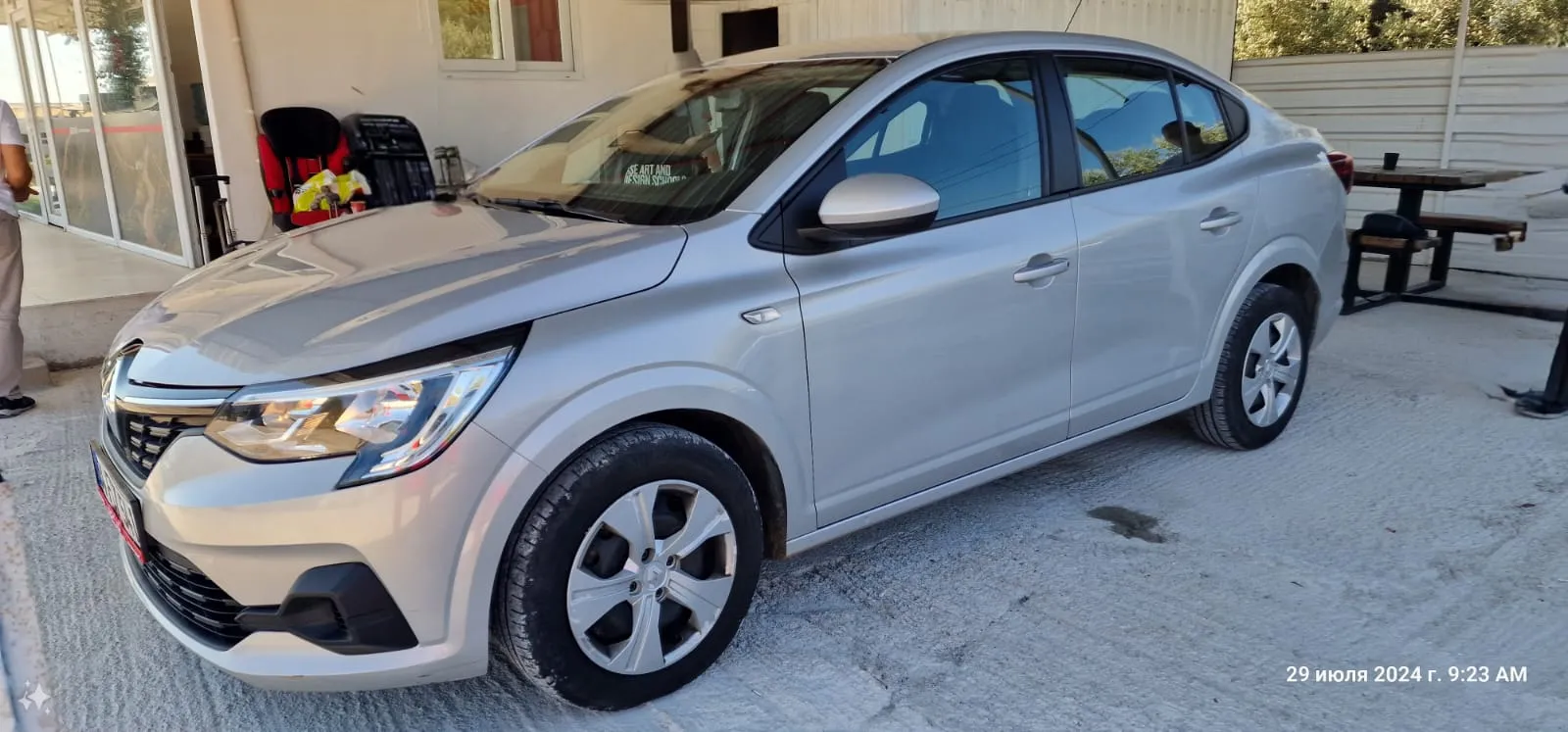
Citroen Space Tourer in Turkey
Everything went well. There are no complaints. Thank you very much!

Fiat Egea in Turkey
The car was taken quickly and without problems! The interior was clean, as well as the car itself. There were no problems with it during the whole vacation. We are very satisfied, we took it in cash with no deposit.

Ford Courier in Turkey
Everything was fine. No comments at all. Fast. The car is good
Fiat Egea Multijet in Turkey
Everything was great. Met and handed over the keys to the car. The machine is not to be said to be frisky, but it performed its functionality 100%. The delivery of the car was also fast. The master was polite. We forgot the cord from the phone, he found it and returned to us. In general, everything is excellent. Your service has already been recommended to friends and colleagues

-
Verified reviews on every car
See how this Egea or this Duster has actually performed, not an average for the supplier.
-
The price on the voucher is final
All taxes, basic insurance and fees are baked in — no recalculation at the desk.
-
Free cancellation up to 7 days
Direct messaging with the supplier lets you agree details with the person handing over the keys.
Tolls, bridges and HGS
Since March 2022 Turkey runs a single toll system on its motorways — HGS (Hızlı Geçiş Sistemi). Barriers were removed; neither cash nor cards are accepted at the toll point. Every rental car carries an active HGS sticker on the windscreen, and the charge is deducted automatically as you pass under the gantry.
You don't need to slow down at a toll gantry. The sticker reads at 30 km/h and at 110. What matters is that it's actually on the car.
Istanbul bridges
Bosphorus crossings have their own logic. On three bridges — 15 Temmuz Şehitler, Fatih Sultan Mehmet and Yavuz Sultan Selim — you only pay in one direction, Europe to Asia. Going back is free. The Osmangazi Bridge on the Istanbul–Izmir motorway and the Eurasia Tunnel under the Bosphorus charge in both directions.
A guest doing the Istanbul–Izmir loop in March paid Osmangazi twice and then routed back across 15 Temmuz for nothing. The difference paid for dinner.
What it costs
Rough 2026 figures: Eurasia Tunnel about ₺225 by day, Osmangazi Bridge about ₺795, Istanbul to Ankara around ₺150, Istanbul to Izmir around ₺500. Free alternatives exist almost everywhere but add 30–90 minutes.
HGS is billed after you return the car. A small admin fee on top is normal practice — ours is fixed in the contract from day one, no surprises later. Every car we offer ships with an active sticker, but it's worth confirming on collection.
Insurance and borders
Third-party liability (TPL) is mandatory by Turkish law and included in every rental. Basic CDW (Collision Damage Waiver) is usually bundled too, with an excess: you pay a fixed amount in case of damage and the insurer covers the rest. Standard exclusions: glass, wheels, rims, undercarriage, interior.
About 70% of guests take Full Coverage. In Istanbul or on Cappadocia's switchbacks, a $1,500 excess is one scrape on a wing. Full Coverage removes that risk for $8–15 a day.
What Super CDW covers
Super CDW (Full Coverage by some suppliers) covers glass, wheels, rims and theft, and zeroes the excess. It doesn't cover drink-driving over 0.5‰, off-road tracks, unpaid tolls or towing. For mountain routes it's standard; on the coast at Belek, Side or Kemer many guests stick with basic cover.
After an accident
After any incident, even a small scratch, call 154 (traffic police) and wait. The police report is mandatory — without it no insurance pays out, and the repair comes out of your deposit. Don't move the car until the police arrive; tell your supplier in parallel.
Don't try to settle on the spot. Without the police report Turkish insurance doesn't trigger, and the renter ends up alone with the bill.
Crossing borders
Usually not allowed. Insurance is void at the borders with Greece, Bulgaria, Armenia and Iran. Georgia is sometimes possible with written permission. Northern Cyprus by ferry from Taşucu is occasionally allowed with a supplier's signed approval.
Rates in Turkey vary throughout the year depending on the season and the rental length in days.
- January
- February
- March
- April
- May
- June
- July
- August
- September
- October
- November
- December
- Jan
- Feb
- Mar
- Apr
- May
- Jun
- Jul
- Aug
- Sep
- Oct
- Nov
- Dec
 How expensive is renting a car in Turkey: average daily rates for a one-week car rental, across all car classes. Delivery across Turkey not included.
Frequently asked questions
Yes. One-way rentals are available between major cities and airports, including Istanbul–Antalya, Antalya–Izmir and Antalya–Dalaman. The fee starts at around $200–300, depending on the distance and supplier. Availability can be limited in the high season, so book early. Returning the car outside Turkey is not permitted.
Not by law, but strongly recommended in eastern Turkey, the Taurus mountains, Cappadocia and the Black Sea coast from November to April. Snow chains are useful as a back-up on steep mountain roads. Studded tyres are forbidden anywhere in Turkey. For Antalya, Bodrum and Izmir, winter tyres are usually unnecessary.
It happens more often in Turkey than in Western Europe. Some suppliers hand the car over with a minimal amount of fuel and ask for it back the same way — the full-to-full convention isn't universal here. Photograph the dashboard at collection and make sure the fuel level is recorded on the inspection sheet by the supplier.
Not with most of our local suppliers. You can use a debit card or Maestro for the online prepayment, then pay the remaining balance and refundable deposit in cash when you collect the car, in euros, US dollars or Turkish lira. International chains usually require a credit card in the main driver's name.
Yes. Licences issued in the EU and EEA are accepted directly, and UK licences are accepted for tourist visits of up to six months from the date of entry. If you have an older paper UK licence or are staying for an extended period, carry an International Driving Permit as well. Licences written in a non-Latin script generally require an IDP.
EU drivers do not normally need an International Driving Permit. UK guidance recommends carrying one, and it can be obtained before travel. Although most rental desks accept a UK licence without an IDP, the permit can help avoid misunderstandings during a police check, particularly on a longer trip.
The minimum age is usually 21, with at least two years of driving experience. Premium cars, 4×4s and minivans generally require a minimum age of 25. Drivers aged 21–24 may pay a young-driver fee of around $10 per day. There is rarely a fixed upper age limit, although some suppliers request a medical certificate from drivers over 70.
The deposit depends on the car category: around $100 for an economy car, $200–300 for a mid-size car and up to $500 for a minivan. Local suppliers usually accept the deposit in cash and return it when you hand back the car undamaged. Some cars are available without a deposit if you purchase Full Coverage in advance.
Istanbul Airport (IST) is convenient for the city and north-western Turkey, while Sabiha Gökçen (SAW) is closer to Istanbul's Asian side. Antalya Airport (AYT) is the main hub for the Turkish Riviera. Dalaman (DLM) serves Marmaris, Fethiye and Ölüdeniz; Bodrum (BJV) is convenient for the Aegean coast; and İzmir (ADB) is best for Ephesus and Çeşme.
HGS is the only electronic toll system on Turkish motorways since 2022. Every hire car has an active sticker and the charge is deducted as you pass under the gantry. Rough figures: Istanbul to Ankara around ₺150, Istanbul to Izmir around ₺500. The supplier bills HGS after the car is returned, with a small admin fee fixed in the contract.
Only when crossing Europe to Asia. The three suspension bridges (15 Temmuz, Fatih, Yavuz) are free in the opposite direction. The Osmangazi Bridge on the Izmir motorway and the Eurasia Tunnel under the Bosphorus charge both ways. Payment is HGS only — neither cash nor cards are accepted at the toll point.
The blood-alcohol limit is 0.5‰ for drivers of private cars. Stricter limits apply to professional drivers, commercial vehicles and some other vehicle categories. The fine for a first offence is around ₺6,400, and rental insurance becomes invalid if the driver is over the applicable legal limit.
Yes. A police report is normally required for any damage, including a small scratch. Without one, the insurer may reject the claim and the repair cost may be deducted from your deposit. Call the traffic police, do not move the car until instructed, and notify the supplier at the same time so they can guide you through the process.
Crossing into Greece, Bulgaria, Armenia, Iran, Syria or Iraq is not allowed — insurance is void at the border. Georgia is sometimes possible with individual permission and a surcharge of $100–200. Northern Cyprus is occasionally allowed by ferry from Taşucu or Mersin with written approval. The Republic of Cyprus is closed to Turkish hire cars.
Some Turkish suppliers limit mileage to 150–250 km per day, rather than offering the unlimited mileage common elsewhere in Europe. Additional kilometres cost around $0.20–1 each. For long routes such as Istanbul to Cappadocia, about 730 km, or Antalya to Pamukkale, about 240 km, choose a rate with unlimited mileage when booking.