


Pickup


Return
🎁 Use code WELCOME3 during checkout to get discount on your first booking with us. Enjoy! ☀️

Car hire in Greece is one of the most affordable ways to see the country beyond the cities. The market sits between two worlds: international chains with desks at the airports, and local family-run companies that meet you by surname and complete the paperwork in five minutes. Prices here are among the lowest in Europe, and route options run from a short city loop with car hire in Athens to a two-week mainland circuit through the Peloponnese and Meteora.
A host at ATH met a couple last June off their Aegean flight, signed the contract kerbside, walked them around a white Fiat Panda and waved them off in under twelve minutes — the airport queue at the chain desks was still snaking past the kiosk.
Greece splits into three rental scenarios. First, the mainland: Athens, Meteora, the Peloponnese, Delphi. A car opens up the country, because intercity public transport is slow. Second, a single large island: car rental on Crete, Rhodes or Corfu, where without a car the route gets clipped. Third, island-hopping through the Cyclades or the Dodecanese — here it's usually cheaper to rent on each island and take the ferry as a foot passenger.
Greek rental has its own rhythm — a meet at the kerb, a walk around the car, a quick word about where the tow trucks work, and a WhatsApp number left open for the whole trip.
When choosing a car, watch the gearbox. Automatics are still uncommon and run 40–60% above manuals. And the season: summer prices on the islands sit higher than on the mainland, while in winter most island offices run on a half-shift schedule.
How much does car hire in Greece cost
Price depends on three things: season, pickup location and class. According to our data, the average daily rate for an economy car in April is around $43, in May and September it sits in the $46–61 range, and in August it climbs to $73. The peak-vs-shoulder gap is nearly twofold, and that's often the deciding argument to push the trip from July to late September.
A family who shifted their Crete week from August to the third week of September last year paid roughly $48 a day on a Hyundai i10 instead of the $73 they had been quoted for the peak — same beach, same paperwork, different invoice.
The island segment runs 20–40% above the mainland — especially car rental on Santorini and car hire on Mykonos, where the small fleet sells out a week ahead in July and August. Crete and Rhodes are calmer: bigger fleet, but you should still book ahead.
A guest who tried to walk up to a Santorini desk on the 5th of August found exactly two cars on the screen: a tired one-litre manual and an eight-seat minivan. Both gone by lunchtime.
Look at the total cost, not just the daily rate: from 14 days, most companies offer 20–30% off. And mind the fuel policy. Full-to-full is the friendly version — you return the car at the same level. Full-to-empty means you pre-pay the whole tank with no refund on what's left, and that's rarely a good deal. There are no hidden fees on TakeCars: the price you see covers insurance, delivery and any young-driver supplement.
Browse cars in popular areas
Most tourists in Greece start their trip here
How we work in Greece
TakeCars is not a classic rental chain — it's a marketplace of vetted local Greek operators. You see the actual supplier and the actual person before booking, you read reviews under the specific car (not just an averaged company score), and from the car page you can message the supplier directly with a delivery question or ask to meet at your hotel rather than at the office.
The same white Fiat Panda often shows up from three different Athens suppliers on the same screen — pick the one whose pickup point is nearest your hotel, not the only one a chain happens to offer.
Booking is instant. No "let me check the fleet" emails, no waiting for confirmation. Free cancellation works up to 7 days before pickup, which matters in Greece, where plans shift around ferries, weather and the latest local recommendation. The deposit and the payment method are visible before you book, and the small print isn't tucked away — every supplier is vetted and their terms live in one table.
Open the supplier profile before you commit — you'll see how many reviews they have, which cars they rent most often, and which real customers have already driven the model you're eyeing.
Payment is straightforward European: most cards work for the online deposit, the rest is settled in euro cash on arrival, and quite a few suppliers — including on car hire on Rhodes — offer a no-deposit tariff with full insurance included.

Fiat Panda on Rhodes
All good, brought and picked up the car on time, very comfortable, great guys
Toyota Aygo X-Wave Open Top in Crete
thanks a lot for good service!! Will recommend you to my friends. Next time I will only go to you.
Peugeot 208 in Greece
I can say only good things about renting a car. The car was delivered to the airport, an employee met us, quickly completed all the documents, explained everything about the car. The car itself is in excellent condition, I received only positive emotions from driving. We handed over the car at the airport, gave the keys and that was it, no formalities.


Fiat Panda on Rhodes
Everything was very well organized from picking up the car to returning it. The car was perfect! I recommend!!!
Fiat Tipo in Crete
Things are good. Positive impressions from both the car and the owner. Next time I will start searching for a car from your website
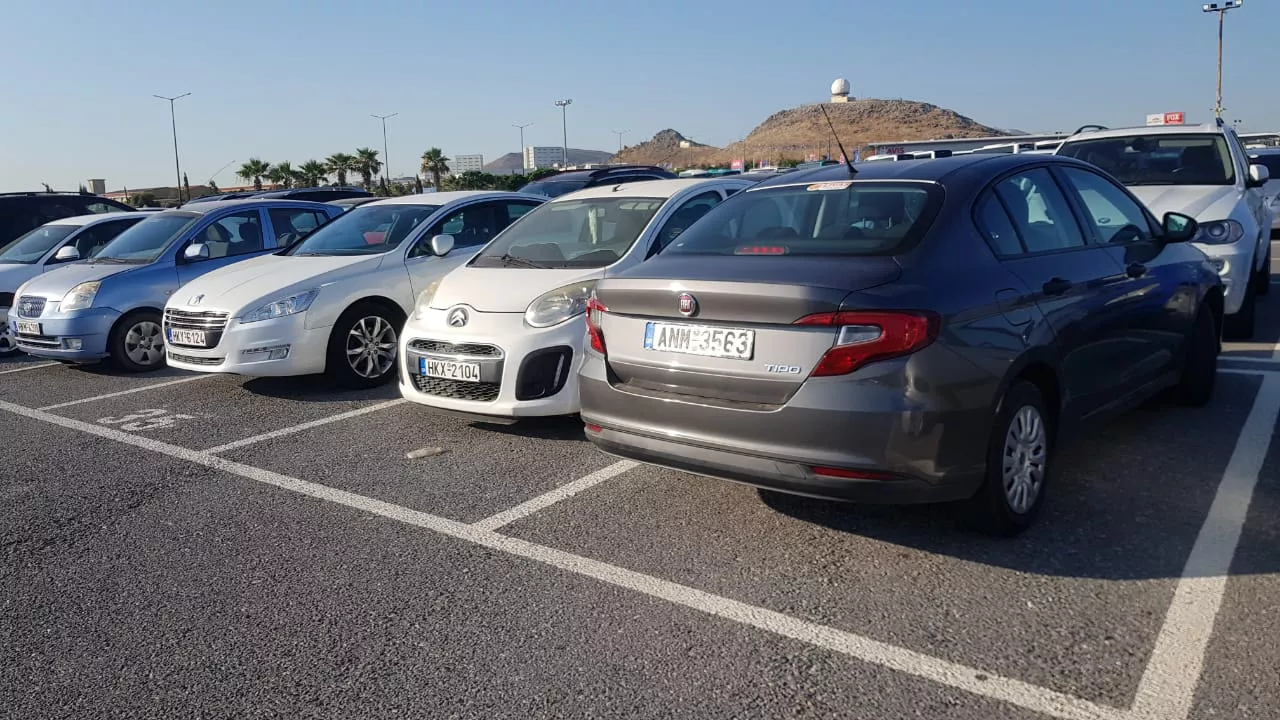


Fiat Panda Cross in Greece
We were very happy with the car. Everything was perfect. Communication with you was so easy and nice. We are so happy we took the car from you and definitely when we are definitely doingit againnext time when we come and we would like to take it directlyfrom you next time. Tha k you so much for everything.

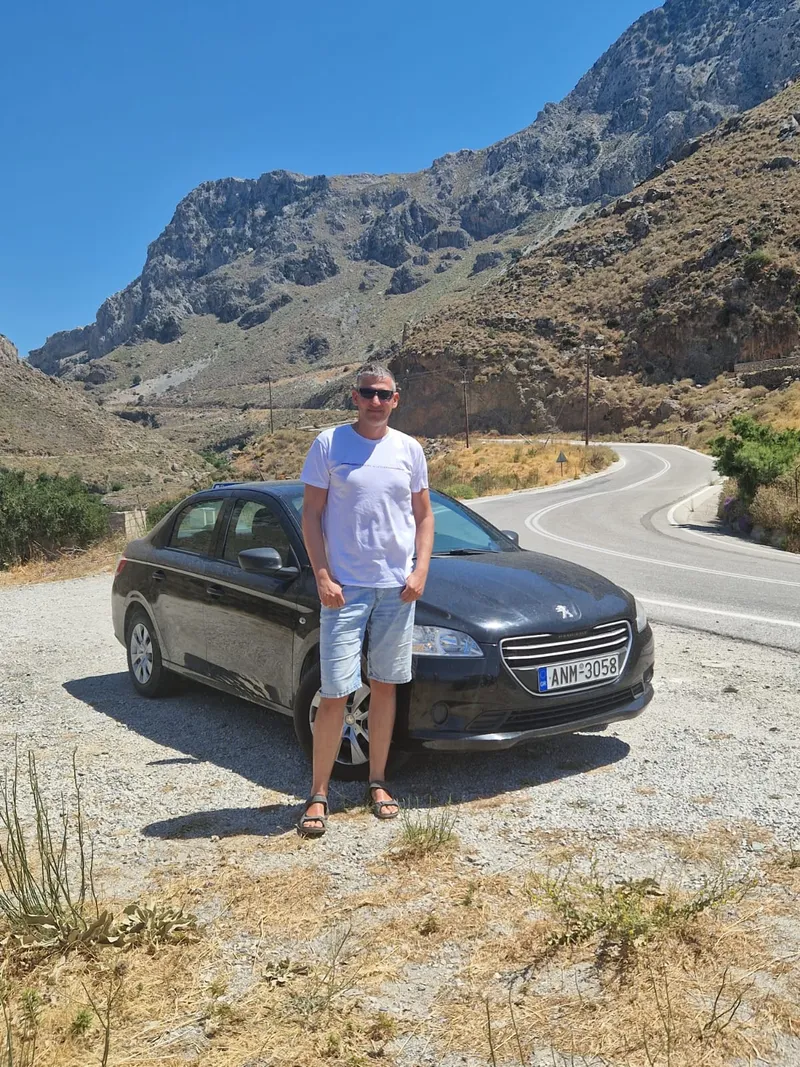
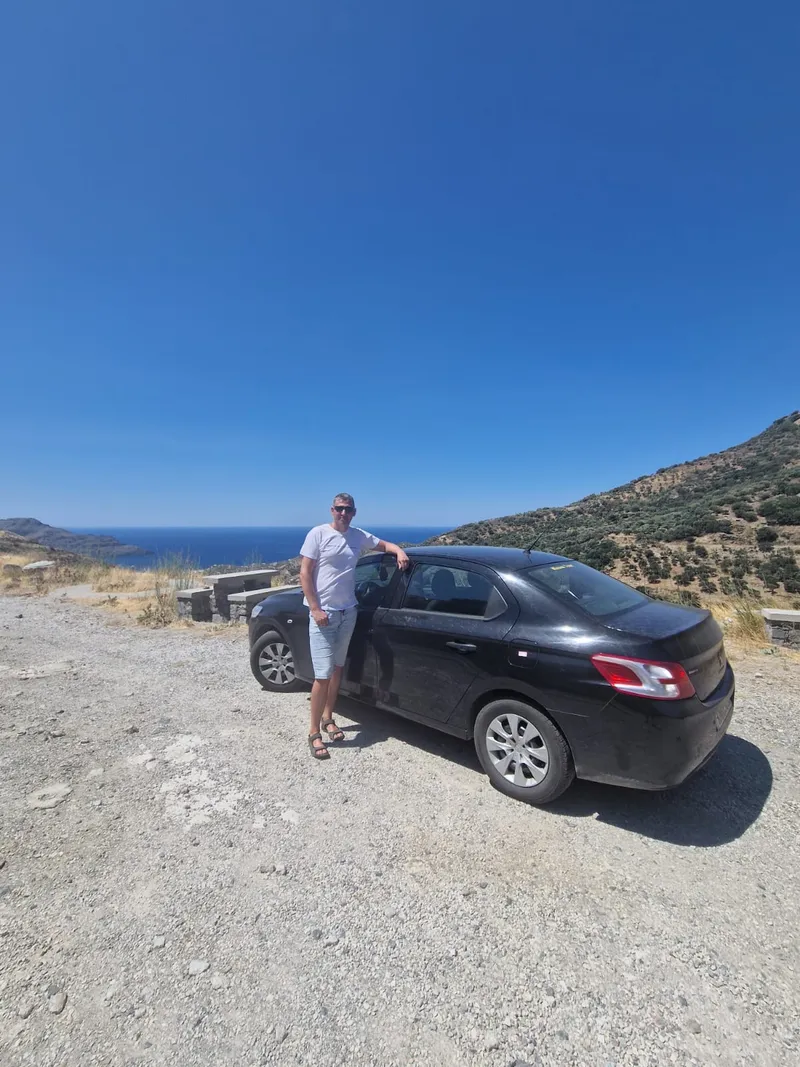

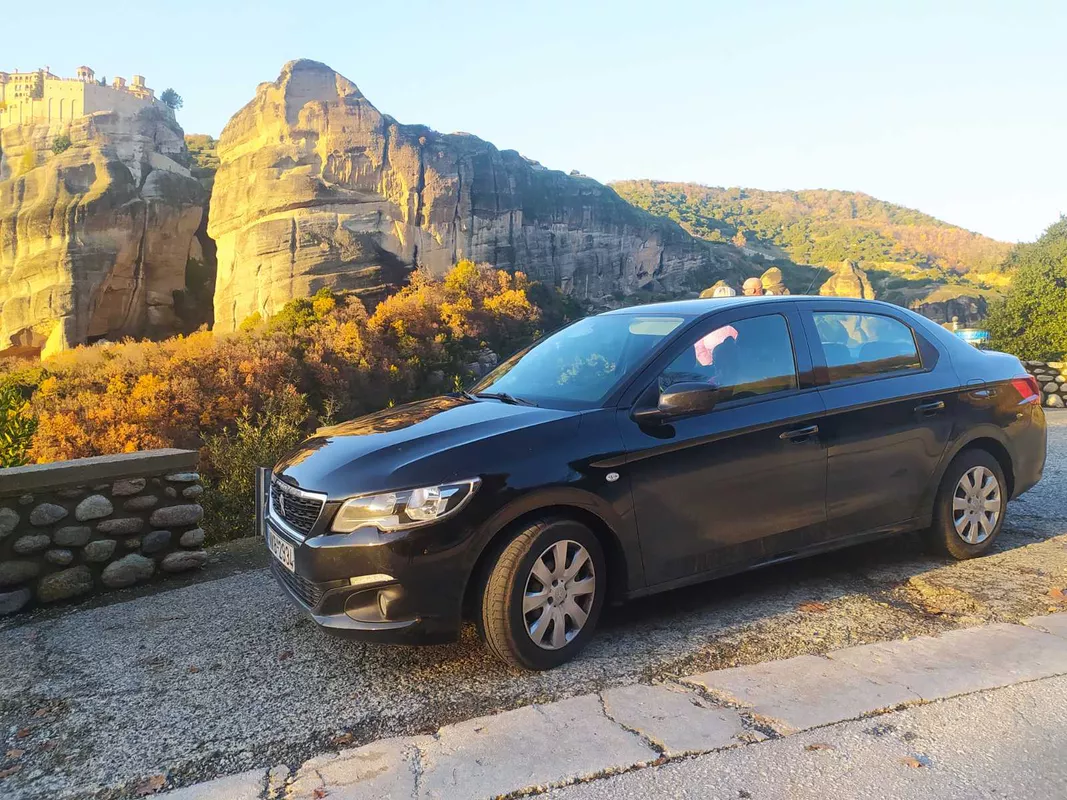
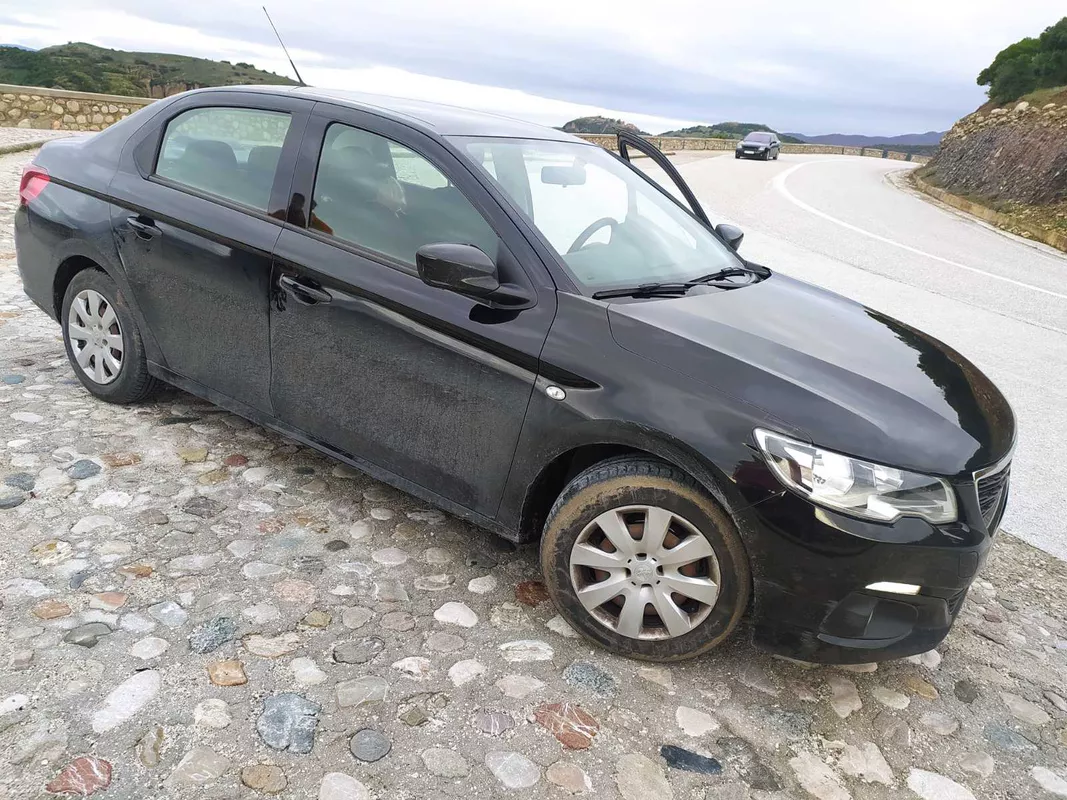
Peugeot 301 in Greece
We are delighted with the service, the serviceability of the car and everything that allowed us to rest comfortably. The girl Natalia, who brought us a car towards us, was polite, courteous, attentive to all our questions. We are very satisfied with your project and the work of all employees. Hello Natalia)
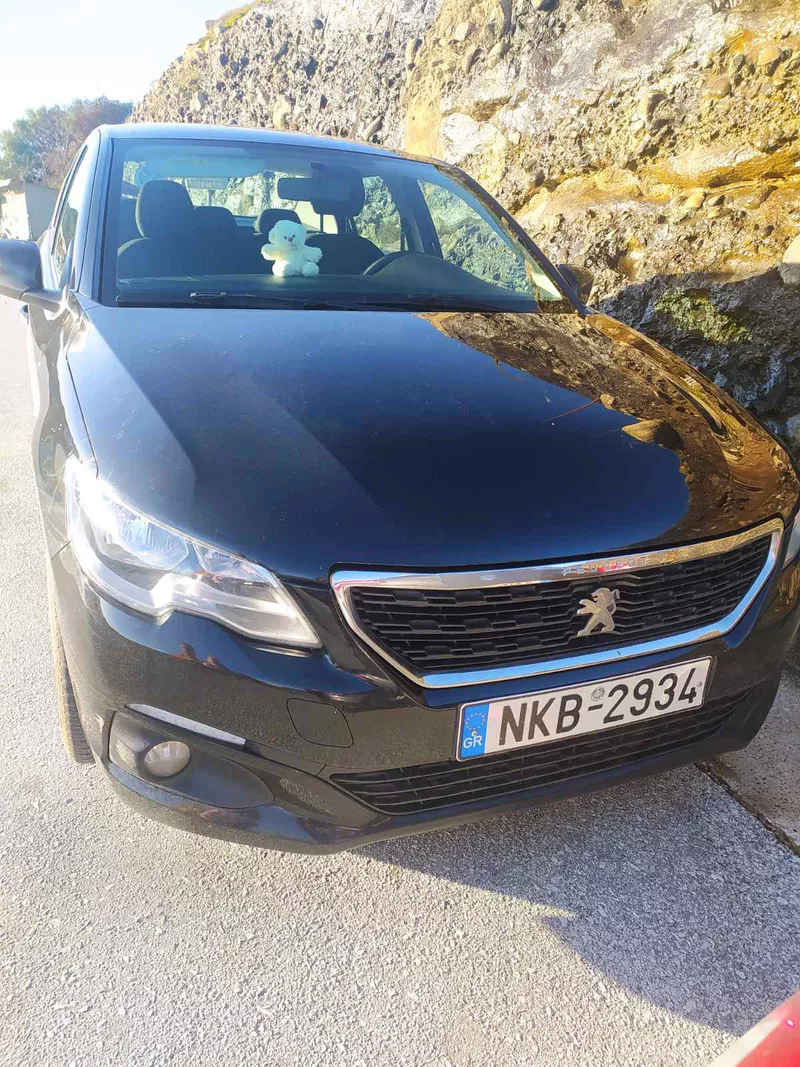
Volkswagen Eos on Rhodes
I am very happy to rent a car from takecars.com. The agent took very good care of me. The car was a VW Eos Cabrio with clean and good condition. From now on, my rental company is obviously TAKECARS.COM With love Jem

SEAT Altea in Greece
Car rental was no problem, convenient and at the time of filing and convenient car return. The machine met the declared specifications. Thank you for organizing.
Take Cars in Greece
A local Greek operator meets you at the airport exit, points you to the safest parking near your hotel, and leaves a personal WhatsApp number open for the whole trip. A big chain doesn't work that way.

-
Real reviews on every car
You see not the company's overall score but the actual review for the very Hyundai i10 or Fiat Panda you're booking.
-
Instant booking, no waiting
Confirmed in seconds — no back-and-forth emails about fleet availability.
-
Free cancellation up to 7 days
Plans shift around ferries, weather or the route — you cancel without a fee and re-book on new dates.
Driving in Greece
Since 13 September 2025, a new Traffic Code has been in force in Greece. Penalties for serious offences are 2–3 times higher, a repeat-offender rule has been introduced (the timer doesn't reset on the next breach), and new speed limits arrive in 2026.
Speed limits and fines
50 km/h in town, 90 on rural roads, 110 on expressways, 130 on motorways (with a 60 km/h minimum). Speeding up to 20 km/h — €40, up to 30 — €100, over 30 — €350 plus a 60-day ban. Phone in hand without hands-free — €350. Red light — €700+. Seatbelt — €350.
A guest who scraped a wing mirror in Rethymno last August paid the on-the-spot ticket at a Piraeus Bank counter four days later and got the 50% discount — €175 instead of €350. The trick is the ten-day window, not the location.
Alcohol
The standard limit is 0.5‰. For drivers under two years' experience, motorcyclists and professionals it drops to 0.2‰ — effectively zero. Under the 2025 Code, 0.5–0.8‰ means a €350 fine and a 30-day ban; 0.8–1.1‰ means €700 and 180 days; above 1.1‰ means €1,200 and a criminal record.
Radar detectors and jammers are fully banned in Greece — a criminal offence with fines up to €2,000. Don't bring a detector from a country where it's legal.
Driving style
In cities, especially Athens, locals drive briskly and treat signs as advice. On rural roads goats and dogs appear suddenly — keep your distance.
On the narrow roads of Crete and the Peloponnese, don't squeeze against the kerb — the alloy rim scrapes against the limestone before you hear it, and that's the most common summer insurance claim our hosts file.
Tolls, bridges and parking
The Greek toll system uses gates, not vignettes — you pay each time you pass.
Toll motorways
The main routes are Attiki Odos (the Athens ring road), Olympia Odos (Athens — Patras), Egnatia Odos in the north and Nea Odos. A single gate normally costs €1.50–€2.80 depending on the operator. Athens to Thessaloniki on the E-75 motorway is around $32 one way, to Patras about $11. Rule of thumb: budget $7–11 per 100 km of Greek motorway.
Attiki Odos is the only motorway with mandatory electronic tolling — they don't take cash at the gates. Local suppliers usually have the transponder fitted to the windscreen already; ask before you set off to avoid a bounce-fee notice in the post.
Rio-Antirio bridge
The Rio-Antirio crossing of the Gulf of Corinth is one of the priciest single tolls in Europe: a passenger car pays around $14 one way. Right next to it runs the Rio — Antirio car ferry at about $13: slower, scenic, often without a queue. Heading from Athens towards the west coast and car rental on Corfu, you cross the gulf either way.
Parking
Athens runs its own logic, different from the rest of Greece: white markings — paid parking for visitors, blue — residents only, yellow — no parking. Across the rest of Greece the colours are standard: blue is paid public, white is free. In Thessaloniki the city centre is around €3.50 per hour, on Rhodes — €3, on Crete it's mostly free.
In Athens, aim for a hotel garage or one of the downtown underground car parks. A couple last spring circled Plaka for forty minutes before paying €18 to park under Syntagma — still cheaper than the tow charge they nearly earned.
Always read the kerb sign in Athens before you walk away from the car. The tow truck moves fast and the recovery yard sits on the opposite side of the ring road.
Mainland and islands
A car in Greece is a route builder. The first decision is mainland or island, because moving a hire car between them is rarely a good idea.
Mainland
Car hire in Athens is the usual starting point: Delphi, Meteora, Evia and the Peloponnese sit within 3–6 hours. To the north — car rental in Thessaloniki, Halkidiki, the quiet beaches of Kassandra and Sithonia. The southern Peloponnese starts with car hire in Kalamata — the gateway to the Mani, the Messinian Gulf and Ancient Olympia.
Athens to Delphi to Meteora over five days is one of the most underrated drives in Europe. Set off early, lunch in Arachova, sleep under the rocks at Kalambaka. A car isn't the option here. It's the spine.
Islands
Car rental on Crete is essentially required for a 7+ day stay: the island is huge and east-west public transport is weak. Car hire on Rhodes opens the southern Prasonisi beaches and the mountain villages of Embonas. Car rental on Corfu is about the northern coastal bends — you can't see them any other way. On car hire on Zakynthos, people rent for Navagio cove and the west coast.
Car rental on Santorini and car hire on Mykonos is its own story: short distances, tight parking, but the car gives peace of mind when the buses are packed. Hopping between several Cyclades, rent on each island separately. CDW doesn't apply on the ferry crossing.
Taking a hire car from the mainland to an island only earns its keep on a single short trip. For two weeks or more, picking up a fresh car on the island almost always wins on price and on insurance.
The numbers usually decide for you: ferry slot, days off the mainland fleet, and the deposit hold that doesn't release until you return the car. Run them on the booking screen before you commit.
Rates in Greece vary throughout the year depending on the season and the rental length in days.
- January
- February
- March
- April
- May
- June
- July
- August
- September
- October
- November
- December
- Jan
- Feb
- Mar
- Apr
- May
- Jun
- Jul
- Aug
- Sep
- Oct
- Nov
- Dec
 How expensive is renting a car in Greece: average daily rates for a one-week car rental, across all car classes. Delivery across Greece not included.
Frequently asked questions
For EU and EEA driving licences, no. A national licence in Latin script together with your passport or ID is enough. Non-EU European licences in Latin script are also accepted in practice, including UK ones. Some island desks may suggest you "top up" with an IDP, but that's an upsell rather than a legal requirement — you're free to decline.
Yes, with most local Greek suppliers a debit card and cash are both accepted for the on-site balance. International chains usually still require a credit card in the renter's name for the deposit hold. The deposit method is visible on TakeCars before you confirm — pick a supplier whose terms match what you carry.
An economy car in shoulder season starts at $43 a day; in peak July–August it climbs to $73 on the mainland and higher on the busy islands. Automatics run 40–60% above manuals. Most operators offer a 20–30% discount on rentals from 14 days.
Hiring locally is almost always the better option. The ferry slot for a car costs $65–160 one way, and CDW does not apply during the crossing for most Greek operators. On Crete, Rhodes and Corfu there are local suppliers with competitive prices and delivery to your hotel.
The new code introduced a repeat-offender principle: the timer does not reset on the next breach. Penalties for alcohol, speeding, phone use and seatbelt offences rose 2–3 times. The 50% discount for paying within 10 days at the Public Treasury is preserved. Updated speed limits arrive in 2026.
Around $32 one way on the E-75 motorway — roughly 500 km. Each gate costs €1.50–€2.80 depending on the operator. As a rule of thumb, plan for $7–11 per 100 km on Greek toll motorways.
Around $14 one way for a passenger car — one of the priciest single tolls in Europe. The alternative is the Rio — Antirio car ferry next to it at about $13: a 10–15 minute crossing, usually without a queue.
Third-Party Liability (TPL) is included by Greek law. Basic CDW with an excess is usually included as well. Glass, wheels, alloys and the underbody are normally not covered by basic CDW — Super CDW is the upgrade for that. On islands with twisty roads and tight parking, Super CDW pays for itself in a couple of days.
The standard is 21 with at least one year's licence. Some local Greek operators rent from 19–20 with a $5–15 per day young-driver fee or a flat ~$50 surcharge for the rental. Premium and SUVs typically start at 25. The upper age limit is 70–75, occasionally 80 on the islands.
Yes. Many local Greek suppliers on TakeCars offer no-deposit tariffs with full insurance included. International chains usually still hold $550–1,650 on a credit card in the renter's name. The deposit amount and method are shown before you book.
In Athens the colours are inverted vs the rest of Greece: white markings — paid parking for visitors, blue — residents only, yellow — no parking. Elsewhere in Greece it's standard: blue paid, white free, yellow forbidden. The tow truck in central Athens works fast, so check signs before you walk away.
95 RON petrol is around €1.72 per litre, 98 — €1.85, diesel — €1.55. Stations on toll motorways sit €0.40 per litre above ordinary ones. Many rural stations close 19:00–22:00 and don't open on Sundays — fill up in larger towns and ahead of time.
The 0.2‰ limit (effectively zero) applies to drivers with under two years' experience, motorcyclists and professional drivers. Everyone else has 0.5‰. Under the 2025 Code, exceeding the limit starts at a €350 fine and a 30-day driving ban.
Athens (ATH) usually has the widest fleet and the lowest prices thanks to volume. Thessaloniki (SKG) is close behind. Island airports — Heraklion, Chania, Rhodes, Santorini, Mykonos, Corfu — sit 20–40% higher, with Santorini and Mykonos topping the table on a small-fleet effect.
Call 112 — the European emergency number with English support. Police are required to attend any accident with damage. Don't move the car before they arrive. Photograph everything, notify the supplier within 24 hours, and don't sign documents in Greek without a translation — otherwise the insurance may not pay out.