


Pickup


Return
🎁 Use code WELCOME3 during checkout to get a discount on your first booking with us. Enjoy! ☀️

Car hire in Heraklion is your gateway to Crete. Heraklion "Nikos Kazantzakis" Airport (HER) sits 4–5 km east of the city, with rental desks in the arrivals hall, so you can be on the road within fifteen minutes of landing. The island is large, distances are long and buses are limited — any sensible Crete trip starts with a car.
Pickup at HER is one of the easiest in Greece: no shuttle to an off-airport lot, no long transfer. The north-coast highway puts the west (Rethymno, Chania) and the east (Agios Nikolaos, Elounda) within easy reach from the same Heraklion base.
A couple landed on a late TUI flight from Manchester and were on the highway to Agios Nikolaos forty minutes after touchdown. The car was waiting in the dedicated lot, two minutes from arrivals — no shuttle required.
On Crete you need a car for the beach, the mountain taverna and Knossos. Taking one for the full stay works out cheaper than treating it as a two-day novelty.
Picking up at Heraklion Airport (HER)
Most HER rental desks are in the arrivals hall, with a handful of smaller suppliers just outside the terminal. The cars sit in a dedicated lot a few minutes' walk away — no shuttle, no transfer. After passport control, ten to fifteen minutes to the wheel is normal.
Late flights and out-of-hours pickup
Many HER suppliers cover early and late flights, but pickup in the night window (about 23:00–07:00) often carries a surcharge or has to be pre-arranged. Confirm staffed hours against your flight time — smaller agencies close overnight. If your flight lands in Chania, see Car hire in Chania separately.
Hotel and port delivery
Many local suppliers deliver to your hotel, to Heraklion port or to a city address — often free within a few kilometres. Useful for late landings or old-town stays.
A family flying in on the 01:20 Ryanair from Athens messaged the office at boarding. The contract was signed at the kerb, keys handed over, and they were checking into their Lyttos hotel by 02:30 — no taxi roulette.

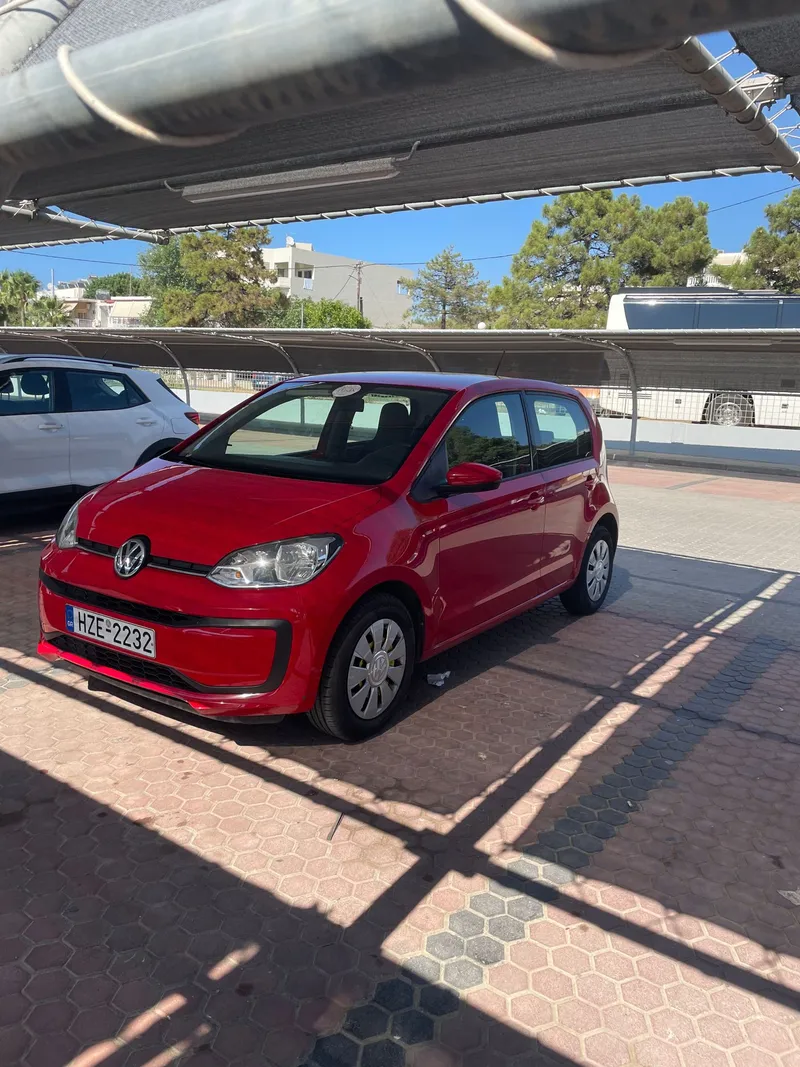
Fiat Panda Cross in Greece
Everything was perfect, very conveniently received, we were met with a sign at the airport, promptly handed over the car, in general there were no problems with the car during the trip. Thank you very much)


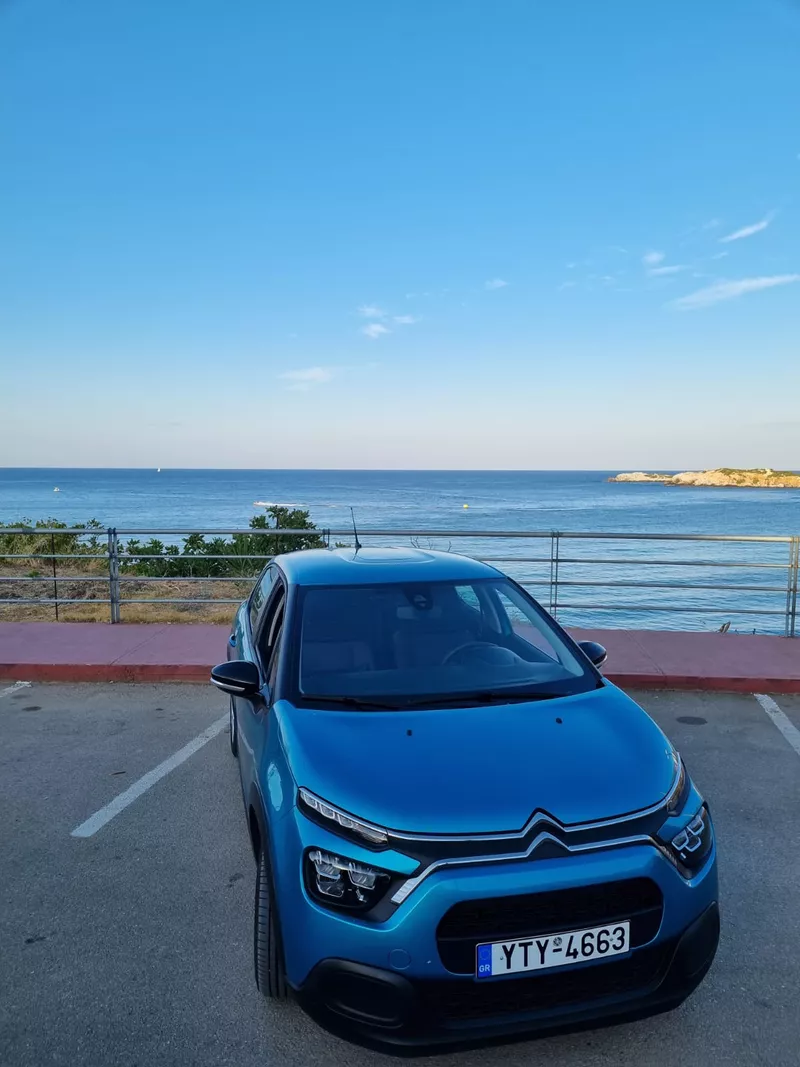
Citroen C3 in Crete
Agent from Citroen met with a sign at the ferry! The car was new, explained everything, suggested!

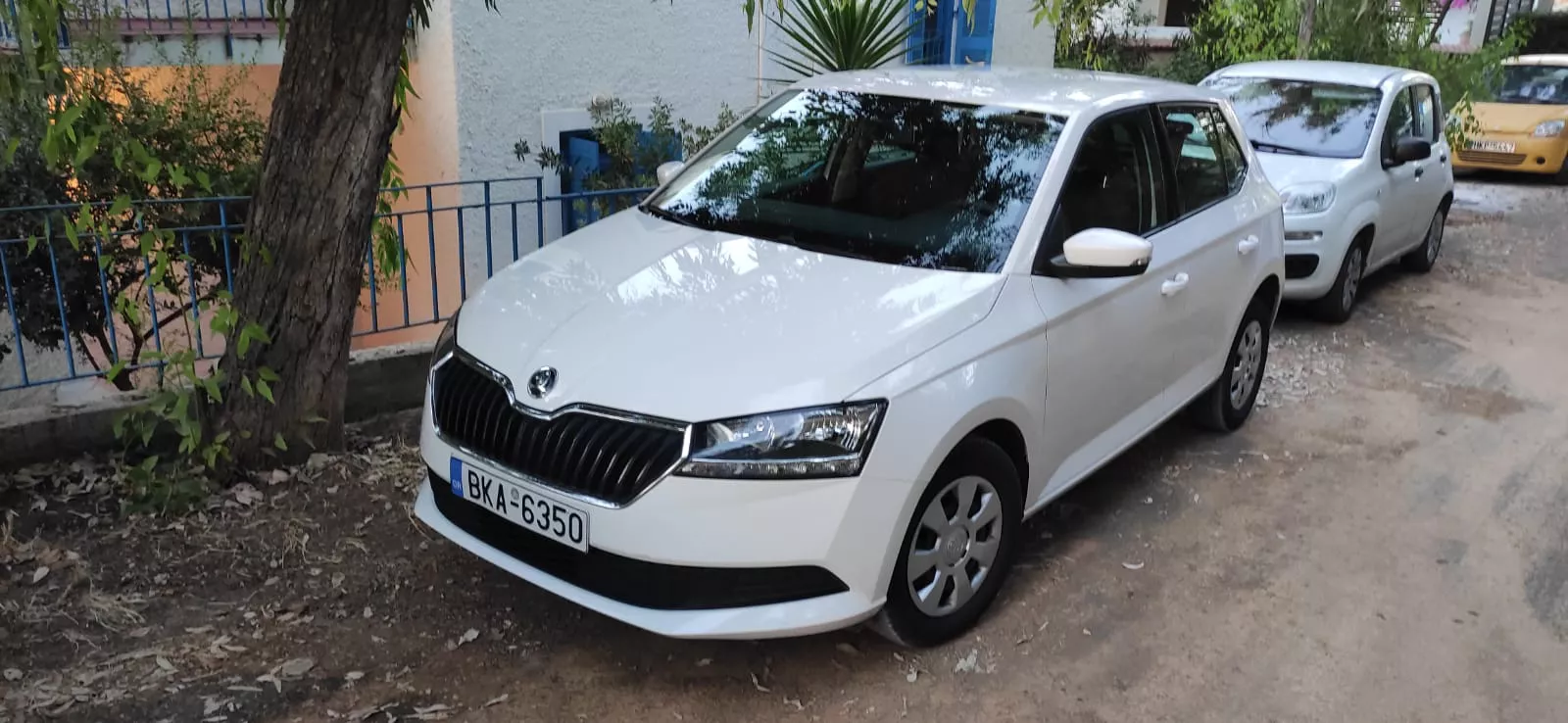
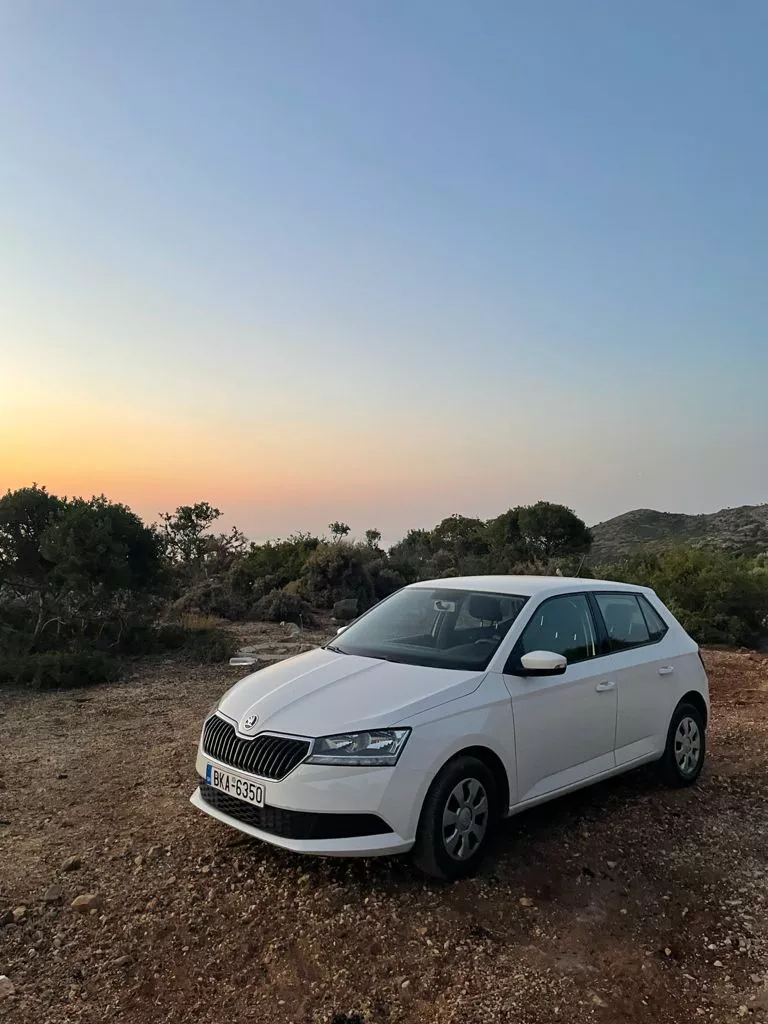
Skoda Fabia in Crete
Everything is fine, the car is beautiful, it was served exactly on time. All the details were discussed in advance, everything was fine.
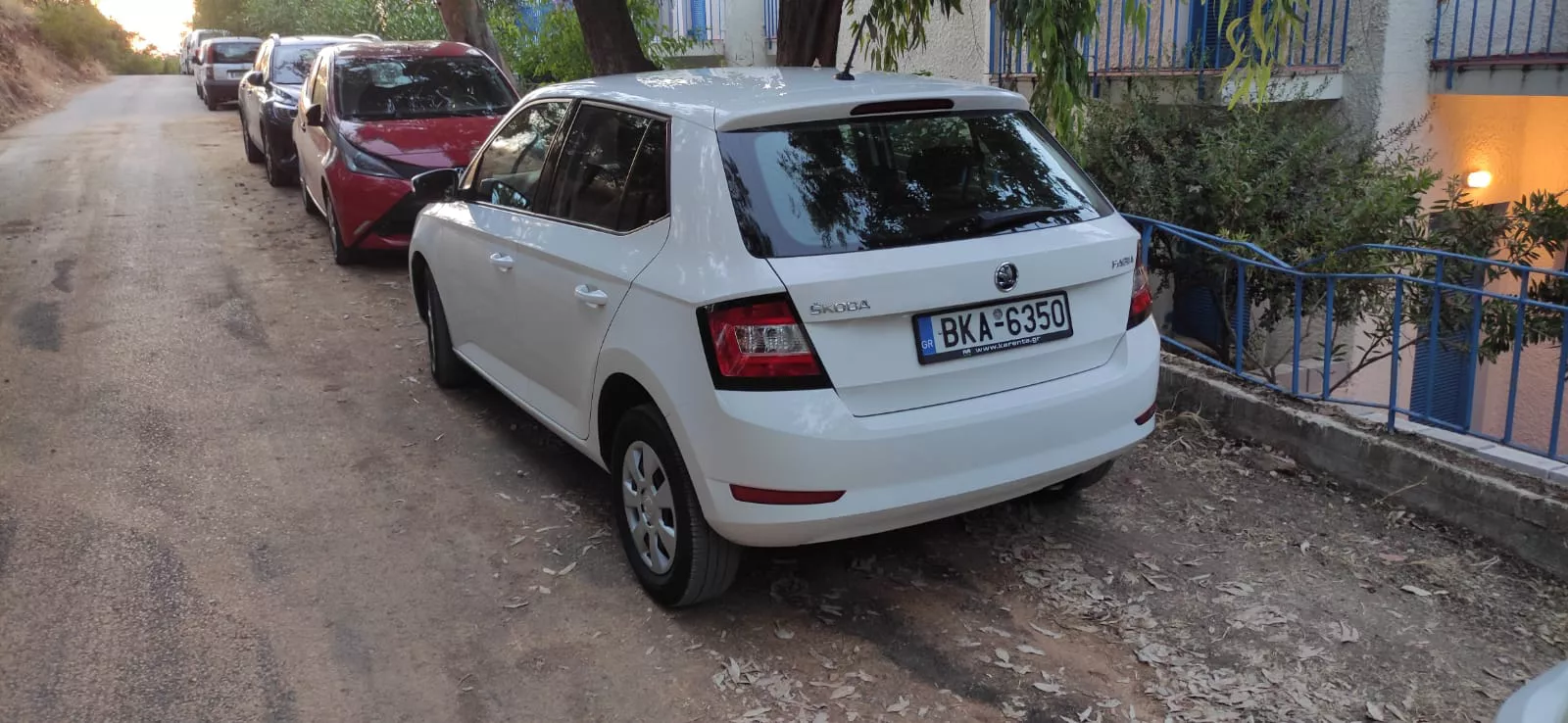

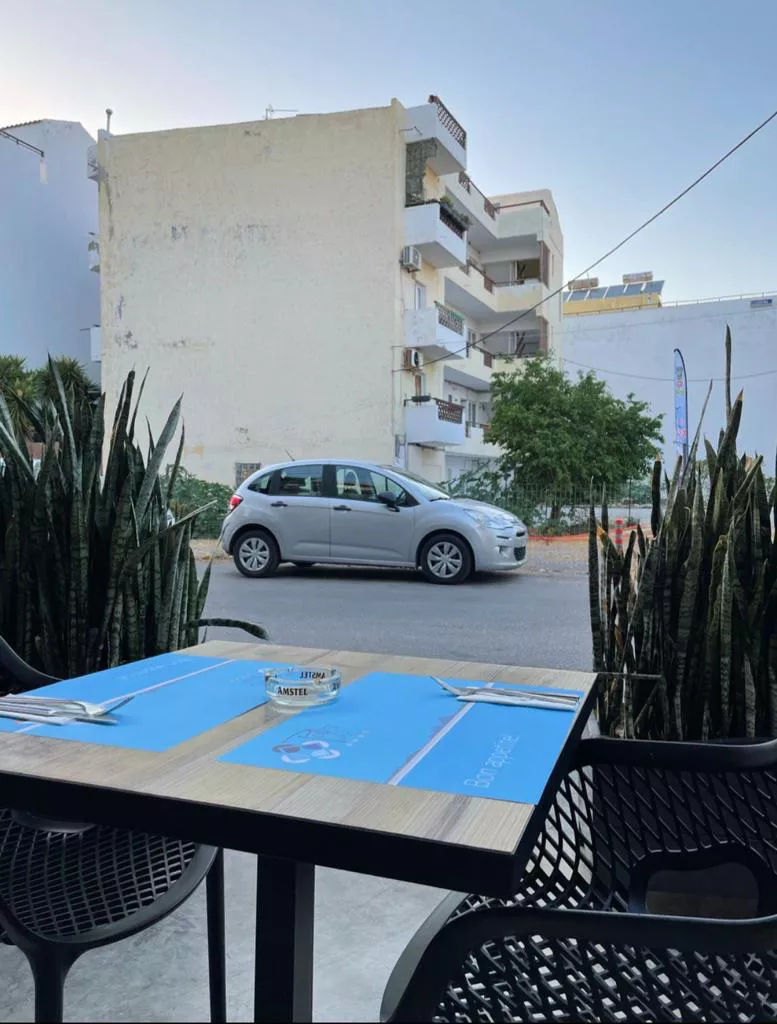
Citroen C3 in Crete
I liked everything very much, delivered as ordered directly to the hotel at the specified time, and left the keys there, the car was later taken away. The service is super. Thank you, we will recommend it.
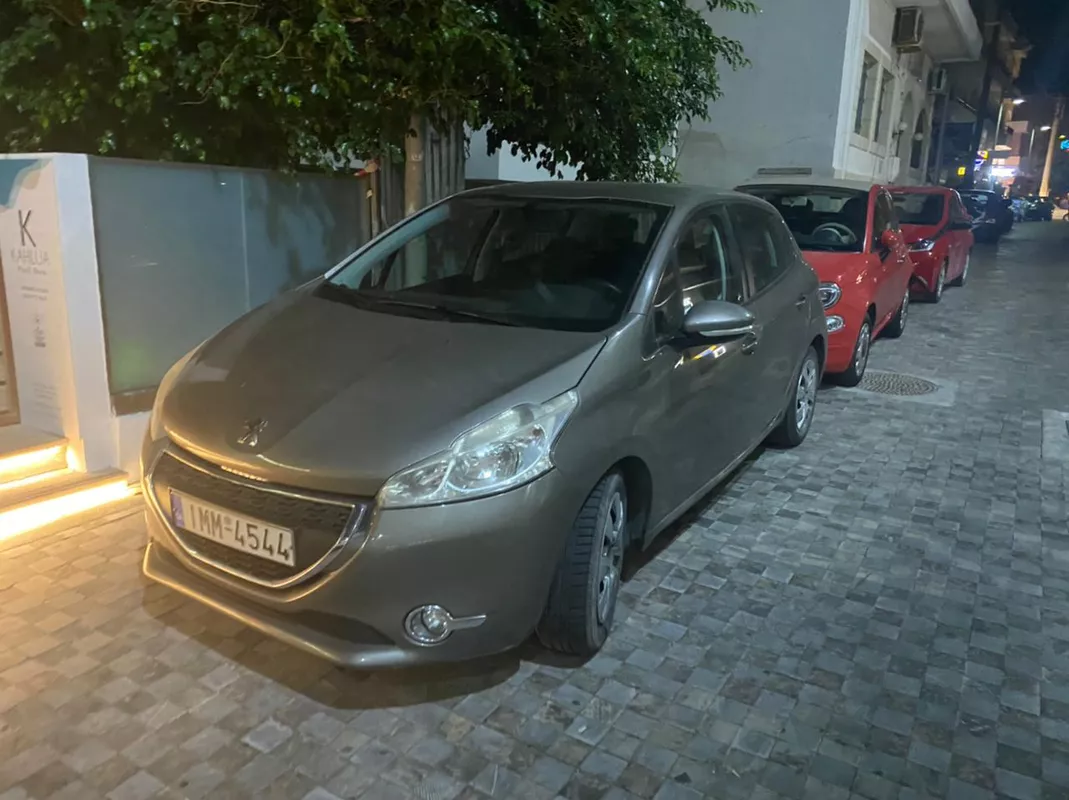
Nissan Micra in Crete
Thank you, everything is fine, the car was delivered to the hotel at the specified place and time, the car was in average condition…. satisfied !!!
Skoda Octavia in Crete
The car was a Skoda Octavia, produced in 2011, as for me this is an old car for rent, we do not have cars older than 2017 in Ukraine, then the level of technical fluids in the car, apparently, is not checked, because one day the indicator for the absence of antifreeze came on, I had to buy and refill, but in general I drove where I needed. But these are all little things, in general I am satisfied, since the car in Crete is a problem, so thanks for helping with the car. Honestly, if I am asked about the possibility of renting a car in Crete, I will give the coordinates of your company, as the price is much lower than that of large, international rental operators. Thanks again.
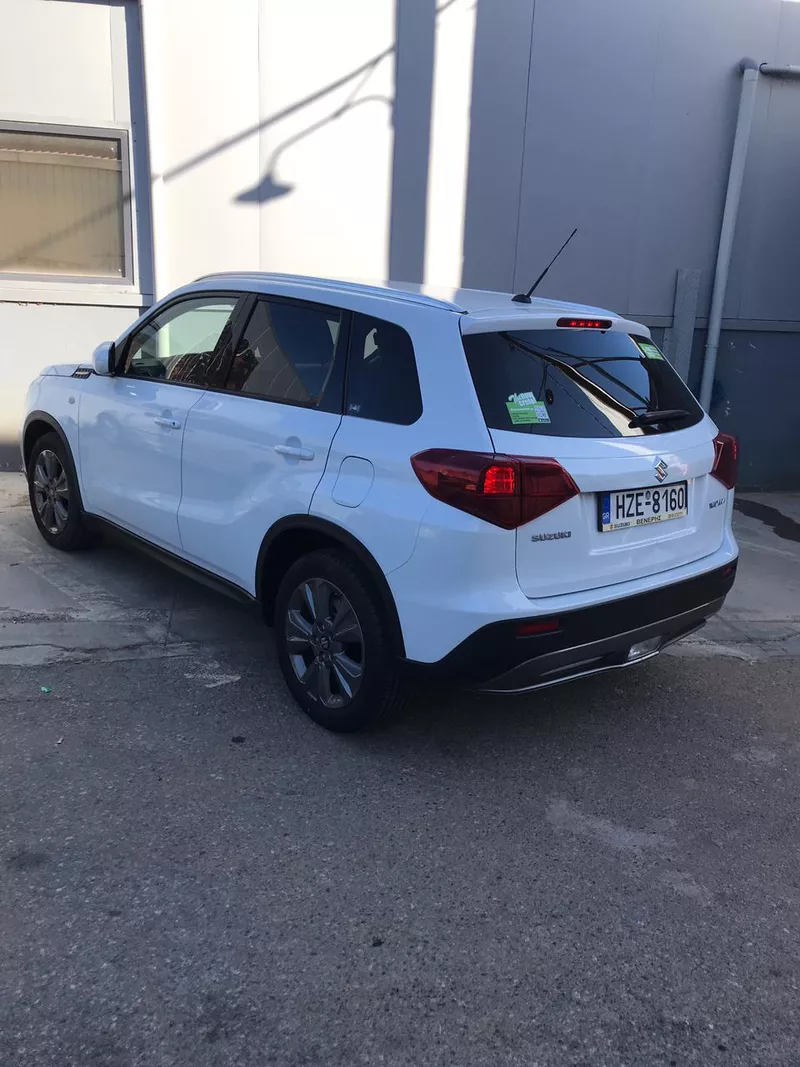
Renault Duster in Crete
All is well, just not the duster that was available on the site for rent on our dates, but Suzuki vitara. After prepayment for the duster, we were told that it was not available for our dates and offered a more expensive car. But the car itself was good, in terms of car operation everything was fine, fresh, clean and vigorous.
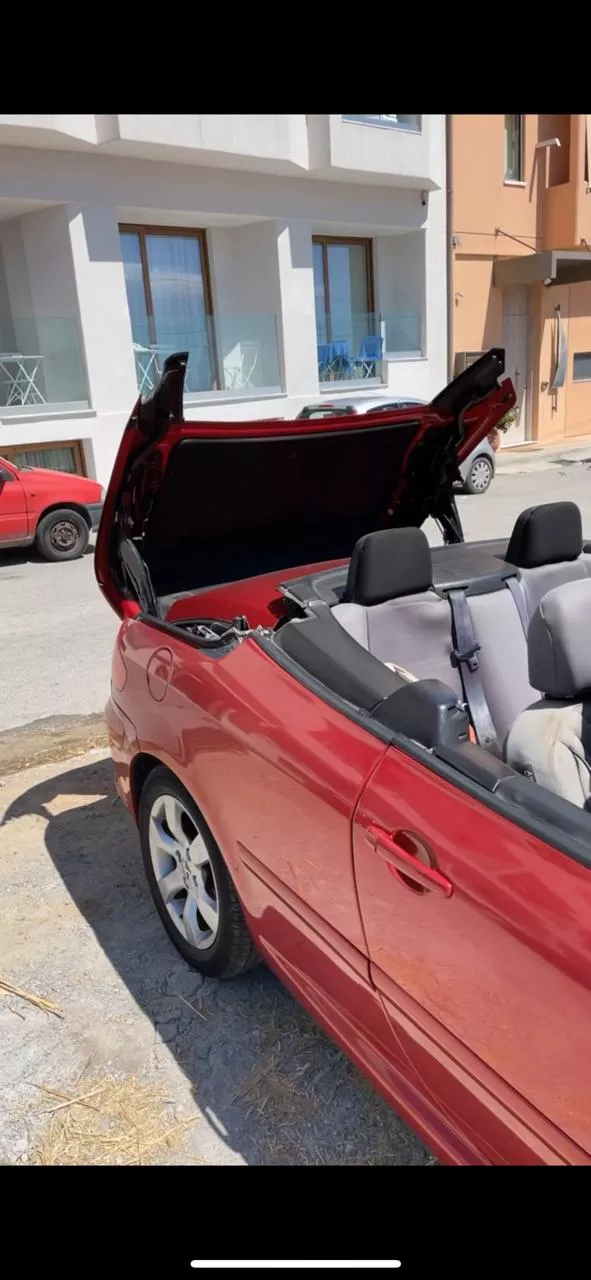
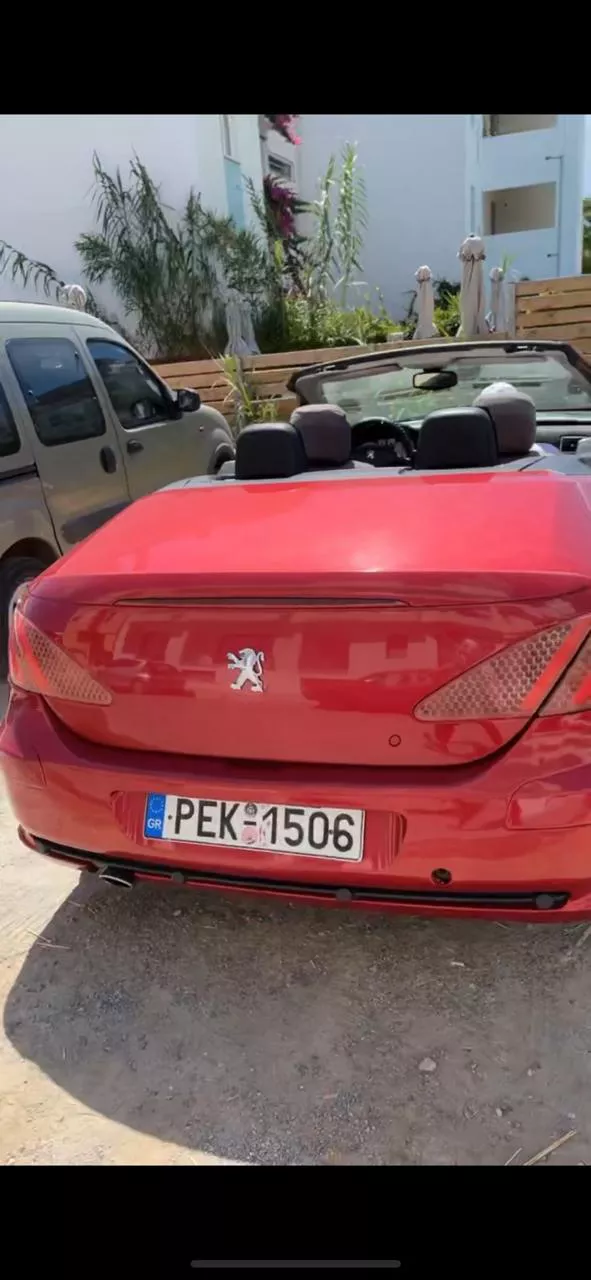
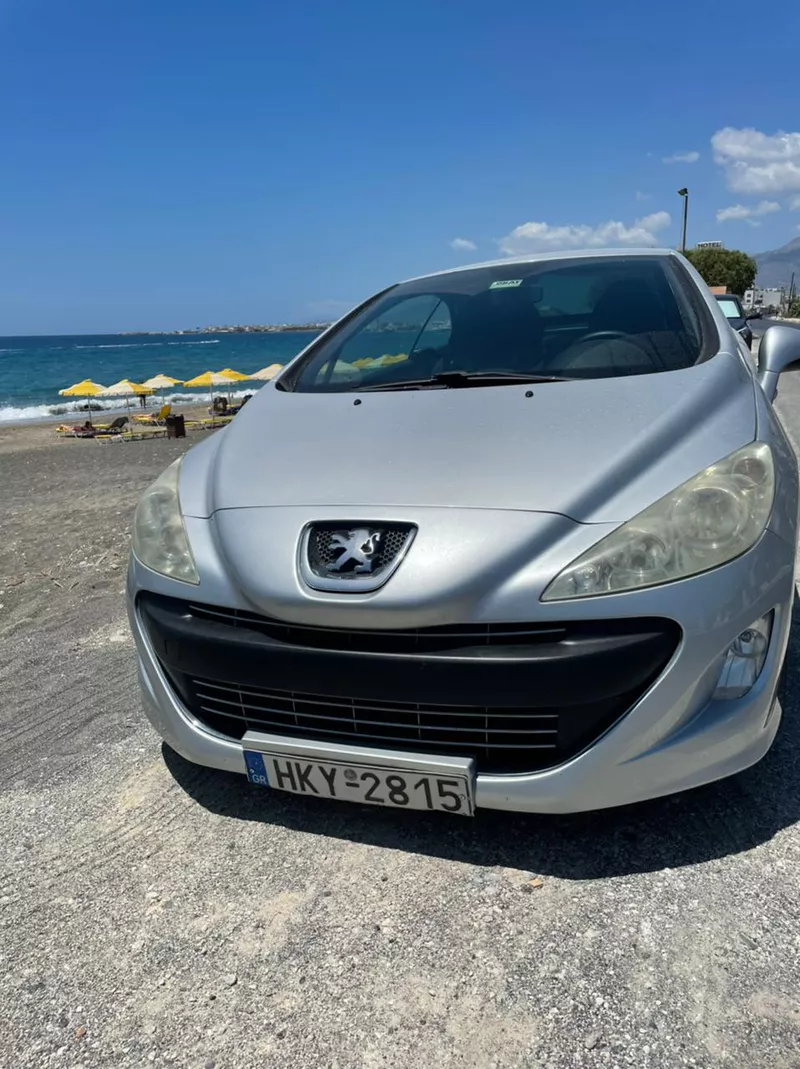
Peugeot 307cc in Crete
The owner of the car successfully brought it to the appointed place at the appointed time, the car fully corresponded to the declared one. After a day of use for no apparent reason, the roof (they took a convertible) refused to open. After informing the lessor, he promptly changed the car without requiring any additional payments I bet 5+

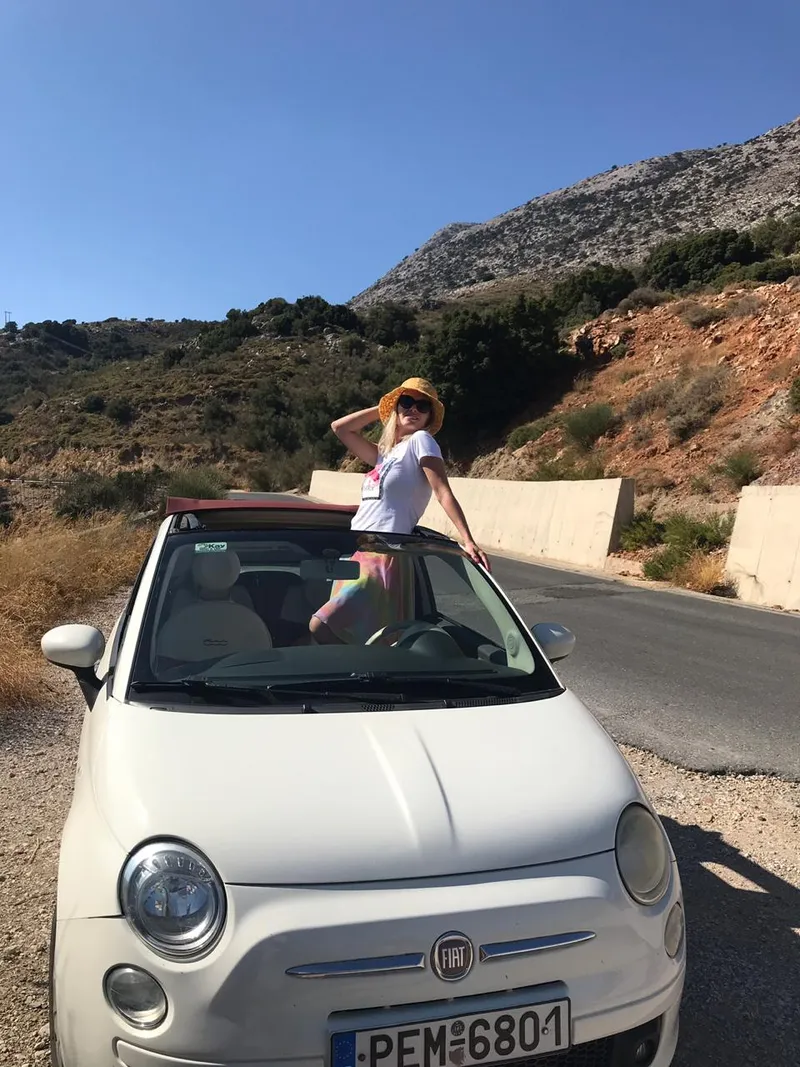
Fiat 500 in Crete
I liked everything, in terms of money and time, as agreed, nothing more. No deposit was taken. The car is old, but there were no complaints about its work. Loved the delivery right to the hotel!

Three practical tips before you set off

-
Book early for summer
Cars sell out weeks in advance in July and August, and walk-up prices can double on the day.
-
Go automatic and compact
Heraklion's narrow centre and the southern serpentines are noticeably easier in a small car with an automatic gearbox.
-
Do a photo walk-around at pickup
Wheels, alloys, windscreen and underbody are the most common places for "lost" damage on Cretan roads.
Deposit, insurance and payment
Pickup in Heraklion requires a refundable deposit hold of roughly €150–1,300 on the main driver's credit card — depending on car class and insurance. A small car on full coverage sits at the low end; an SUV on basic excess at the high. The hold is released after a damage-free return, usually within 7–30 days.
What basic insurance covers — and where it doesn't
The basic package usually includes third-party liability and CDW with theft protection, but with an excess. Tyres, glass, mirrors and underbody are often excluded from basic CDW — exactly the damage that comes up most on Crete's rural roads. A full-coverage upgrade for a few euros a day removes most of that liability.
Cards and debit-card rental
Most suppliers want a credit card in the main driver's name for the deposit hold; debit-card bookings face extra checks. If you only carry a debit card, filter for debit-friendly local suppliers — cash-deposit and zero-deposit full-coverage rates exist at some agencies.
A traveller on a full-coverage tariff clipped a wheel on a Lasithi switchback at dusk — bent rim, slow puncture. Drove on to Agios Nikolaos, swapped the wheel, no deposit hit. On a basic CDW that would have been the better part of €300.
Frequent Questions
Most rental desks at Heraklion "Nikos Kazantzakis" Airport sit in the arrivals hall, with a few smaller suppliers operating just outside the terminal. Cars are parked in a dedicated lot a few minutes' walk away — no shuttle. Travellers consistently rate HER as one of the easiest Greek airports for pickup; ten to fifteen minutes from passport control to the wheel is normal.
Many HER suppliers cover early and late flights, but pickup in the night window (roughly 23:00–07:00) often carries a surcharge or has to be pre-arranged. Confirm your supplier's staffed hours against your actual flight time — smaller local agencies close overnight rather than running a 24-hour desk.
Heraklion Airport sits about 4–5 km east of the city centre, a 10–15 minute drive in normal conditions. From the desk you can head straight for the north-coast highway, the city or Knossos. Add a few minutes during peak summer traffic.
Yes — many local Cretan suppliers deliver to hotels, to Heraklion port or to an address within the city area, sometimes free within a fixed radius and otherwise for a modest fee. It's a popular option for old-town stays where street parking is hard. Arrange the delivery point in advance when booking.
Heraklion uses colour-coded street markings: blue means paid, time-limited bays; white means free (rare near the centre); residential bays are off-limits to visitors. The safest bet for a rental is a paid car park near the centre or the port. Streets are narrow and one-way, so a compact car helps.
Blue-lined bays are paid and time-limited. Pay at a nearby meter or buy a paper "parking card" / scratch ticket from a periptero (street kiosk) and display it behind the windscreen with your arrival time. Overstaying or skipping payment triggers a fine — and serious violations can mean plate confiscation.
Yes — for serious parking violations Greek traffic police physically unscrew and confiscate your number plates rather than just issuing a ticket. The car can't be driven until you pay the fine at a bank or post office and recover the plates. On a rental this becomes the renter's problem, so never park casually in a restricted spot.
From Heraklion you can easily drive to Knossos (15 minutes), the Lasithi plateau, Agios Nikolaos and Elounda in the east, or follow the north coast west to Rethymno and Chania. The south coast (Matala, Messara) is doable but slower on mountain roads. A car is essential — Crete is too big and bus-thin to explore otherwise.
Almost always no. Most Cretan suppliers forbid taking the rental off the island by ferry, and standard insurance is void on board. For island-hopping, return the Crete car and rent a fresh one on the next island. The rare exceptions require written permission and an extra fee.
Crete has historically been toll-free, unlike mainland Greek motorways, so the north-coast highway costs nothing today. The new BOAK motorway upgrade is introducing distance-based tolls (around €0.053/km plus VAT for cars) as sections open, with some junctions exempt. Budget for tolls only on those newly-opened stretches.
Yes — one-way rentals across Crete (Heraklion to Chania, Rethymno or Agios Nikolaos) are popular and let you drive the length of the island without a backtrack. Most suppliers add a one-way fee that's shown at booking. Confirm the drop-off location is a staffed branch, not just a parking spot.
Off-season, small economy cars in Heraklion start very low — often €10–25 per day — while peak summer (July–August) pushes typical rates to €40–85 a day, and higher for SUVs and automatics. Booking weeks ahead for August is the single biggest money-saver. Weekly rates per day are usually much cheaper than daily ones.
Yes — July and August demand is intense, cars sell out and walk-up prices spike. Booking weeks ahead locks a lower rate and guarantees the category (automatics and larger cars go first). Off-season you can usually book closer to the date.
Heraklion's centre is busy with narrow one-way streets, and rural Crete adds steep mountain roads and sharp bends. Most visitors adapt within a day; a small car and an automatic make city and hill driving easier. Drive defensively — local overtaking and shoulder-driving habits surprise first-timers.
You need a valid full driving licence held for at least one year, a passport or ID card, and a credit card in the main driver's name for the deposit. Non-EU drivers should also carry an IDP. Bring the physical documents — copies and phone images aren't accepted at the desk.