Bu araba şu anda mevcut değil: şirket faal değil

이 차량은 현재 이용 불가합니다.: 회사가 비활성 상태입니다.

🎁 체크아웃 시 WELCOME3 코드를 사용하여 첫 예약에 할인을 받으세요. 즐기세요! ☀️

Close
필터를 기반으로 한 자동차
자동차가 없습니다.

Turkey is one of those countries where a hire car genuinely changes the trip rather than simply speeding it up. Distances are long, the coastline stretches for thousands of kilometres, and small towns and natural sites tend to sit just off the convenient transport routes.

터키에서에서 차량 대여할 곳

Turkey is one of those countries where a hire car genuinely changes the trip rather than simply speeding it up. Distances are long, the coastline stretches for thousands of kilometres, and small towns and natural sites tend to sit just off the convenient transport routes. So 'I'll hire a car and drive where I need to' actually works here — particularly when more than one destination is on your itinerary.

For most European travellers, Turkey also offers a refreshingly straightforward setup. The country sits outside Schengen, and visa-free access is generous for most Western nationalities. On the rental side, local suppliers tend to be more flexible than international chains: lower deposits, debit cards accepted, and cash settlements in USD or EUR on arrival.

"We treat each booking as its own scenario in Turkey. Some clients want a meet-and-greet at the airport, others prefer hotel delivery, and a few drop in at the office before the journey starts. There isn't a single right answer — there's whichever one suits your trip."

The advantages of having a car become clearest on multi-stop itineraries: the Mediterranean coast from Antalya through to Fethiye, day trips to Cappadocia and Pamukkale, drives between Aegean resorts. On routes like these, a hire car comfortably outperforms taxis and group tours in both time and freedom of pace.

A handful of specifics are worth knowing before you book. Toll roads are managed entirely through the electronic HGS system. Deposits and insurance terms vary considerably between suppliers. Cross-border travel is generally not permitted, even into neighbouring countries. And driving style in larger cities runs at a faster pace than most European visitors expect. None of this is unmanageable — it's simply useful to factor in early.

Turkey is enormous, and most travellers don't approach it as a country in one go but through a specific entry city. If your destination is already set, it's quicker to look at conditions on the dedicated page: car hire in Istanbul, rent a car in Antalya or hire a car in Bodrum.

"Turkey is one of those places people return to. Each visit lands in a different region, with a different itinerary and a different car. That's part of how the country works — there isn't a version of it you can see in a single trip."

대부분의 관광객들은 터키에서 여행을 여기서 시작합니다

When a hire car in Turkey pays off — and when it doesn't

A hire car works best on routes that link more than one place. Drives along the Mediterranean coast, day trips to Cappadocia or Pamukkale, transfers between Aegean and Mediterranean resorts — on those journeys, your own vehicle is noticeably faster and calmer than coaches, taxis or shared shuttles.

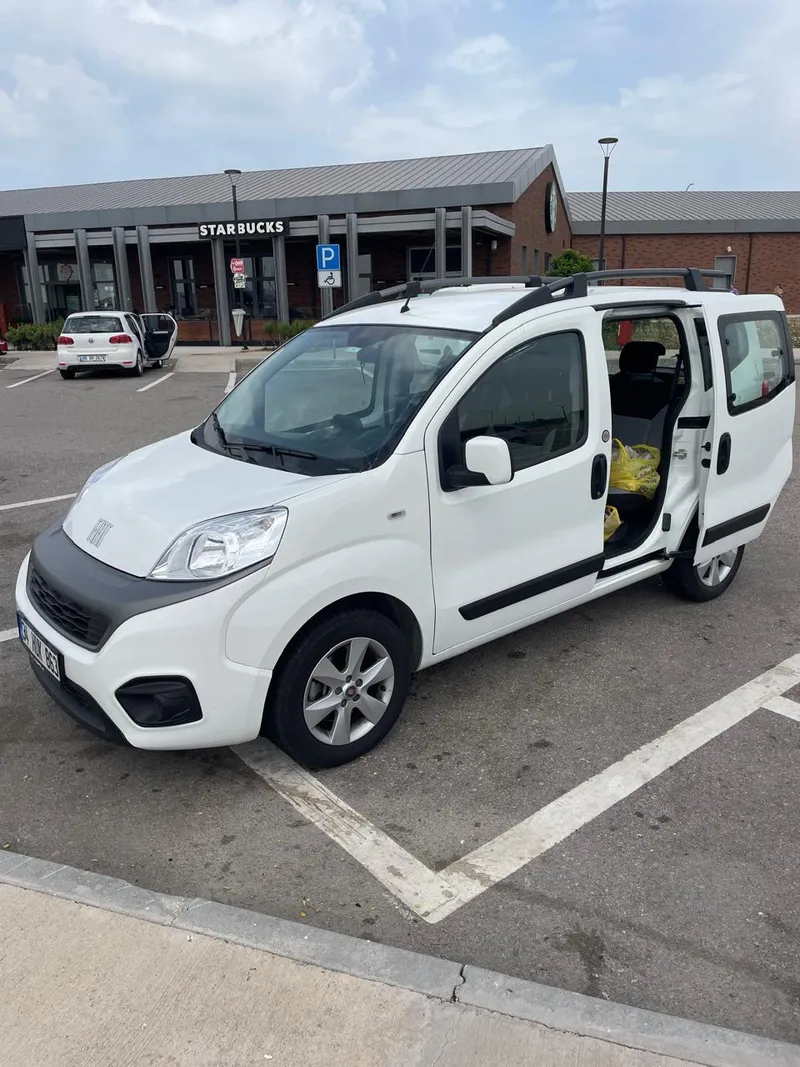
The benefit is most pronounced on longer distances, with children, with luggage or with larger groups. Minivans are a popular choice in Turkey for exactly this reason: two families or a group of friends will often hire one to cover the coast together or reach Cappadocia from the south.

"A common pattern in Turkey is for guests to spend the first few days at their hotel and only then decide they want to go further. For that, hotel delivery for two or three days works very well."

In resort towns, a car is often hired situationally — a day or two, exactly when it's needed. That avoids paying for parking and keeping an eye on the vehicle for the entire holiday, particularly in places where the resort itself already covers most of the day.

A hire car is less obviously worth it for trips that stay tightly fixed: one resort, one beach, one town with no excursions. In that scenario, the car spends more time parked than driven and tends to absorb attention and small costs that don't really pay off.

현지 렌터카 대여에 대한 실제 리뷰 터키에서

Sharifullina Leisan
Sharifullina Leisan
🇷🇺

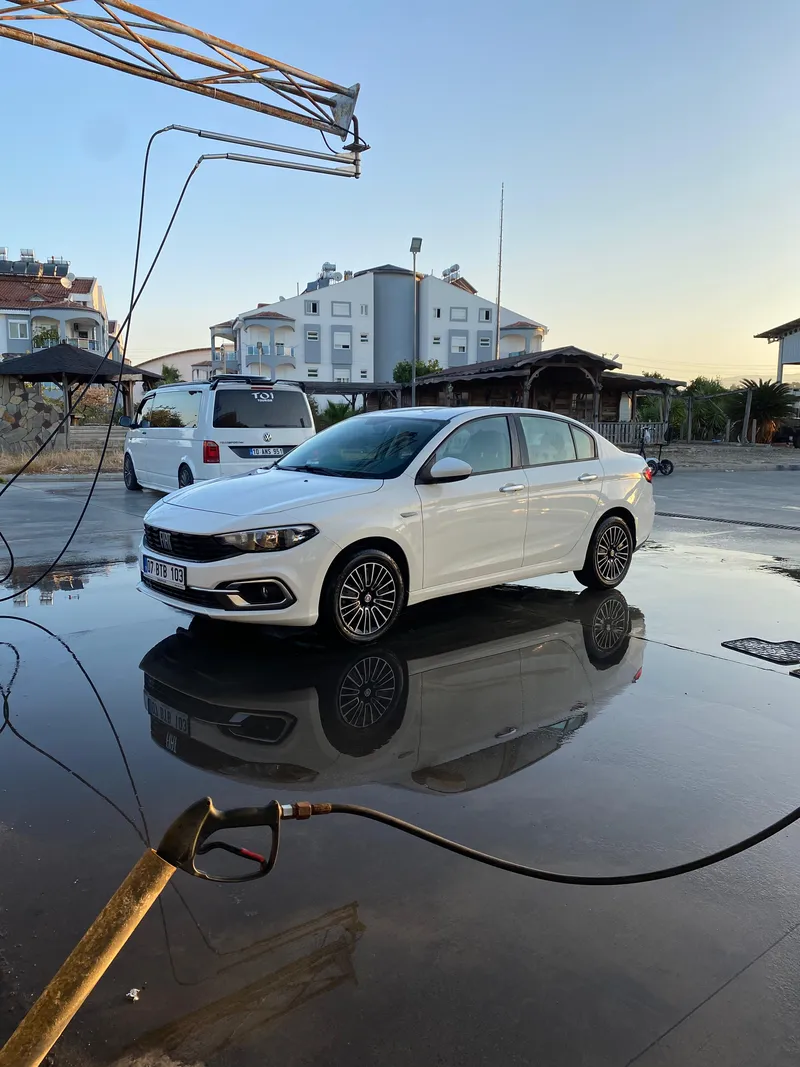
Fiat Egea Multijet 터키에서

모든 것이 훌륭합니다.

10월 2025
Serhii Heorhiiev
Serhii Heorhiiev
🇺🇦

Citroen Jumpy 터키에서

차량 예약은 문제없이 진행되었습니다. 처음에 선택한 차량이 확정되지 않았지만 10분 이내에 모든 요구 사항을 충족하는 비슷한 차량을 제공했습니다. 모든 것이 빠르고 저렴하게 진행되었습니다. 모든 질문은 테이크카 담당자가 메신저로 답변해 주었습니다. 자동차는 설명대로였습니다. 5/5

11월 2024
Ilia Iakushev
Ilia Iakushev
🇷🇺

Toyota Corolla Sedan 터키에서

모든 것이 잘 진행되었습니다. 2가지 뉘앙스, 제가 차를 픽업했을 때 운전기사가 40분 정도 지연되었습니다. 그리고 차를 반납했을 때 보증금이 달러가 아닌 유로로 반환되었는데, 이는 매우 불편했습니다.

9월 2025
Dmitrii Isaev
Dmitrii Isaev
🇷🇺

Audi A4 터키에서

다른 차를 준 것을 제외하고는 모든 것이 잘 진행되었습니다. 아우디 대신 푸조, 모호한 대체 차량

10월 2025
Nataliia Natalina
Nataliia Natalina
🇷🇺

Dacia Sandero Stepway 터키에서

모든 것이 매우 순조롭고 빠르게 진행되었습니다. 차는 완벽한 상태였습니다. 정시에 차를 받았습니다. 내년에도 다시 서비스를 이용하고 싶습니다.

10월 2025
Roman Medvedev
Roman Medvedev
🇷🇺

Citroen C3 터키에서

모든 것이 잘 진행되었습니다) 달러로 요금이 청구되었고, 도착했을 때는 유로로 청구되었지만 차를 인도할 때 다시 계산하여 차액을 돌려받았습니다.

8월 2025
Konstantin Vorobev
Konstantin Vorobev
🇷🇺

Mercedes-Benz C180 터키에서

차가 광고와 다릅니다. 2025년 6월에 8일간 이용했습니다. 안탈리아에서 페티예까지 운전했습니다. 자동차 제조 연도는 2023 년이 아니라 2018 년입니다. 마일리지 약 130 t.km. 차는 두들겨 맞고 심하게 손상되었습니다. 왼쪽 헤드 라이트 마운트는 납땜되어있어 저녁에 운전할 수없고 아무것도 볼 수 없습니다. 보닛 아래는 돼지우리보다 더럽습니다. 공기 덕트는 스카치 테이프로 밀봉되어 있습니다. 엔진은 보닛과 기름으로 덮여 있습니다. 페티예로 차를 몰고 갔습니다. 거기서 엔진에 불이 들어왔고 그 후 50%의 동력을 잃었어요. 우리는 다시는 돌아 가지 않을 것이라고 생각했습니다. 일반적으로 권장하지 않습니다.

7월 2025
Dmitrii Iaroslavskii
🇷🇺

Fiat Egea Urban 터키에서

모든 것이 정상입니다.

5월 2024
Iaroslav Smoliakov
Iaroslav Smoliakov
🇷🇺

Fiat Egea Multijet 터키에서

Thank you, everything went great. The car is fresh.

6월 2023
Julia Korsakova
Julia Korsakova
🇷🇺

Renault Taliant 터키에서

It went well.

11월 2023
Konstantin Monin
Konstantin Monin
🇷🇺

Peugeot 301 터키에서

It was usual. 4-, I didn’t like that they took $ 15 plus 40 for car delivery, under the pretext that the hotel was not in Kemer, but outside. 10 minutes drive. Turkish "entrepreneurship" in relation to disposable tourists. Like new ones will come anyway, you can snatch more from these. Already rather familiar, but sometimes pisses me off

4월 2023
Ilia Gribachev
Ilia Gribachev
🇷🇺

Fiat Egea Multijet 터키에서

모든 것이 잘 진행되었습니다. 공항에서 재빨리 만나서 계약을 하고 차를 받았고, 공항에서 바로 반납했습니다. 👍 유일하게 화가 났던 점은 차량 한 대(피아트)를 전당포에 맡겼는데 시트로엥이나 르노우트 중 하나를 선택할 수 있었다는 점이었습니다. 하지만 차는 깨끗하고 작동 상태도 좋았어요. 조금 덜 편안함

9월 2025
Evgeny Popov
Evgeny Popov
🇷🇺

Fiat Egea Multijet 터키에서

나는 당신과 뉘앙스가 있었고, 나는 차를주기 위해 공항에 갈 것이라고 미리 썼고, 그곳에서 40 분 동안 기다렸고, 그 남자는 지연되었고 이미 내 앞에 있었던 범퍼의 긁힘에 대한 보증금을주고 싶지 않았습니다.

9월 2025

Payment, deposits and what to expect

Local Turkish suppliers tend to be more flexible than international chains on payment. A credit card is rarely required — most accept debit cards online for the booking, and the balance plus deposit can be paid in cash on arrival, in USD or EUR. Deposits depend on the car class and the supplier. Economy cars usually start from $100, midsize from $200–500, and minivans up to $500. With several of our suppliers there is no deposit at all, while others waive it when full coverage is taken. "Where a listing says 'no deposit', that always means a specific tariff and a specific insurance policy underneath. So it's worth checking exactly what's covered before booking."

Payment, deposits and what to expect

Local Turkish suppliers tend to be more flexible than international chains on payment. A credit card is rarely required — most accept debit cards online for the booking, and the balance plus deposit can be paid in cash on arrival, in USD or EUR. Deposits depend on the car class and the supplier. Economy cars usually start from $100, midsize from $200–500, and minivans up to $500. With several of our suppliers there is no deposit at all, while others waive it when full coverage is taken. "Where a listing says 'no deposit', that always means a specific tariff and a specific insurance policy underneath. So it's worth checking exactly what's covered before booking."

Mustafa

이스탄불
4.6
Mustafa

Tolga

안탈리아 공항(AYT)
4.6
Tolga

라마잔

안탈리아 공항(AYT)
4.8
라마잔

Volha

이스탄불
4.7
Volha
RENTACARANYWHERE
자동차 대여
  • Pay without a credit card

    Local Turkish suppliers accept debit cards online for the booking. The balance and deposit can be paid in cash on arrival, in USD or EUR — without the credit card requirement that international chains insist on.

  • Deposits from zero

    With several of our suppliers there is no deposit at all, and with others the deposit is waived when full coverage is taken. Useful if you'd rather not have a large hold sitting on a card for the duration of the trip.

  • Real photos and reviews

    Each car listing shows the actual vehicle: real photographs, year, condition, reviews from previous clients and the specific terms from that owner. It removes the most common worry — that the car turning up won't quite match the picture.

What's worth knowing before the trip

Turkey works logically as a rental market, but it has a few peculiarities of its own — the toll system, insurance fine print, parking and winter rules. If you're across these before booking, the rest tends to fall into place.

Toll roads and the HGS system

Toll roads, bridges and certain tunnels in Turkey are managed through HGS (Hızlı Geçiş Sistemi) — a fully electronic system. A chip sticker is already mounted on the windscreen of nearly every hire car; at toll points, you simply slow down slightly and the charge is deducted automatically. Cash booths and barriers don't exist for this anymore.

"We always run through how HGS charges are calculated when handing over the car, and at what point they appear in the final invoice. That settles most questions before they arise."

The total for tolls is typically added as a single line on the final invoice at the end of the rental. A small administrative handling fee from the supplier is normal practice on the local market.

Insurance — what's included and what isn't

Third Party Liability (TPL) is included in every Turkish rental by law. Basic Comprehensive cover (CDW) is usually included as well, but it carries an excess and has standard exclusions: glass, tyres, wheels, the underside and the interior are typically not covered. For mountain routes and dense city driving, it's worth taking Super coverage (SCDW) or Full coverage (FDW), which closes those gaps.

"Full coverage only works when the rental terms are followed. If the named driver is at the wheel, the route is permitted, and the incident is reported correctly, there are no financial surprises. Where the contract is broken, coverage may apply only partially."

A note on alcohol. The legal limit in Turkey is 0.5‰, but it drops to zero if there is any passenger in the car — meaning the driver effectively has to be entirely sober. Anything above the limit voids any insurance policy, including Full coverage and Super coverage.

Fuel, fines and parking

Both petrol and diesel are common in Turkey. Diesel tends to be cheaper to run and pulls better on long drives and mountain routes, which is why it's frequently chosen for cross-country trips. Petrol stations are open round the clock; major ones take cards, smaller rural stations are often cash-only.

Turkish traffic enforcement is strict — motorways carry plenty of fixed and average-speed cameras. The good news: paying a fine on the spot earns a 25% discount, and paying within 15 days online or through PTT earns a further 25%.

"The simplest rule for visiting drivers in Turkey is to keep within the limits and to park only where it's clearly permitted. Fines find the car later through the rental supplier — they aren't easy to ignore."

Winter trips and mountain routes

For trips into the eastern provinces or the mountains — Erzurum, Kars, the Taurus range, the ski resorts — winter tyres and overall vehicle setup are worth confirming with the supplier in advance. Winter tyres do most of the work; chains are kept as a backup for heavy snow and difficult sections rather than a substitute for tyres. Cars set up for winter are booked first, so plan ahead.

"Winter rentals in Turkey go faster than people expect. The cars set up properly for snow are taken early in the season, and there is only so much that can be pulled together at short notice once the weather turns."

Roads, driving style and difficult moments

Driving style in Turkey runs at a faster pace than most European travellers are used to. Local drivers change lanes earlier, signal less consistently and rely on quick reactions from everyone around them. It isn't aggression — it's simply tempo. The first hour or two is best spent driving calmly, holding extra distance and adjusting gradually rather than trying to keep up immediately.

"The smoothest first days at the wheel in Turkey usually come from drivers who don't try to match the local pace straight away. After roughly twenty-four hours it stops feeling foreign, and from there it's natural enough."

If something goes wrong on the road, it's safer not to step out of the car or attempt to settle the matter on the spot. Turkish road law has tightened in recent years: stepping out and arguing can be classified as aggression, which carries substantial fines and the possibility of temporary licence and vehicle confiscation. Moving to a safe location and contacting the rental supplier is almost always the better course.

For accidents — even a scratch — the rule is consistent: don't move the vehicle, take photographs, contact the rental supplier and call 112 if the situation requires it. A police report is needed in Turkey for almost every incident; without it, insurance generally doesn't apply. Keeping the rental contract within reach is sensible.

"Following the routine carefully is what protects the driver: don't leave the scene, photograph everything, message us. The administrative side and the insurance side become our problem from there."

Vehicle handover deserves a moment of attention as well. Filming the body, wheels, glass, bumpers and interior at both pick-up and drop-off takes only a few minutes and removes most disagreements about pre-existing damage. It's also worth allowing extra time at return so the inspection doesn't sit awkwardly against a flight check-in.

When to book

There isn't a single peak season across Turkey. Istanbul fills up in spring and around long weekends. The Mediterranean coast peaks through summer and into early autumn. Mountain and ski regions are busiest in winter. Minivans and one-way rentals between cities run out earliest, so for those, booking well ahead is sensible. In quieter months the choice is wider and rates noticeably softer.

Below — the average daily rental price in Turkey by month.

37
36
43
48
49
60
61
63
57
45
40
40
  • 1월
  • 2월
  • 3월
  • 4월
  • 5월
  • 6월
  • 7월
  • 8월
  • 9월
  • 10월
  • 11월
  • 12월
  • Jan
  • 2월
  • 3월
  • 4월
  • 5월
  • Jun
  • 7월
  • 8월
  • 9월
  • 10월
  • 11월
  • 12월

Frequently asked questions

Do I need a credit card to hire a car in Turkey?

Not with most local Turkish suppliers. They typically accept debit cards for the online booking and allow the balance and deposit to be settled in cash on arrival, in USD or EUR. International chains in Turkey still tend to require a credit card in the main driver's name and rarely accept cash deposits, so it's worth filtering for local suppliers if a credit card isn't an option.

How does the HGS toll system work?

HGS is a fully electronic toll system covering Turkey's motorways, paid bridges and certain tunnels. A chip sticker is already mounted on the windscreen of most hire cars; at toll points you slow down slightly and the charge is deducted automatically. Cash booths no longer exist. Total toll charges are usually invoiced as a single line on the final bill at the end of the rental.

What deposits are typical, and are zero-deposit options available?

Deposits depend on the car class and the supplier. Economy cars usually start from $100, midsize from $200–500, and minivans up to $500. With several suppliers there is no deposit at all; with others, the deposit is waived when full coverage is taken. Choosing this configuration at the booking stage is more straightforward than trying to negotiate it on collection.

Can I take the hire car across the border to Greece or Bulgaria?

In most cases, no. Cross-border travel from Turkey is not permitted by the majority of suppliers. That includes Greece, Bulgaria, Armenia, Iran, Iraq and Syria. If your itinerary involves crossing into a neighbouring country, the practical approach is to drop the car on the Turkish side and continue with a separate rental or local transport from the border.

Can I drop the car off in a different Turkish city (one-way)?

Yes, between major airports and cities — Istanbul, Antalya, Izmir, Dalaman, Ankara — most suppliers offer one-way rentals. The relocation fee scales with distance and typically starts from around $200–300. Stock for these journeys runs out faster in the high season, so booking in advance avoids disappointment.

What's the alcohol limit when driving in Turkey?

The general limit is 0.5‰. However, if there is any passenger in the vehicle, the limit drops to zero — effectively requiring the driver to be entirely sober. Anything above the limit at the time of an accident voids any insurance policy, including Full coverage and Super coverage, and carries a substantial fine.

What's the minimum age and licence experience required?

Most suppliers require drivers to be at least 22 years old with a minimum of two years' driving experience. Premium and 4x4 categories often start at 25. For drivers under 22 or 23, some suppliers will still arrange the rental but apply a young driver surcharge — typically around $10 per day.

Which driving licences are accepted, and is an IDP needed?

Most European licences are accepted in Turkey on their own. UK government guidance recommends carrying an International Driving Permit alongside the domestic licence as a precaution, though it is not strictly required for short visits. For licences in scripts other than the Latin alphabet, an IDP is sensible.

What should I do if there's an accident or even a scratch?

Don't move the vehicle. Photograph the damage and the wider scene, contact the rental supplier and call 112 if the situation is serious. A police report is needed in Turkey for almost every incident — without it, insurance typically doesn't apply. The supplier will then guide the formal handling and the insurance side from their end.

Is there a daily mileage limit on hire cars in Turkey?

Often, yes. Many local Turkish suppliers apply a 150–250 km daily mileage cap, with each kilometre over the limit charged separately. For longer routes — the coastal drive from Antalya to Fethiye, or a trip to Cappadocia — choosing an unlimited-mileage tariff at booking is the more practical option. The setting is filterable when comparing cars.

What should I check when I receive the car?

The body, wheels, glass, bumpers, lights and interior are best filmed on a short video. Check the fuel level and the presence of the HGS sticker, the first-aid kit and the warning triangle. Any noted damage should be marked on the contract before driving away. The whole process takes a couple of minutes and removes most disagreements at return.

Is fuel cheaper in Turkey than elsewhere in Europe?

Generally, yes. Both petrol and diesel typically run noticeably below the prices in Greece, Italy and most of Western Europe — often the difference funds a meaningful share of the trip's driving budget. Diesel is the cheaper option per kilometre in Turkey and is usually preferred for long-distance and mountain routes.

질문이 있으신가요?

부담 없이 문의해 주시면 2시간 이내에 답변해 드리겠습니다.

0/240

하루 가격

전송

입금 유형

옵션

좌석

보험

차량 유형

국경을 넘다

공급업체