


Pickup


Return
🎁 Use code WELCOME3 during checkout to get a discount on your first booking with us. Enjoy! ☀️

Car rental in Valencia is the natural base for day trips along the Albufera and the coast. Valencia itself is compact: the City of Arts and Sciences, the Old Town, Malvarrosa beach — all within a few kilometres. The car earns its keep on the way out: Albufera and its rice fields, Sagunto's hilltop castle, cliffside Peñíscola, the "enchanted" Cuenca, and the northern Costa Blanca a little over an hour south.
Valencia airport (VLC, Manises) sits 8 km from the centre. Most customers pick up the car straight on arrival.
In Valencia we treat the car as a tool for trips out. The city itself works better on metro and on foot — the rental comes into its own at Albufera, Sagunto and along the coast.
A seasonal quirk worth flagging: 1–19 March is Las Fallas, with widespread road closures and prices tripling. If you're travelling in March, book four to six months ahead.
City car or trip car
Valencia behaves much like Barcelona: inside the city you don't really need a car. The Old Town (Barrio del Carmen), the City of Arts and Sciences, the Cathedral and Mercado Central are all walkable or one short metro ride apart. The Valenbisi bike share covers the centre, and Bolt and ordinary taxis run everywhere.
Since 2021 the city limit is 30 km/h on most streets. Valencia's ZBE runs 24/7 — unlike Barcelona's Mon–Fri 7:00–20:00 — and covers 27.8 km² of the centre. Until the end of 2025 the cameras mostly issue warnings; from 2026 onwards a €200 fine is automatic.
A guest had three days in Valencia, planned no day trips, and ended up paying for parking he never used. We now recommend renting only for the Albufera or Sagunto day — usually 24 hours is enough.
A car earns its place when you've planned at least one trip outside the city: Albufera, El Saler, Sagunto, Peñíscola, Cuenca. A common pattern is to collect the car at Manises on the day of the trip and drop it back the same way.

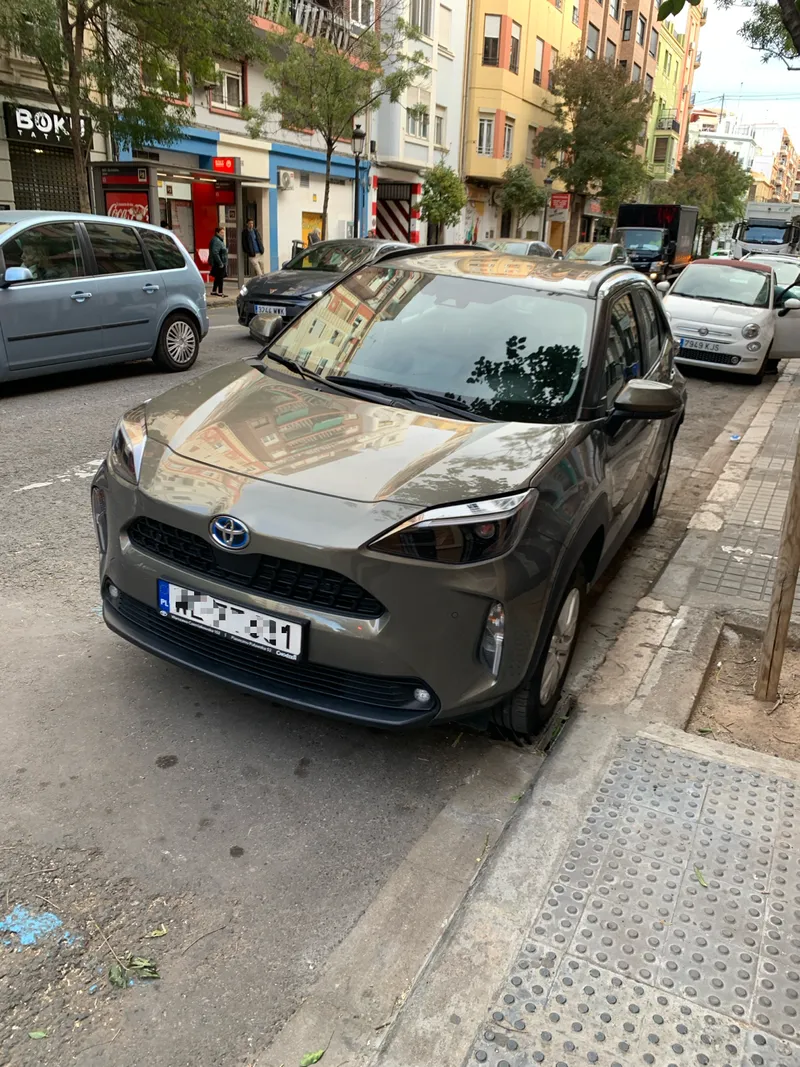
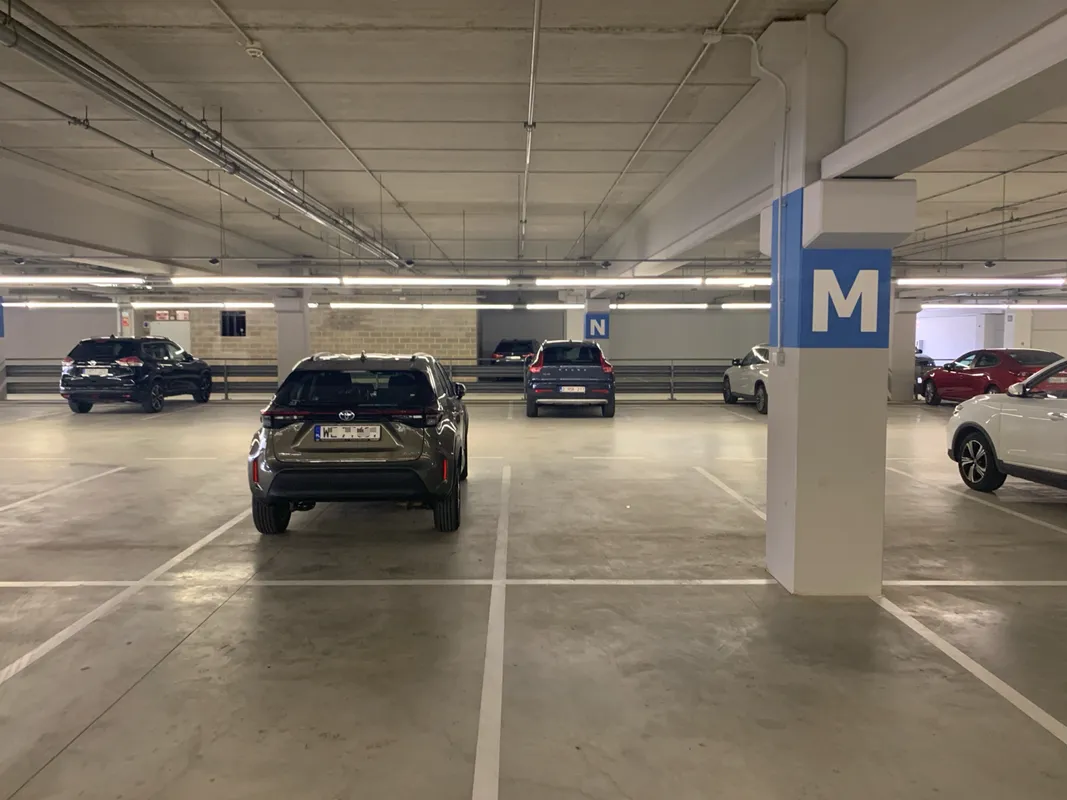
Toyota Yaris Cross in Spain
The owner of the car is wonderful, the car is clean. The mileage of the car is 70, but it feels like new. I put 4 stars because it was not convenient that there was not a full tank, returned a little more gas than I took. This is not very convenient. I would like to have a full tank received - full tank returned.

Toyota Corolla Sedan in Spain
We were satisfied with the service: the employee who delivered the car to the airport and subsequently received it, flexible conditions of return, the ability to pay in cash, no hidden fees; and the car: fuel consumption is not high, holds the road well, the car was clean, no odors, the trunk is roomy. We will definitely recommend you

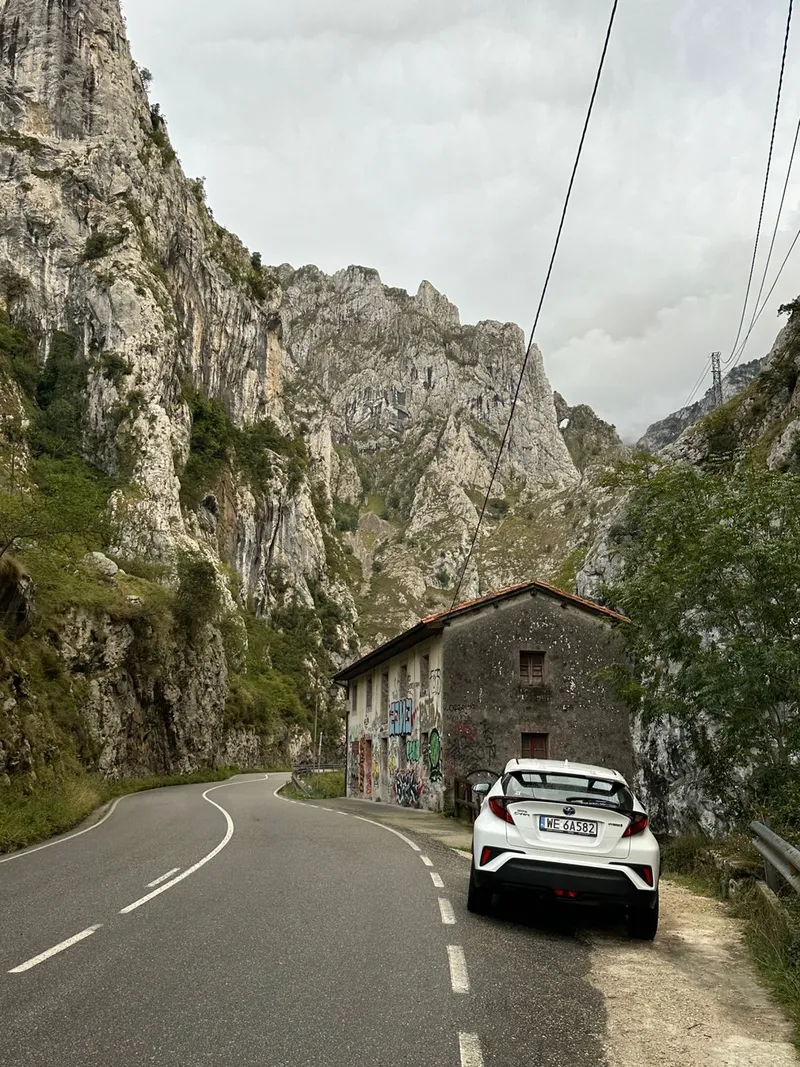
Toyota C-HR in Spain
everything was fine.
Toyota Corolla Sedan in Spain
Everything is perfect, fast, clear! The car is in excellent condition. All along the way I was consulted on any questions that arose. Special thanks for the opportunity to pay by Russian card and cash. 🙏

Honda HR-V in Spain
All right, thank you. The car was provided.

Mercedes-Benz Viano in Spain
Everything went well! but we expected a more recent model of car, on the website and in fact the generation of the car was different. One light bulb burned out in the process of use, but it was not critical! Otherwise everything was good, we were quickly met and handed over the car. I have no complaints about the car.
Toyota Corolla Sedan in Spain
Everything went well. The car is in good condition, the only thing is that I got it almost without fuel, the light was on... but the gas station was not far away. Everything's fine. Thank you
Toyota Corolla Sedan in Spain
Everything was fine with the issue. We were picked up at the airport on time. They messed up the time when the rental was finished. But we worked it out
Honda HR-V in Spain
Actually rented a Toyota Yaris cross. Picked up in Barcelona, returned in Madrid. The car was clean.

Citroen C4 Grand Picasso in Spain
it's all good.

Toyota Yaris in Spain
It was all good. )
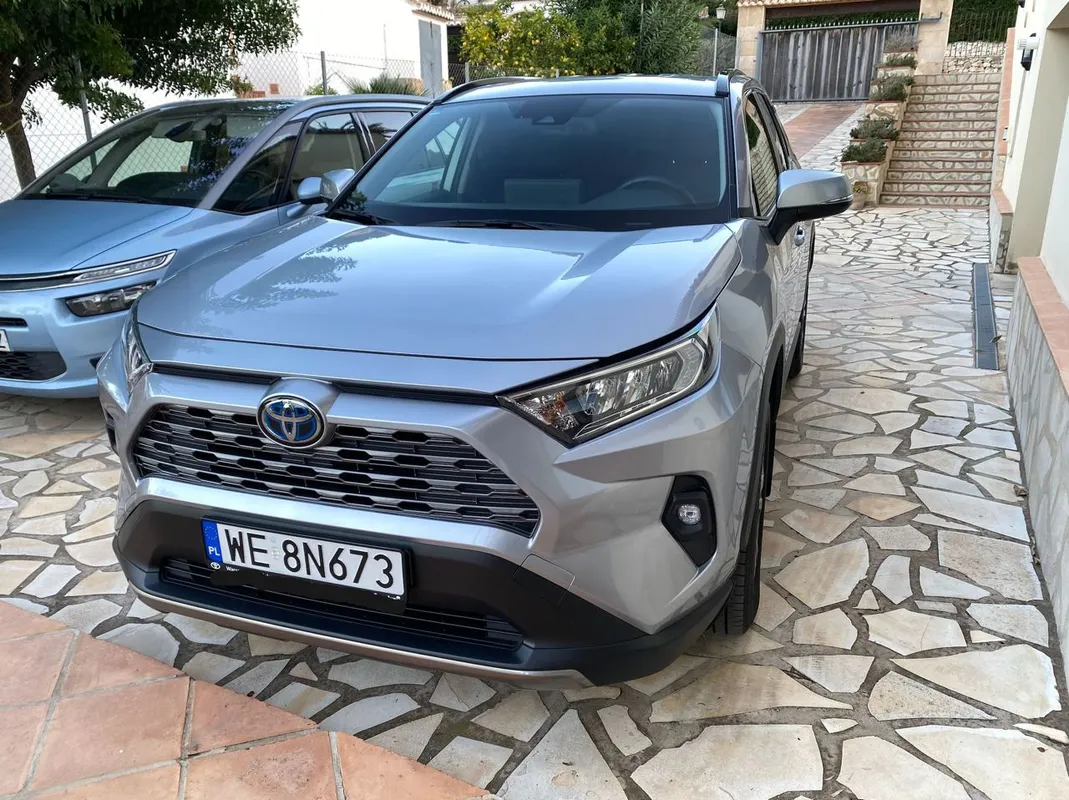
Toyota RAV4 in Spain
The car is fine, in good working order. I received it at the airport and gave it back there before departure.
Honda HR-V in Spain
The car is excellent in excellent technical condition, the lessor showed, explained everything and was polite, also was always in touch and answered any questions I had about the car.
ZBE, fines and parking
The Valencia ZBE is a low emission zone covering 27.8 km² of the centre. The key difference from Barcelona: it runs 24/7, with no weekend break. Until the end of 2025 the cameras mostly issue warnings; from 2026 onwards the €200 fine for non-compliant entry is automatic.
Nearly all of our Spanish hire cars are Euro 6 with a DGT environmental sticker (ECO or C), so they enter the zone without issue. Before driving off, check the small round label on the bottom-left of the windscreen.
A traveller arrived from Munich in his own car, assumed his Umweltplakette would cover him, and picked up two ZBE warnings on day one. The German sticker doesn't substitute for the Valencia city registration — that step is on the council website, takes ten minutes.
A foreign-plated car is a separate matter. If you've driven into Valencia in your own vehicle, you need to register on the city council's website. A French Crit'Air or German Umweltplakette doesn't replace local registration. None of this applies to a Spanish hire car.
Parking colour codes
Valencia runs its own version of the ORA system. Blue (azul) is paid for everyone, Mon–Sat 9:00–14:00 and 16:00–20:00 (the 14:00–16:00 siesta is free) — and Sundays are free across the blue zone. Orange is residents-priority with limited hours. Green is residents-only, 24/7, and tow-aways are quick. Telpark is the standard payment app: download it, link your plate, choose the zone, done.
A common error: parking on a green line for "just twenty minutes". The tow truck arrives faster than in most other Spanish cities, and the bill runs €30–60 plus tow fees.
From July 2026, Spain mandates the V-16 — a connected emergency beacon that replaces the warning triangle. On our cars it already comes fitted.
Rates in Valencia vary throughout the year depending on the season and the rental length.
- January
- February
- March
- April
- May
- June
- July
- August
- September
- October
- November
- December
- Jan
- Feb
- Mar
- Apr
- May
- Jun
- Jul
- Aug
- Sep
- Oct
- Nov
- Dec
 How expensive is renting a car in Valencia: average daily rates for a one-week car rental, across all car classes.
Why book with us

-
Every car carries the DGT environmental sticker
Entry into the 24/7 ZBE without fines and without a separate city registration.
-
The V-16 emergency beacon is already on board
Compliant with the July 2026 rules out of the box.
-
Clear pickup at Manises and in the city
Collection point and conditions are visible before you book.
Las Fallas, Malvarrosa, fines
Las Fallas (1–19 March)
Valencia's biggest festival. Old Town partially closed, central parking gone, hotels and rentals at two to three times the rate. If your trip falls in March, book four to six months ahead and base your parking outside the perimeter — park-and-ride saves the day.
Malvarrosa beach in summer
Beach parking is restricted 12:00–19:00 in summer, and free spaces are scarce. Either arrive in the morning or take the Valenbisi bike share from the centre.
A family from Dublin drove to Malvarrosa at 1 p.m. in August and circled for forty minutes. Next morning they went at 9 a.m., parked two streets back, and walked five minutes. The lesson cost them an afternoon.
Fines and how they're paid
Fines are captured by camera and arrive on the plate. The supplier deducts the amount from the deposit and forwards the receipt. There's no early-payment discount in Valencia — what you see is what you pay, so don't park speculatively on a green line and don't ignore the 30 km/h limit on residential streets.
Frequent Questions
Valencia's runs 24/7, with no weekend break — Barcelona's only operates Mon–Fri 7:00–20:00. It covers 27.8 km² of the centre. Until the end of 2025 the cameras mainly issue warnings; from 2026 the €200 fine for non-compliant entry is automatic.
Only if you've driven into Valencia in your own car from another country. Registration is on the city council website. A French Crit'Air or German Umweltplakette doesn't replace it. With a Spanish hire car you don't need to do anything — the DGT sticker already covers entry.
Blue (azul) is paid for everyone, Mon–Sat 9:00–14:00 and 16:00–20:00. The 14:00–16:00 siesta is free. Sundays are free across the entire blue zone — a Valencia-specific quirk. Pay via the Telpark app or at a kerbside meter.
Green is residents-only, 24/7. Valencia enforces it more aggressively than many other Spanish cities — tow-aways are routine, fines run €30–60 plus tow fees. If you're not certain, head for an underground car park or a blue-line space.
V-16 is a connected emergency beacon that replaces the traditional warning triangle in Spain from July 2026. Hire cars typically come with one already fitted. Check at pickup — it's a legal requirement.
Tricky. The Old Town is partly closed, central parking is full, and rental and hotel prices run two to three times higher. If the trip is fixed, book four to six months ahead and base your parking outside the perimeter. On the busiest days, park-and-ride plus the metro works better.
For most travellers, no. The city is compact, public transport is good and Valenbisi covers the centre. A car here is mainly for trips out — Albufera, Sagunto, Peñíscola, Cuenca, the northern Costa Blanca. Inside the city it's more nuisance than help.
20 km south on the CV-500. Best route: morning at El Saler beach, paella lunch in El Palmar, then Albufera on a sunset boat. Parking at the visitor centre is free; El Saler is partly free, partly paid in summer.
Yes, with a spare night. 200 km and 2.5 hours west. The "hanging houses" above the gorge are one of inland Spain's most unusual sights. A day trip works but feels rushed: the evening lighting and the early-morning quiet are the best part.
145 km and 1h 45min north on the AP-7 (most of it toll-free since 2020). The "city in the sea" — a rocky cliff town with the Game of Thrones castle. Old Town parking is limited; in summer arrive early in the day or after the afternoon heat.
Yes. 30 km and half an hour on the AP-7. Roman amphitheatre in the hills, medieval castle with a panoramic view of the valley, quiet old town — a calm alternative to busy central Valencia. Parking near the castle is free.
Bétera (Line 1, north) — large free car park, 30 minutes to the centre. Empalme (Line 1, north-west) — major interchange, easy from the airport side. Rosas (Line 5) — closer in but smaller. All three sit outside the ZBE.
Yes. The Valencia–Tarragona/Barcelona stretch of the AP-7 has been entirely toll-free since 2020. That changes the maths of a road trip considerably: Valencia–Barcelona is now around 3.5 hours with no toll. Some southern AP-7 sections towards Alicante remain tolled.
Download Telpark from the App Store or Google Play, register, link a card and the car's number plate (the supplier will give it at pickup). When you park, choose the zone and time in the app — payment runs automatically. The kerbside meter is the cash-or-card alternative.
Beach parking is restricted 12:00–19:00 in summer with limited spaces. Either arrive before 11 a.m., park 10 minutes' walk away, or take Valenbisi from the centre. On heatwave weeks plan beach trips early morning or after 6 p.m. — it's both cooler and easier to park.