


Pickup


Return
🎁 Use code WELCOME3 during checkout to get a discount on your first booking with us. Enjoy! ☀️

Car hire in Istanbul plays by its own rules. The city stretches across two continents, sixteen million people live here, and the historic centre — Sultanahmet, Beyoğlu, Galata — sits within easy walking distance. For sightseeing the old city, the underground Marmaray rail, the T1 tram and the Bosphorus ferries usually beat anything you can do behind the wheel.
People rarely hire a car for the centre of Istanbul itself. They hire one for what's around — the Black Sea coast, Bursa, the Princes Islands, a long drive down the coast.
That's where a hire car earns its keep. With around 130 operators at Sabiha Gökçen and dozens at Istanbul Airport, the fleet is large, competition keeps prices honest, and Istanbul is one of the better-priced places in the country to hire from.
When you actually need a car in Istanbul
Istanbul is the rare case where the answer from a hire company is "perhaps you don't". For a three-day cultural trip, public transport is faster and less stressful. Three scenarios change that.
Road trips out
Istanbul makes a strong starting point: Bursa (3h), Edirne (3h), Sapanca (2h), Ankara (~5h), Izmir (5–6h via O-7), Antalya down the coast, Cappadocia (9–10h with an overnight in Ankara). With a car the pace is yours; without one you're tied to coaches or domestic flights.
A day on the Black Sea
The most useful short trip out is the Black Sea coast — Şile (~70 km, lighthouse and beach), Kilyos (~35 km, the closest swim beach), Polonezköy (~30 km, a forest village). None has good public transport, and a hire car turns each into an easy day out.
A common booking: a couple takes the car for two days before flying on to Cappadocia. One day Şile, one day Polonezköy or Sapanca. Out in the morning, back by dinner.
Long stays
For anyone in Istanbul a month or more — expats, digital nomads, long assignments — long-term hire is often cheaper than buying. Monthly rates run 30–50% below daily: economy from $450/month, SUV $900–1,500.

Hyundai Bayon in Turkey
In June, I rented a Hyundai Bayon in Turkey and picked up the car in Antalya. This is the third time I’ve used this company, and they didn’t let me down again. The car was delivered right on time. I was very pleased to find that the car was brand new—it had only 300 km on the odometer! The drive went without a single issue; the car performed perfectly. Returning the car also went smoothly and without any unnecessary questions. Thank you very much for your consistently high level of service—I’ll definitely be using your services again!
Fiat Egea in Turkey
Everything was Perfect 💯👌💯 Thanks

Dacia Sandero Stepway in Turkey
Everything was very good and fast. I am happy with the car (although it was changed to Renault talant without approval), I am happy with the service.
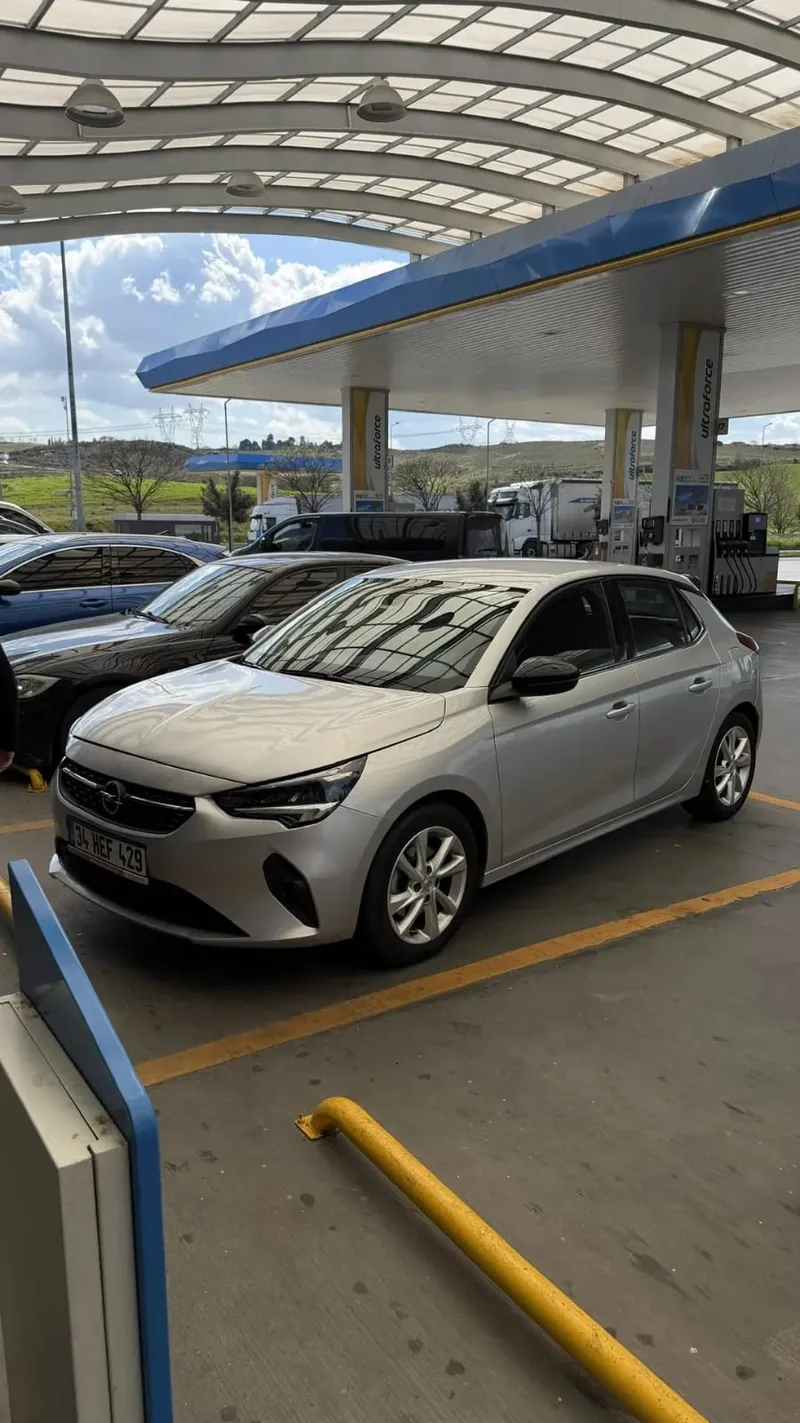
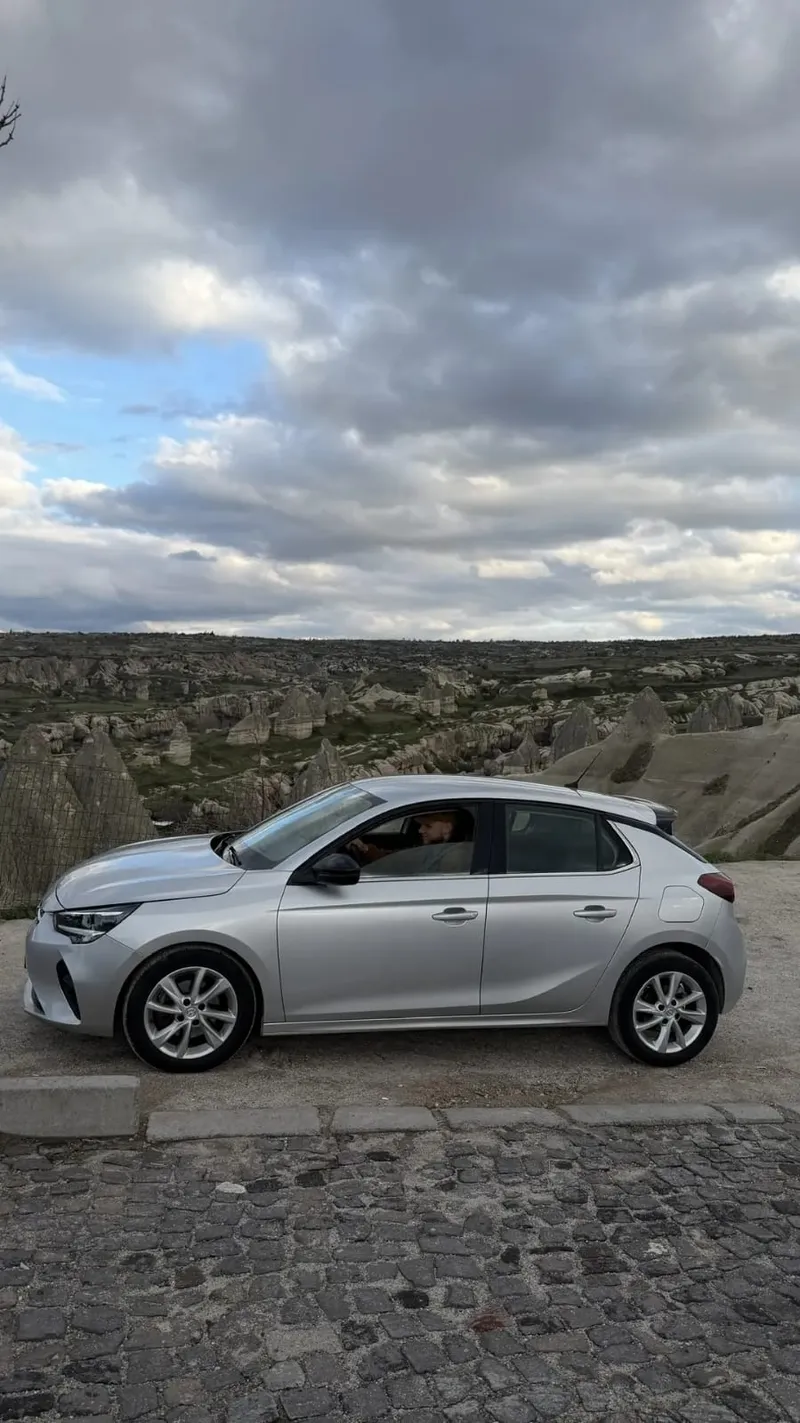
Opel Corsa in Turkey
Everything is great. The delivery was delayed an hour, but that's not a problem. For such a price of only 25€ they delivered the car to my hotel. The car is super, economical, comfortable, calmly drove to Cappadocia and back. No collateral, no deposit, the price is nice) thank you very much. We went to the meeting and agreed to return the car at the airport at the entrance to the terminal. We paid plus for the toll road and returned the car. Everything is super
Fiat Egea Multijet in Turkey
Everything went great, car is nice, new, in great condition. The terms and conditions are the best of all the offers. The staff is very friendly, the interaction is prompt.
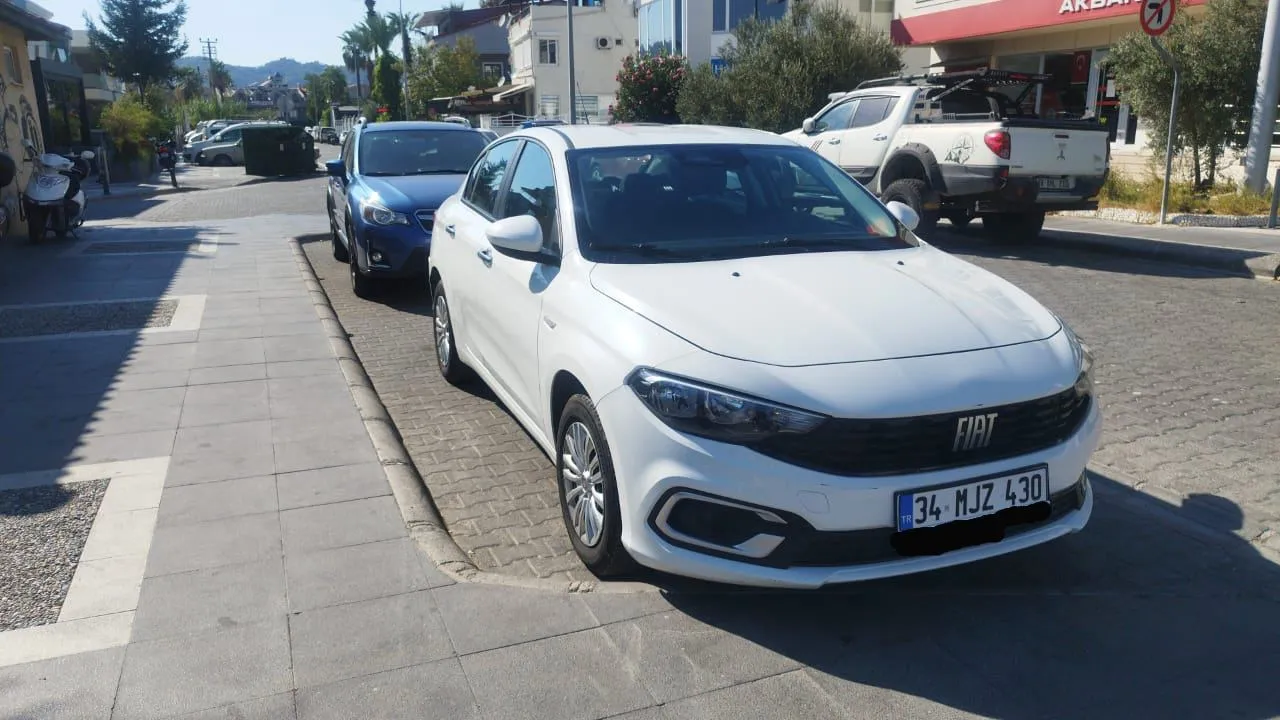
Dacia Sandero Stepway in Turkey
It was a pleasure doing business with you! We arrived at the appointed time, Ure provided us with the contract, and the car. The car is nice, clean inside and out, well maintained. Ure showed us the faults of the car and fixed everything in the report. Thank you for this service. We are satisfied with everything:)

Renault Clio 5 in Turkey
Emir met us at the airport and took us to the office to sign the contract - it is 8-10 minutes from the airport. The whole procedure took another 10 minutes and we picked up the car. I took a Renault Clio - clean, fresh. It was just right for Istanbul! I rented the car at the same place where I signed the contract. It took no more than 10 minutes. Emir also took us from there to the airport. I am completely satisfied with the service, I recommend it!

Opel Zafira Life in Turkey
The rental of the Opel Zafira has gone very well. We didn't have any problems. Greetings
Fiat Fiorino in Turkey
Everything went great, thank you very much
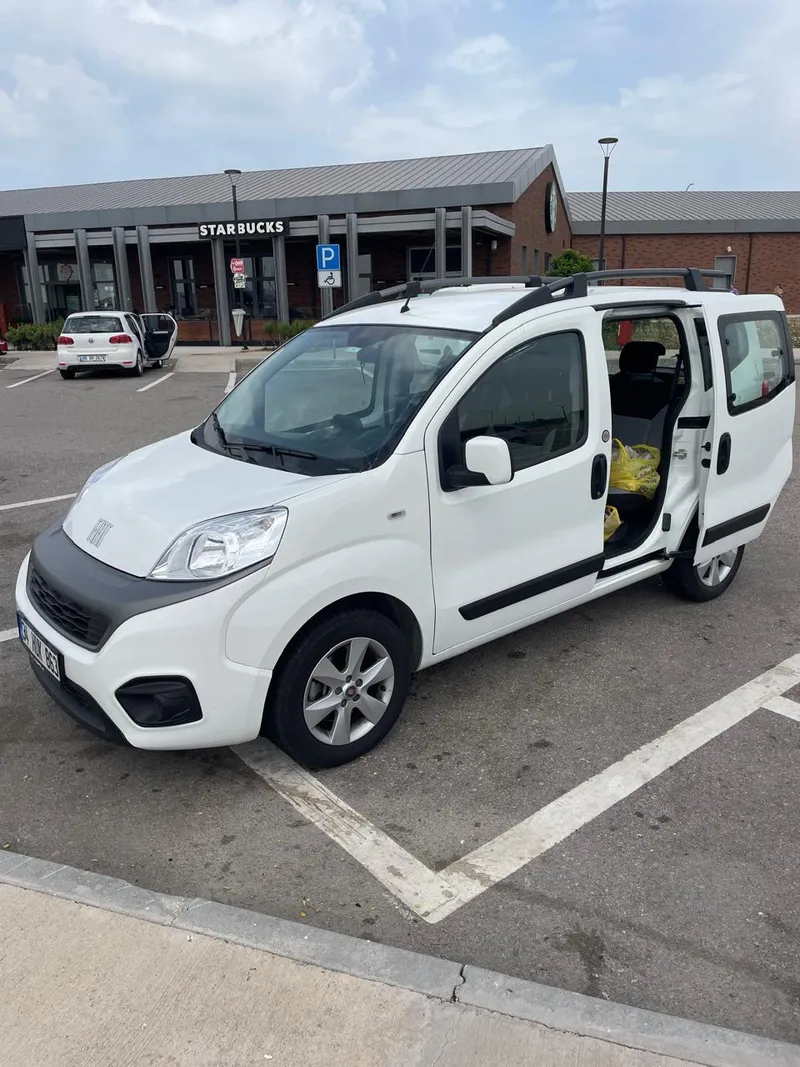
Fiat Egea in Turkey
Everything went well, I was met at the airport, taken to the office where all the documents were drawn up. The car was the same as we had booked, in good condition. There were two things that we did not like very much. First: the car had no fuel at all, we had to look for a gas station. The second: when we handed over the car we were charged 300 lira for travel on toll roads, but the bill for them did not show. According to our data, we had to pay 150 liras for the toll roads. For us these are insignificant trifles. If we need a car in Turkey - we will turn to you, rating 5-
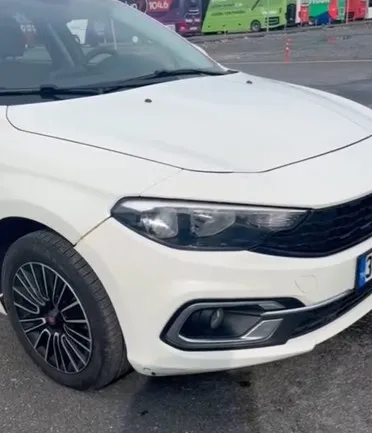
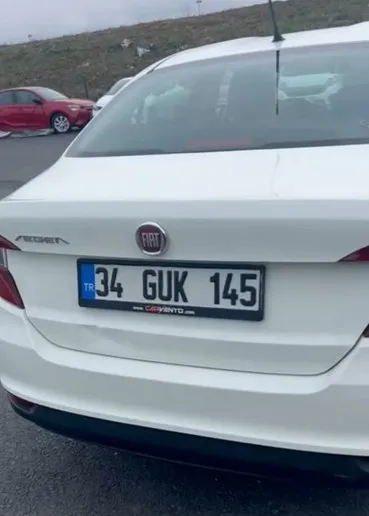
Fiat Fiorino in Turkey
Good guys. I rented a car at the airport. The car is new, no problems. Returned, paid for the roads. I can recommend it!

Citroen Jumpy in Turkey
The car was delivered 45 minutes late from the specified and pre-agreed time, instead of Citroen Jumpy was provided similar Opel Zafira, child seat was missing, recalculation of the cost was made on the spot. Basically everything was satisfactory, we will use your service and recommend you, Thank you.

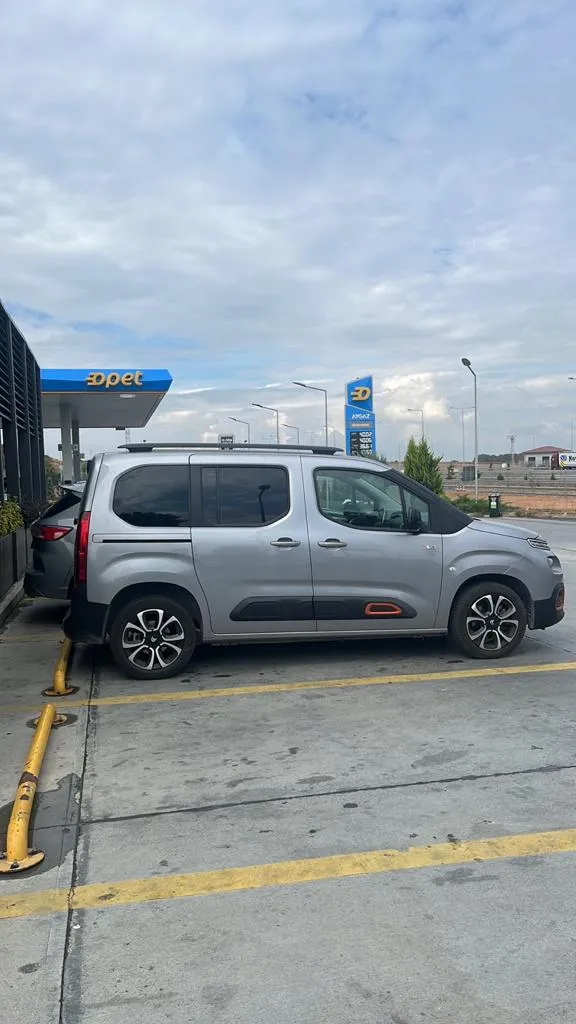
Citroen Berlingo in Turkey
Everything went great! The car was good, did not let us down anywhere. Convenient for us rental conditions without mileage limitation, as we traveled from Istanbul to Cappadocia. We made prepayment from Russia with a Russian bank card, it was a determining factor when booking in advance. Thank you for your service! If necessary, we will gladly use your services again).
How much it costs to hire in Istanbul
Istanbul is far less seasonal than the coast. The gap between winter and summer pricing is around 25–30%, not the doubling you see in Antalya or Bodrum. The cheapest month is February (around $19/day average at SAW); low pricing stays from November through January. The most expensive period is June to August, when Gulf families arrive and quickly clear out the minivans and SUVs.
Book SAW four to six weeks out and the price holds. Walk-ups in July land you 30–50% above the booked rate, sometimes more on a Saturday morning.
Rough 2026 figures: economy at SAW from $18–25/day, IST 5–10% higher; compact $30–45, mid-range $36–50, premium from $51, family minivan $60–110 off-peak and $100–160 in summer. A monthly hire works out roughly half the daily rate.
A family of eight landed at SAW in late July without a booking. By midnight every minivan in the city was gone. They split into two saloons and lost the boot space for the cousins' luggage.
The voucher usually includes the daily rate, basic insurance, the airport surcharge, optional Full Coverage, young driver fee where it applies, and one-way if you return elsewhere. HGS tolls and fines are billed afterwards with a small admin charge.
Rates in Istanbul vary throughout the year depending on the season and the rental length.
- January
- February
- March
- April
- May
- June
- July
- August
- September
- October
- November
- December
- Jan
- Feb
- Mar
- Apr
- May
- Jun
- Jul
- Aug
- Sep
- Oct
- Nov
- Dec
 How expensive is renting a car in Istanbul: average daily rates for a one-week car rental, across all car classes.
What you get when you book through us

-
Verified reviews on every individual car
See how this Renault Clio or Hyundai i20 has actually performed, not just the supplier's average rating.
-
The price on the voucher is the price you pay
All taxes, basic insurance and the airport surcharge are already included — no recalculation at the desk.
-
Free cancellation up to 7 days, plus direct messaging with the supplier
Pickup time and the exact meeting point at IST or SAW are agreed with the person who'll meet you.
What to know about driving in Istanbul
Istanbul is consistently in the global top five for traffic congestion. Drivers move quickly, lane changes happen without indicators, and motorbike couriers thread through stationary cars. The narrow lanes of Sultanahmet, Beyoğlu and Kadıköy make parking the second challenge.
Rush hours and the right map
Morning rush is 07:30–10:00, evening 17:00–21:00. Friday afternoons and Saturdays from 14:00 are particularly heavy. Locals recommend Yandex Maps — its traffic prediction for Istanbul is sharper than Google Maps or Waze.
A guest dropped the car at the Sirkeci İSPARK at 18:10 and took Marmaray across to Kadıköy. Sirkeci to Kadıköy in 15 minutes underwater; on the bridge it would have been an hour.
Parking
The city's İSPARK system covers most of the centre — multi-storey car parks, surface lots, kerbside zones. The app shows availability and accepts foreign cards (~₺25–80 per hour). Hotels in the narrow streets of Sultanahmet typically charge $15–30 a night for valet. The Princes Islands are car-free: park at Kabataş or Bostancı (₺40–80 a day) and continue by ferry.
Frequent Questions
For the historic centre — usually no. Sultanahmet, Beyoğlu and Galata are compact and walkable; the Marmaray underwater rail, the T1 tram and the Bosphorus ferries beat any drive in traffic. A hire car earns its keep in three cases: a road trip out of the city, a long stay (over a month), or a day-trip to the Black Sea coast (Şile, Kilyos, Polonezköy).
At whichever airport you're flying into. Both have full fleets, and the price gap is only 5–10%. SAW is slightly cheaper on average and convenient for the Asian side; IST is the Turkish Airlines hub. Hopping between airports takes 1–2 hours in traffic and wipes out any saving on the daily rate.
For Sultanahmet and Taksim both airports are roughly equal — 50 km. IST goes via the European motorway (1–1.5h in traffic); SAW goes via the Eurasia Tunnel or a Bosphorus bridge (50–80 min off-peak). For Kadıköy on the Asian side, SAW is much closer at 25 km / 30–45 minutes.
Most Sultanahmet streets are pedestrian or restricted. Use the İSPARK lots at Sultanahmet Square, Sirkeci and Eminönü — paid by the hour at ₺25–60. Many hotels in the old city offer valet parking at $15–30 a night. If your trip is just sightseeing, leave the car at the airport branch and pick it up on the day you actually need it.
İSPARK is Istanbul's municipal parking network: multi-storey car parks, surface lots and kerbside zones across the city. Download the İSPARK app or pay the attendant in cash or by card on entry. The app accepts foreign cards, shows live availability and rates by zone (~₺25–80 per hour).
Morning rush is 07:30–10:00 (the commute over the bridges), evening is 17:00–21:00. Friday afternoons and Saturdays from 14:00 are especially heavy. Sundays are calmer overall, but the Bosphorus shoreline and tourist districts stay busy until evening. At rush hour, Marmaray usually beats driving across the bridges.
Most locals recommend Yandex Maps — its traffic-aware routing for Istanbul congestion is sharper than Google Maps or Waze. Google works fine for general navigation but its time estimates lag behind. Download offline maps as a backup, especially for trips up the Bosphorus or to the Black Sea coast where mobile signal can drop.
No — cars are banned on all four Princes Islands (Büyükada, Heybeliada, Burgazada, Kınalıada). Park at Kabataş on the European side or Bostancı on the Asian side (₺40–80 a day at the public car parks) and continue by ferry, 30–45 minutes. On the islands, transport is by bicycle, electric carts or on foot.
Yes — these are the most useful day-trips from the city. Şile is on the Asian Black Sea coast, ~70 km / 1.5h (lighthouse and beach). Kilyos is on the European side, ~35 km / 1h (the closest swim beach). Polonezköy is a forest village ~30 km / 1h. None has good direct public transport, so a hire car genuinely pays off.
Two routes. The Eskihisar–Topçular ferry takes about an hour with the car, plus an hour's drive — around 2.5 hours total, scenic, around ₺200. The O-7 motorway via the Osmangazi Bridge is around 3 hours (₺290 for the bridge plus other tolls), faster but more expensive. The ferry timetable fills up in summer; book in advance.
Possible but long: ~700 km / 9–10 hours one-way via Ankara. Most visitors fly instead — Pegasus and Turkish Airlines from IST or SAW to Nevşehir (NAV) or Kayseri (ASR) cost from $30–60. If you do drive, the standard split is an overnight in Ankara. A one-way drop-off in Cappadocia adds $100–250 to the rental.
Yes — most local suppliers and the major chains offer monthly rates with a 30–50% discount on the daily price. 2026 ballpark: economy from $450 a month, mid-range $600–900, SUV $900–1,500. Up to 90 days a passport and foreign licence is enough; longer stays may need a Turkish residence permit or rolling monthly contracts.
Yes — most local Istanbul suppliers offer hotel delivery. Into the narrow streets of Sultanahmet typically costs $10–25; in Taksim, Beyoğlu or Beşiktaş it's usually free or $5–15. The international chains rarely deliver to the old city — at the chains you collect at the airport or downtown branch.
Yes — both airports are in the same Istanbul metro area, and most suppliers either include the swap or charge a small one-way fee of $20–50. A common scenario is arriving on Turkish Airlines at IST and flying out on Pegasus from SAW. Book early — popular dates fill up faster than standard pickups.
If you're based on the Asian side and planning day-trips to Şile or Polonezköy, or driving over to Bursa via the ferry — yes. SAW is much closer too (25 km versus 50). For sightseeing the European centre, Marmaray is faster: 15 minutes from Kadıköy to Sirkeci. Use the car for what's around the city rather than for the centre.